20th century · Aesthetics · Architecture · Built heritag · Camden Modern · Camden Modernism · Collective Memory · Community identity · Cultural Heritage · Domestic Architecture · Elderslie · Heritage · History · History of a house · Housing · Local History · Local Studies · Memory · Mid-century modernism · Modernism · Place making · Sense of place · Storytelling · Urban development · Urban growth · Urban Planning · Urbanism

Exploring Lost Camden, The Legacy of The Hennings House

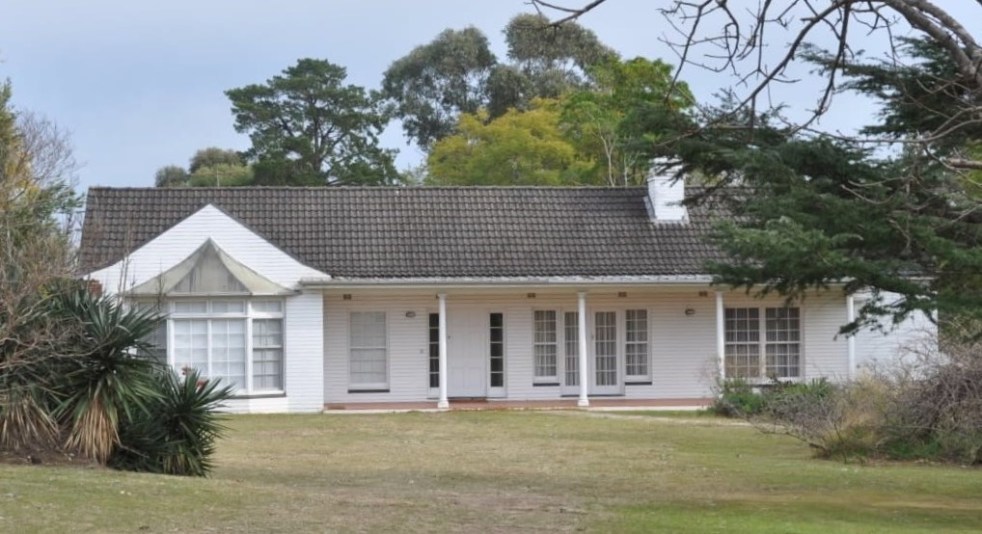
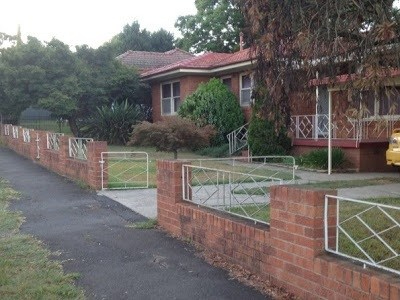
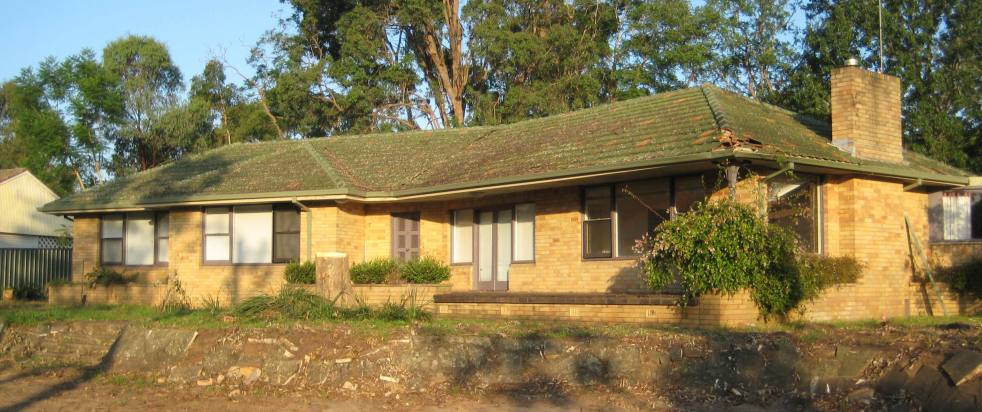
The Hennings House, a mid-century modern ranch-style residence built in 1960, was a prominent part of Elderslie's architectural landscape until its demolition in 2011 for a preschool. Known for its distinctive features and design, the house highlighted the cultural significance of post-World War II domestic architecture in Camden.

19th Century · Agricultural heritage · Agriculture · Agriculture history · Attachment to place · Australian History · Belonging · British colonialism · Business History · Colonial Australia · Colonial Camden · Colonial frontier · Colonial garden · Colonial NSW · Colonial Settler Community · Colonialism · Cowpastures · Cowpastures district · Cowpastures Estates · Cowpastures Gentry · Cowpastures Region · Cowpastures River · Cultural Heritage · Dairying · Economy · England · Families · Family history · Farming · Heritage · John Hawdon · Letters · Local Studies · Place · Place making · Placemaking · Regionalism · Settler colonialism · Settler Society · Social History · Uncategorized

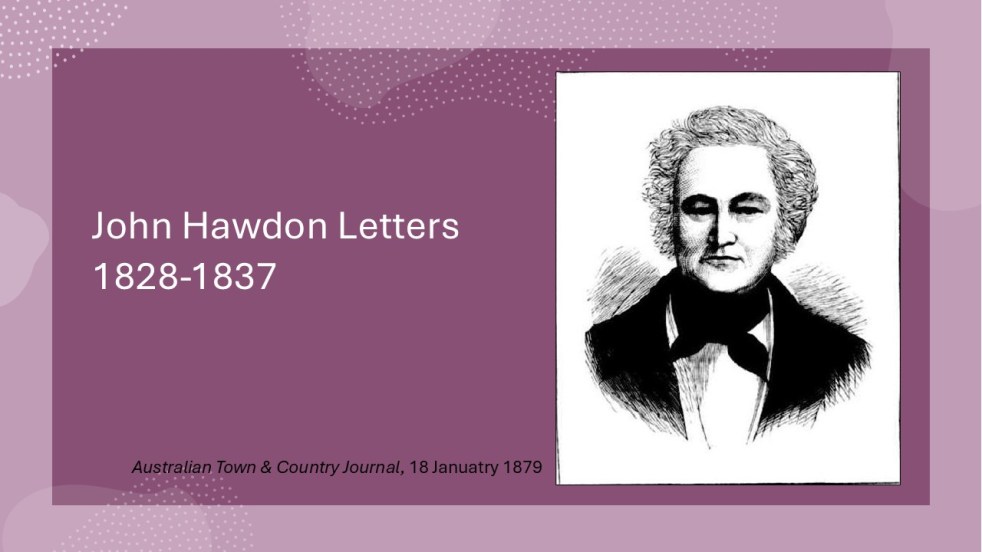
Insights from the Hawdon Letters: Colonial Life in NSW, Part 3, 1833-1837

The letters of John Hawdon and others from 1828 to 1837, preserved in the State Library of NSW, provide insights into colonial life in New South Wales. They highlight themes of isolation, communication challenges, economic struggles, and attitudes toward gender and Indigenous populations, alongside Hawdon's farming experiences and family connections.

Colonial Australia · Colonial frontier · Colonial NSW · Cowpastures · Cowpastures district · Cowpastures Gentry · Cowpastures Region · Elderslie · John Hawdon · Letters · The Cowpastures

Insights from the Hawdon Letters: Colonial Life in NSW, Part 1, 1828-1830

John Hawdon's letters (1828-1830) provide an intimate view of colonial life in New South Wales. Addressed to family in England, they detail challenges of farming, personal hardships, and isolation. The cross-written letters, located at the State Library of NSW, are difficult to decipher but are significant historical records of early colonial settlement in the Cowpastures.

19th Century · 20th century · Architectural History · Architecture · Camden Story · Colonial Camden · Elderslie · Hilsyde Elderslie · History · History of a building · History of a house · House history · Housing · Housing styles · Local History · Place making · Placemaking · Sense of place · Stories · Storytelling · Uncategorized · Urban history · Victorian

Exploring Hilsyde: A Look at Elderslie’s Historic Home

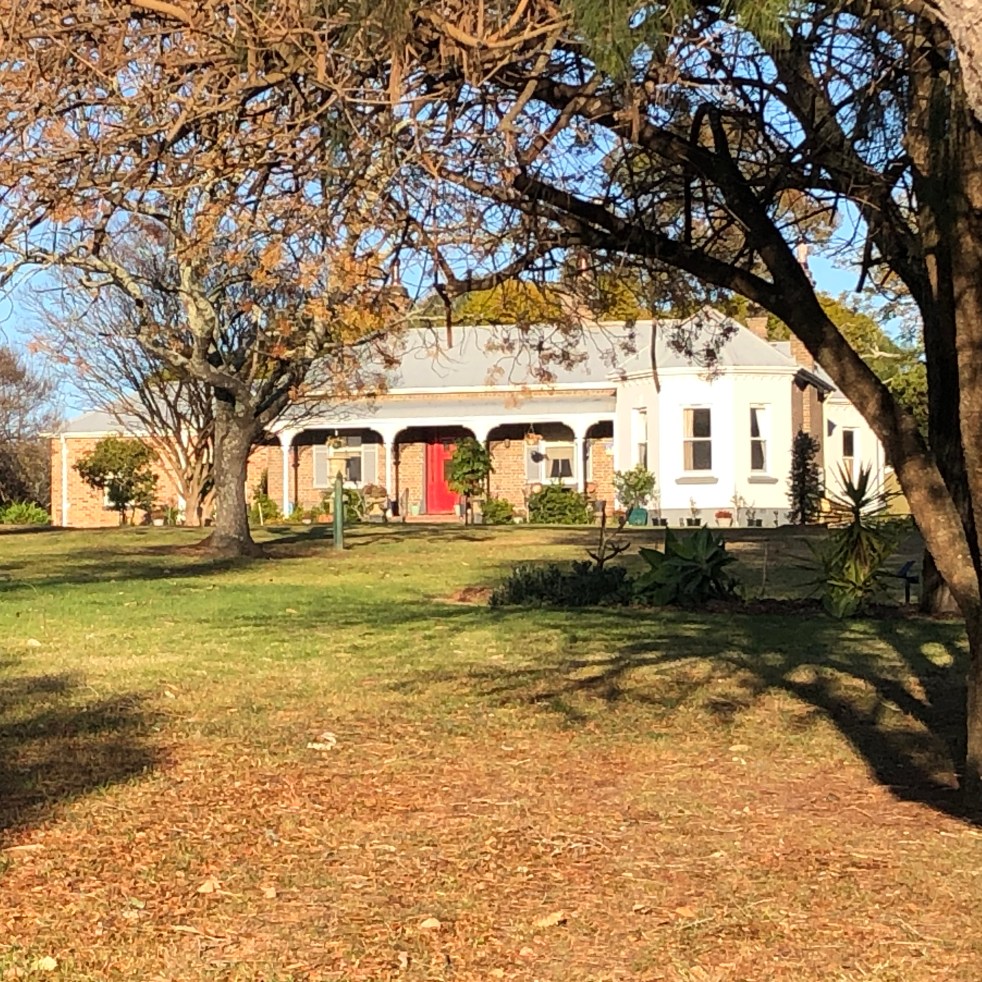
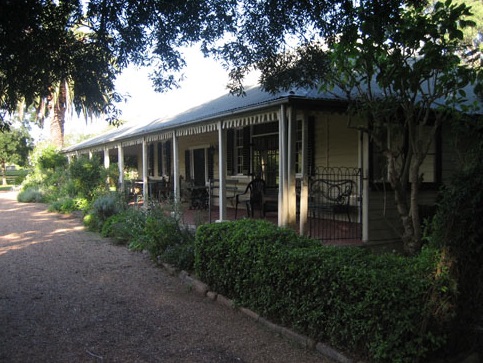
Hilsyde, originally known as Pammenter, is a Victorian single-storey brick residence built in 1888 by WC Furner in Elderslie. The property features a galvanised iron roof, bay windows, and retains good integrity. It served as Hilsyde Lodge from 1978 to 2003, catering to Christian women workers, and is heritage-listed.

Aesthetics · Architecture · Attachment to place · Australian History · Built heritag · Built Heritage · Camden Built Heritage · Camden Modernism · Camden Story · Community identity · Country town · Cultural Heritage · Domestic Architecture · Elderslie · Heritage · History of a building · History of a house · Hope and loss · House history · Housing · Housing styles · Landscape · Landscape aesthetics · Living History · Lost Camden · Mid-century modernism · Modernism · Narellan · Nostalgia · Place making · Placemaking · Small town · Stories · Storytelling · Uncategorized · Urban development · Urban growth · Urban history · Urban Planning · Urbanism

A Journey Through Camden’s Mid-Century Housing Architecture

Camden's mid-century housing, developed between the 1940s and 1970s, reflects a worldwide modernism movement. Characterized by simple lines and open spaces, these homes arose amid urban growth linked to the new jobs created by the Burragorang coalfields. Unfortunately, many of these historic structures are disappearing, necessitating greater recognition and appreciation of their significance.

Adaptive Re-use · Architecture · Attachment to place · Australia · Belonging · British colonialism · Camden · Camden Historical Society · Colonial Camden · Colonial frontier · Colonialism · Community identity · Convicts · Cultural Heritage · Cultural icon · Elderslie · England · Farming · Georgian · Governor Macquarie · Heritage · Historical consciousness · History · History of a house · House history · Landscape · Living History · Local History · Local Studies · Macarthur · Memorials · Memory · Myths · Place making · Sense of place · Settler colonialism · Storytelling · Tourism · Travel

John Oxley’s anchor lost for 34 years

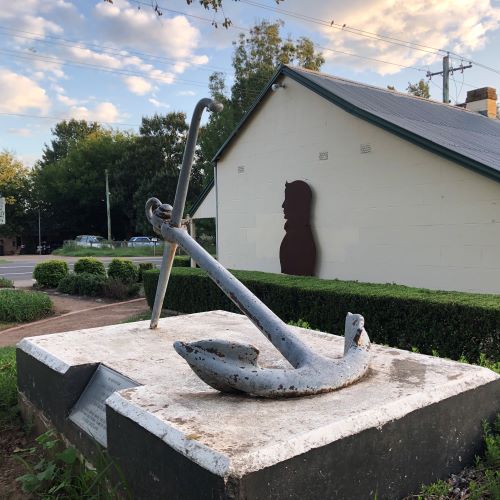
New evidence has emerged challenging previous conclusions about the John Oxley Memorial anchor in Camden. The anchor, a memorial from the British naval authorities, was lost for 34 years before being relocated for public access. John Oxley, an important colonial figure, has multiple commemorations in New South Wales related to his historical significance.

1920s · Anzac · Architecture · Attachment to place · Belonging · Biography · Camden · Camden Cottage · Camden Story · Colonial Camden · Community identity · Cultural Heritage · Dairying · Dr West · Economy · Elderslie · Families · Family history · Farming · First World War · Gardening · Genealogy · Heritage · Historical consciousness · Historical Research · Historical thinking · History · History of a house · House history · Interwar · Landscape · Living History · Local History · Local newspapers · Local Studies · Memory · Military history · Myths · Place making · Placemaking · Ruralism · Sense of place · Settler colonialism · Social History · Storytelling · Voluntary Workers Association · War · War at home · welfare · World War One

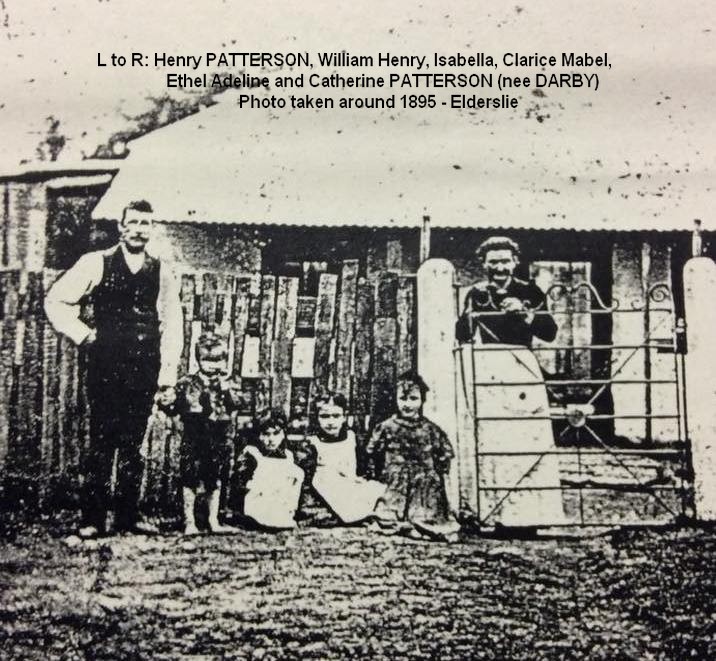
The Patterson family of Elderslie, the value of family histories

The story of the Patterson family of Elderslie NSW illustrates the value and importance of family history.

Aesthetics · Architecture · Attachment to place · Built heritag · Built Heritage · Camden · Camden Built Heritage · Camden Modern · Camden Modernism · Community building · Community identity · Cultural Heritage · Cultural icon · Elderslie · Heritage · Historical consciousness · History · History of a building · History of a house · House history · Housing · Housing styles · Landscape aesthetics · Local History · Lost Camden · Modernism · Place making · Placemaking · Sense of place · Social History · Stories · Storytelling · Town planning · Urban development · Urban growth · Urban history · Urban Planning · urban sprawl · Urbanism

Mid-Century Modernist Homes in Elderslie

In the 1960s, modernism significantly influenced the community of Elderslie, where miners sought contemporary homes. Innovative house designs reflected mid-20th-century trends, including American Ranch styles. Australian architects, like Robin Boyd, contributed to housing projects across the country, merging modern aesthetics with traditional Federation-style homes. These trends influenced the design of local mid-century housing style, resulting in a unique urban landscape.

Agriculture · Attachment to place · Australia · British colonialism · Colonial frontier · Colonialism · Community identity · Convicts · Cowpastures · Cultural Heritage · Denbigh · Economy · Elderslie · England · Farming · Gothic · Heritage · Historical consciousness · Historical Research · Historical thinking · History · Living History · Local History · Local Studies · Macarthur · Memory · Place making · Radical history · Sense of place · Settler colonialism · Storytelling

Convicts in the Cowpastures, an untold story

The convicts in the Cowpastures is an untold story of the colonial settler society of early New South Wales.

Aesthetics · Agriculture · Attachment to place · Australia · Belonging · British colonialism · Colonial Camden · Colonial frontier · Colonialism · Community identity · Convicts · Cowpastures · Cultural Heritage · Cultural icon · Curtilage · Economy · Elderslie · England · Farming · Frontier violence · Georgian · Gothic · Heritage · Historical consciousness · Historical Research · Historical thinking · History · Landscape · Landscape aesthetics · Local History · Local Studies · Macarthur · Narellan · Place making · Ruralism · Sense of place · Settler colonialism · Storytelling · Stuart Park Wollongong

John Hawdon of Elderslie in a settler society

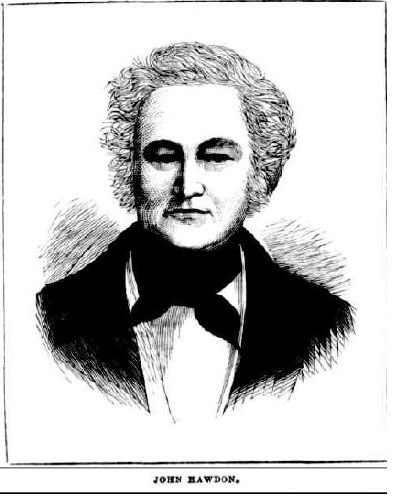
John Hawdon of Elderslie was part of the story of settler colonialism in New South Wales in the early 19th century.