1968 Sydney Region Outline Plan · 1973 New Cities Campbelltown Camden Appin Structure Plan · Aesthetics · Architecture · Attachment to place · Business · Campbelltown · Campbelltown Council · Campbelltown Mid-century modernism · Campbelltown Modern · Campbelltown Modernism · Campbelltown Municipal Council · Community building · Community identity · Cultural Heritage · Cultural icon · Design · Economy · Heritage · Historical consciousness · Historical Research · Historical thinking · History · Living History · Local History · Local Studies · Macarthur · Macarthur region · Mid-century modernism · Modernism · Place making · Placemaking · Sense of place · Storytelling · Urban development · Urban growth · Urban history · Urban Planning · urban sprawl · Urbanism

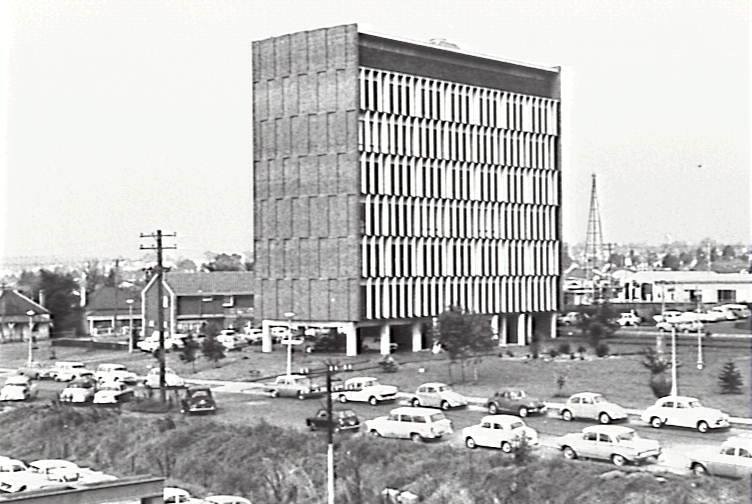
Exploring Campbelltown’s Mid-Century Modern Administration Building

The Campbelltown Council office building, completed in 1964, serves as an unrecognized icon of mid-century modernism, symbolizing the town's optimistic vision as a satellite city. Despite its structural significance and initial hopes for community development, later planning challenges undermined this vision, leaving the building's legacy complex and often overlooked.

1920s · 1973 New Cities Campbelltown Camden Appin Structure Plan · Aesthetics · Agriculture · Attachment to place · Belonging · British colonialism · Camden · Camden Council · Camden Story · Camden Town Centre · Cobbitty · Colonial Camden · Colonial frontier · Colonialism · Community identity · Cowpastures · Cultural Heritage · Cultural icon · Curtilage · Denbigh · Dharawal · Economy · Edwardian · England · Farming · Frontier violence · Georgian · Gothic · Governor Macquarie · Heritage · Historical consciousness · Historical Research · Historical thinking · History · Interwar · Landscape · Landscape aesthetics · Living History · Local History · Local Studies · Macarthur · Memory · Menangle · Modernism · Place making · Ruralism · Sense of place · Settler colonialism · Storytelling · Town planning · Urban growth · Urban Planning · Victorian

Camden Heritage Conservation Area – an English-style village in the Cowpastures

The Macarthur private village of Camden was located in the English style countryside of the Cowpastures countryside with its gentry estates and villages. Founded in 1840 it was all part the British imperial imperative and the settler colonial project that came with it.

20th century · Aesthetics · Anzac · Art · Attachment to place · Australia · Belonging · Camden · Camden Airfield · Churches · Community Health · Community identity · Cultural Heritage · Cultural icon · Education · Family history · Festivals · First World War · Heritage · Historical consciousness · Historical Research · Historical thinking · History · Interwar · Living History · Local History · Local newspapers · Local Studies · Memorials · Memory · Menangle Army Camp · Military history · Modernism · Myths · Narellan Military Camp · Newspapers · Place making · Public art · Red Cross · Second World War · Sense of place · Stereotypes · Storytelling · Volunteering · Volunteerism · War · War at home · Wartime

Understanding the Anzac Myth: Truths and Contradictions

The Anzac story is vital to Australian identity, yet its meaning remains contested. Historian Dr. Jen Roberts argues that the narrative, while centered on duty and sacrifice, encompasses contradictions surrounding nationalism, trauma, and the realities of war. Anzac's evolution reflects cultural transformations, highlighting diverse interpretations and ongoing relevance in society.

Aesthetics · Agriculture · Attachment to place · Australia · Australian Historic Themes · Belonging · Camden · Camden Town Farm · Colonial Camden · Community identity · Cowpastures · Cultural Heritage · Cultural icon · Dairying · Dharawal · Economy · Education · Farming · Heritage · Historical consciousness · Historical Research · Historical thinking · History · Landscape · Landscape aesthetics · Leisure · Lifestyle · Living History · Local History · Local Studies · Macarthur · Nepean River · Place making · Recreation · Ruralism · Sense of place · Settler colonialism · Storytelling · Tourism

The Llewella Davies Memorial Walkway, a walk in the meadows of the past

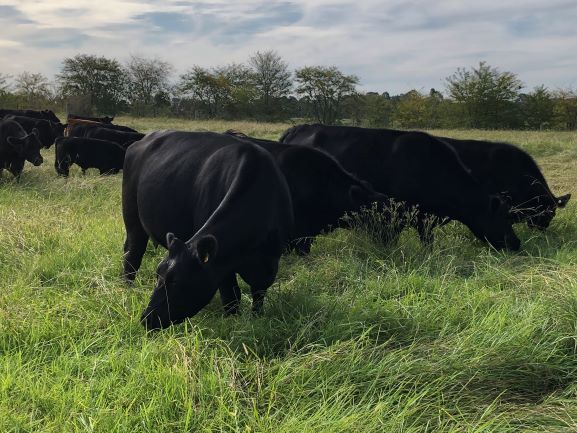
The Camden Town Farm Miss Llewella Davies Pioneers Walkway opened in 2020 in the former colonial landscape of the Cowpastures. The area was part of the original grants that made up the Macarthur family's Camden Park Estate and in pre-European times the country of the Dharawal people.

1920s · Aesthetics · Attachment to place · Belonging · Camden · Communications · Cultural Heritage · Cultural icon · Economy · Heritage · Historical consciousness · Historical Research · Historical thinking · History · Leisure · Living History · Local History · Local Studies · Lost Sydney · Memory · Modernism · Moveable Heritage · Narellan · Place making · Railway · Re-enactments · Ruralism · Sense of place · Stereotypes · Storytelling · Streetscapes · Tourism · Transport · Travel · Utilities

Pansy the Camden locomotive

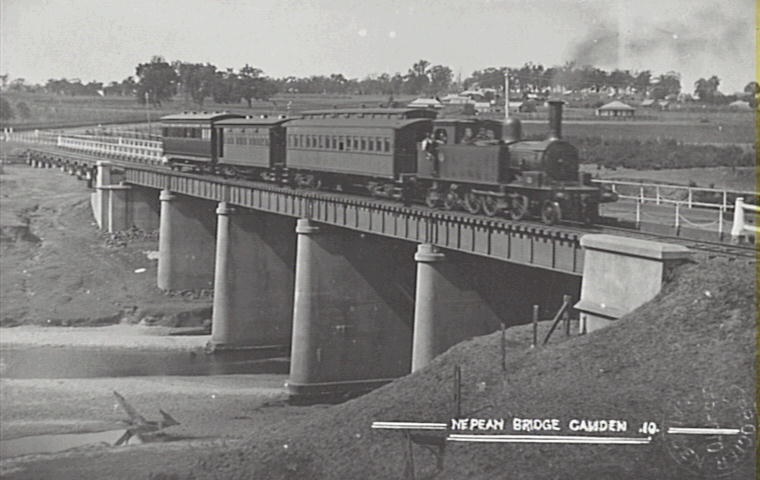
The Camden train affectionately called Pansy is a distant memory that rekindles many memories and a nostalgia for the past.

Adaptive Re-use · Aesthetics · Architecture · Attachment to place · Belonging · Business · Camden · Camden Council · Camden District · Camden Heritage Conservation Area · Camden Regional Economic Taskforce · Camden Story · Camden Town Centre · Colonial Camden · Community identity · Cultural Heritage · Cultural icon · Edwardian · Fashion · Festivals · Film · Film Making · Gender · Heritage · Historical consciousness · Historical Research · Historical thinking · History · Interwar · Jacaranda · Job creation · Lifestyle · Living History · Local History · Local Studies · Media History · Memory · Modernism · Place making · Placemaking · Ruralism · Sense of place · Storytelling · Streetscapes · Tourism · Travel · Victorian

Making short films to promote the 2019 Camden Jacarada festival

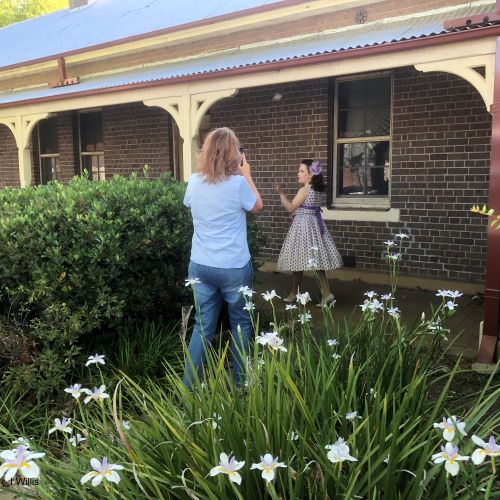
A group of amateur filmmakers undertook a photoshoot in the Camden town centre to promote the 2019 Camden Jacaranda Festival.

Aesthetics · Art · Attachment to place · Australia · Belonging · Camden · Camden Airfield · Camden Park House and Garden · Community identity · Cultural Heritage · Cultural icon · Denbigh · England · Entertainment · Farming · Fashion · Festivals · Gothic · Heritage · Historical consciousness · Historical Research · Historical thinking · History · Interwar · Landscape aesthetics · Leisure · Lifestyle · Living History · Local History · Local Studies · Macarthur · Memorials · Memory · Modernism · Monuments · Moveable Heritage · Movies · Myths · Place making · Public art · Re-enactments · Ruralism · Sense of place · Stereotypes · Streetscapes · Sydney · Sydney's rural-urban fringe · Technology · Theatre · Tourism · Travel · TV Series Shows · Victorian · Volunteerism · War

Movie making Camden style

Filmmakers have long been drawn to Camden's English countryside setting for movie backdrops. The area has hosted various films, including silent movie Silks and Saddles (1921), wartime drama The Rats of Tobruk (1944), series like A Place to Call Home (2012), and modern productions like Peter Rabbit (2018, 2020). It continues to attract filmmakers seeking a classic English aesthetic for their productions.

20th century · Adaptive Re-use · Architecture · Attachment to place · Built heritag · Business · Business History · Camden · Camden Story · Cultural Heritage · Cultural icon · Heritage · Historical consciousness · History · Interwar · Leisure · Local History · Local Studies · Memory · Mid-century modernism · Modernism · Motoring History · Moveable Heritage · Narellan · Place making · Placemaking · Retailing · Sense of place · Storytelling · Tourism · Transport · Urban growth · Urban history

Clintons Motors Car Showroom, motoring and modernism

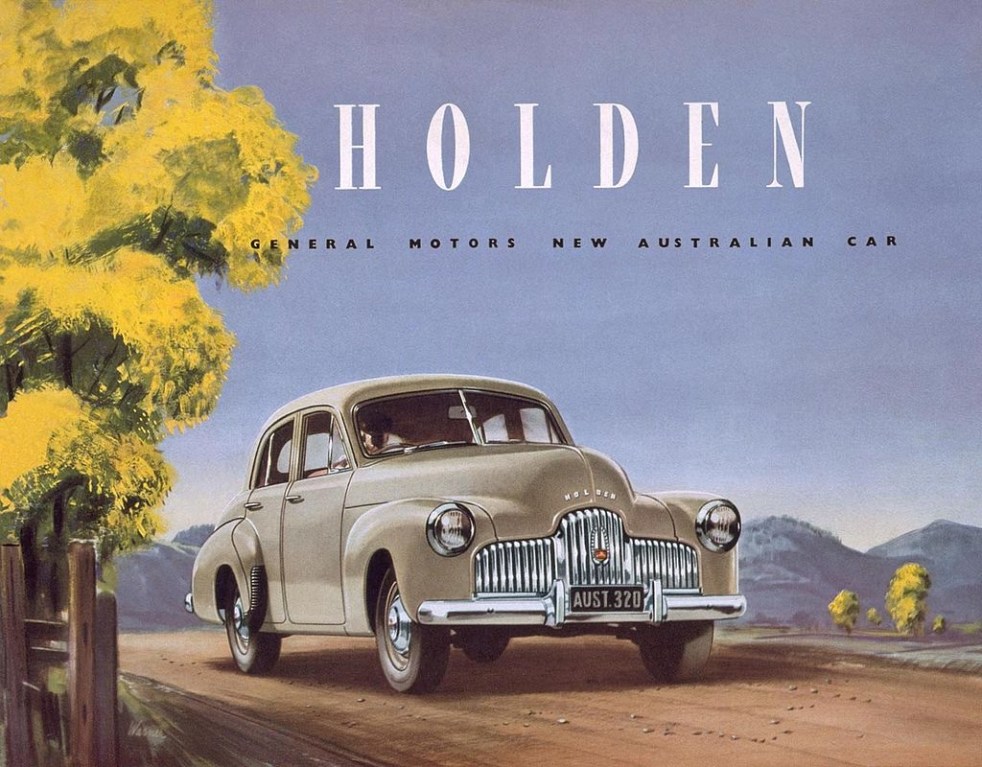
In March 1948, Camden celebrated a new era in motoring with the opening of Clintons Motors' modern showroom. The introduction of the FX Holden marked a pivotal moment in Australian automotive history, showcasing innovation and capturing community excitement. This Art Deco building symbolized modern shopping and transformed Camden's motoring landscape.

Aesthetics · Architecture · Art · Attachment to place · Belonging · Camden · Camden Museum · Camden Park House and Garden · Camden Show · Churches · Colonial Camden · Colonialism · Community identity · Cowpastures · Cultural Heritage · Cultural icon · Edwardian · England · Gothic · Heritage · Historical consciousness · Historical Research · Historical thinking · History · Interwar · Lifestyle · Living History · Local History · Local Studies · Macarthur · Memory · Modernism · Myths · Nepean River · Place making · Ruralism · Sense of place · Settler colonialism · Sydney's rural-urban fringe · Tourism · Victorian · War

The Camden Story: living history on our doorstep

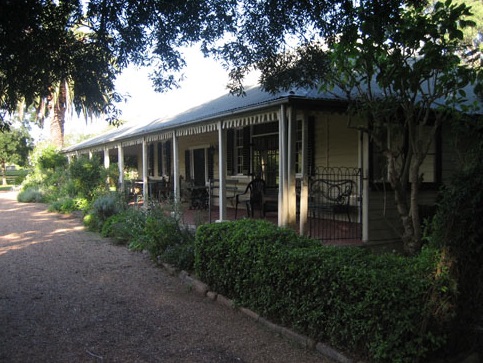
Experience the Camden Story through the living history on our doorstep. Walk the historic Camden town centre precinct and district or visit the exciting Belgenny Farm or view the informative exhibitions at the Camden Museum.

Aesthetics · Architecture · Art · Attachment to place · Belonging · British colonialism · Built heritag · Camden · Camden Park House and Garden · Camden Story · Camden Town Centre · Church History · Churches · Collective Memory · Colonial Camden · Colonialism · Community identity · Cowpastures · Cultural Heritage · Cultural icon · England · Farming · Gothic · Heritage · Historical consciousness · Historical Research · History · Landscape aesthetics · Legends · Living History · Local History · Local Studies · Macarthur · Memorialisation · Memorials · Memory · Monuments · Myths · Place making · Ruralism · Sense of place · Settler colonialism · Settler Society · Social History · St John's Church Camden · Symbolism · Tourism · Victorian · Women's history

St John’s Church, a contested sacred site in the historic landscape of the Cowpastures

A contested sacred site in the historic landscape of the Cowpastures. St John's Church wants to sell a former horse paddock to fund a new worship centre against community opposition.