1920s · 1930s · 1973 New Cities Campbelltown Camden Appin Structure Plan · 20th century · Agriculture history · Attachment to place · Belonging · Camden Council · Camden Council Heritage Advisory Committee · Camden Mayor · Camden Museum · Camden Produce Market · Camden Story · Camden Town Centre · Camden Town Farm · Colonialism · Commemoration · Country town · Cowpastures · Cultural and Heritage Tourism · Cultural Heritage · Entertainment · Festivals · Food · Heritage · History · Interwar · Living History · Local History · Local Studies · Macarthur · Memorialisation · Place making · Ruralism · Sense of place · Social History · Storytelling · Symbolism · Tourism · Unlock Camden · Urban history

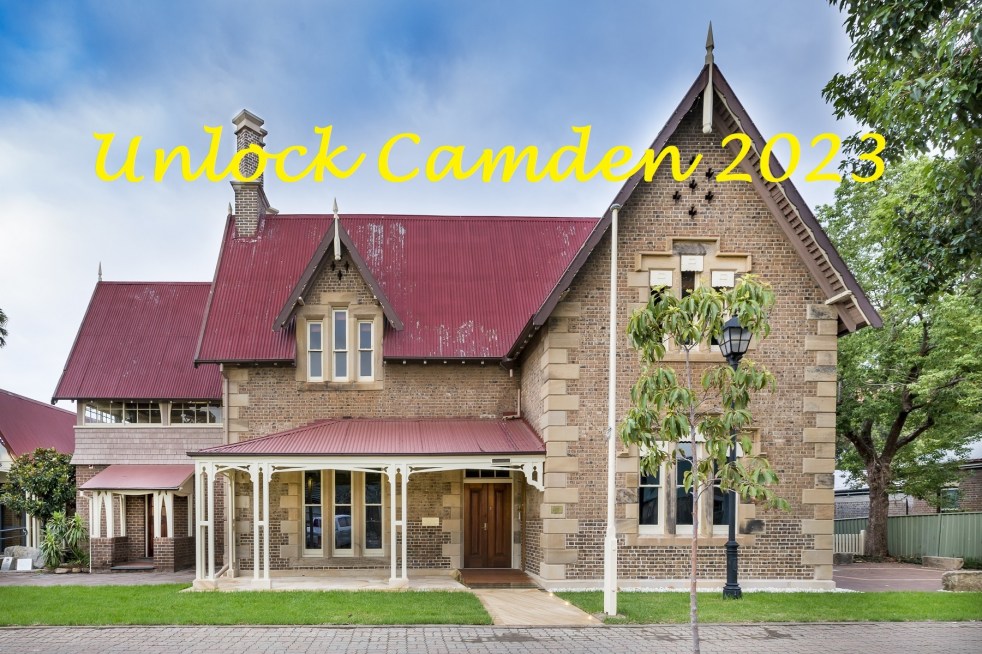
Unlock Camden 2023, a festival celebrating our past

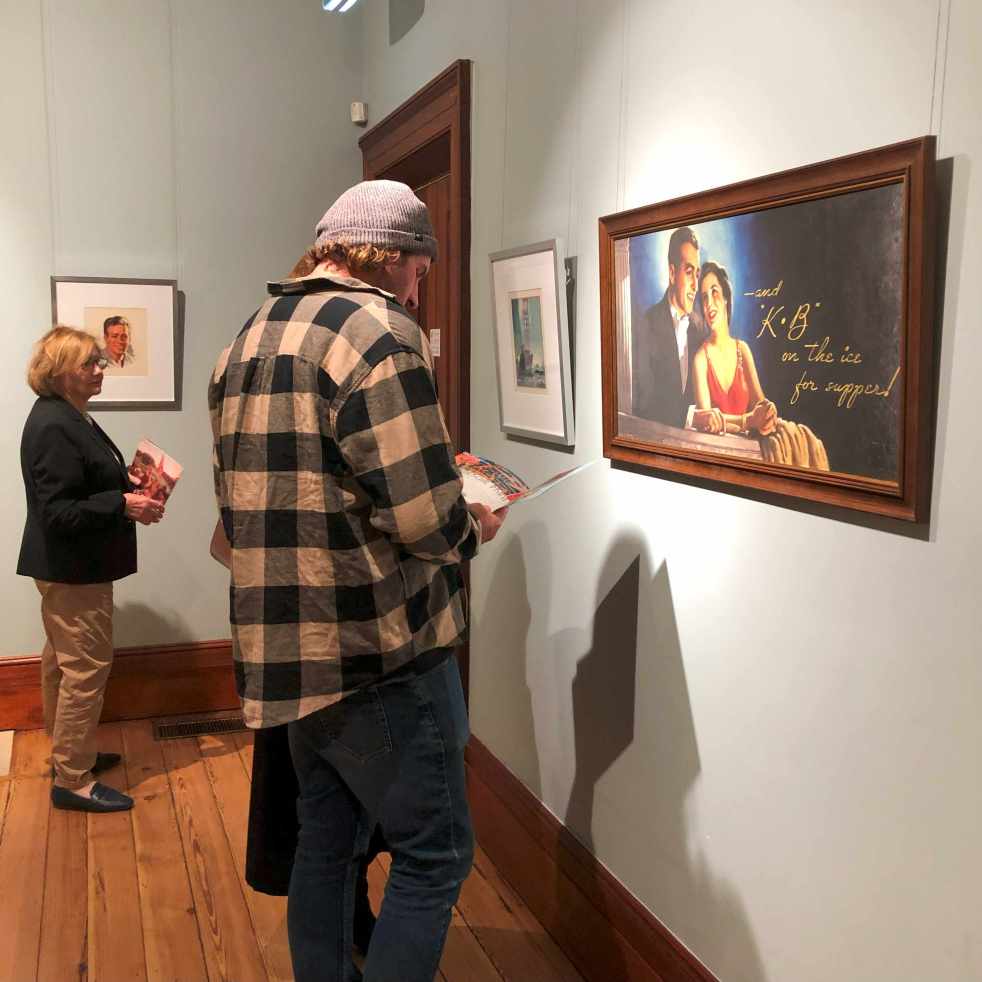
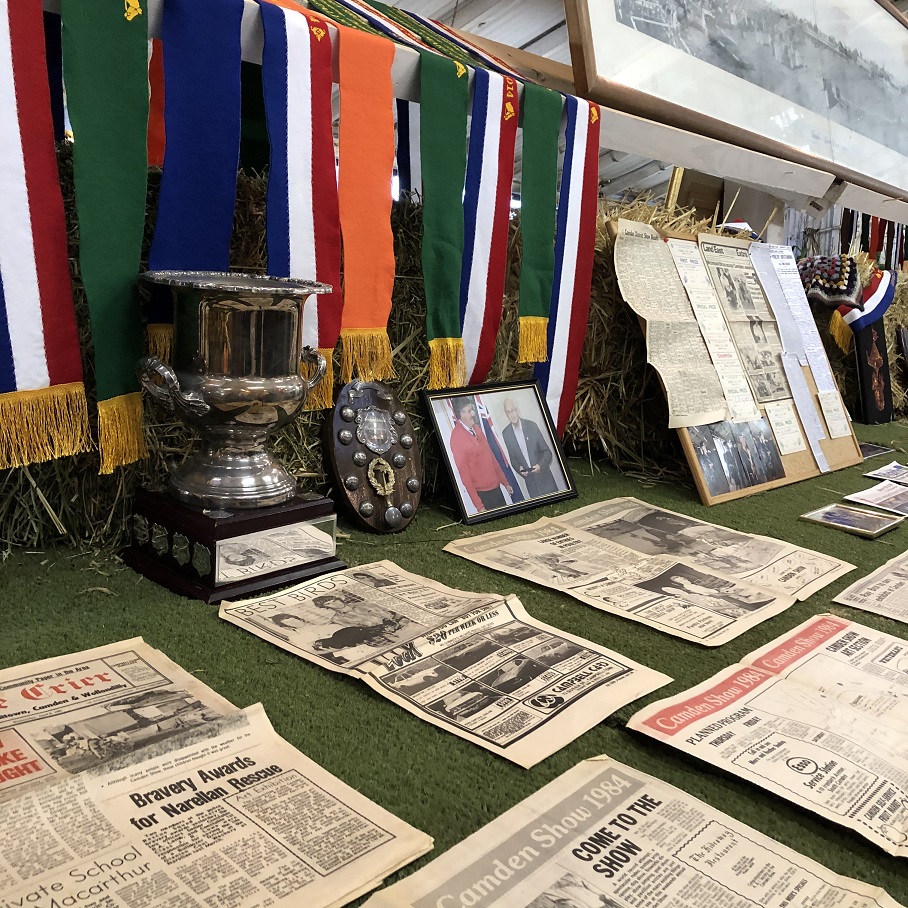
Unlock Camden is a history festival that celebrates the Camden story through walks, art, images, stories, and a host of other activities. Events are centred in historic the John Street precinct around the Alan Baker Art Gallery Macaria.

1920s · 1930s · 1932 · 20th century · Aesthetics · Bridges · Collective Memory · Commemoration · Community identity · Cultural and Heritage Tourism · Cultural Heritage · Engineering Heritage · Engineering History · Entertainment · Film · Heritage · History · Industrial Heritage · Interwar · JE Bradfield Engineer · Living History · Memory · Modernism · Monuments · Place making · Political history · Sense of place · Storytelling · Sydney · Sydney Harbour Bridge · Tourism · Transport · transport history · Uncategorized · Urban development · Urban growth · Urban history

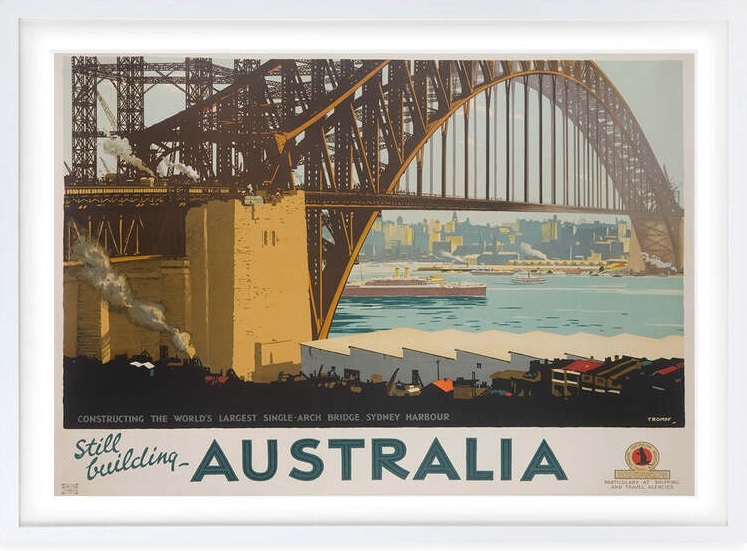
The Sydney Harbour Bridge, an engineering marvel

The Sydney Harbour Bridge is an icon on the Sydney urban landscape. The bridge is an engineering marvel of modernism and the early 20th hope of a new nation.

1920s · 1930s · 20th century · Agriculture · Argyle Street · Attachment to place · Belonging · British colonialism · Built heritag · Camden · Camden Story · Collective Memory · Colonialism · Commemoration · Community identity · Country town · Cowpastures · Cultural Heritage · Dharawal · Historical consciousness · Historical Research · Historical thinking · Historiography · History · Legends · Local History · Local Studies · Macarthur · Memorial · Memorialisation · Memorials · Memory · Monuments · Mysteries · Myths · Newspapers · Pioneers · Place making · Regionalism · Ruralism · Sense of place · Settler colonialism · Settler Society · Small communities · Stereotypes · Storytelling · Tourism · Urban growth · Urban history · Volunteering

The Camden Story: the historiography of the history of the country town of Camden NSW

The history of telling the story of a small community has been interpreted in different ways at different times in the past by different historians. This area of study is called the historiography. I have recently published an article on the historiography of the small country town of Camden, NSW.

1920s · 1930s · 20th century · Argyle Street · Camden · Camden Story · Collective Memory · Community identity · Cowpastures · Cultural Heritage · Cultural plantings · Dairying · Farming · Gardening · Horticulture · Landscape · Landscape aesthetics · Local Studies · Memorials · Memory · Pepper Trees · Place making · Settler colonialism · Settler Society · Storytelling · Street Trees · Town planning · Urban Planning

Camden pepper trees, a remnant of the past

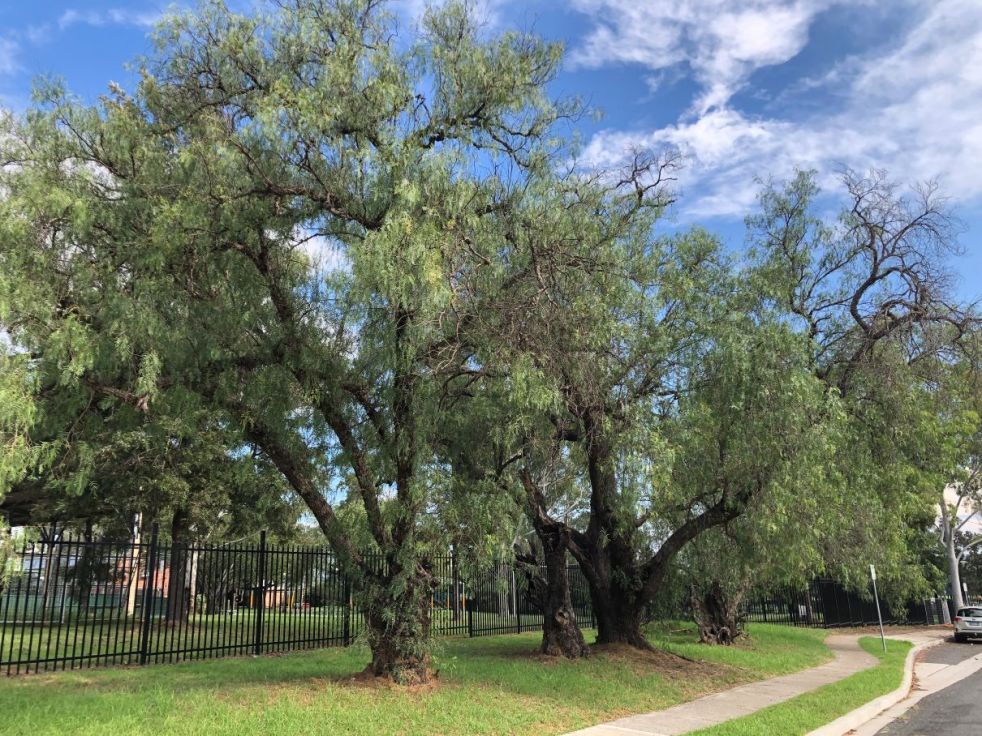
In the 1890s, Camden Municipal Council started beautifying the town area by planting various trees, including peppercorns. These cultural plantings defined the local urban landscape for decades, yet only a handful remain today.

1920s · 1930s · Architecture · Attachment to place · Built heritag · Business History · Collective Memory · Community Health · Cultural Heritage · Design · Edwardian · Film · Foresters Hall (former) · Heritage · History · Interwar · Leisure · Living History · Local History · Local Studies · Memory · Modernism · Movies · Narellan Military Camp · Placemaking · Second World War

The former Foresters’ Hall, a marvellous Edwardian building

In Camden NSW the former Foresters’ Hall occupies one of the most prominent sites in the Town Centre on Oxley Street and Argyle Street at 147 Argyle Street. On its opening in 1908, the hall was considered the best in New South Wales by the Order of Royal Foresters.

1920s · 1930s · 1932 · 20th century · Adaptive Re-use · Aesthetics · Architecture · Argyle Street · Attachment to place · Belonging · Built heritag · Business History · Camden Story · Camden Town Centre · Collective Memory · Colonial Camden · Community identity · Cultural Heritage · Cultural icon · Design · Economy · Governor Macquarie · Historical consciousness · History · Interwar · Local History · Local Studies · localism · Macarthur region · Mid-century modernism · Modernism · Place making · Placemaking · Sense of place · Storytelling · Streetscapes · Town planning · Uncategorized · Urban growth · Urban history · Urbanism

 The former Bank of New South Wales building in the country town of Camden

In central Camden is an empty bank building of understated significance at the intersection of John and Argyle Streets. This building was the premises of Westpac, formerly the Bank of New South Wales, and was the second banking chamber on that site. Constructed in the 1930s by a prominent firm of local builders and designed by one of Sydney’s top award-winning architects. It is a building of much architectural merit, and few know its history. 

1920s · 20th century · Anzac · Convalescent Home · Convalescent hospital · Cultural Heritage · First World War · Heritage · Medical history · Military history · Patriotism · Picton · Red Cross · Sense of place · Shell Shock · Storytelling · Uncategorized · VAD · Voluntary Aid Detachment · Volunteering · Volunteerism · War · War at home · Wartime · World War One

Waley Convalescent Home at Mowbray Park

In 1919 Mowbray Park, five kilometres west of Picton, was handed over to the Commonwealth Government to be converted to a convalescent home for invalided soldiers from the First World War. The home was called Waley after its philanthropic benefactors. 

1920s · Agricultural heritage · Agriculture · Agriculture history · Attachment to place · Belonging · Business · Business History · Camden · Camden Story · Cultural Heritage · Cultural plantings · Economy · Family history · Fergusons Australian Nurseries · Gardening · Heritage · History · Horticulture · Local History · Local Studies · Nepean River · Nursery · Place making · Placemaking · Plant Nursery · Retailing · rural-urban fringe · Sense of place · Storytelling · Sydney · Sydney's rural-urban fringe · The Great South Road · Uncategorized · Urban growth · Urban history · Urban Planning · urban sprawl · Urbanism

Ferguson’s Australian Nurseries on the urban fringe

The 20th-century story of Ferguson’s Australian Nurseries is about their location within Sydney’s rural-urban fringe.

1920s · Argyle Street · Artefacts · Attachment to place · Camden · Camden Story · Collective Memory · Cultural Heritage · Engineering Heritage · Engineering History · Heritage · Highways · History · Hume Highway · Infrastructure · Living History · Local History · Local Studies · Memorial · Memorials · Memory · Mileposts · Monuments · Place making · Public art · Re-enactments · Roads · Service utilities · Storytelling · Technology · The Great South Road · Tourism · Transport · transport history · Travel · Travellers · Utilities · Wayfinding

Mileposts captured the distance of the past

The white concrete mileposts in Camden, remnants of the Hume Highway, mark distances to destinations like Sydney and Mittagong. Originating from Roman times, these posts were part of a 1934 initiative to standardize road markers in NSW, aiding both travelers and road maintenance. They reflect Camden's cultural and engineering heritage.

1920s · Camden · Camden Council · Community identity · Cricket · Cultural Heritage · Entertainment · Football · Heritage · History · Leisure · Local History · Onslow Park · Parks · Place making · Recreation · Second World War · Sport · Storytelling · Uncategorized · War at home

Sunday sport banned in Camden

Camden has a fine tradition of sport and sporting events back into the 19th century. But one day in 1925 Camden’s civic leaders banned Sunday sport at Onslow Park.