1920s · Anzac · Architecture · Attachment to place · Belonging · Biography · Camden · Camden Cottage · Camden Story · Colonial Camden · Community identity · Cultural Heritage · Dairying · Dr West · Economy · Elderslie · Families · Family history · Farming · First World War · Gardening · Genealogy · Heritage · Historical consciousness · Historical Research · Historical thinking · History · History of a house · House history · Interwar · Landscape · Living History · Local History · Local newspapers · Local Studies · Memory · Military history · Myths · Place making · Placemaking · Ruralism · Sense of place · Settler colonialism · Social History · Storytelling · Voluntary Workers Association · War · War at home · welfare · World War One

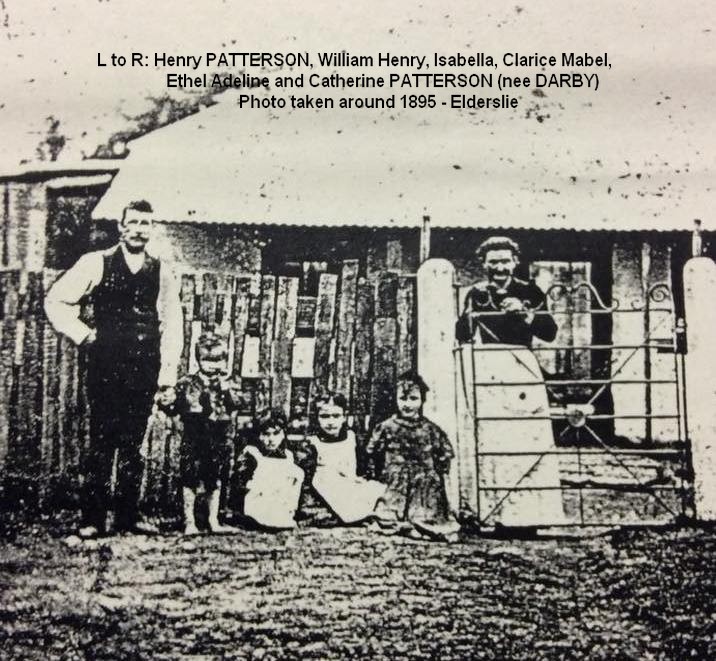
The Patterson family of Elderslie, the value of family histories

The story of the Patterson family of Elderslie NSW illustrates the value and importance of family history.

1920s · Aesthetics · Attachment to place · Belonging · Camden · Communications · Cultural Heritage · Cultural icon · Economy · Heritage · Historical consciousness · Historical Research · Historical thinking · History · Leisure · Living History · Local History · Local Studies · Lost Sydney · Memory · Modernism · Moveable Heritage · Narellan · Place making · Railway · Re-enactments · Ruralism · Sense of place · Stereotypes · Storytelling · Streetscapes · Tourism · Transport · Travel · Utilities

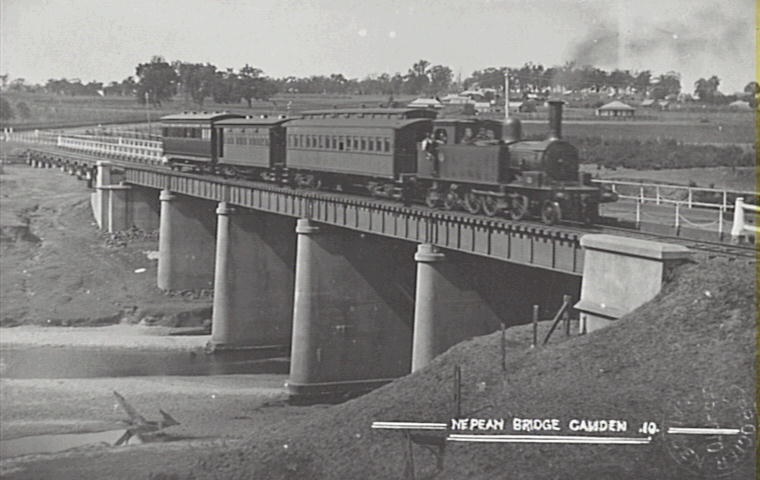
Pansy the Camden locomotive

The Camden train affectionately called Pansy is a distant memory that rekindles many memories and a nostalgia for the past.

1920s · Adaptive Re-use · Aesthetics · Architecture · Attachment to place · Belonging · Business · Camden · Colonial Camden · Colonialism · Community identity · Cultural Heritage · Cultural icon · Economy · Edwardian · Elderslie · Fashion · First World War · Heritage · Historical consciousness · Historical Research · History · Interwar · Lifestyle · Living History · Local History · Local Studies · Macarthur · Memory · Modernism · Myths · Narellan · Place making · Ruralism · Sense of place · Storytelling · Streetscapes · Tourism · Urban growth · Urban Planning · Urbanism · Victorian · War

The Camden cottage

The Camden cottage is an Edwardian housing style typical of the early 20th century.

1920s · Aesthetics · Agricultural heritage · Agriculture · Architecture · Attachment to place · Australia · Belonging · Burragorang Valley · Colonial frontier · Colonialism · Community identity · Cowpastures · Cultural Heritage · Cultural icon · Edwardian · Ghosts · Gothic · Governor Macquarie · Guesthouse · Heritage · Historical consciousness · Historical Research · Historical thinking · Hotels · Interwar · Landscape · Landscape aesthetics · Legends · Leisure · Living History · Local History · Local Studies · Macarthur · Memory · Mysteries · Myths · Place making · Ruralism · Sense of place · Settler colonialism · Storytelling · Tourism · Travel

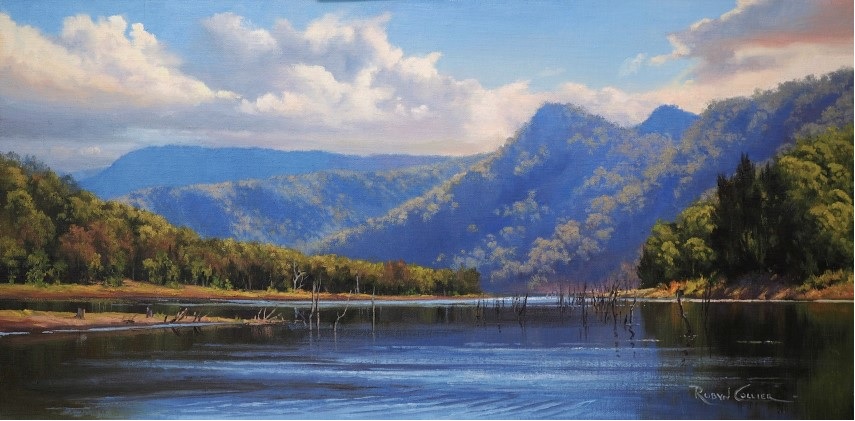
The Burragorang Valley, a lost Gothic fantasy

The Burragorang Valley is a lost Gothic fantasy where many people were attracted to the grandeur and beauty of the valley's landscape. Much of the valley's mystery has been lost under Lake Burragorang.

1920s · Adaptive Re-use · Aesthetics · Attachment to place · Belonging · Colonial frontier · Colonialism · Community identity · Cultural Heritage · Cultural icon · Edwardian · Farming · Georgian · Heritage · Historical consciousness · Historical Research · Historical thinking · History · Leisure · Lifestyle · Living History · Local History · Local Studies · Lost trades · Memory · Modernism · Monuments · Moveable Heritage · Movies · Myths · Place making · Retailing · Ruralism · Sense of place · Settler colonialism · Streetscapes · Theatre · Toowoomba · Tourism · Traditional Trades · Travel

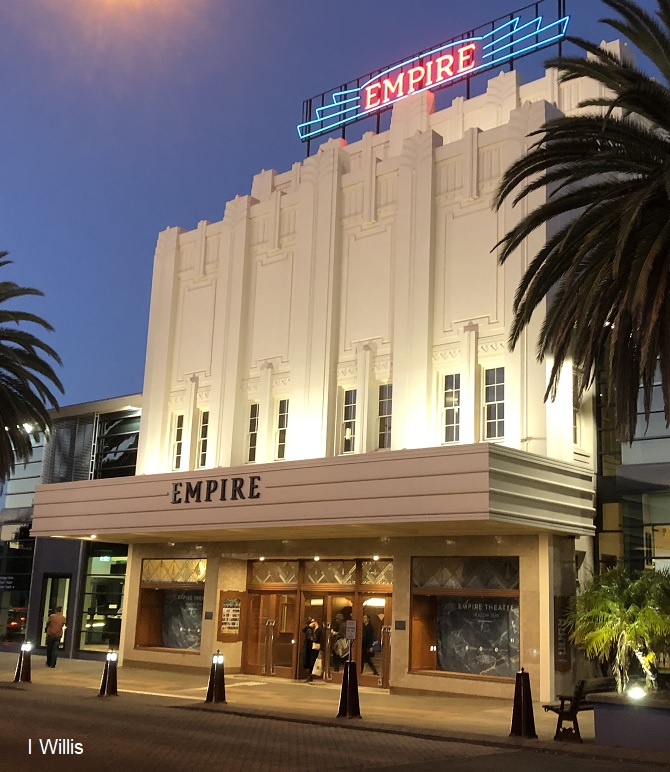
Living history in southern Queensland

Living history in southern Queensland in the regional centre of Toowoomba

1920s · Aesthetics · Anzac · Architecture · Art · Attachment to place · Australia · Belonging · Cafes · Camden · Camden Airfield · Camden Museum · Camden Show · Colonial Camden · Community identity · Convicts · Country Women's Association · Cultural Heritage · Cultural icon · CWA · Farming · First World War · Gender · Heritage · Historical consciousness · Historical Research · Historical thinking · History · Interwar · Lifestyle · Living History · Local History · Local newspapers · Local Studies · Macarthur · Memory · Modernism · Monuments · Movies · Narellan Military Camp · Place making · Railway · Restaurant · Retailing · Ruralism · Second World War · Sense of place · Tourism · Urban Planning · urban sprawl · Urbanism · War · War at home · Women's history

The Camden story, an evolving project

The Camden story, a continually evolving project that details some of the parts of the local story.

1920s · Aesthetics · Attachment to place · Belonging · Camden · Community identity · Cultural Heritage · Cultural icon · Dress history · Entertainment · Fashion · Heritage · Historical consciousness · History · Interwar · Leisure · Lifestyle · Local History · Local Studies · Memory · Modernism · Place making · Sense of place · Women's history

The Story Behind Mrs Wilson’s 1920s Black Dress

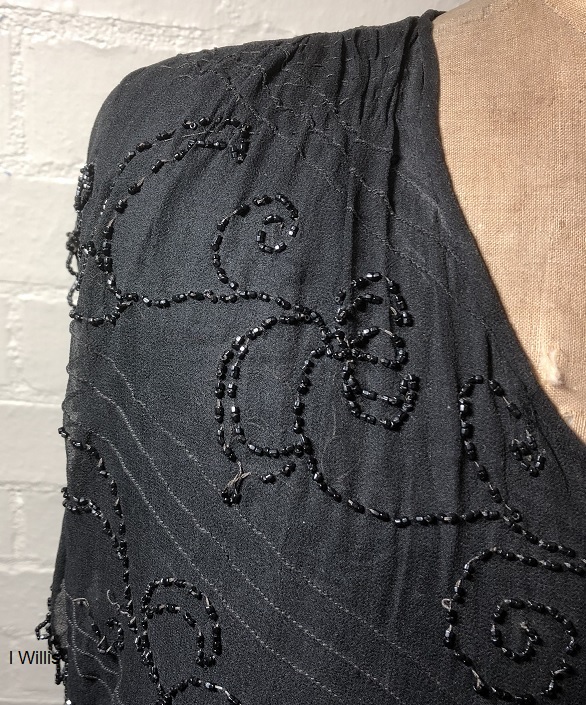
The little black dress from the 1920s, exhibited at Camden Museum, represents the era's fashion evolution and women's newfound freedom post-war. Owned by Mrs Mary Wilson, it features elegant georgette fabric and intricate beading. While it's uncertain if it was worn at the 1926 Camden District Hospital Ball, its design captures the period's chic aesthetic.

1920s · 1930s · Architecture · Art · Attachment to place · Business · Business History · Collective Memory · Communications · Community identity · Cultural Heritage · Entertainment · Fashion · Goulburn · Heritage · Historical consciousness · Historical Research · Historical thinking · History · Interwar · Local History · Local newspapers · Local Studies · Media History · Memory · Modernism · Newspapers · Place making · Placemaking · Sense of place · Storytelling · Tourism · Urban history · Victorian

Goulburn Evening Penny Post and its Art-Deco newspaper office and printery

In 1935 a moderne Art-Deco style office was opened for the Goulburn Evening Penny Post

1920s · 1930s · Advertising · Aesthetics · Architecture · Attachment to place · Built heritag · Business · Business History · Community identity · Country town · Cultural and Heritage Tourism · Cultural Heritage · Cultural icon · Design · Dungog · Economy · Fashion · Heritage · Historical consciousness · Historical Research · History · Hotel History · Hotels · Interwar · Lifestyle · Local History · Local Studies · Modernism · Place making · Placemaking · Royal Hotel Dungog · Sense of place · Storytelling · Urban growth · Urban history

Dungog’s Royal Hotel, an Art Deco Bush Pub

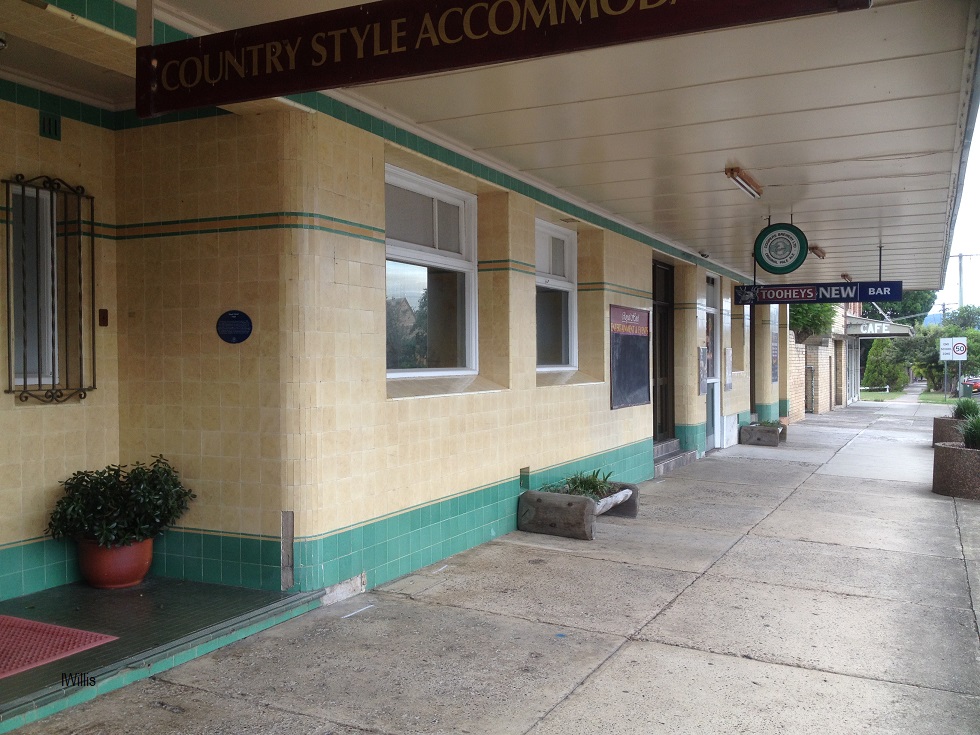
The Dungog Royal Hotel is an example of an Interwar Art Deco style hotel in an Australian country town

1920s · 1930s · Adaptive Re-use · Architecture · Attachment to place · Belonging · Built heritag · Communications · Community identity · Cultural Heritage · Design · Heritage · History · Industrial Heritage · Interwar · Local History · Local Studies · Memory · Modernism · Place making · Placemaking · Railway · Railway history · Sense of place · Social History · Storytelling · Transport · transport history · Urban history · Utilities

Civic Railway Station, revealing part of Newcastle modernism

Civic Railway Station, now closed, reveals some of the aesthetics of Newcastle modernism.