

The Camden district was historically significant, serving as a social and economic center for over a century. It integrated farming, mining, and community life, shaped by Aboriginal heritage and European settlement. However, modern developments and infrastructural changes led to its decline, transitioning to a regional identity tied to Macarthur area governance and branding.
Category: British colonialism


The Cowpastures Bicentennial, Governor Hunter and the Appin Massacre: the memory of the Cowpastures
I often wondered why the cultural material representative of the Cowpastures appeared to have been 'forgotten' by our community. The list of cultural items is quite an extensive include: roads and bridges, parks and reserves; historic sites, books, paintings, articles; conferences, seminars, and workshops; monuments, memorials and murals; community commemorations, celebrations and anniversaries.
Share this:

Share this:
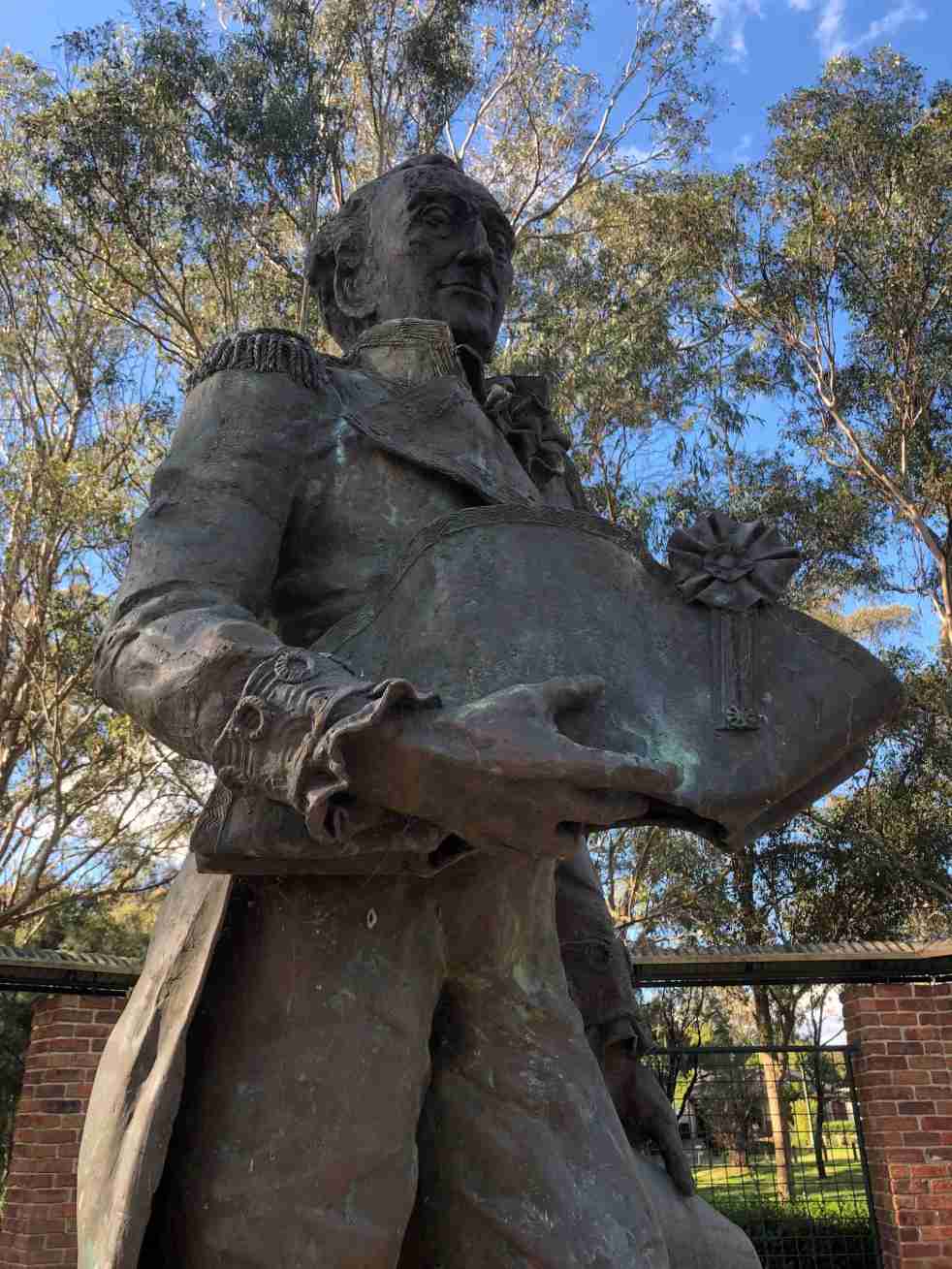
Governor Hunter, a Cowpastures memorial at Mount Annan
The statue of Governor Hunter in the Governors Green Park at Mount Annan is another celebration of the history of the Cowpastures.
Share this:

Share this:
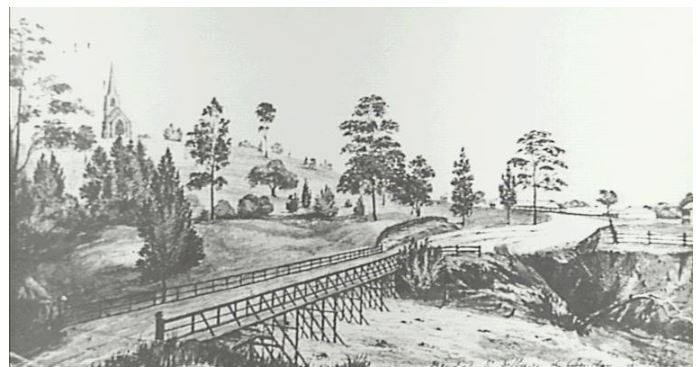
The Cowpastures’ English-styled-gentry and their private villages
A certain type of self-styled-English gentry created a landscape in their own vision in the Cowpastures.
Share this:

Share this:

Camden Rotary Pioneer Mural: public art, a mural, a memorial wall and a wishing well
The Camden Pioneer Mural is an example of public art. The Camden mural depicts the Camden story as interpreted in 1962 by ceramic artist Byram Mansell.
Share this:

Share this:
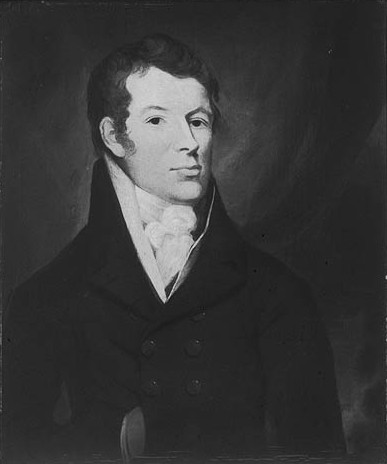
Local Newspapers and a Regional Setting in New South Wales
UOW historian Dr Ian Willis has recently published an article in Media History (UK) about the role of local newspapers in the creation of Macarthur regional identity and the mythology surrounding New South Wales colonial identity John Macarthur.
Share this:

Share this:

Camden Heritage Conservation Area – an English-style village in the Cowpastures
The Macarthur private village of Camden was located in the English style countryside of the Cowpastures countryside with its gentry estates and villages. Founded in 1840 it was all part the British imperial imperative and the settler colonial project that came with it.
Share this:

Share this:
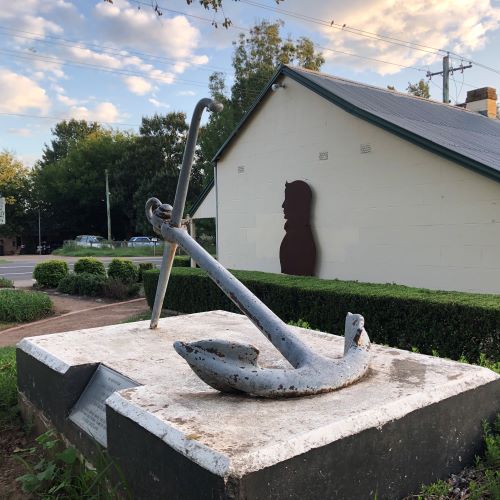
John Oxley’s anchor lost for 34 years
New evidence has emerged challenging previous conclusions about the John Oxley Memorial anchor in Camden. The anchor, a memorial from the British naval authorities, was lost for 34 years before being relocated for public access. John Oxley, an important colonial figure, has multiple commemorations in New South Wales related to his historical significance.
Share this:

Share this:

Going to London
Going to London was an experience for thousands of young single Australian born women in the 20th century.
Share this:

Share this:
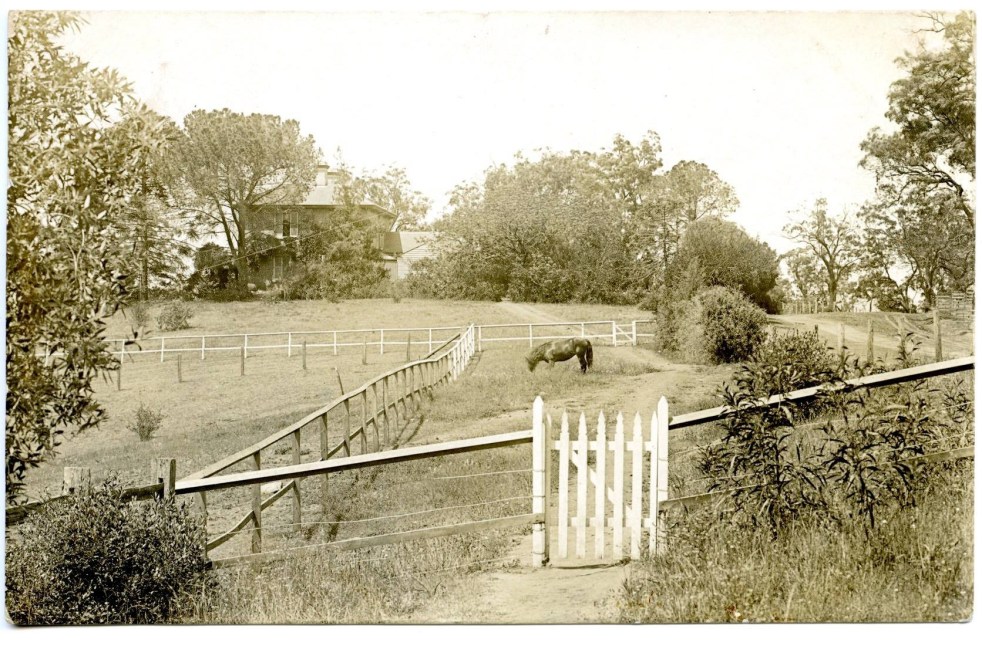
St John’s Church, a contested sacred site in the historic landscape of the Cowpastures
A contested sacred site in the historic landscape of the Cowpastures. St John's Church wants to sell a former horse paddock to fund a new worship centre against community opposition.

