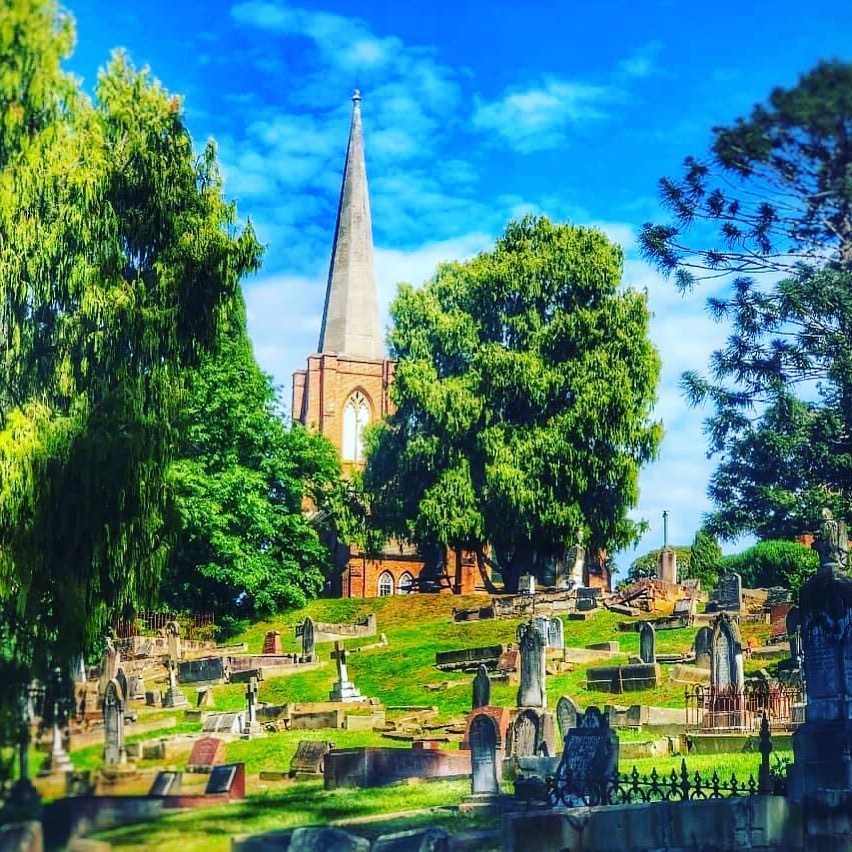
On the hill overlooking the Camden town centre is St Johns Church> It is a representation of the community's historic, moral and emotional heart, its sense of place, the town's soul.
Category: Camden Story

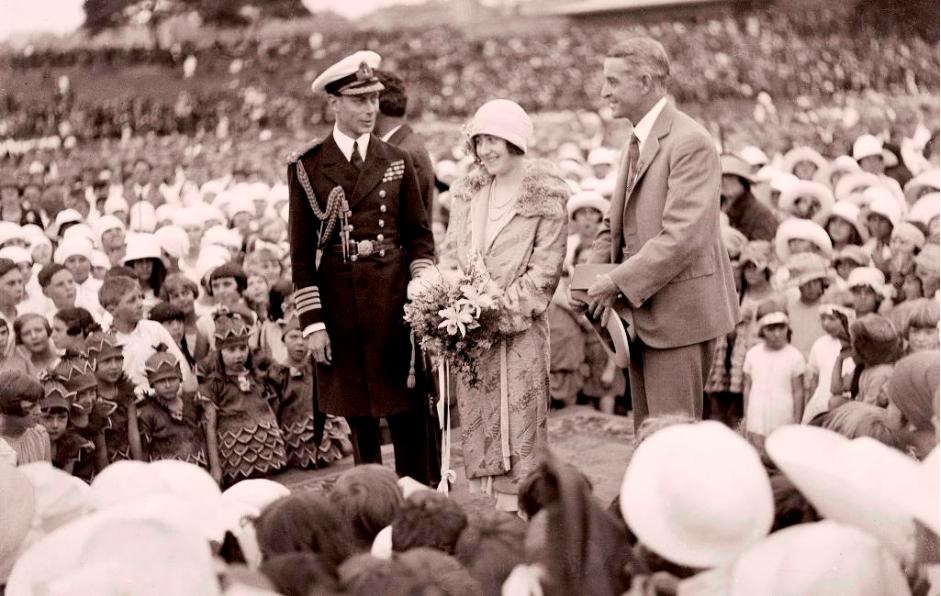
Menangle ‘Little England’ says Duchess of York
In 1927, the Duke and Duchess of York visited Menangle and Camden Park as part of their Australian royal tour. They were guests at the Camden Park house and enjoyed activities such as horse riding and attending the Camden Show. The visit received extensive coverage in newspapers across Australia, highlighting the English countryside-like environment.
Share this:

Share this:
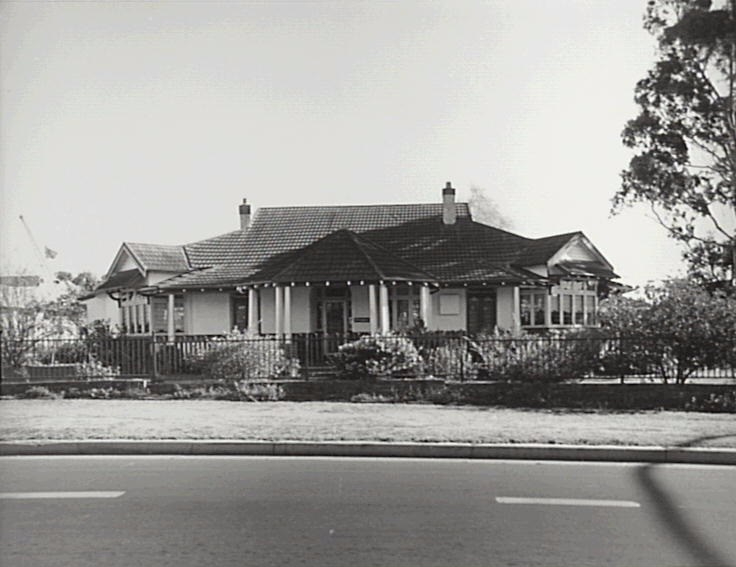
Ben Linden Narellan An Edwardian Gem
Ben Linden in Narellan is a notable Edwardian cottage representing early twentieth-century Australian architecture. The style emerged after the Federation of the Commonwealth of Australia in 1901, influenced by English Edwardian houses but tailored to suit local conditions. This housing style provides insight into the cultural heritage of Camden and the people who built and lived in these houses.
Share this:

Share this:
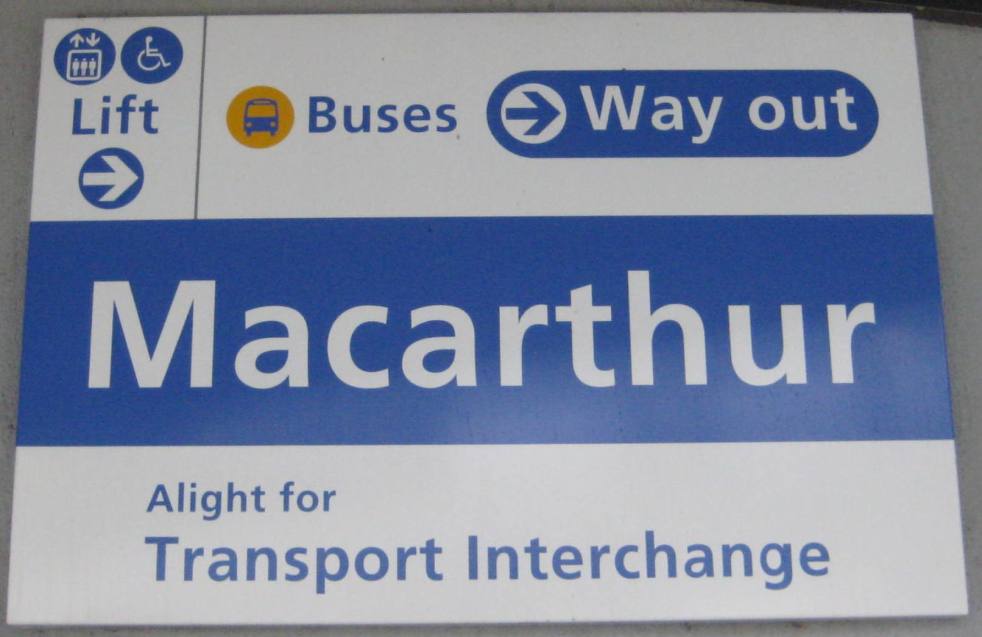
Westies, Bogans and Yobbos. What’s in a name?
The article explores regional identity in Sydney's Macarthur district, focusing on the communities of Campbelltown, Camden, and Picton. It discusses the strong local attachment to identity, which is challenged by perceptions of western Sydney as a cultural wasteland. Jeff McGill’s criticism of regional labeling sparked significant community response, revealing a conflict over identification and stereotypes. While Macarthur's regionalism reflects urban expansion, it struggles for acceptance amidst historical, cultural, and emotional ties that residents hold with their distinct localities.
Share this:

Share this:
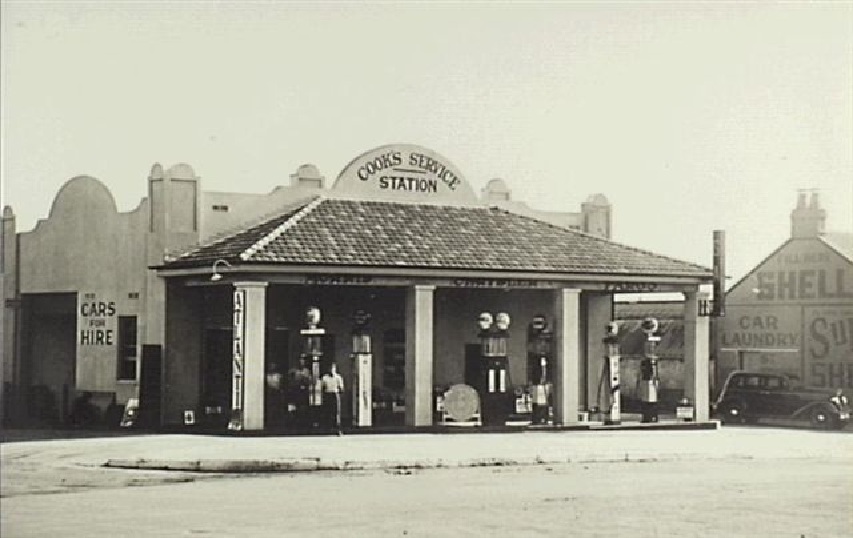
Interwar Camden, the heritage of a country town
During the interwar period, Camden experienced economic growth driven by dairy and coal industries. The town's population grew by over 35%, making it a vital commercial and administrative center. The Hume Highway and railway brought modern influences, leading to developments such as motor industry, cinemas, and the airfield. Camden has maintained its bucolic charm, but has also experienced urbanization pressure. The town centre has many buildings from the interwar period.
Share this:

Share this:
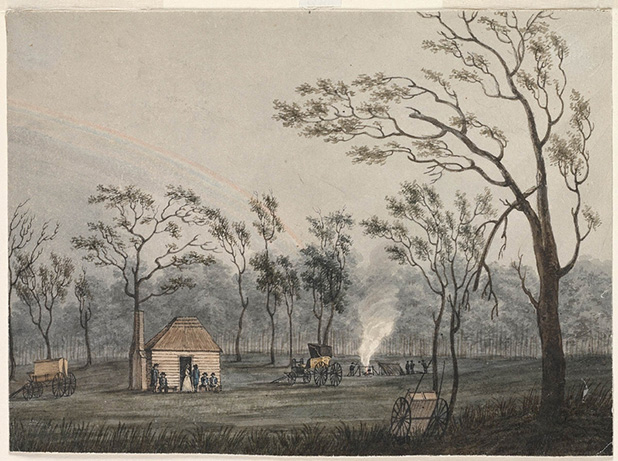
Viewing the Cowpastures landscape
The early colonists of the Sydney area viewed the landscape from a number of different perspectives according to historian Grace Karskins in her book The Colony a History of Early Sydney (2009) and this also applied to the Cowpastures.
Share this:

Share this:
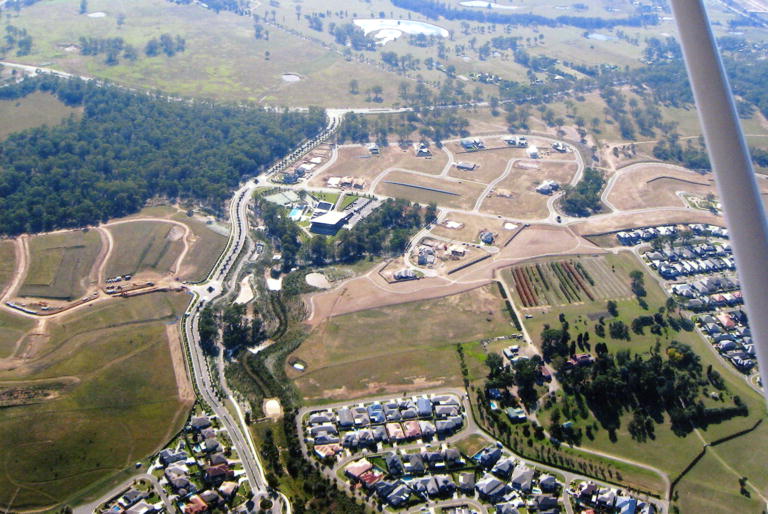
Sydney’s urban fringe: a transition zone of hope and loss
Sydney’s rural-urban fringe is a site of winners and losers. It is a landscape where dreams are fulfilled and memories are lost. The promises of land developers in master-planned suburban utopias meet the hope and expectations of newcomers.
Share this:

Share this:
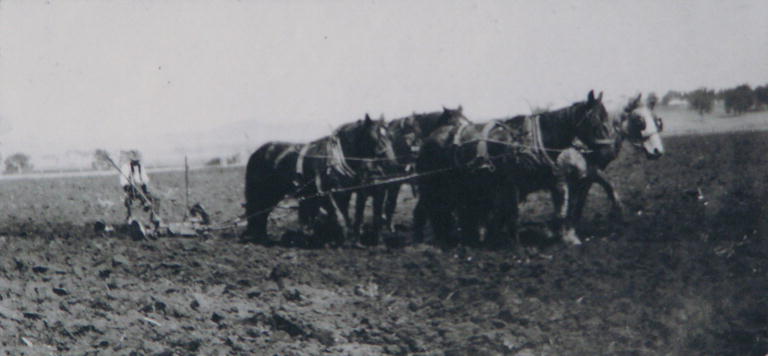
The Perkins family album of Cawdor
Photographs tell a story about the local area and represent a moment frozen in time. The Perkins family donated a family photograph album to the Camden Historical Society and it tells the story of the Cawdor area..
Share this:

Share this:
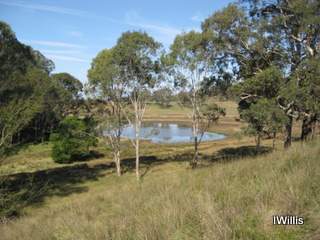
Governor Macquarie’s visit to the Cowpasture 1810
In November 1810, Governor Lachlan Macquarie (1762-1824) and Mrs Elizabeth Macquarie visited the Cowpastures. On that occasion, the Governor and Elizabeth Macarthur met the Dharawal people.
Share this:

Share this:
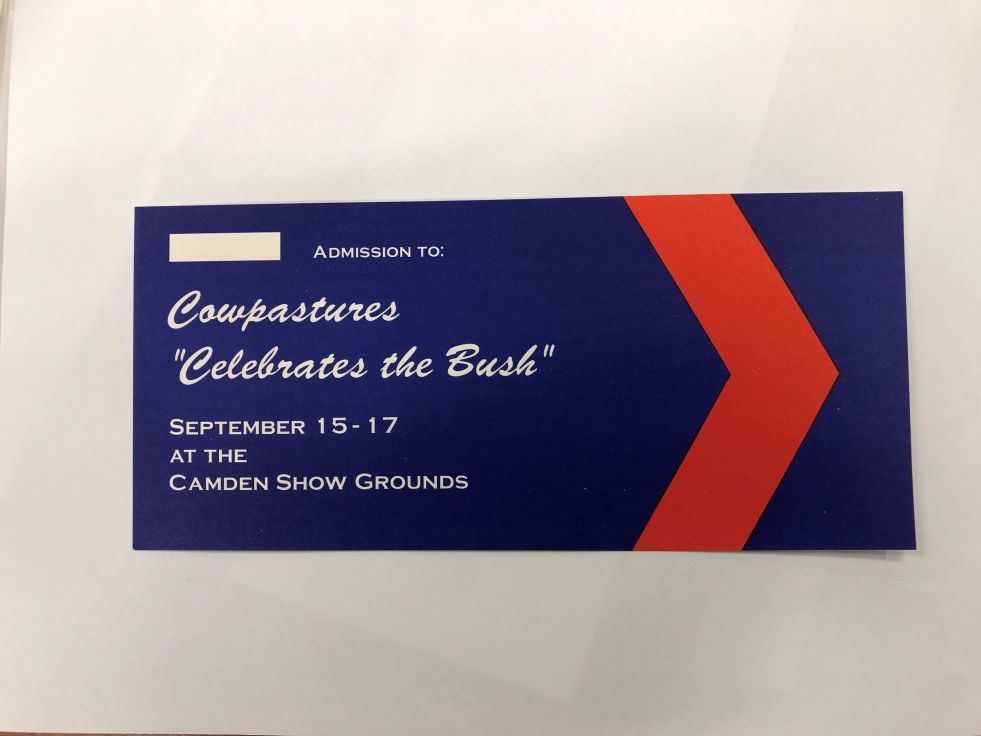
Cowpastures Bicentennial Celebrations 1995, the beginning of a settler society
Local festival In 1995, the Camden community held a 12-month programme of events to celebrate the bicentennial of the naming of the Cow Pastures by Governor Hunter in 1795 and the discovery of 61 head of wild cattle. The discovery of the cattle herd was an important event in the life of the fledgling colony… Continue reading Cowpastures Bicentennial Celebrations 1995, the beginning of a settler society

