
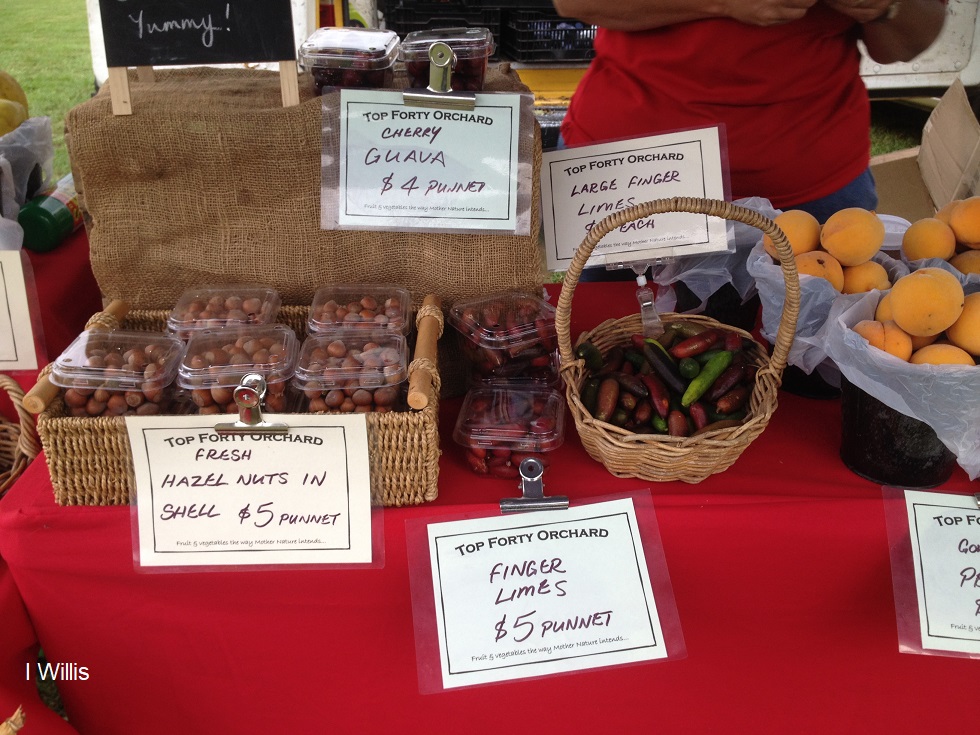
The Camden Produce Market and the Camden Community Garden are active sites of community engagement on land gifted to the Camden community by Llewella Davies.
Category: Camden Story

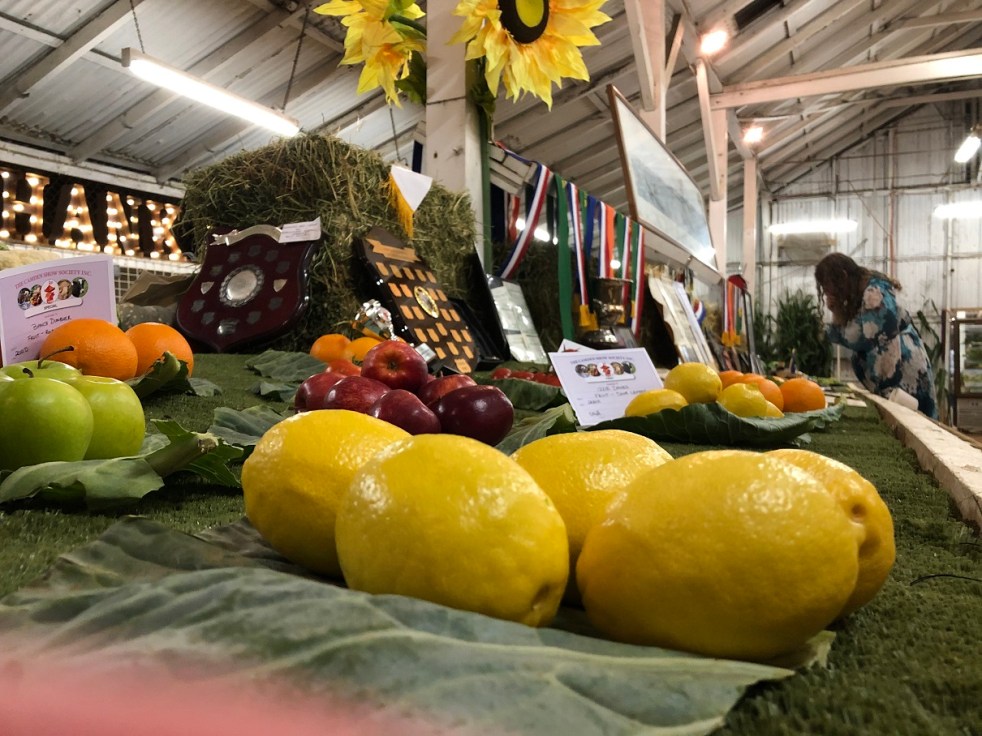
A country show comes to town
The 2018 Camden Show is the 132nd event of this festival celebrating local rural life. In 2019 over 40,000 attended the annual festival.
Share this:

Share this:
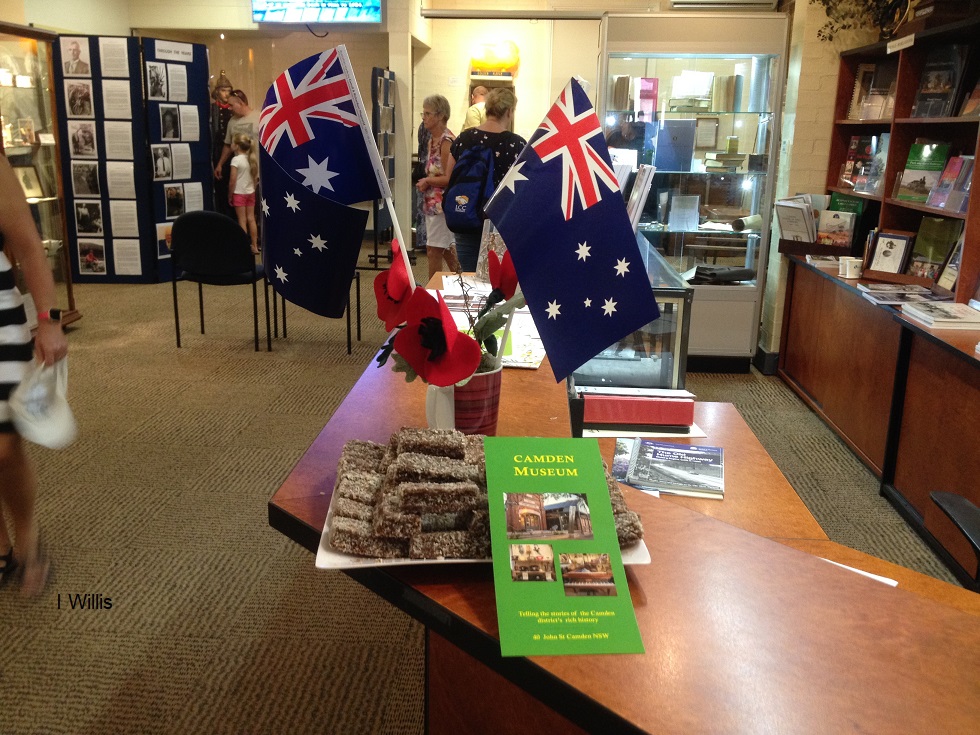
Australia Day 2018 in Camden
Australia Day 2018 in Camden drew large crowds to the town centre for the festival for the street parade.
Share this:

Share this:
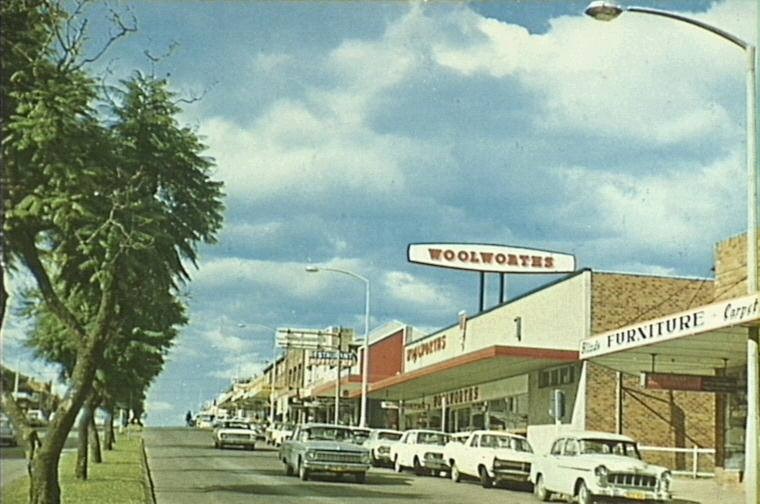
Supermarkets come to Camden, consumerism and modernism
Self-service supermarkets were one expression of consumerism and modernism in Camden NSW
Share this:

Share this:
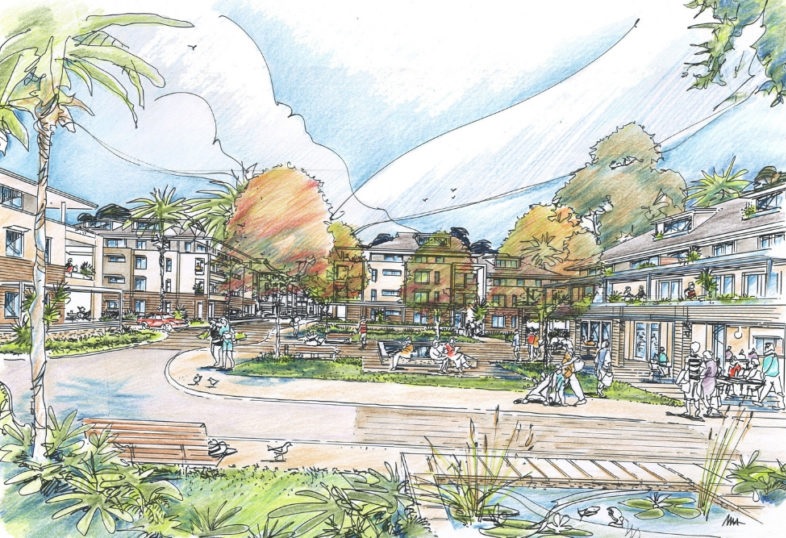
Former Camden High school site has a new retirement village development
The old Camden High site will be reborn as a retirement village
Share this:

Share this:

Camden Airfield and No 32 Squadron RAAF
The RAAF Base Camden at Camden Airfield was the home of 32 Squadron during the Second World War. The members of the squadron have developed a special relationship with the local community that has been marked by tragedy and celebrations.
Share this:

Share this:
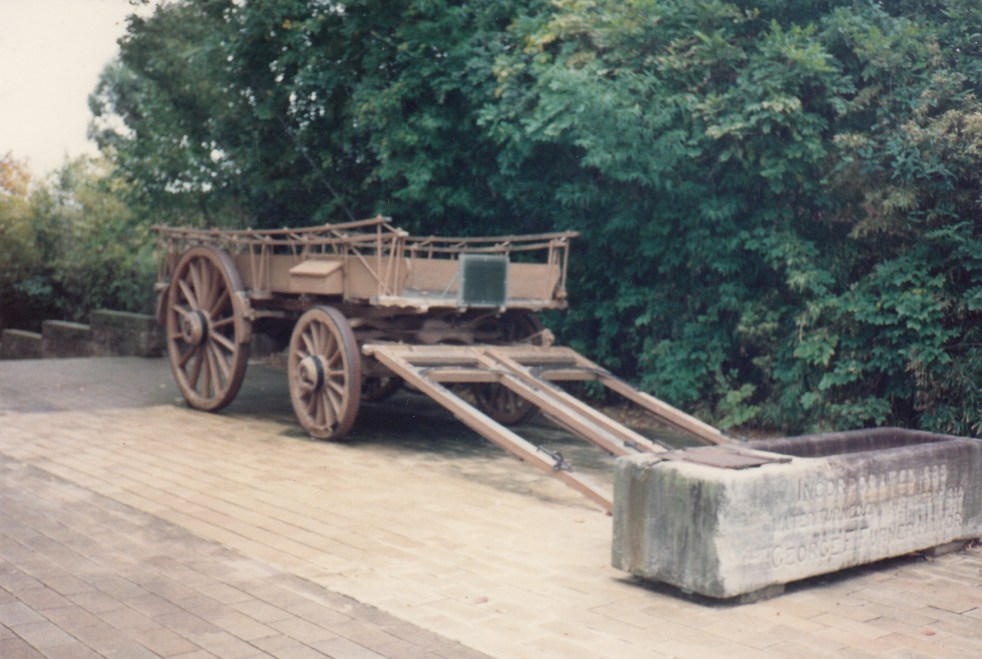
The Bennett wagon, a piece of transport history
The historic Bennett (Percival) Wagon is a cultural icon of a different time when horse and bullock teams were kings of the road.
Share this:

Share this:
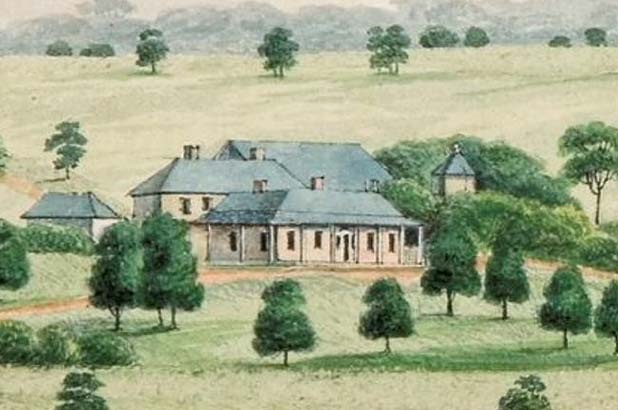
Elizabeth Farm, the foundation story of the Macarthur rural empire
Elizabeth Farm was the home of John and Elizabeth Macarthur for over 35 years, playing a central role in Australia's wool industry. Following years of neglect, it was transformed into a house museum in 1984. With extensive gardens and historical significance, it stands as one of the oldest surviving constructions in Australia.
Share this:

Share this:
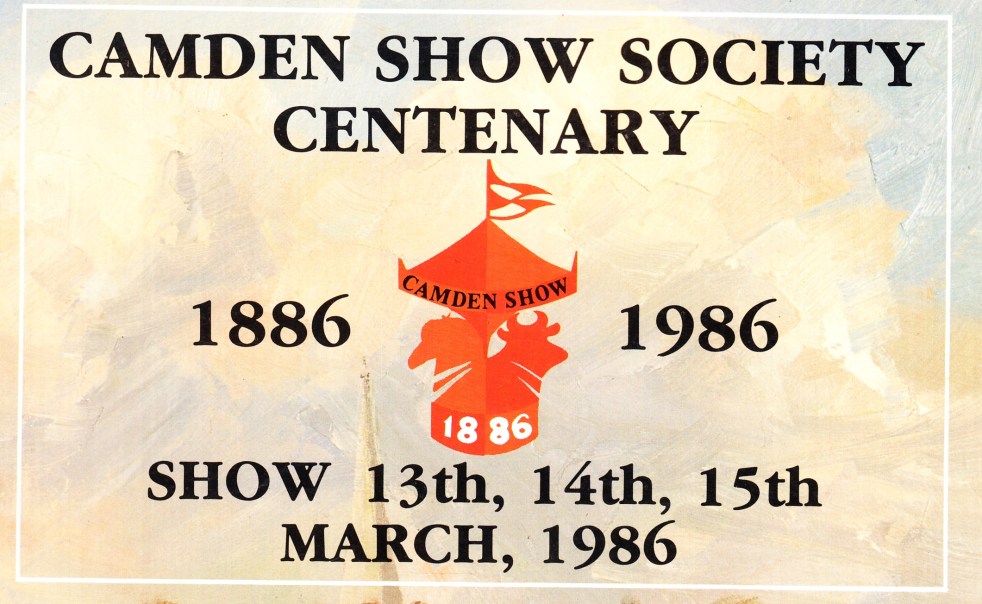
Showtime in Camden 2014
The annual festival of farming returns to the Camden Showground at the end of March again. The show has been the most crucial country festival in the district for over 100 years. In 2019 the show attracted over 40,000 visitors and was a huge success.
Share this:

Share this:
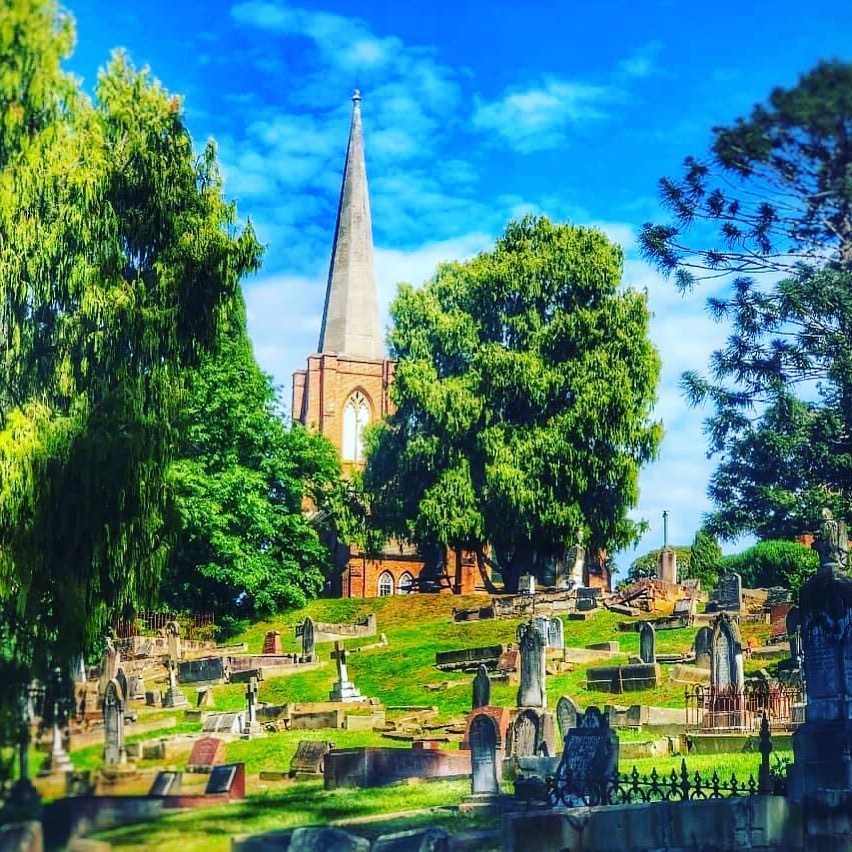
St John’s Church Camden, the soul of a country town
On the hill overlooking the Camden town centre is St Johns Church> It is a representation of the community's historic, moral and emotional heart, its sense of place, the town's soul.

