1920s · Aesthetics · Attachment to place · Belonging · Camden · Communications · Cultural Heritage · Cultural icon · Economy · Heritage · Historical consciousness · Historical Research · Historical thinking · History · Leisure · Living History · Local History · Local Studies · Lost Sydney · Memory · Modernism · Moveable Heritage · Narellan · Place making · Railway · Re-enactments · Ruralism · Sense of place · Stereotypes · Storytelling · Streetscapes · Tourism · Transport · Travel · Utilities

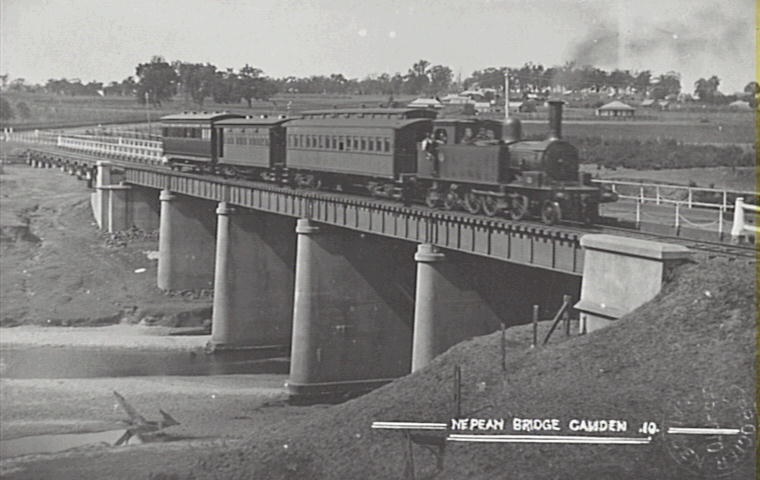
Pansy the Camden locomotive

The Camden train affectionately called Pansy is a distant memory that rekindles many memories and a nostalgia for the past.

Anzac · Attachment to place · Australia · Camden · Community identity · Cultural Heritage · Cultural icon · First World War · Heritage · Historical consciousness · Historical Research · Historical thinking · History · Living History · Local History · Local Studies · Macarthur · Memory · Myths · Place making · Red Cross · Second World War · Sense of place · Storytelling · War · War at home · Women's history · Women's Writing

How The War Workers’ Gazette Documented Civilian Contributions

The War Workers' Gazette, edited by Eleanor Mackinnon and Constance Sly in 1918, documents thousands of volunteers in New South Wales who supported the First World War. Initially a fundraiser, it serves as a vital historical resource despite shortcomings, capturing the organized civilian effort and preserving the names of participants for future generations.

Anzac · Attachment to place · Belonging · Camden · Camden Museum · Community Health · Community identity · Convalescent Home · Convalescent hospital · Cultural Heritage · Cultural icon · Edwardian · First World War · Gender · Heritage · Historical consciousness · Historical Research · History · Interwar · Lifestyle · Living History · Local History · Local Studies · Macarthur · Memory · Menangle Army Camp · Modernism · Moveable Heritage · Myths · Narellan Military Camp · Newspapers · Nursing · Philanthropy · Place making · Red Cross · Ruralism · Second World War · Sense of place · Stereotypes · Storytelling · Trust · Victorian · Volunteering · War · War at home · Women's diaries · Women's history · Women's Writing

Crisis relief in wartime and the peace

Crisis relief in wartime and the peace from the Camden and district Red Cross volunteers

Attachment to place · Belonging · Camden · Camden Story · Cobbitty · Community identity · Cultural Heritage · Emergency Services · Farming · Floods · Heritage · Historical consciousness · Historical Research · History · Landscape · Living History · Local History · Local Studies · Memory · Natural Disasters · Nepean River · Place making · Ruralism · Sense of place · Storytelling · Urban development · Urban growth · Urban history · Urban Planning · urban sprawl

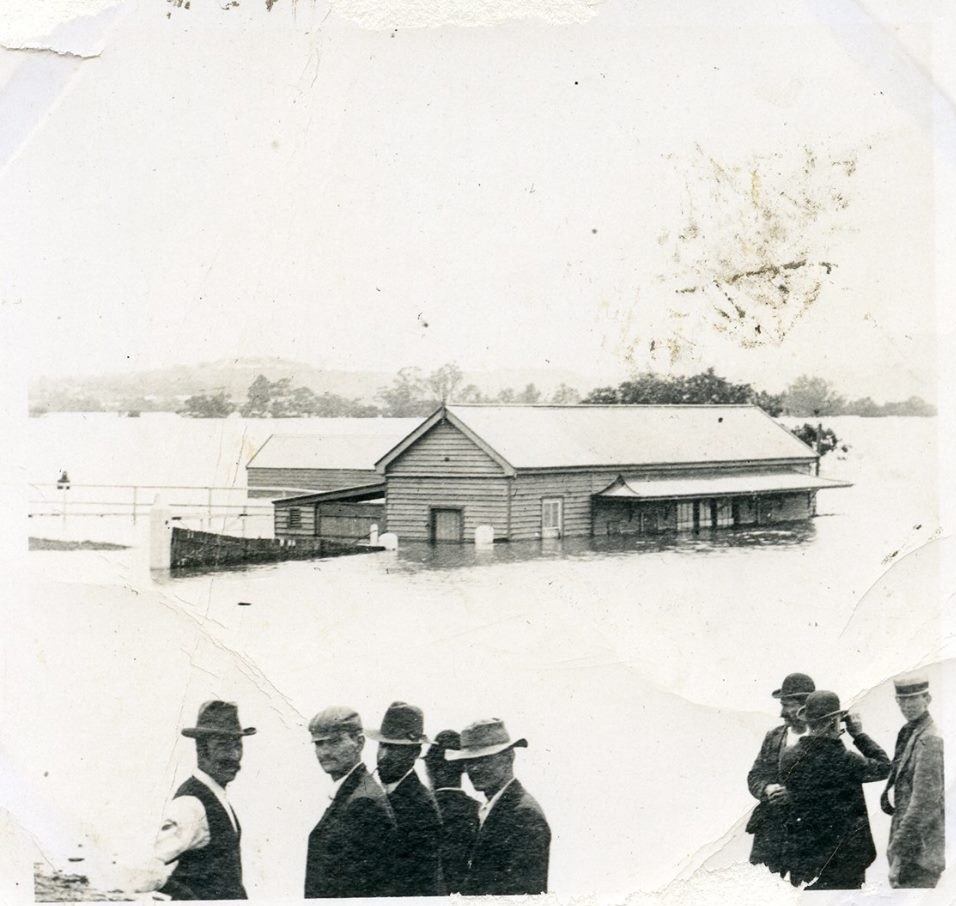
The hidden dangers of Camden’s bathtub effect

The Nepean River's 'bathtub effect' refers to the unique flooding impact created by the river's landform. The Hawkesbury-Nepean River's four gorges result in localized floodplains, causing a 'bathtub effect' during periods of high rainfall. These characteristics make the area susceptible to significant flood risk, impacting local communities.

Adaptive Re-use · Aesthetics · Architecture · Attachment to place · Belonging · Business · Camden · Camden Council · Camden District · Camden Heritage Conservation Area · Camden Regional Economic Taskforce · Camden Story · Camden Town Centre · Colonial Camden · Community identity · Cultural Heritage · Cultural icon · Edwardian · Fashion · Festivals · Film · Film Making · Gender · Heritage · Historical consciousness · Historical Research · Historical thinking · History · Interwar · Jacaranda · Job creation · Lifestyle · Living History · Local History · Local Studies · Media History · Memory · Modernism · Place making · Placemaking · Ruralism · Sense of place · Storytelling · Streetscapes · Tourism · Travel · Victorian

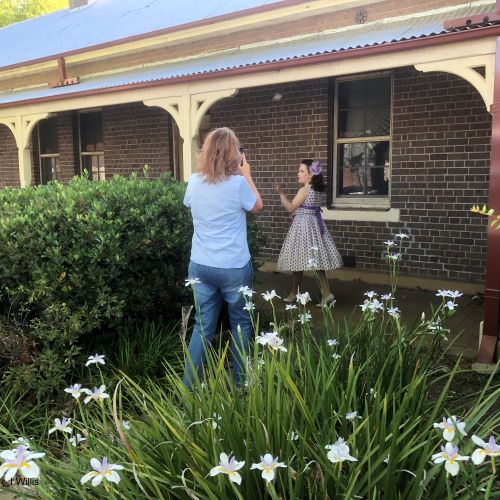
Making short films to promote the 2019 Camden Jacarada festival

A group of amateur filmmakers undertook a photoshoot in the Camden town centre to promote the 2019 Camden Jacaranda Festival.

1920s · Adaptive Re-use · Aesthetics · Architecture · Attachment to place · Belonging · Business · Camden · Colonial Camden · Colonialism · Community identity · Cultural Heritage · Cultural icon · Economy · Edwardian · Elderslie · Fashion · First World War · Heritage · Historical consciousness · Historical Research · History · Interwar · Lifestyle · Living History · Local History · Local Studies · Macarthur · Memory · Modernism · Myths · Narellan · Place making · Ruralism · Sense of place · Storytelling · Streetscapes · Tourism · Urban growth · Urban Planning · Urbanism · Victorian · War

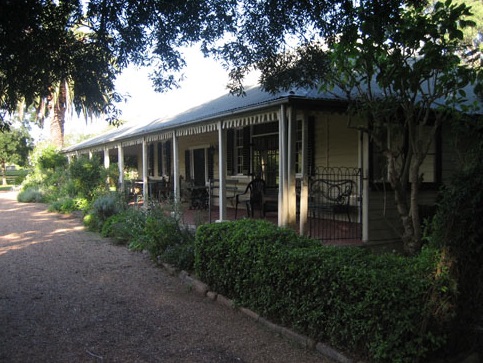
The Camden cottage

The Camden cottage is an Edwardian housing style typical of the early 20th century.

Adaptive Re-use · Aesthetics · Architecture · Art · Attachment to place · Belonging · Camden · Camden Show · Community identity · Cultural Heritage · Cultural icon · Economy · Farming · Festivals · Heritage · Historical consciousness · Historical Research · Historical thinking · History · Interwar · Leisure · Lifestyle · Living History · Local History · Local Studies · Macarthur · Memorials · Memory · Modernism · Monuments · Myths · Parks · Place making · Public art · Ruralism · Sense of place · Storytelling · Streetscapes · Theatre · Tourism · Urbanism · War

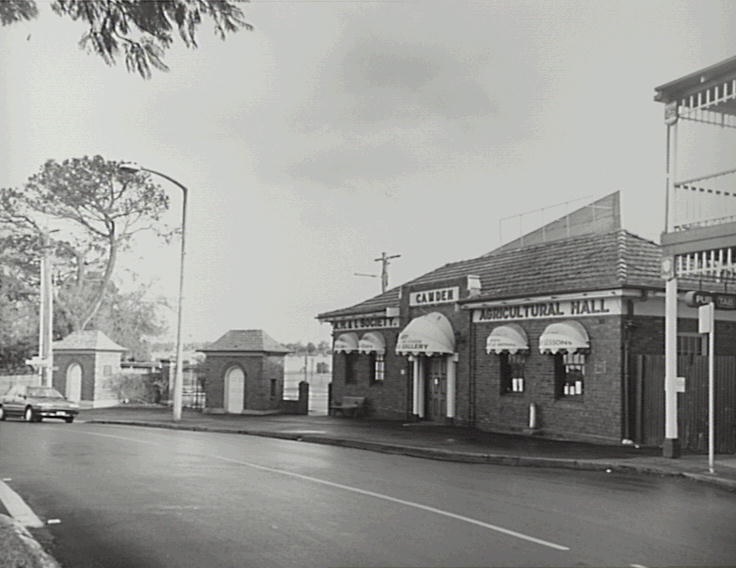
Aaron Bolot, a Sydney architect, and Camden’s Interwar heritage

Sydney architect Aaron Bolot designed the extension to the Camden agricultural hall. This building was one of many that were built in Camden during the Intewar period.

Aesthetics · Art · Attachment to place · Belonging · Camden · Colonial Camden · Colonial frontier · Colonialism · Community identity · Cowpastures · Cultural Heritage · Cultural icon · England · Farming · Floods · Frontier violence · Georgian · Gothic · Heritage · Historical consciousness · Historical Research · History · Landscape aesthetics · Living History · Local History · Local Studies · Macarthur · Memory · Myths · Place making · Ruralism · Sense of place · Settler colonialism · Storytelling

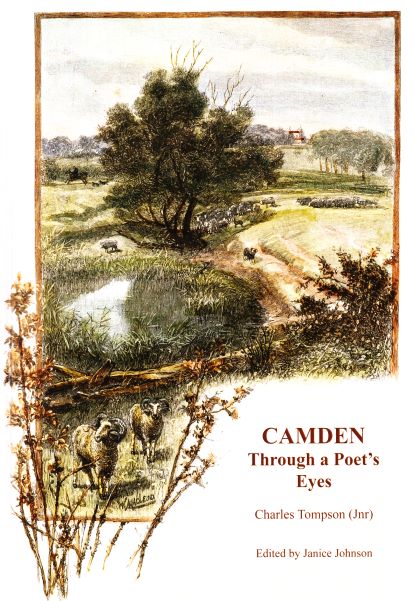
Charles Tompson, a colonial diarist of the Cowpastures

A colonial diarist of the Cowpastures, Charles Tompson.

1920s · Aesthetics · Anzac · Architecture · Art · Attachment to place · Australia · Belonging · Cafes · Camden · Camden Airfield · Camden Museum · Camden Show · Colonial Camden · Community identity · Convicts · Country Women's Association · Cultural Heritage · Cultural icon · CWA · Farming · First World War · Gender · Heritage · Historical consciousness · Historical Research · Historical thinking · History · Interwar · Lifestyle · Living History · Local History · Local newspapers · Local Studies · Macarthur · Memory · Modernism · Monuments · Movies · Narellan Military Camp · Place making · Railway · Restaurant · Retailing · Ruralism · Second World War · Sense of place · Tourism · Urban Planning · urban sprawl · Urbanism · War · War at home · Women's history

The Camden story, an evolving project

The Camden story, a continually evolving project that details some of the parts of the local story.

Aesthetics · Art · Attachment to place · Australia · Belonging · Camden · Camden Airfield · Camden Park House and Garden · Community identity · Cultural Heritage · Cultural icon · Denbigh · England · Entertainment · Farming · Fashion · Festivals · Gothic · Heritage · Historical consciousness · Historical Research · Historical thinking · History · Interwar · Landscape aesthetics · Leisure · Lifestyle · Living History · Local History · Local Studies · Macarthur · Memorials · Memory · Modernism · Monuments · Moveable Heritage · Movies · Myths · Place making · Public art · Re-enactments · Ruralism · Sense of place · Stereotypes · Streetscapes · Sydney · Sydney's rural-urban fringe · Technology · Theatre · Tourism · Travel · TV Series Shows · Victorian · Volunteerism · War

Movie making Camden style

Filmmakers have long been drawn to Camden's English countryside setting for movie backdrops. The area has hosted various films, including silent movie Silks and Saddles (1921), wartime drama The Rats of Tobruk (1944), series like A Place to Call Home (2012), and modern productions like Peter Rabbit (2018, 2020). It continues to attract filmmakers seeking a classic English aesthetic for their productions.