
19th Century · 20th century · Active citizenship · Agency · Artefacts · Blue Plaques · Business · Business History · Camden · Camden Modernism · Camden Story · Commemoration · Community identity · Craft · Crafts · Cultural icon · Dress history · Economy · Fashion · Fashion History · Handcraft · Heritage · History · History of a building · Industrial Heritage · Local History · Local Studies · Memorialisation · Nationalism · Place making · Placemaking · Red Cross · School of Arts · Second World War · Sense of place · Sewing · Sewing Machine · Social History · Stories · Storytelling · Volunteering · Volunteerism · War · War at home · Wartime · Women's agency · Women's stories · World War One · World War Two

Camden’s Treadle Sewing Machine: A Revolution in Women’s Agency

The Camden Museum's treadle sewing machine symbolizes the significant role of sewing in women's lives from the 19th century onwards. Sewing machines democratized work, enhancing womenโ€™s agency by saving time and allowing for business opportunities. Women contributed immensely to the war efforts through Red Cross circles, producing thousands of items during both World Wars.

1930s · Aesthetics · Agricultural heritage · Agriculture history · British Heritage · Camden Park Estate · Camden Park House and Garden · Camden Story · Canberra · Colonial garden · Commemoration · Cowpastures Gentry · Elizabeth Farm · Elizabeth Macarthur · Garden history · Gardening · Gender · Heritage · History · History of wool industry · Johm Macarthur · Landscape aesthetics · Living History · Macarthur family · Memorial · Memorialisation · Memorials · Memory · Nationalism · Philanthropy · Roses · Sibella Macarthur Onslow · Social History · Uncategorized · Volunteering · Volunteerism · Women's history · Women's stories

Canberra’s Macarthur Garden: a tribute to Australia’s wool pioneers and their contribution to the foundation of the nation

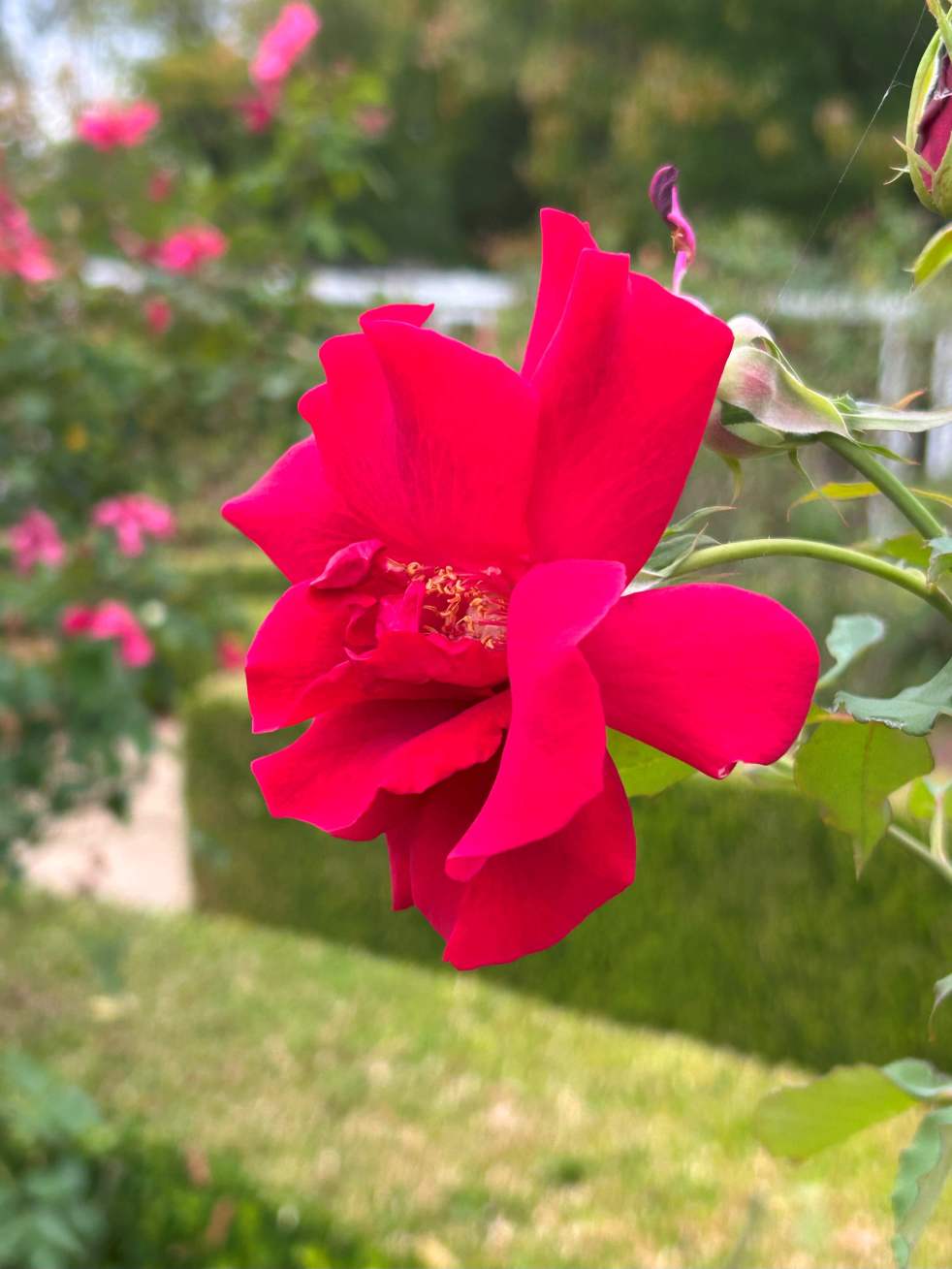
The Macarthur Rose Garden in Canberra commemorates John and Elizabeth Macarthur's pivotal role in Australia's fine wool industry. Donated by their great-granddaughter, Sibella Macarthur Onslow, the garden features roses symbolizing hope and gratitude. Established from 1937-1938, it reflects the connection between the Macarthurs and Australiaโ€™s early nationalism.

19th Century · 20th century · Aesthetics · Art · Artists · Artworks · Attachment to place · Burragorang Valley · Business History · Camden District · Commemoration · Cultural Heritage · Engineering Heritage · Engineering History · Local History · Local Studies · Memorials · Memory · Mining · Mining History · Monuments · Oran Park · Oran Park Raceway · Place making · Placemaking · Public art · Sense of place · Stories · Storytelling · Teamsters · Town planning · Transport · transport history · Uncategorized · Urban development · Urban growth · Urban history · Urban Planning · urban sprawl · Urbanism

Exploring the ‘Infinity Tracks’ Art Installation in Oran Park

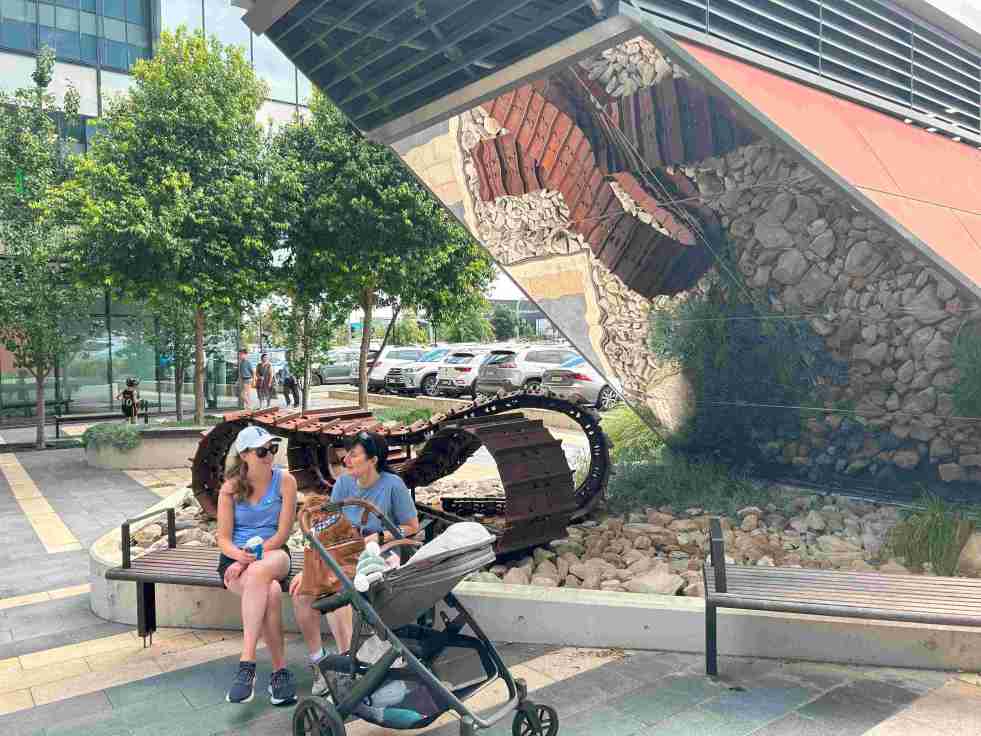
The 'Infinity Tracks' art installation in Oran Park honors the region's heavy haulage industry, highlighting the historical impact of the transport industry and Oran Park Town urban development. Commissioned in 2020 by Greenfields Development Co and TRN House, it enhances the forecourt's aesthetic while reflecting the area's economic growth and employment contributions from the haulage sector and urban development.

Adaptive Re-use · Adaptive Reuse · Aesthetics · Agricultural heritage · Agricultural modernism · Agriculture · Agriculture history · Architecture · Artists · Belgenny Farm · Camden Park Estate · Camden Story · Carpentry · Colonial Camden · Colonialism · Commemoration · Cowpastures · Cowpastures Estates · Cowpastures Gentry · Crafts · Cultural Heritage · Dairying · Elizabeth Macarthur · Entertainment · Farming · History of a building · Landscape · Landscape aesthetics · Living History · Local History · Local Studies · Macarthur · Macarthur family · Memorial · Monuments · Nationalism · Place making · Placemaking · Ruralism · Sense of place · Settler Society · Small town · Stories · Storytelling · Traditional Trades · Village

Back to Belgenny 2024, a festival of living history

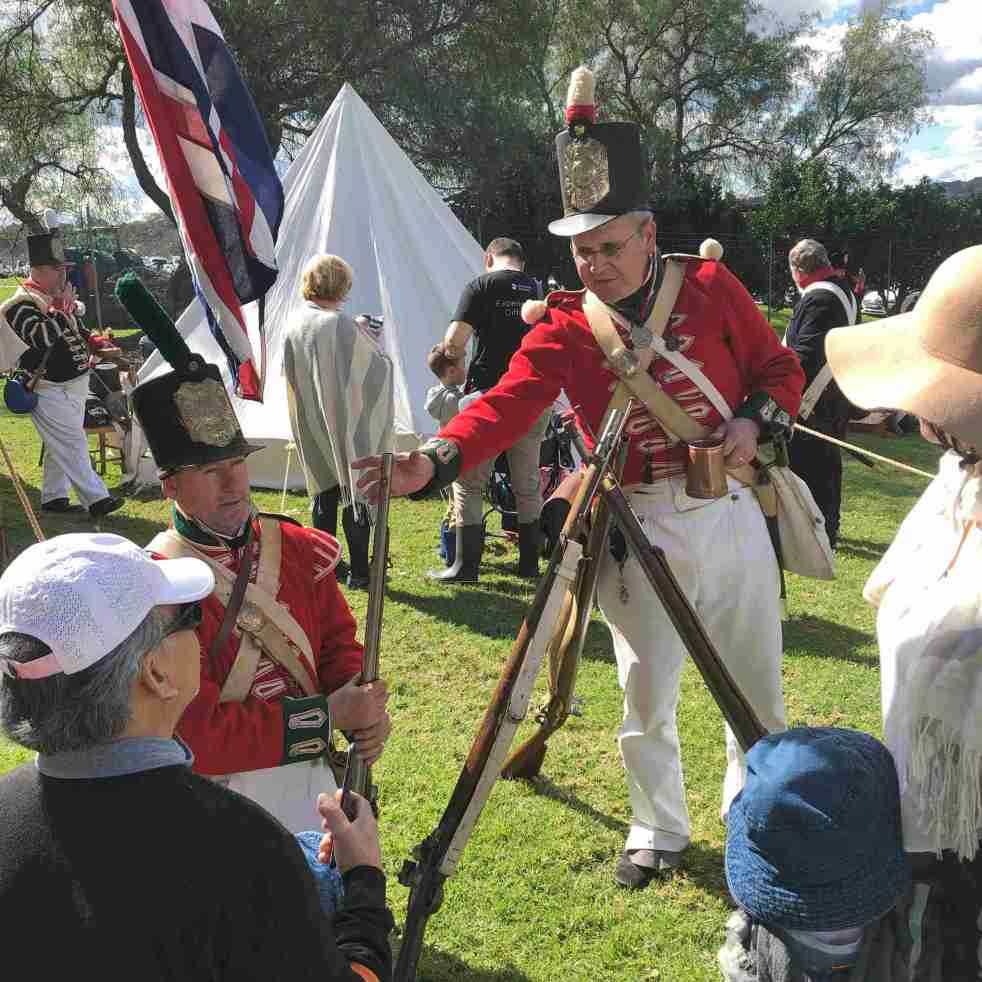
The 2024 Back to Belgenny festival at Belgenny Farm in South Camden showcased living history with reenactments, traditional trades, and stalls selling arts and crafts of the past. Activities included sheepdog trials, live music, vintage cars, and guided history tours of the site. The farm represents the settler society through the generations of the Macarthur family and their workers.

20th century · Agricultural heritage · Agriculture history · Art · Attachment to place · Camden · Camden District · Camden Show · Camden Story · Church History · Collective Memory · Commemoration · Community · Community celebrations · Community Health · Community identity · Community organisations · Community work · Cultural Heritage · Disasters · Engineering Heritage · Engineering History · Families · Family history · Farming · Festivals · Floods · Folklore · Genealogy · Health History · Heritage · Historian · Historical consciousness · Historical Research · Historical source · Historical thinking · History of a house · History of Emotion · Hotel History · House history · Housing · Landscape · Landscape aesthetics · Legends · Living History · Local History · Local Studies · Macarthur region · Memorial · Memorialisation · Memorials · Monuments · Myths · Paintings · Photographs · Photography · Pictures · Placemaking · References · Small communities · Small town · Social History · Stereotypes · Stories · Storytelling · Urban growth · Women's agency · Women's art · Women's history · Women's stories

Exploring Historical Themes: Pictorial History Camden & District Presentation Summary

This presentation examined the role of the historian and researcher and presented the importance of history and the role of a historian. Dr Ian Willis discussed the significance of historical consciousness and collective memory, emphasising the role of a historian as a researcher, analyst, interpreter, and storyteller. The presentation also highlighted "Pictorial History Camden & District," a book by Kingsclear Books, and covered aspects such as structure, select bibliography, index of names, and district maps. Additionally, various related sources and themes, such as the Whiteman and Macarthur families, were explored. The presentation concluded with suggestions for experiencing the past through community festivals, local studies, and living libraries.

Architecture · Art · Built heritag · Commemoration · Cultural Heritage · Garden Palace · Heritage · History · Industrial Heritage · Lost Sydney · Memorialisation · Memorials · Memory · Pageant · Place making · Placemaking · Sense of place · Settler colonialism · Sydney International Exhibition · Uncategorized · Urban growth · Urban history · Victorian

Garden Palace, showing the wonders of the age

In 1882, a massive fire at Macquarie Street, Sydney, destroyed the Garden Palace and valuable contents, causing significant loss of records and artefacts. The origin of the fire remains a mystery. The Palace was originally built for the Sydney International Exhibition in 1879.

1973 New Cities Campbelltown Camden Appin Structure Plan · 20th century · Attachment to place · Built heritag · Camden Council · Camden District · Camden Heritage Conservation Area · Camden Museum · Camden Show · Camden Story · Camden Town Farm · Church History · Churches · Collective Memory · Colonial Camden · Commemoration · Community identity · Country town · Country town idyll · Cultural and Heritage Tourism · Cultural Heritage · Elizabeth Macarthur · Folklore · Hope and loss · Landscape · Legends · Local History · Local newspapers · Local Studies · Lost Camden · Memorial · Memory · Monuments · Place making · Placemaking · rural-urban fringe · Ruralism · Sense of place · Settler Society · Social History · Stereotypes · Stories · Storytelling · Sydney's rural-urban fringe · Tourism · Town planning · Uncategorized · Urban development · Urban growth · Urban history · Urban Planning · urban sprawl · Urbanism

Yearning, Longing and The Remaking of Camdenโ€™s Identity: the myths and reality of โ€˜a country town idyllโ€™.

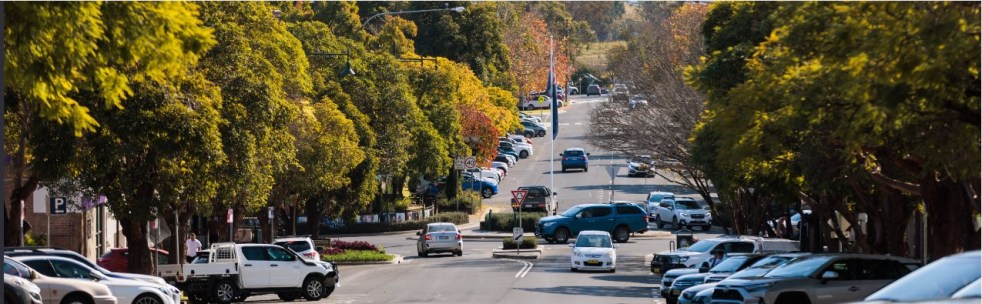
This article discusses the concept of a "country town idyll" in Camden, an idealised version of a country town from an imagined past that uses history to construct imagery based on Camden's heritage buildings and other material fabrics. The paper delves into the origins of the idyll, examines its development, and investigates its validity in its contemporary context. It shows how its supporters have used history as a community asset to remake Camden's identity and explore how the 'country town idyll' has been used variously as a political weapon, a marketing tool, and a tourist promotion.

Art · Artists · Belonging · Commemoration · Community identity · Cultural Heritage · Local Studies · Memorial · Memorialisation · Memorials · Monuments · Mural artwork · Narellan · Narellan Library · Placemaking · Public art · Sense of place · Storytelling · Street Art · Uncategorized · Urban development · Urban Planning · Urbanism

Narellan Library Murals, a wall of public art

There are two colourful mural artworks along the Queen Street frontage of Narellan Library. These artworks were commissioned by Camden Council in 2017 as a collaboration between mural artist Mandy Salter and the area's young artists as part of a Youth Participation Public Art Project.

1920s · 1930s · 1973 New Cities Campbelltown Camden Appin Structure Plan · 20th century · Agriculture history · Attachment to place · Belonging · Camden Council · Camden Council Heritage Advisory Committee · Camden Mayor · Camden Museum · Camden Produce Market · Camden Story · Camden Town Centre · Camden Town Farm · Colonialism · Commemoration · Country town · Cowpastures · Cultural and Heritage Tourism · Cultural Heritage · Entertainment · Festivals · Food · Heritage · History · Interwar · Living History · Local History · Local Studies · Macarthur · Memorialisation · Place making · Ruralism · Sense of place · Social History · Storytelling · Symbolism · Tourism · Unlock Camden · Urban history

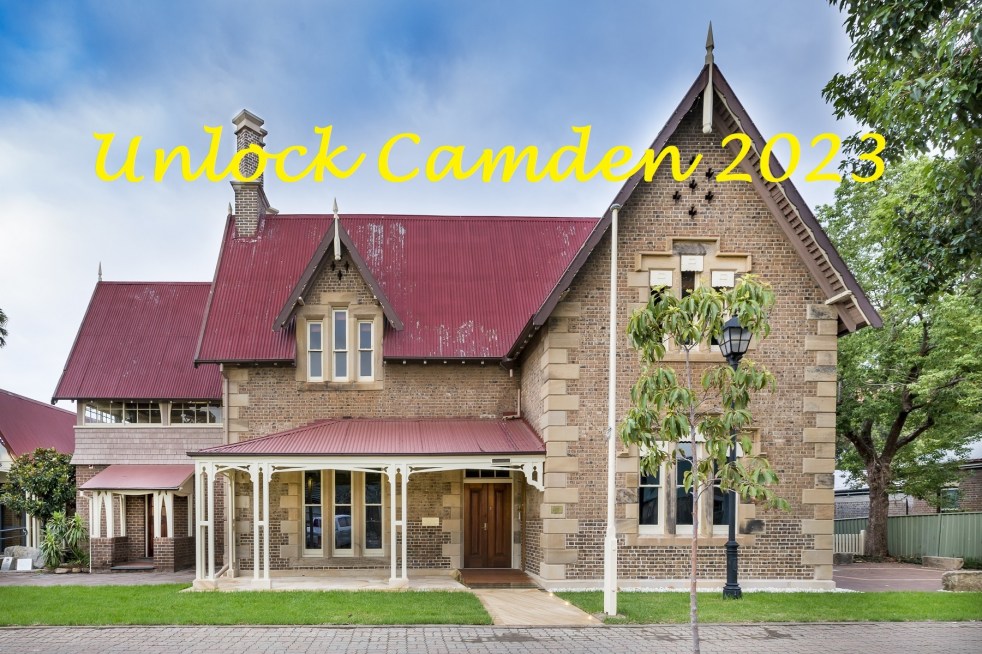
Unlock Camden 2023, a festival celebrating our past

Unlock Camden is a history festival that celebrates the Camden story through walks, art, images, stories, and a host of other activities. Events are centred in historic the John Street precinct around the Alan Baker Art Gallery Macaria.

1920s · 1930s · 1932 · 20th century · Aesthetics · Bridges · Collective Memory · Commemoration · Community identity · Cultural and Heritage Tourism · Cultural Heritage · Engineering Heritage · Engineering History · Entertainment · Film · Heritage · History · Industrial Heritage · Interwar · JE Bradfield Engineer · Living History · Memory · Modernism · Monuments · Place making · Political history · Sense of place · Storytelling · Sydney · Sydney Harbour Bridge · Tourism · Transport · transport history · Uncategorized · Urban development · Urban growth · Urban history

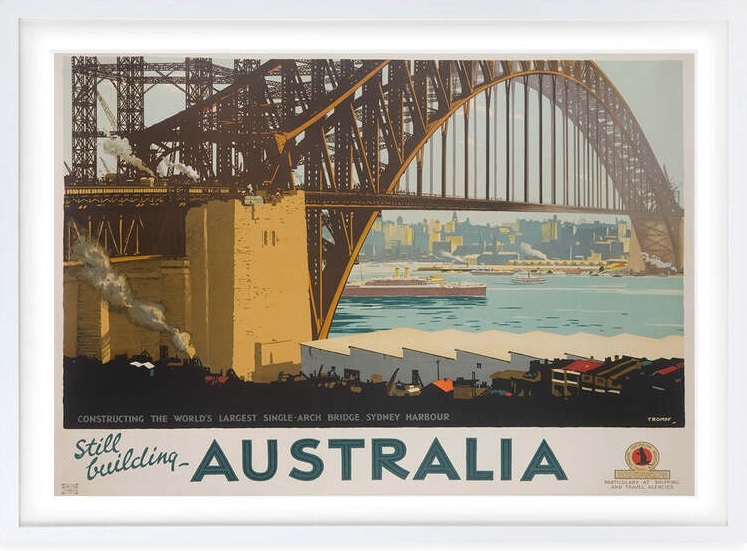
The Sydney Harbour Bridge, an engineering marvel

The Sydney Harbour Bridge is an icon on the Sydney urban landscape. The bridge is an engineering marvel of modernism and the early 20th hope of a new nation.