Artworks · Belonging · Camden Story · Camden Walking Trails · Cowpasture walking trails · Cowpastures · Cowpastures district · Cowpastures Region · Heritage · History · Indigenous Heritage · Landscape · Landscape aesthetics · Living History · Local History · Nostalgia · Peri-urban region · Place making · Placemaking · Settler Society · Stories · Storytelling · The Cowpasture walking trails · Tourism · Urban development · Urban Planning · Walking trails

Top Walking Trails in Camden: Experience Walking the Cowpastures

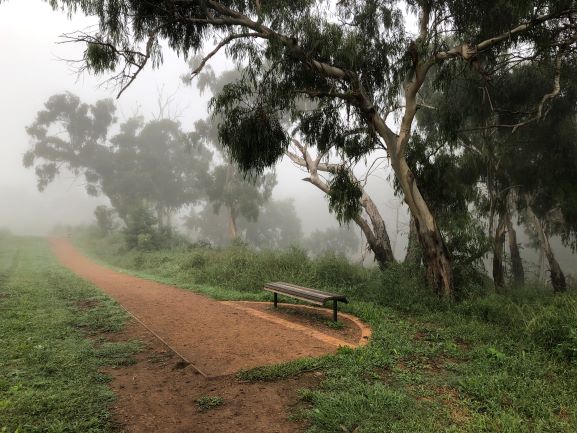
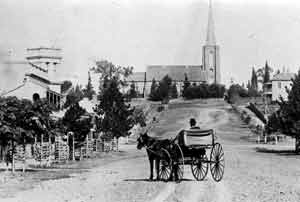
Camden township, located in the historical Cow Pastures, features walking and cycling paths that reflect its Indigenous and colonial history. The Nepean River Trail, integrating various public artworks, enhances the area's historic character, while memorial walkways pay tribute to Australian service members. It's a site for both recreation and cultural immersion.

1920s · Adaptive Re-use · Aesthetics · Architecture · Attachment to place · Belonging · Business · Camden · Camden Museum · Camden Park House and Garden · Colonial Camden · Communications · Community identity · Cowpastures · Cultural Heritage · Cultural icon · Economy · Entertainment · Family history · Fashion · Festivals · Genealogy · Heritage · Historical consciousness · Historical Research · Historical thinking · History · History of a house · History theory and practice · House history · Job creation · Lifestyle · Living History · Local History · Local Studies · Macarthur · Media · Menangle · Military history · Modernism · NSW History K-10 Syllabus · Place making · Ruralism · Sense of place · Settler colonialism · Stereotypes · Storytelling · Streetscapes · Sydney's rural-urban fringe · Tourism · Travel · Urban growth · Urban Planning · urban sprawl · Volunteering · Volunteerism · Women's history

Understanding the Camden Story: History, Community, and Identity

The Camden story encapsulates the rich tapestry of tales and histories that define the Camden community, including dreamtime legends and settler accounts. It offers insight into the community's values, identity, and resilience, serving as both a historical narrative and a tool for local businesses, fostering deeper connections among residents.

19th Century · 20th century · Aesthetics · Architectural History · Architecture · Art · Artists · Artworks · Book · Built Heritage · Colonial Architecture · Colonial Australia · Colonial Camden · Colonial frontier · Colonial garden · Community identity · Cowpastures · Cowpastures district · Cowpastures Gentry · Cowpastures Region · Cultural Heritage · Gardening · Georgian · Heritage · History · House history · Housing styles · Interwar · Landscape aesthetics · Local History · Local Studies · Narellan Built Heritage · Place making · Placemaking · Regionalism · Residential Housing Style · Sense of place · Settler colonialism · Settler Society · Storytelling · Uncategorized · Victorian · William Hardy Wilson

Unveiling Hardy Wilson’s architectural legacy and his influence on Camden’s aesthetics

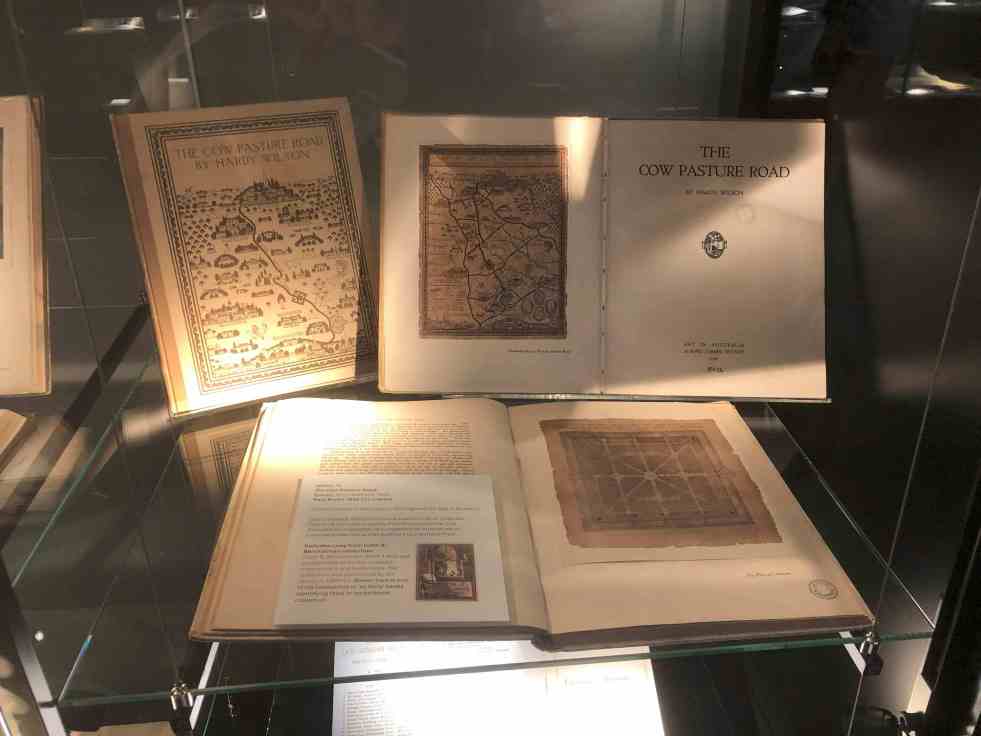
William Hardy Wilson, a largely unrecognized architect and artist, authored The Cow Pasture Road in 1920, impacting Camden's cultural narrative. His work celebrates colonial architecture and aesthetics, leading to a recent exhibition at the University of Sydney Library, which explores his dual legacy as both a visionary artist and controversial figure in Australian history.

Aesthetics · Architecture · Attachment to place · Belonging · Built heritag · Camden · Camden Council · Camden Museum · Camden Story · Church History · Colonial Camden · Community identity · Country town · Cowpastures · Cowpastures Gentry · Cultural and Heritage Tourism · Cultural Heritage · Cultural icon · Engineering Heritage · Heritage · History · Landscape · Landscape aesthetics · Living History · Local History · Local newspapers · Memory · Place making · Settler Society · St John's Church Camden · Storytelling · Tourism · Uncategorized · Urban development · Urban history

Cultural and Heritage Tourism in Camden: Unveiling a $6.4 Million Per Year Industry

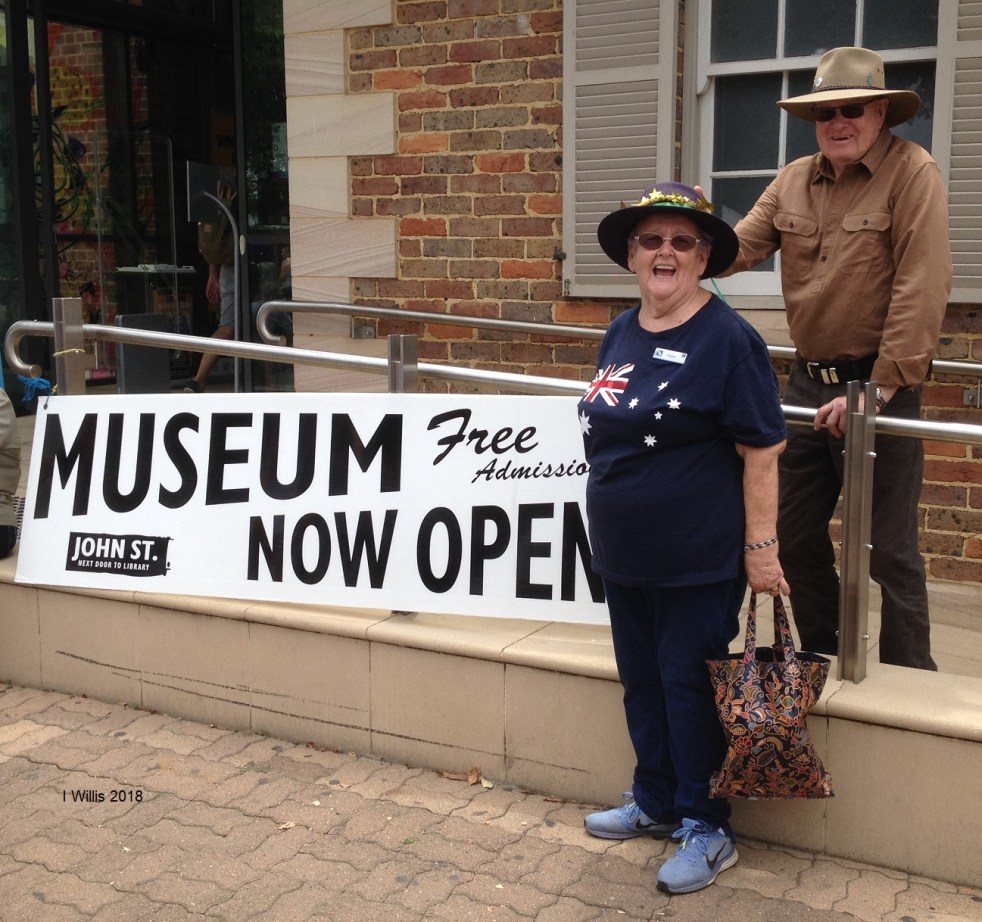
Cultural and heritage tourism adds $6.4 million a year to the local economy. The Camden Museum and the Alan Baker Art Gallery add over $1.7 million annually.

Adaptive Re-use · Adaptive Reuse · Aesthetics · Agricultural heritage · Agricultural modernism · Agriculture · Agriculture history · Architecture · Artists · Belgenny Farm · Camden Park Estate · Camden Story · Carpentry · Colonial Camden · Colonialism · Commemoration · Cowpastures · Cowpastures Estates · Cowpastures Gentry · Crafts · Cultural Heritage · Dairying · Elizabeth Macarthur · Entertainment · Farming · History of a building · Landscape · Landscape aesthetics · Living History · Local History · Local Studies · Macarthur · Macarthur family · Memorial · Monuments · Nationalism · Place making · Placemaking · Ruralism · Sense of place · Settler Society · Small town · Stories · Storytelling · Traditional Trades · Village

Back to Belgenny 2024, a festival of living history

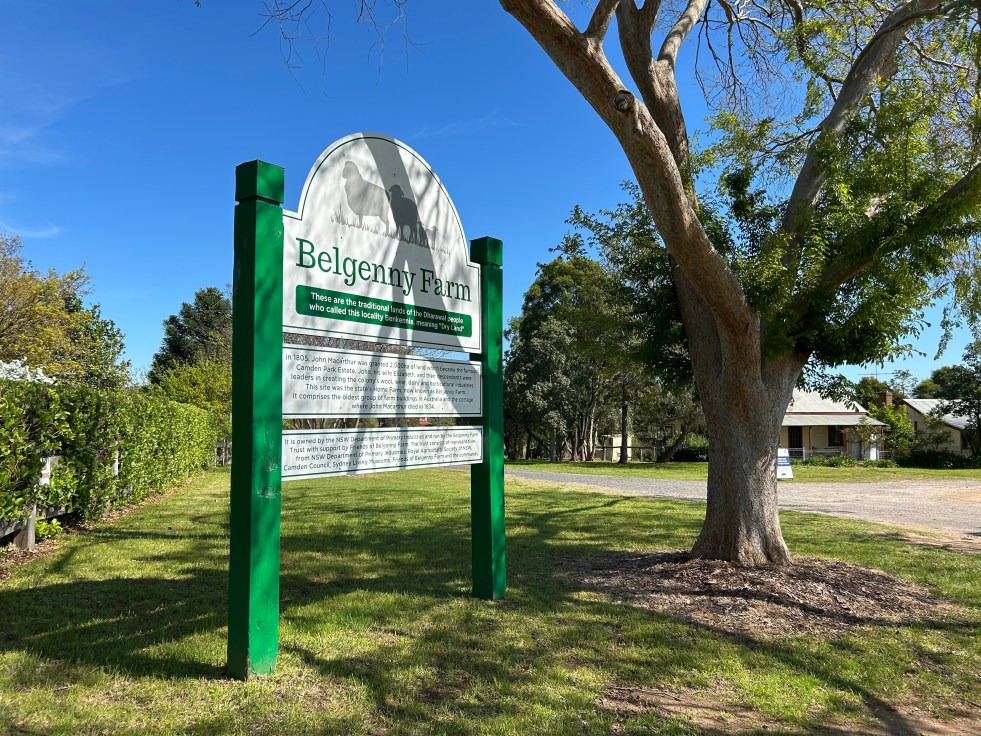
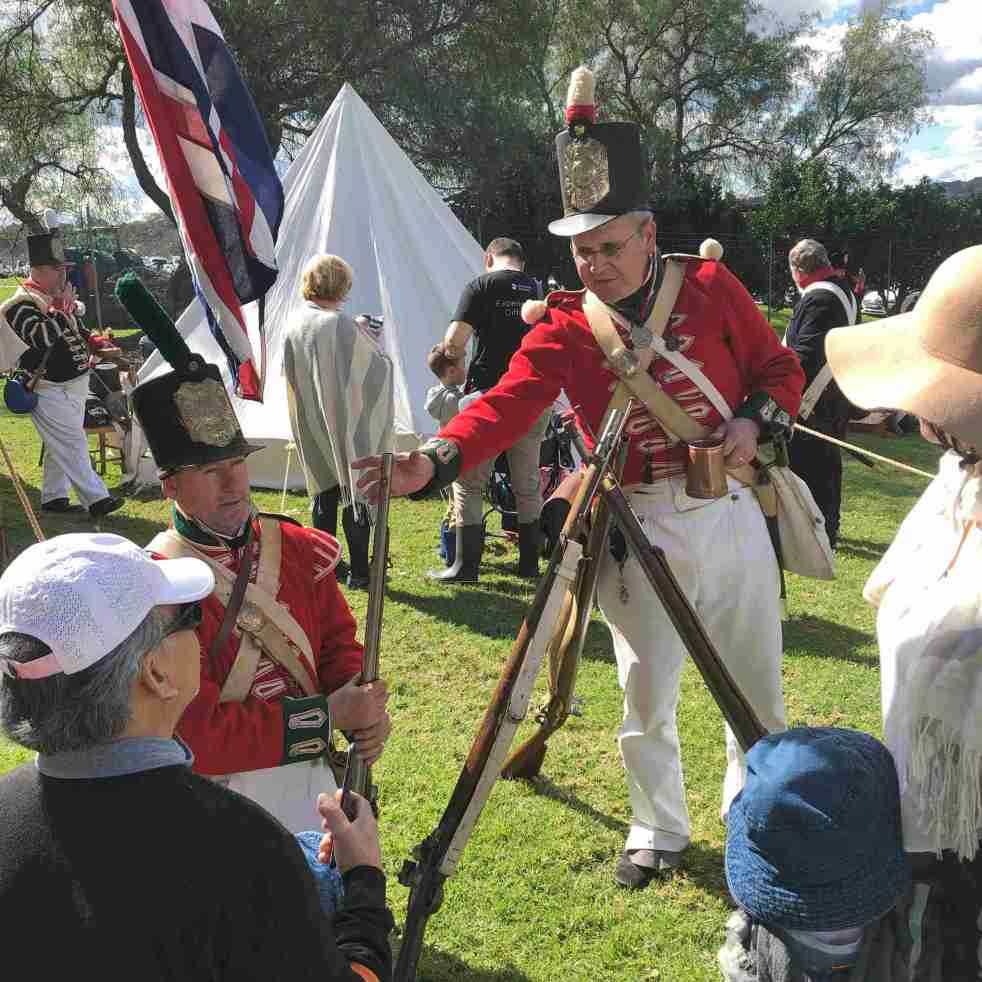
The 2024 Back to Belgenny festival at Belgenny Farm in South Camden showcased living history with reenactments, traditional trades, and stalls selling arts and crafts of the past. Activities included sheepdog trials, live music, vintage cars, and guided history tours of the site. The farm represents the settler society through the generations of the Macarthur family and their workers.

19th Century · 20th century · Architecture · British colonialism · Built heritag · Camden Built Heritage · Camden John Street Precinct · Camden Police Barracks · Collective Memory · Colonial Camden · Colonial frontier · Colonialism · Country town · Court of Petty Sessions · Cowpastures · Cowpastures district · Cowpastures Estates · Cowpastures Gentry · Cowpastures Region · Cultural Heritage · Heritage · History of a building · Local History · Local Studies · Military history · Place making · Policing · Sense of place · Settler Society · Small town · Stories · Storytelling · Uncategorized · Urban history · Victorian

Camden Police Station and Residence: A Historical Landmark in Camden

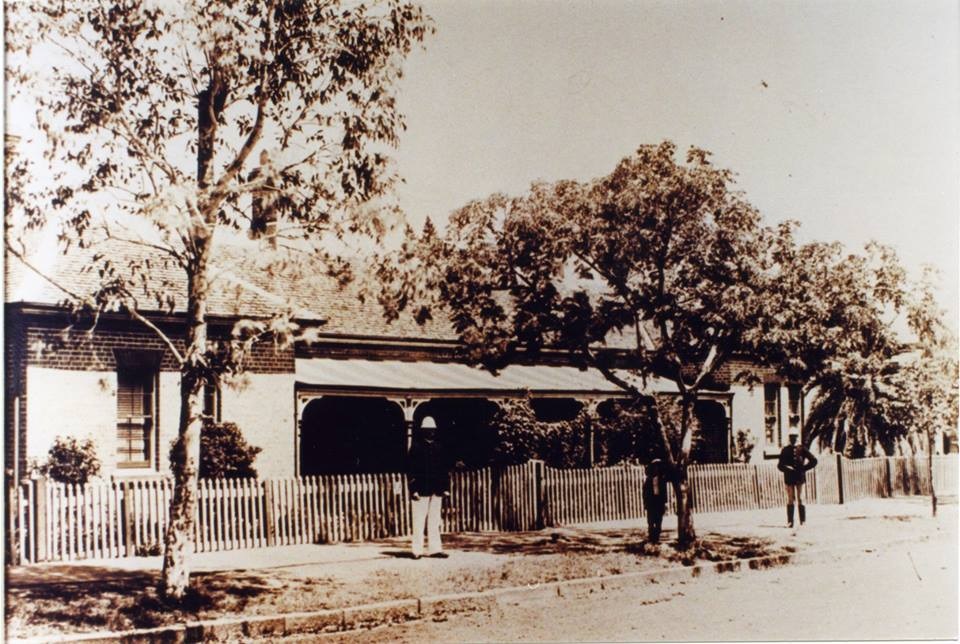
Camden Police Station, a single-storey brick building at 35 John Street, was constructed in 1878 and served the NSW Police Service until 2011. Designed by James Barnet, it features historical architectural elements, including a paved verandah and brick chimneys. Currently vacant, it is recognized for its heritage value within the Camden community.

Agave · Camden · Camden Park House and Garden · Camden Story · Cawdor · Cawdor Road · Collective Memory · Colonial Camden · Colonial frontier · Cowpastures · Family history · Folklore · Frontier violence · Ghosts · Legends · Memory · Mysteries · Newspapers · Pioneers · Place making · Sense of place · Stories · Storytelling

Agave on Cawdor Road, a part of local folklore

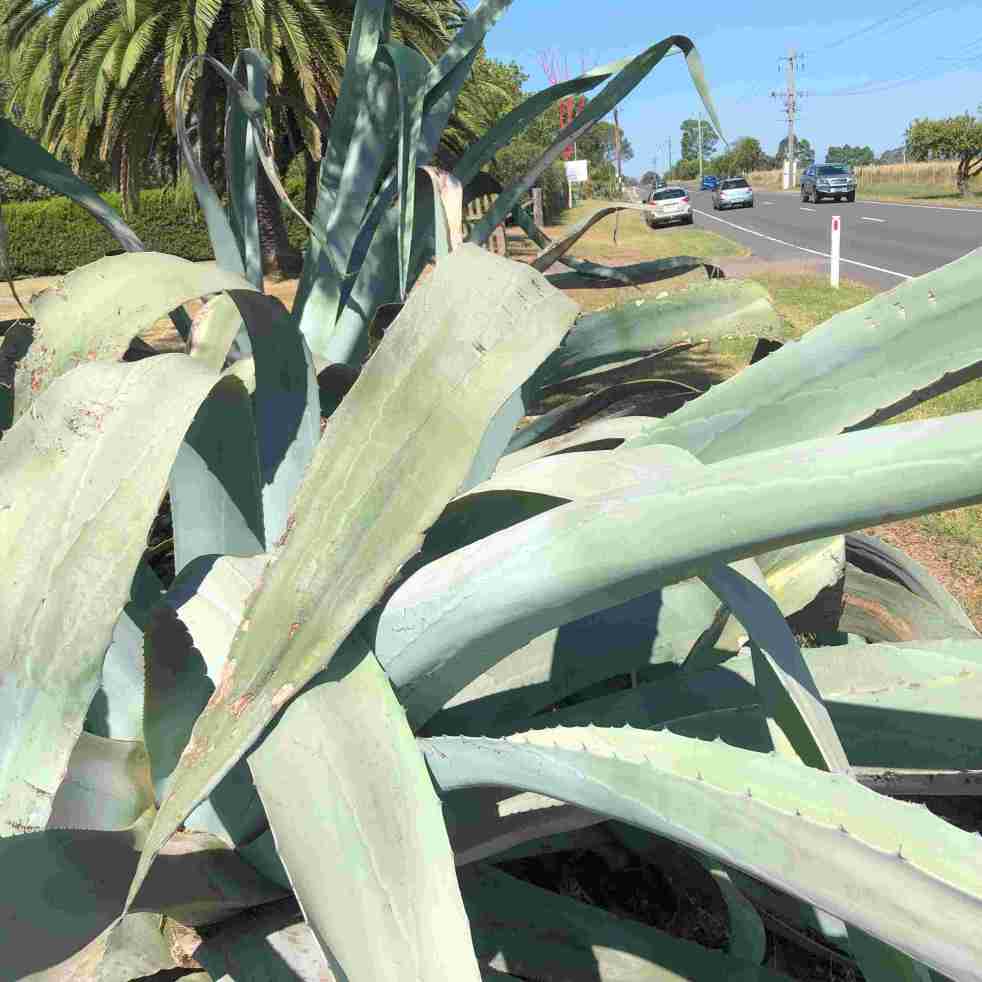
The agave plants near Cawdor Road, Camden, have become part of local folklore, with stories spanning murder, historical colonial gardens, and Indigenous conflict. These slow-growing succulents have sparked controversy and conjecture, with their true history and significance remaining a mystery. Despite attempts to uncover the truth, the agave's legend endures across generations.

Advertising · Agriculture · Agriculture history · Argyle Street · Attachment to place · Belonging · Camden Story · Celebrate Camden Festival · Collective Memory · Community Engagement · Community organisations · Cowpastures · Cowpastures Bicentennial · Cultural and Heritage Tourism · Cultural Heritage · Education · Festivals · Heritage · History · Local History · Local Studies · Memorialisation · Place making · Retailing · Sense of place · Stereotypes · Storytelling · Teamsters · Uncategorized

Celebrate Camden 93, a spring festival

In 2023, Camden celebrates the 30th anniversary of the Celebrate Camden 93 spring festival, initiated by the Camden Chamber of Commerce to boost tourism. Despite initial sponsorship issues, the event drew over 100,000 attendees and was deemed a success. Subsequent festivals struggled with community support, leading to its eventual discontinuation.

Architecture · Attachment to place · Belonging · Ben Linden · Built heritag · Business History · Camden Story · Colonial Camden · Colonial frontier · Community identity · Country town · Cowpastures · Cultural and Heritage Tourism · Cultural Heritage · Domestic Architecture · Edwardian · Heritage · Heritage Walking Tours · History · Interwar · Local History · Local Studies · Macarthur region · Memory · Narellan · Narellan Built Heritage · Narellan Story · Place making · Regionalism · Residential Housing Style · rural-urban fringe · Sense of place · Storytelling · Sydney's rural-urban fringe · Tourism · Town planning · Urban development · Urban growth · Urban history · urban sprawl

Explore Narellan’s History: Heritage Walking Tour and Historic Sites

The Narellan Heritage Walking Tour, curated by local photographers Kylie and Peter Lyons, provides a fascinating exploration of the historical and architectural legacy of Narellan. This tour offers insights into the original villages predating Camden's establishment in 1840, featuring notable sites like The Old St Thomas Chapel and the Narellan Public School.

1920s · 1930s · 1973 New Cities Campbelltown Camden Appin Structure Plan · 20th century · Agriculture history · Attachment to place · Belonging · Camden Council · Camden Council Heritage Advisory Committee · Camden Mayor · Camden Museum · Camden Produce Market · Camden Story · Camden Town Centre · Camden Town Farm · Colonialism · Commemoration · Country town · Cowpastures · Cultural and Heritage Tourism · Cultural Heritage · Entertainment · Festivals · Food · Heritage · History · Interwar · Living History · Local History · Local Studies · Macarthur · Memorialisation · Place making · Ruralism · Sense of place · Social History · Storytelling · Symbolism · Tourism · Unlock Camden · Urban history

Unlock Camden 2023, a festival celebrating our past

Unlock Camden is a history festival that celebrates the Camden story through walks, art, images, stories, and a host of other activities. Events are centred in historic the John Street precinct around the Alan Baker Art Gallery Macaria.