Aesthetics · Agricultural heritage · Agriculture · Attachment to place · British colonialism · Colonial frontier · Colonialism · Convicts · Cowpastures · Cultural Heritage · Cultural icon · England · Families · Farming · Georgian · Goulburn · Heritage · Historical Research · History · History of a house · House history · Landscape · Landscape aesthetics · Legends · Local History · Local Studies · Macarthur · Memory · Pioneers · Place making · Ruralism · Sense of place · Settler colonialism · Tourism

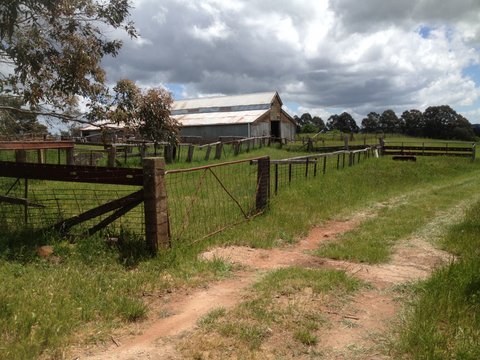
Richlands, an outpost of a colonial farming empire

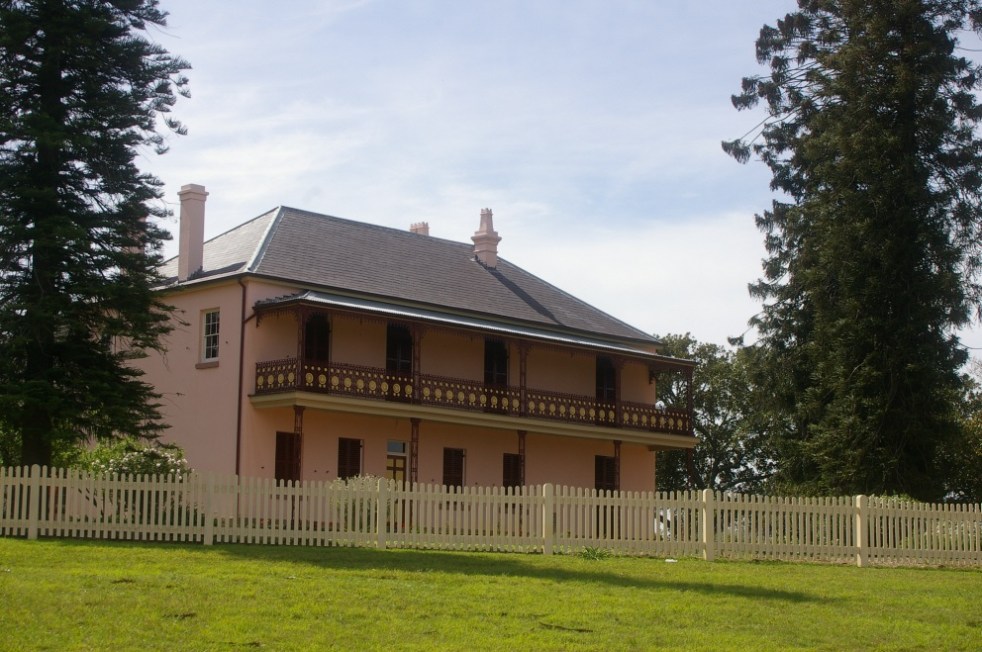
The Richlands estate, north of Goulburn in the NSW Southern Tablelands, was an important part of the Macarthur family pastoral empire for nearly 100 years.  The Richlands estate acted as an outstation about one days ride west of Camden Park estate.

Adaptive Re-use · Aesthetics · Architecture · Attachment to place · Australia · Bella Vista Farm · Belonging · British colonialism · Camden Park House and Garden · Colonial Camden · Colonial frontier · Colonialism · Community identity · Convicts · Cultural Heritage · Cultural icon · Family history · Farming · Frontier violence · Georgian · Heritage · Historical consciousness · Historical Research · Historical thinking · History · History of a house · House history · Landscape · Landscape aesthetics · Lifestyle · Living History · Local History · Local Studies · Macarthur · Memory · Monuments · Myths · Place making · Ruralism · Sense of place · Settler colonialism · Storytelling · Tourism · Urban growth · urban sprawl · Women's history

Bella Vista Farm, an early part of the Macarthur rural empire

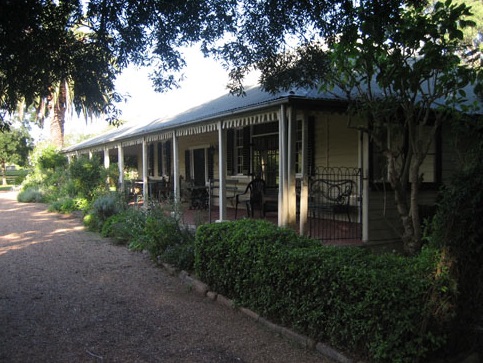
Bella Vista Farm is an early part of the Macarthur family pastoral empire and an important site in the history of colonial NSW.

1930s · 20th century · Attachment to place · Camden · Camden Airfield · Camden Post Office · Camden Public School · Cultural Heritage · Cultural icon · Edward Macarthur Onslow · Entertainment · Families · Family history · Farming · Heritage · History · Interwar · Local History · Local Studies · Macquarie Grove Flying School · Memory · Military history · Modernism · Place making · Placemaking · Sense of place · Social History · Storytelling · Theresa Park Public School · Wartime

Memories of Cec Smith, bare feet and the adventures of flight in Camden

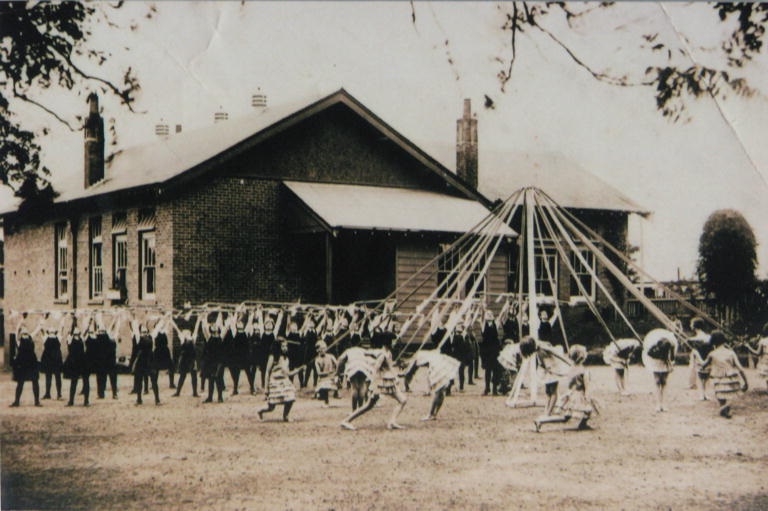
The memories of Cec Smith as a small boy in Camden vividly recall many events in the area. Flying pageants and parachuting practice at Macquarie Flying School along with other adventures were part of growing up in the area.

Agency · Agricultural heritage · Agriculture · Artefacts · Attachment to place · Belonging · Camden · Camden Show · Camden Showgirl · Camden Story · Cultural icon · Education · Entertainment · Farming · Heritage · History · Leisure · Living History · Local History · Local Studies · Miss Showgirl · Pageant · Place making · Ruralism · Sense of place · Showgirl competition · Storytelling · Tourism · Volunteering · Volunteerism · Young Woman Competition

Showtime in Camden 2014

The annual festival of farming returns to the Camden Showground at the end of March again. The show has been the most crucial country festival in the district for over 100 years. In 2019 the show attracted over 40,000 visitors and was a huge success.

Agriculture · Attachment to place · Australia · British colonialism · Colonial frontier · Colonialism · Community identity · Convicts · Cowpastures · Cultural Heritage · Denbigh · Economy · Elderslie · England · Farming · Gothic · Heritage · Historical consciousness · Historical Research · Historical thinking · History · Living History · Local History · Local Studies · Macarthur · Memory · Place making · Radical history · Sense of place · Settler colonialism · Storytelling

Convicts in the Cowpastures, an untold story

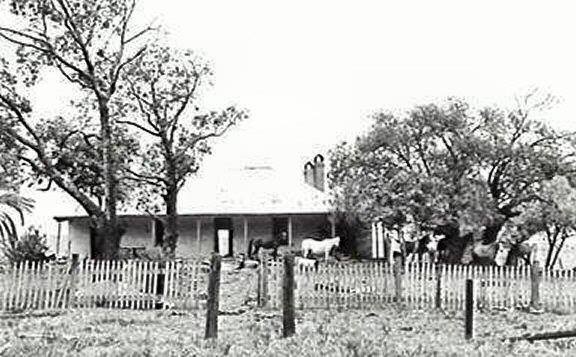
The convicts in the Cowpastures is an untold story of the colonial settler society of early New South Wales.

Architecture · Attachment to place · British Heritage · Colonialism · Conservation · Cricket · Cultural and Heritage Tourism · Cultural Heritage · Cultural icon · Cultural plantings · Design · Education · England · Entertainment · Environment · Farming · Fashion · Garden history · Gardening · Governor Macquarie · Heritage · Historical consciousness · Historical Research · Historical source · Historical thinking · History · Horticulture · Landscape · Landscape aesthetics · Leisure · Living History · Memorialisation · Memorials · Memory · Modernism · Place making · Placemaking · Plant Nursery · Plants · Retailing · Sculpture · Sense of place · Settler Society · Social History · Storytelling · Sydney · Uncategorized · Urban development · Urbanism · Victorian

Sydney’s Royal Botanic Gardens

The Royal Botanic Gardens in Sydney, Australia, cover 29 hectares of gardens and 51 hectares of surrounding parkland. Established in 1816, it is the oldest colonial botanic garden in Australia, attracting 4 million visitors annually. With historical significance dating back to 1788, the Gardens reflect changing landscape styles and serve as a popular public space.

Appin · Architecture · Attachment to place · Australia · British colonialism · Campbelltown · Colonial frontier · Colonialism · Communications · Community identity · Cowpastures · Cultural Heritage · Cultural icon · Curtilage · Dairying · Farming · Frontier violence · Governor Macquarie · Heritage · Historical consciousness · Historical Research · Historical thinking · History · Landscape aesthetics · Local History · Local Studies · Macarthur · Monuments · Place making · Ruralism · Sense of place · Settler colonialism · Sydney's rural-urban fringe · Town planning · Transport · Urban growth · Urban Planning · urban sprawl · Urbanism · Victorian

Beulah and Sydney’s Urban Sprawl

Beulah estate, Sydney's urban sprawl and the Appin Road

Aesthetics · Architecture · Attachment to place · Campbelltown · Colonialism · Community identity · Cultural Heritage · Cultural icon · Edwardian · Entertainment · Farming · Fashion · Georgian · Heritage · Historical consciousness · Historical thinking · History · Hotels · Interwar · Leisure · Local History · Lost Sydney · Macarthur · Memory · Modernism · Place making · Railway · Retailing · Ruralism · Sense of place · Settler colonialism · Streetscapes · Sydney's rural-urban fringe · Tourism · Town planning · Urban growth · Urban Planning · urban sprawl · Urbanism · Victorian

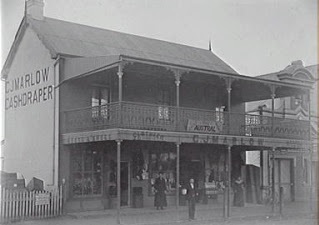
Lost Campbelltown heritage

The lost built heritage of a country town on Sydney's urban fringe at Campbelltown

Agriculture · Attachment to place · Belonging · Camden · Churches · Colonialism · Community identity · Cowpastures · Cultural Heritage · Elderslie · Farming · Hawkesbury-Nepean river · Heritage · Horticulture · John Oxley · Landscape · Local History · Local Studies · Pioneers · Place making · Railway · Sense of place · Settler colonialism · Settler Society · St Mark's Church Elderslie · Storytelling · Sydney's rural-urban fringe · Urban development · Urban growth · Urban Planning · urban sprawl · Urbanism · Village

Elderslie, a suburb on Sydney’s fringe

A history of continuity and change Elderslie is a suburb of Camden, the traditional land of the Dharawal people.  It lies on the southern end of the Camden Municipality, 62 km southwest of Sydney, on the rural-urban fringe. Elderslie borders the Nepean River to the west, Narellan Creek to the north, Camden By-Pass to the… Continue reading Elderslie, a suburb on Sydney’s fringe

Aesthetics · Agriculture · Attachment to place · Australia · Belonging · British colonialism · Colonial Camden · Colonial frontier · Colonialism · Community identity · Convicts · Cowpastures · Cultural Heritage · Cultural icon · Curtilage · Economy · Elderslie · England · Farming · Frontier violence · Georgian · Gothic · Heritage · Historical consciousness · Historical Research · Historical thinking · History · Landscape · Landscape aesthetics · Local History · Local Studies · Macarthur · Narellan · Place making · Ruralism · Sense of place · Settler colonialism · Storytelling · Stuart Park Wollongong

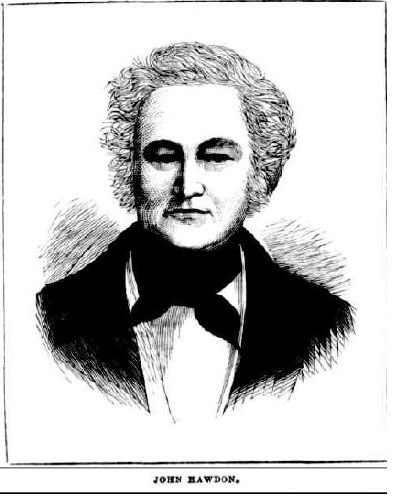
John Hawdon of Elderslie in a settler society

John Hawdon of Elderslie was part of the story of settler colonialism in New South Wales in the early 19th century.