Aesthetics · Architecture · Art · Attachment to place · Built heritag · Camden · Camden Story · Camden Town Centre · Church History · Churches · Colonial Camden · Cowpastures · Cowpastures Estates · Cowpastures Gentry · Cultural Heritage · Cultural icon · Heritage · Historical consciousness · History · Johm Macarthur · Landscape · Landscape aesthetics · Local History · Local Studies · Macarthur · Nepean River · Place making · Political history · Sense of place · Settler colonialism · St John's Church Camden · Uncategorized

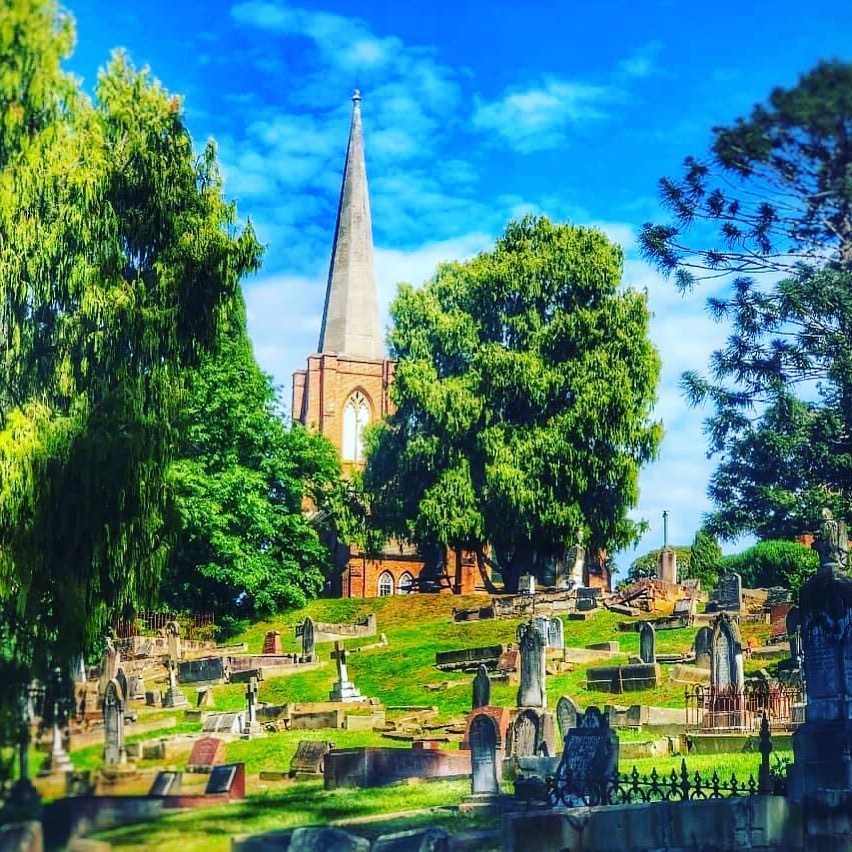
St John’s Church Camden, the soul of a country town

On the hill overlooking the Camden town centre is St Johns Church> It is a representation of the community's historic, moral and emotional heart, its sense of place, the town's soul.

Aesthetics · Attachment to place · Belonging · Colonialism · Community identity · Country town · Cultural and Heritage Tourism · Cultural Heritage · Cultural plantings · Design · Edwardian · Entertainment · Fashion · Garden history · Heritage · Landscape · Leisure · Local History · Local Studies · Memorial · Memorialisation · Memorials · Memory · Monuments · Parks · Place making · Sense of place · Social History · Tourism · Uncategorized · Urban history · Urban Planning · Victorian

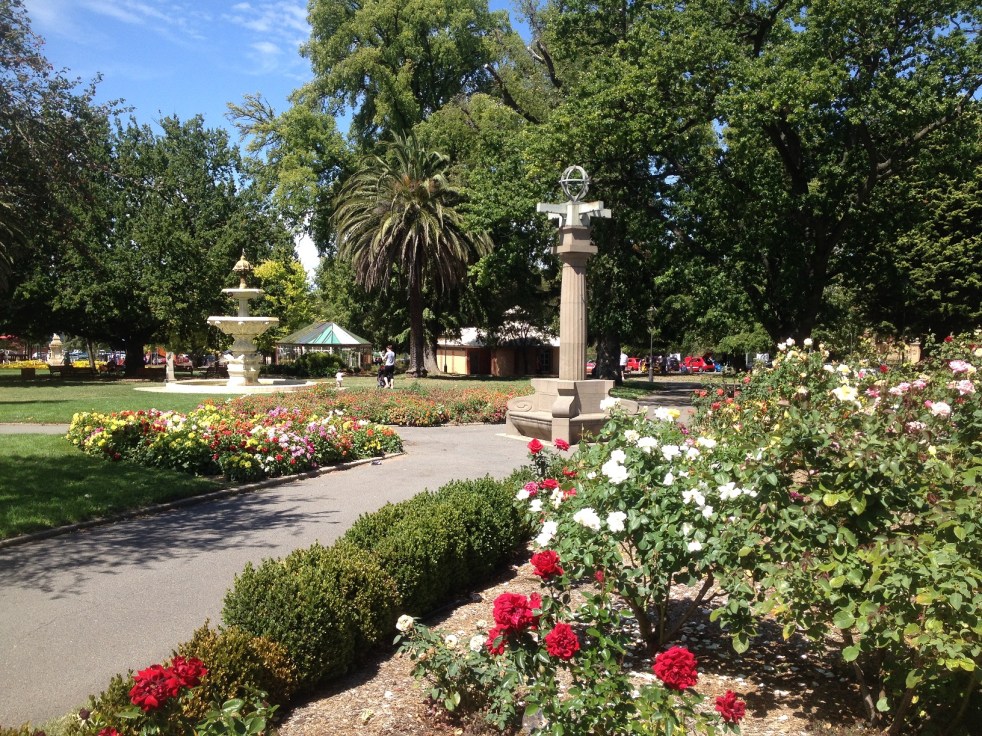
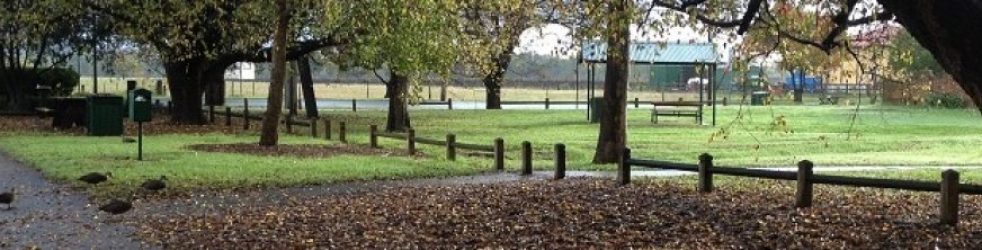
Goulburn’s Belmore Park, a space of memories and monuments

In central Goulburn is an urban park with formal paths and gardens that dates back Victorian times. The park has evolved to become a landscape of monuments and memorials.

Architecture · Attachment to place · British Heritage · Colonialism · Conservation · Cricket · Cultural and Heritage Tourism · Cultural Heritage · Cultural icon · Cultural plantings · Design · Education · England · Entertainment · Environment · Farming · Fashion · Garden history · Gardening · Governor Macquarie · Heritage · Historical consciousness · Historical Research · Historical source · Historical thinking · History · Horticulture · Landscape · Landscape aesthetics · Leisure · Living History · Memorialisation · Memorials · Memory · Modernism · Place making · Placemaking · Plant Nursery · Plants · Retailing · Sculpture · Sense of place · Settler Society · Social History · Storytelling · Sydney · Uncategorized · Urban development · Urbanism · Victorian

Sydney’s Royal Botanic Gardens

The Royal Botanic Gardens in Sydney, Australia, cover 29 hectares of gardens and 51 hectares of surrounding parkland. Established in 1816, it is the oldest colonial botanic garden in Australia, attracting 4 million visitors annually. With historical significance dating back to 1788, the Gardens reflect changing landscape styles and serve as a popular public space.

Agriculture · Attachment to place · Belonging · Camden · Churches · Colonialism · Community identity · Cowpastures · Cultural Heritage · Elderslie · Farming · Hawkesbury-Nepean river · Heritage · Horticulture · John Oxley · Landscape · Local History · Local Studies · Pioneers · Place making · Railway · Sense of place · Settler colonialism · Settler Society · St Mark's Church Elderslie · Storytelling · Sydney's rural-urban fringe · Urban development · Urban growth · Urban Planning · urban sprawl · Urbanism · Village

Elderslie, a suburb on Sydney’s fringe

A history of continuity and change Elderslie is a suburb of Camden, the traditional land of the Dharawal people.  It lies on the southern end of the Camden Municipality, 62 km southwest of Sydney, on the rural-urban fringe. Elderslie borders the Nepean River to the west, Narellan Creek to the north, Camden By-Pass to the… Continue reading Elderslie, a suburb on Sydney’s fringe

Aesthetics · Agriculture · Attachment to place · Australia · Belonging · British colonialism · Colonial Camden · Colonial frontier · Colonialism · Community identity · Convicts · Cowpastures · Cultural Heritage · Cultural icon · Curtilage · Economy · Elderslie · England · Farming · Frontier violence · Georgian · Gothic · Heritage · Historical consciousness · Historical Research · Historical thinking · History · Landscape · Landscape aesthetics · Local History · Local Studies · Macarthur · Narellan · Place making · Ruralism · Sense of place · Settler colonialism · Storytelling · Stuart Park Wollongong

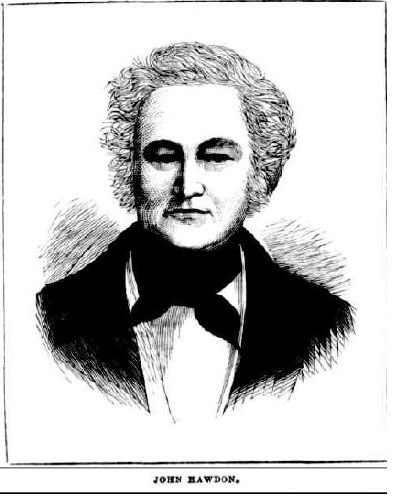
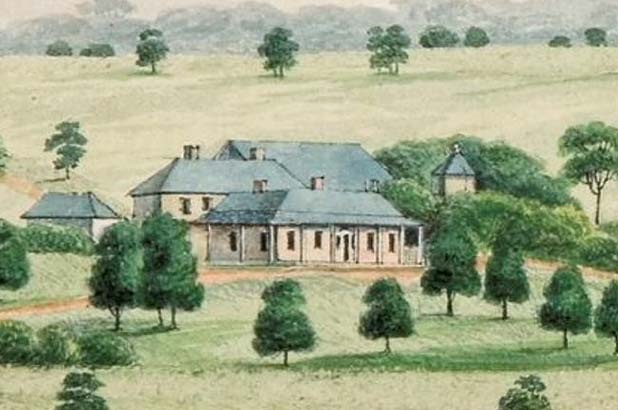
John Hawdon of Elderslie in a settler society

John Hawdon of Elderslie was part of the story of settler colonialism in New South Wales in the early 19th century.

Aesthetics · Agricultural heritage · Architecture · Attachment to place · Belonging · Camden · Camden Story · Collective Memory · Colonial Camden · Colonial frontier · Community identity · Cowpastures · Environment · Governor Macquarie · Heritage · Historical consciousness · History · Landscape · Landscape aesthetics · Local History · Local Studies · localism · Place making · Placemaking · Sense of place · Settler Society · Storytelling · Urbanism

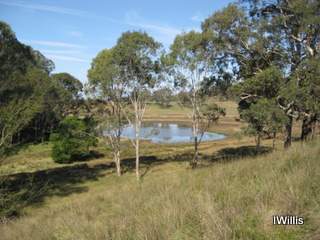
Viewing the Cowpastures landscape

The early colonists of the Sydney area viewed the landscape from a number of different perspectives according to historian Grace Karskins in her book The Colony a History of Early Sydney (2009) and this also applied to the Cowpastures.

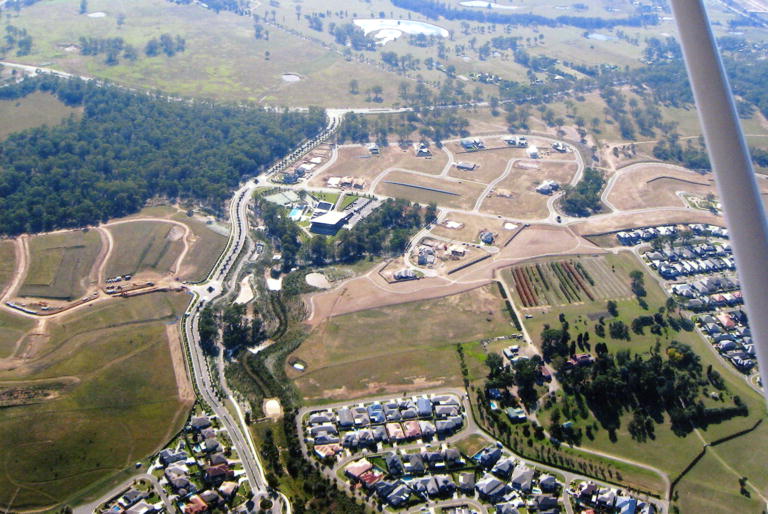
1968 Sydney Region Outline Plan · 1973 New Cities Campbelltown Camden Appin Structure Plan · Airds · Attachment to place · Belonging · Camden · Camden Story · Campbelltown · Elderslie · History · Hope and loss · Land releases · Landscape · Landscape aesthetics · Leppington · Local History · Local Studies · localism · Lost Sydney · Macarthur · Mount Annan · Mount Gilead · Narellan · Oran Park · Place making · Regionalism · rural-urban fringe · Ruralism · Sense of place · Storytelling · Sydney's rural-urban fringe · The Oaks · Town planning · Transition zone · Uncategorized · Urban development · Urban growth · Urban history · Urban Planning · urban sprawl · Urbanism

Sydney’s urban fringe: a transition zone of hope and loss

Sydney’s rural-urban fringe is a site of winners and losers. It is a landscape where dreams are fulfilled and memories are lost. The promises of land developers in master-planned suburban utopias meet the hope and expectations of newcomers.

British colonialism · Camden · Camden Story · Colonial Camden · Colonialism · Commemoration · Communications · Community identity · Cowpastures · Cowpastures Bicentennial · Cultural and Heritage Tourism · Cultural Heritage · Cultural icon · Dharawal · European Exceptionalism · Frontier violence · Governor Macquarie · Heritage · History · Landscape · Landscape aesthetics · Legends · Local History · Macarthur · Memorial · Memorialisation · Memorials · Memory · Monuments · Place making · Settler colonialism · Settler Society · Stereotypes · Storytelling · Symbolism · Trauma · Uncategorized

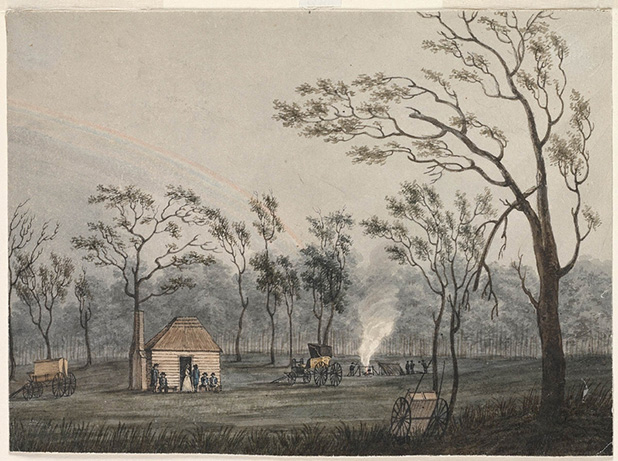
Governor Macquarie’s visit to the Cowpasture 1810

In November 1810, Governor Lachlan Macquarie (1762-1824) and Mrs Elizabeth Macquarie visited the Cowpastures. On that occasion, the Governor and Elizabeth Macarthur met the Dharawal people.