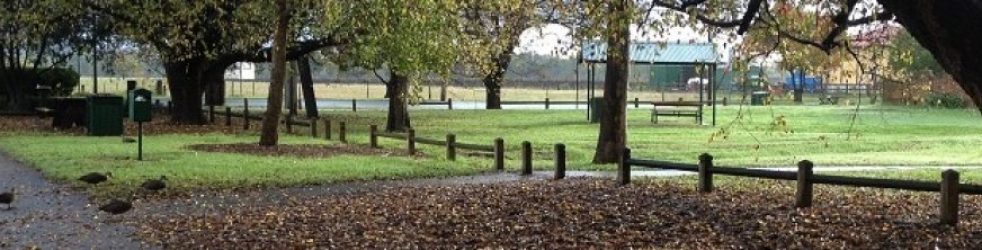
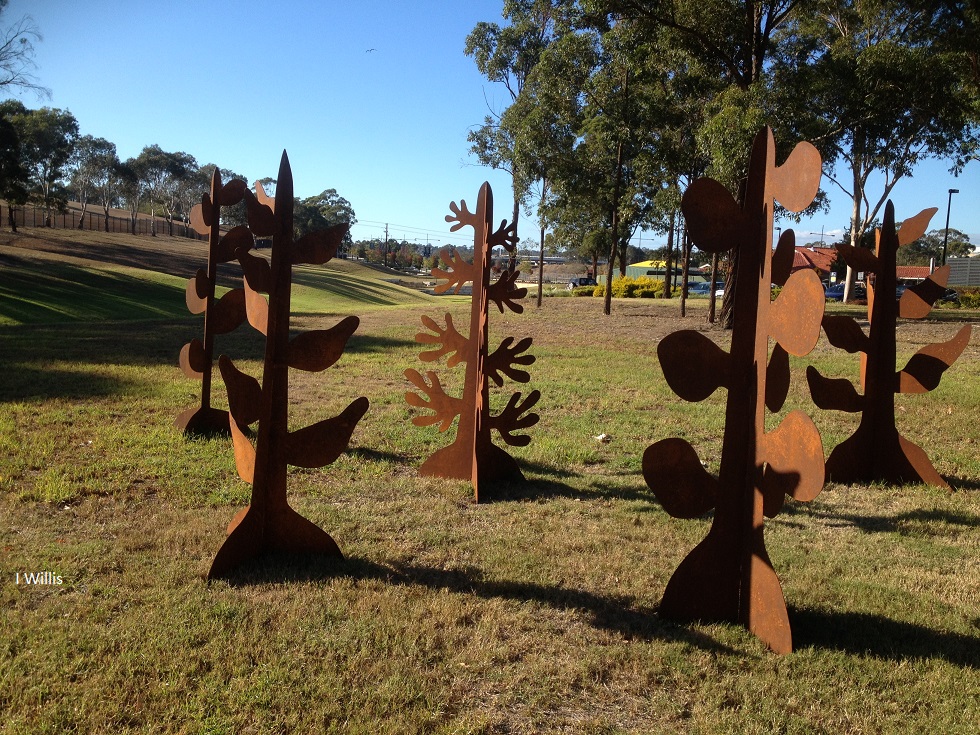
The 8th Western Sydney University Sculpture Award and Exhibition features 23 artworks globally, including Denese Oates' Xerophyte Forest, a steel representation of future plants. The beautiful lakeside setting enhances the sculptures' aesthetic, positively impacting community well-being. The exhibition runs from 4 May to 3 June 2018, attracting students and staff.
Category: Placemaking

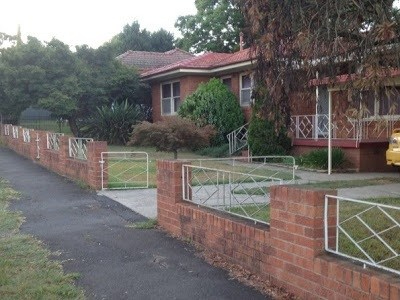
Mid-Century Modernist Homes in Elderslie
In the 1960s, modernism significantly influenced the community of Elderslie, where miners sought contemporary homes. Innovative house designs reflected mid-20th-century trends, including American Ranch styles. Australian architects, like Robin Boyd, contributed to housing projects across the country, merging modern aesthetics with traditional Federation-style homes. These trends influenced the design of local mid-century housing style, resulting in a unique urban landscape.
Share this:

Share this:
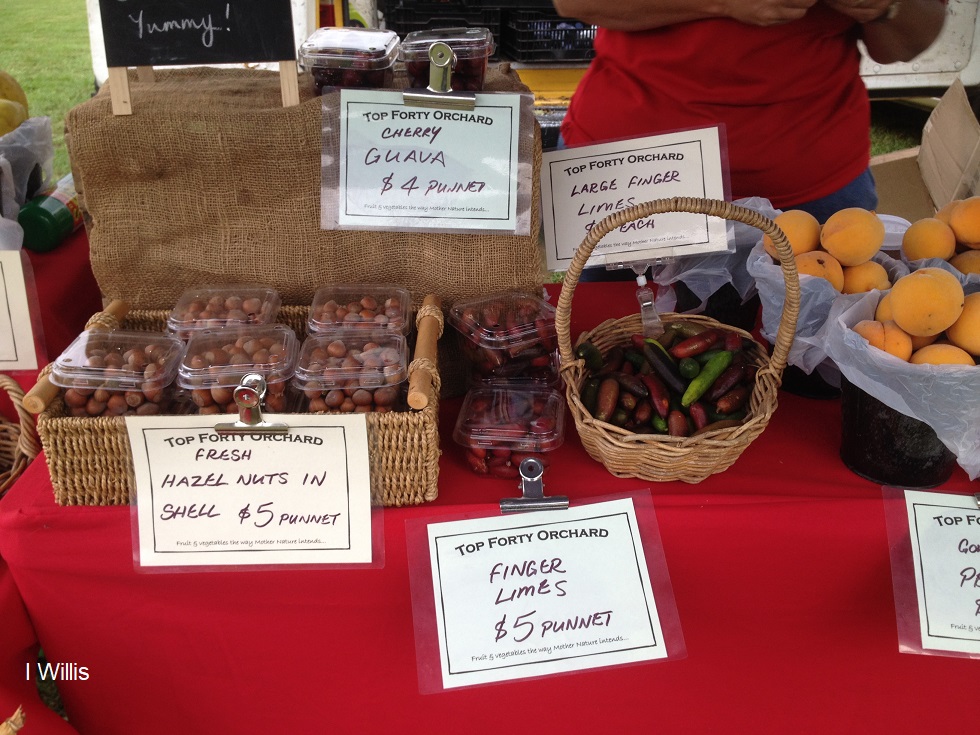
Camden Produce Market and Camden Community Garden, sites of community engagement
The Camden Produce Market and the Camden Community Garden are active sites of community engagement on land gifted to the Camden community by Llewella Davies.
Share this:

Share this:
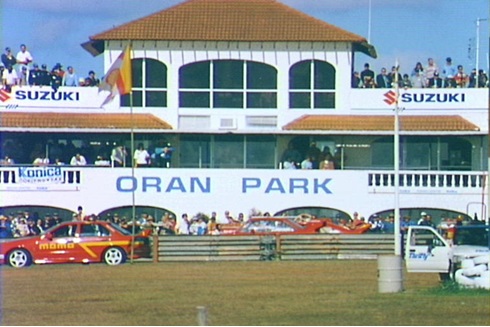
Oran Park Raceway: the finishing line as new horizons open up
Oran Park is a new suburb on Sydney's urban fringe on the site of the former Oran Park Raceway.
Share this:

Share this:
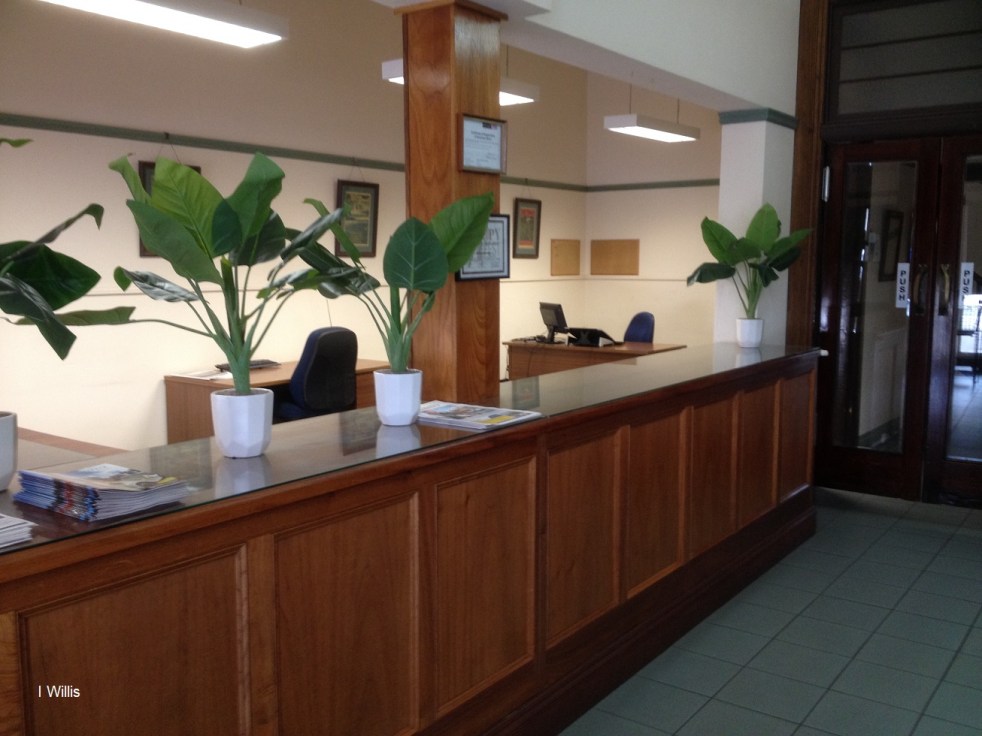
Goulburn Evening Penny Post and its Art-Deco newspaper office and printery
In 1935 a moderne Art-Deco style office was opened for the Goulburn Evening Penny Post
Share this:

Share this:
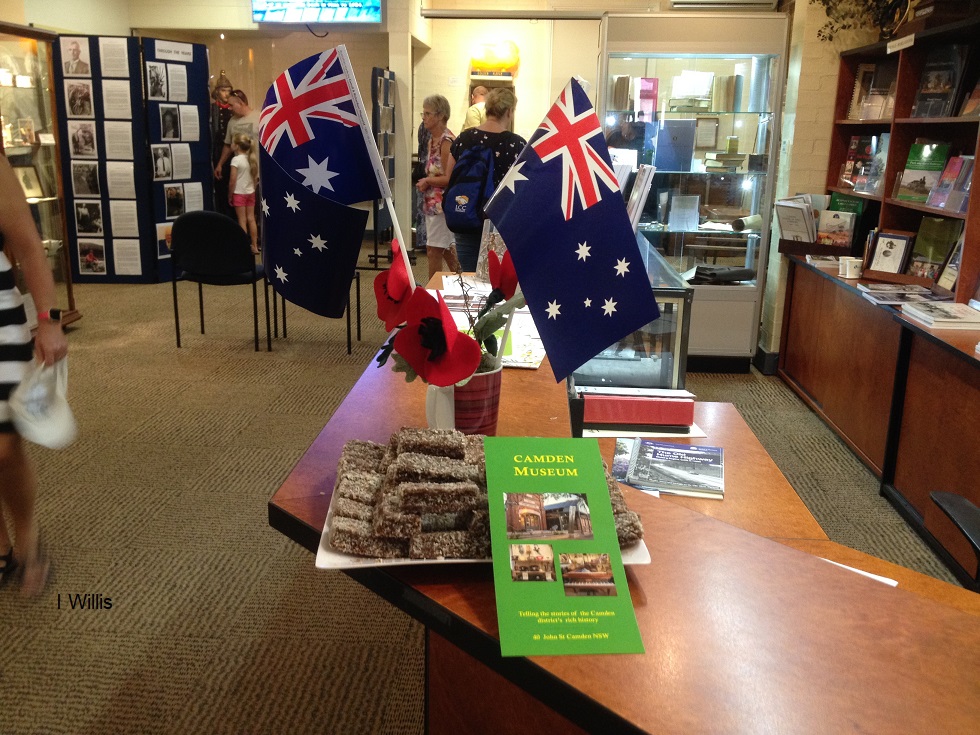
Australia Day 2018 in Camden
Australia Day 2018 in Camden drew large crowds to the town centre for the festival for the street parade.
Share this:

Share this:

Carrington Centennial Hospital for Convalescents and Incurables, Camden
Carrington Centennial Hospital for Convalescents, opened in 1890 in Camden, NSW, embodied Florence Nightingale’s principles, emphasizing fresh air and proper ventilation for recovery. Established by philanthropist WH Paling, it was the first major convalescent facility in New South Wales, providing a restorative environment away from the urban pollution.
Share this:

Share this:
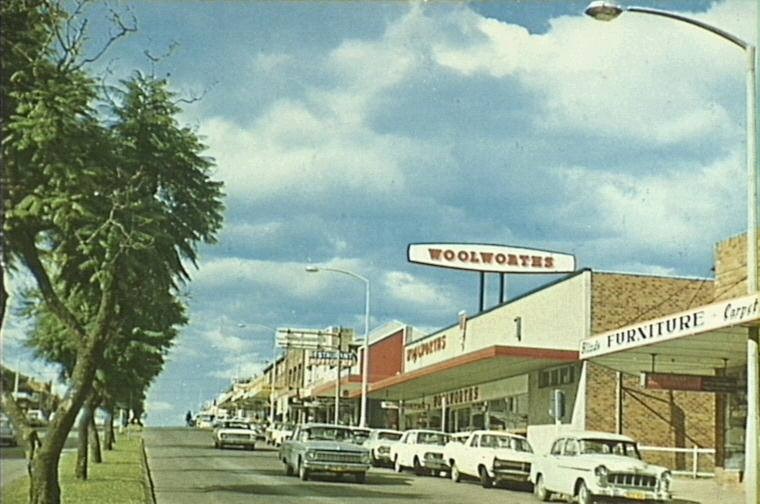
Supermarkets come to Camden, consumerism and modernism
Self-service supermarkets were one expression of consumerism and modernism in Camden NSW
Share this:

Share this:
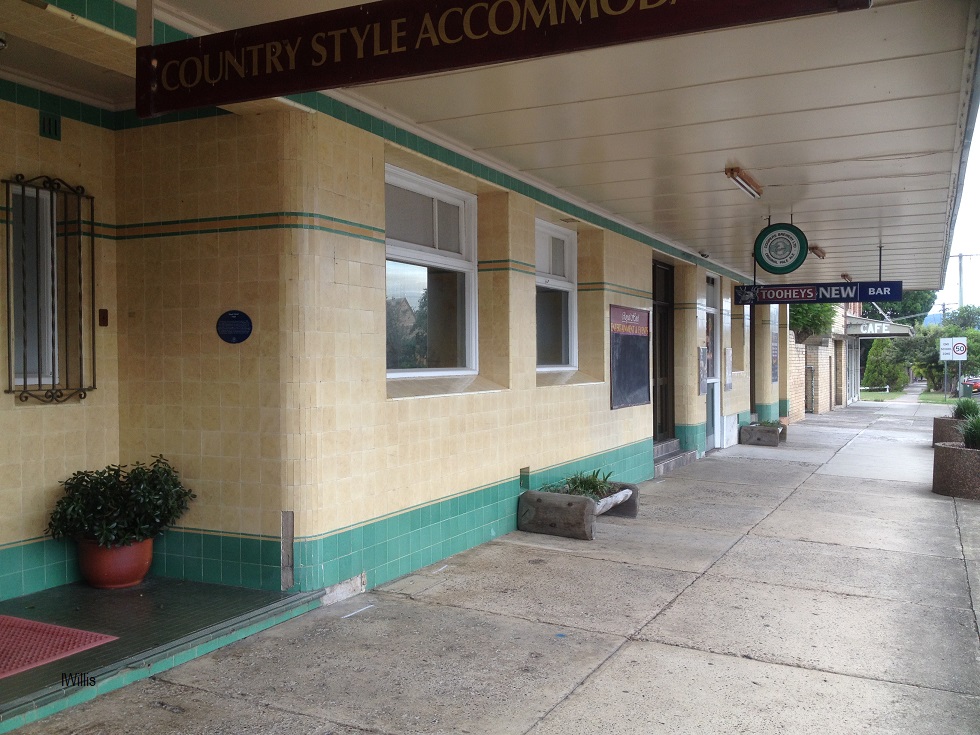
Dungog’s Royal Hotel, an Art Deco Bush Pub
The Dungog Royal Hotel is an example of an Interwar Art Deco style hotel in an Australian country town
Share this:

Share this:
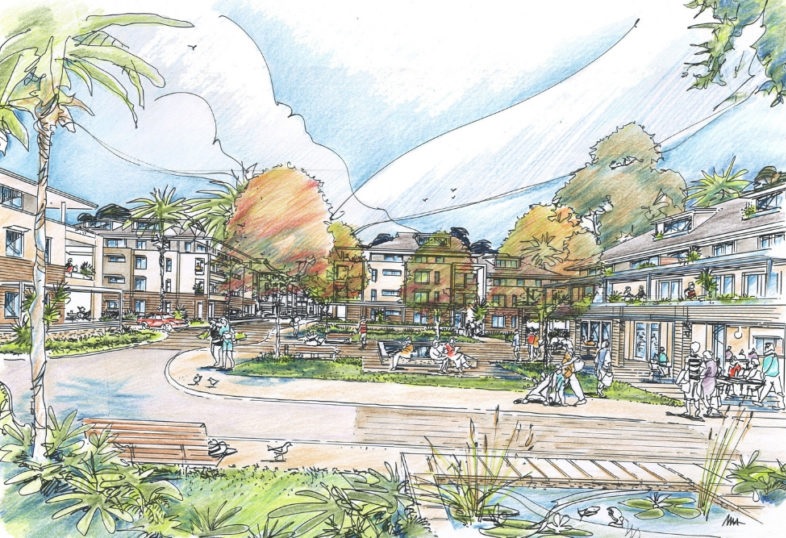
Former Camden High school site has a new retirement village development
The old Camden High site will be reborn as a retirement village

