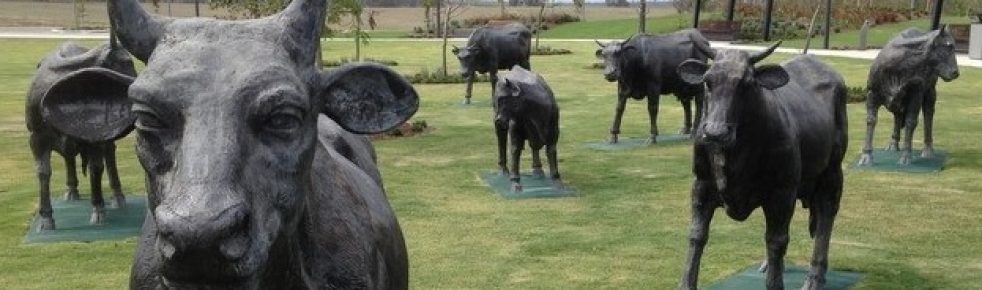

The English-style village of Cobbitty celebrates 190 years of the presence of the Anglican church.
Category: Placemaking

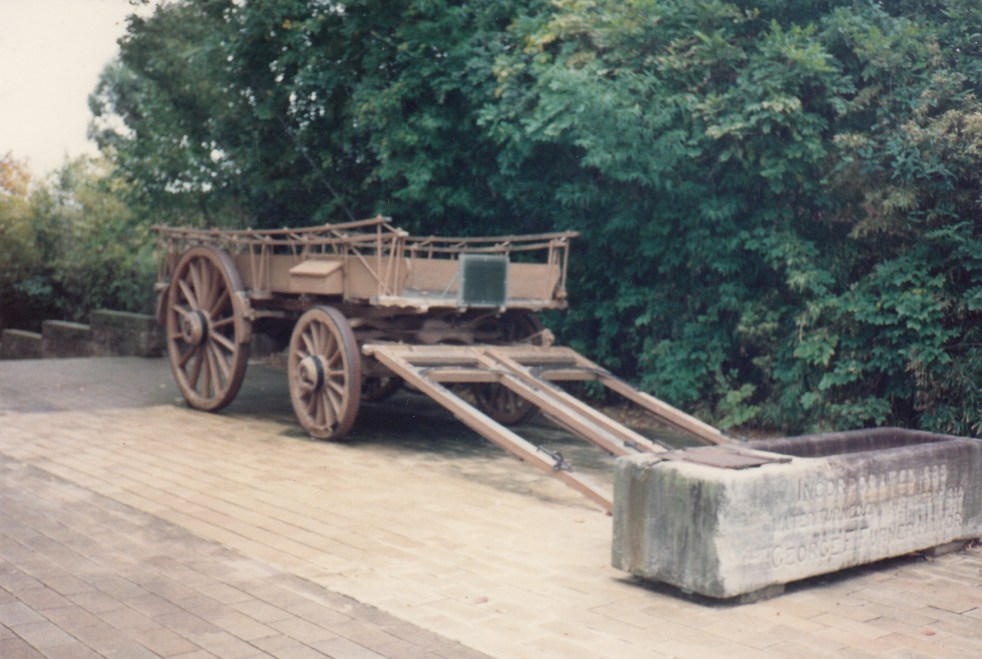
The Bennett wagon, a piece of transport history
The historic Bennett (Percival) Wagon is a cultural icon of a different time when horse and bullock teams were kings of the road.
Share this:

Share this:
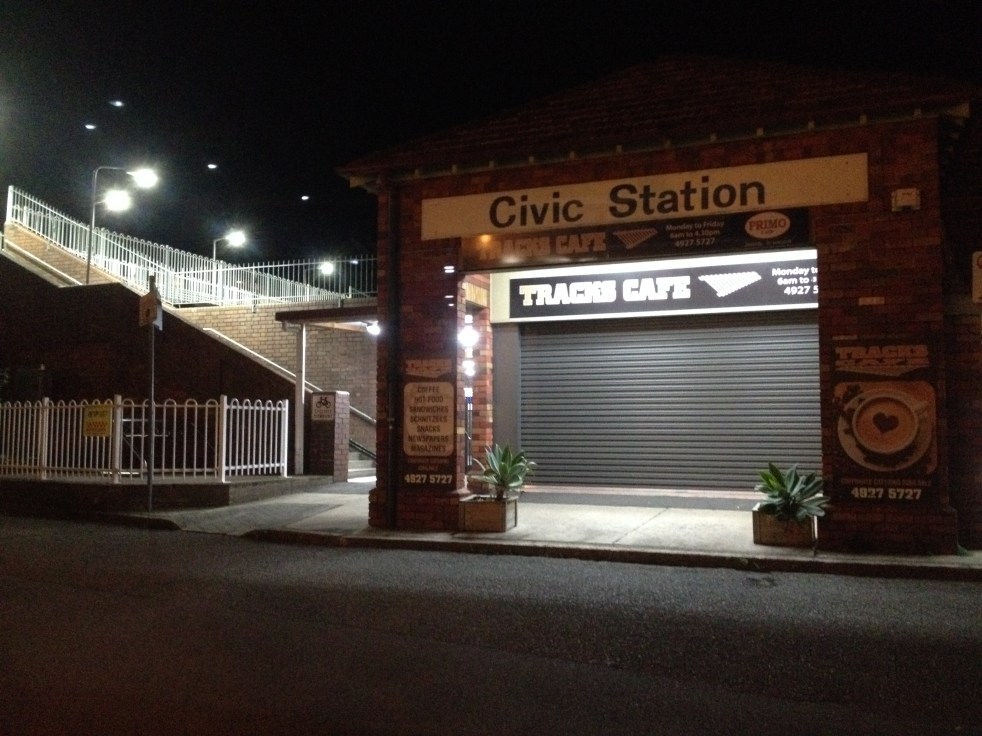
Civic Railway Station, revealing part of Newcastle modernism
Civic Railway Station, now closed, reveals some of the aesthetics of Newcastle modernism.
Share this:

Share this:
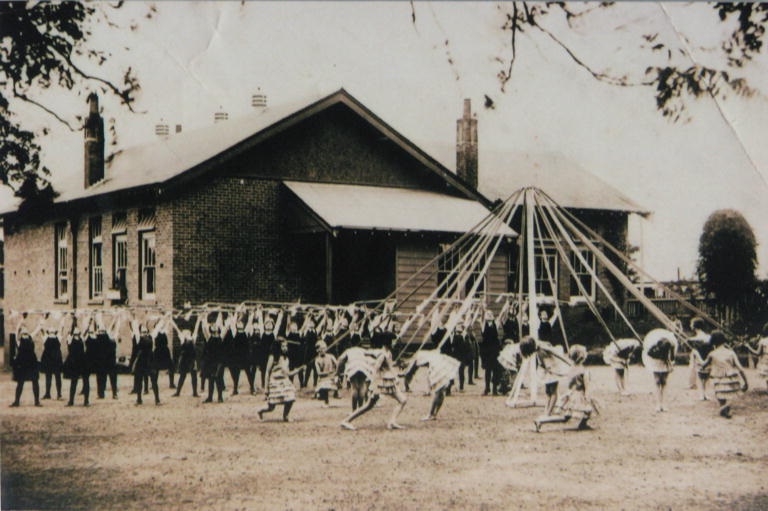
Memories of Cec Smith, bare feet and the adventures of flight in Camden
The memories of Cec Smith as a small boy in Camden vividly recall many events in the area. Flying pageants and parachuting practice at Macquarie Flying School along with other adventures were part of growing up in the area.
Share this:

Share this:
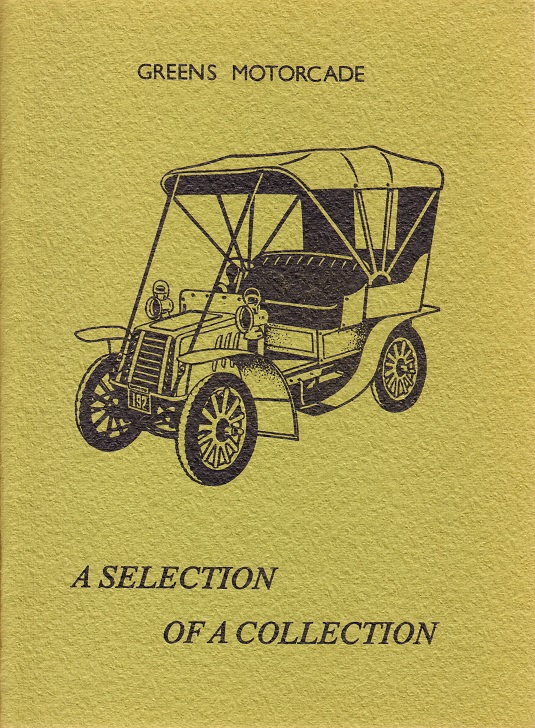
Greens Motorcade Museum Park, Leppington, a lost Sydney icon
Greens Motorcade Museum Park, a prominent car museum in Leppington, opened in 1974 and showcased George Green's extensive vintage car collection. It featured historical attractions and community events but closed in 1982 after Green's death. Iconic vehicles, such as a Leyland P76 and a 1922 Stanley Steamer, are now part of various collections.
Share this:

Share this:

Sydney’s Royal Botanic Gardens
The Royal Botanic Gardens in Sydney, Australia, cover 29 hectares of gardens and 51 hectares of surrounding parkland. Established in 1816, it is the oldest colonial botanic garden in Australia, attracting 4 million visitors annually. With historical significance dating back to 1788, the Gardens reflect changing landscape styles and serve as a popular public space.
Share this:

Share this:
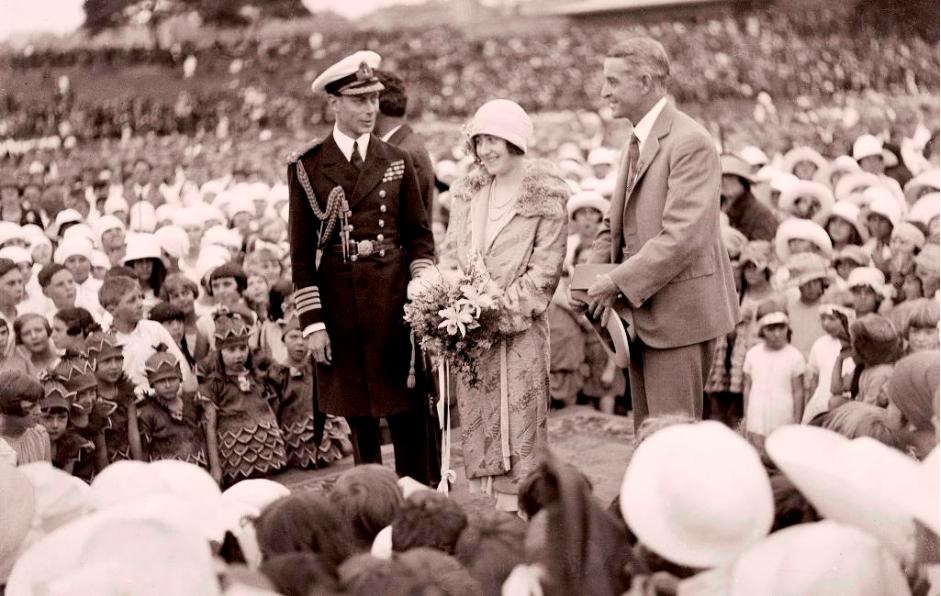
Menangle ‘Little England’ says Duchess of York
In 1927, the Duke and Duchess of York visited Menangle and Camden Park as part of their Australian royal tour. They were guests at the Camden Park house and enjoyed activities such as horse riding and attending the Camden Show. The visit received extensive coverage in newspapers across Australia, highlighting the English countryside-like environment.
Share this:

Share this:
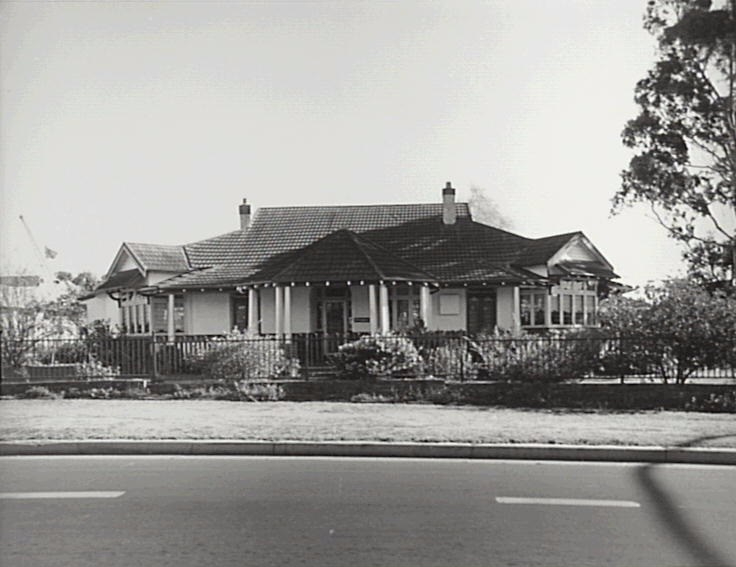
Ben Linden Narellan An Edwardian Gem
Ben Linden in Narellan is a notable Edwardian cottage representing early twentieth-century Australian architecture. The style emerged after the Federation of the Commonwealth of Australia in 1901, influenced by English Edwardian houses but tailored to suit local conditions. This housing style provides insight into the cultural heritage of Camden and the people who built and lived in these houses.
Share this:

Share this:
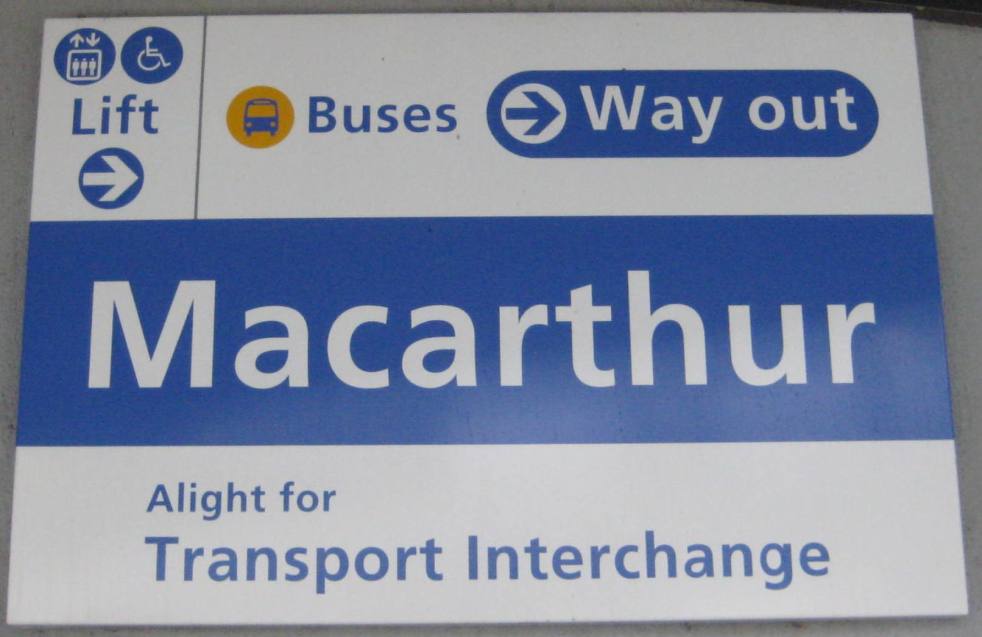
Westies, Bogans and Yobbos. What’s in a name?
The article explores regional identity in Sydney's Macarthur district, focusing on the communities of Campbelltown, Camden, and Picton. It discusses the strong local attachment to identity, which is challenged by perceptions of western Sydney as a cultural wasteland. Jeff McGill’s criticism of regional labeling sparked significant community response, revealing a conflict over identification and stereotypes. While Macarthur's regionalism reflects urban expansion, it struggles for acceptance amidst historical, cultural, and emotional ties that residents hold with their distinct localities.
Share this:

Share this:
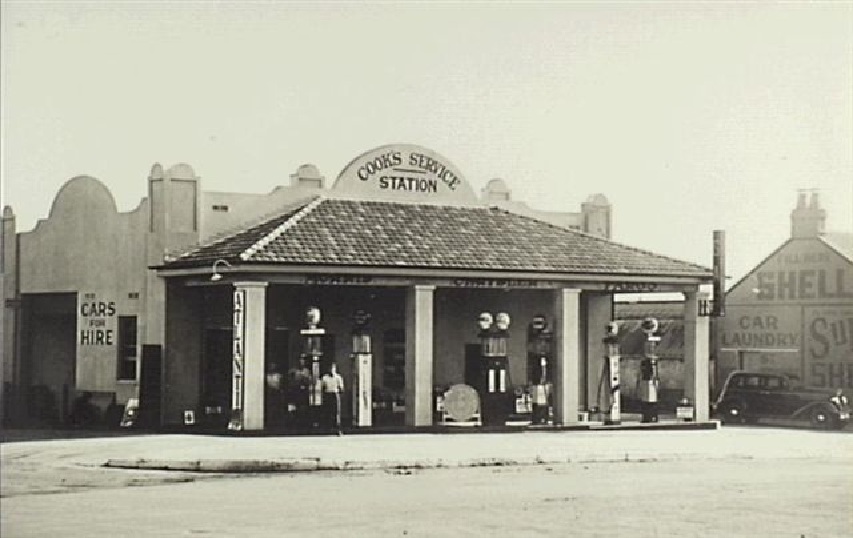
Interwar Camden, the heritage of a country town
During the interwar period, Camden experienced economic growth driven by dairy and coal industries. The town's population grew by over 35%, making it a vital commercial and administrative center. The Hume Highway and railway brought modern influences, leading to developments such as motor industry, cinemas, and the airfield. Camden has maintained its bucolic charm, but has also experienced urbanization pressure. The town centre has many buildings from the interwar period.

