20th century · Aesthetics · Anzac · Art · Attachment to place · Australia · Belonging · Camden · Camden Airfield · Churches · Community Health · Community identity · Cultural Heritage · Cultural icon · Education · Family history · Festivals · First World War · Heritage · Historical consciousness · Historical Research · Historical thinking · History · Interwar · Living History · Local History · Local newspapers · Local Studies · Memorials · Memory · Menangle Army Camp · Military history · Modernism · Myths · Narellan Military Camp · Newspapers · Place making · Public art · Red Cross · Second World War · Sense of place · Stereotypes · Storytelling · Volunteering · Volunteerism · War · War at home · Wartime

Understanding the Anzac Myth: Truths and Contradictions

The Anzac story is vital to Australian identity, yet its meaning remains contested. Historian Dr. Jen Roberts argues that the narrative, while centered on duty and sacrifice, encompasses contradictions surrounding nationalism, trauma, and the realities of war. Anzac's evolution reflects cultural transformations, highlighting diverse interpretations and ongoing relevance in society.

1920s · Aesthetics · Attachment to place · Belonging · Camden · Communications · Cultural Heritage · Cultural icon · Economy · Heritage · Historical consciousness · Historical Research · Historical thinking · History · Leisure · Living History · Local History · Local Studies · Lost Sydney · Memory · Modernism · Moveable Heritage · Narellan · Place making · Railway · Re-enactments · Ruralism · Sense of place · Stereotypes · Storytelling · Streetscapes · Tourism · Transport · Travel · Utilities

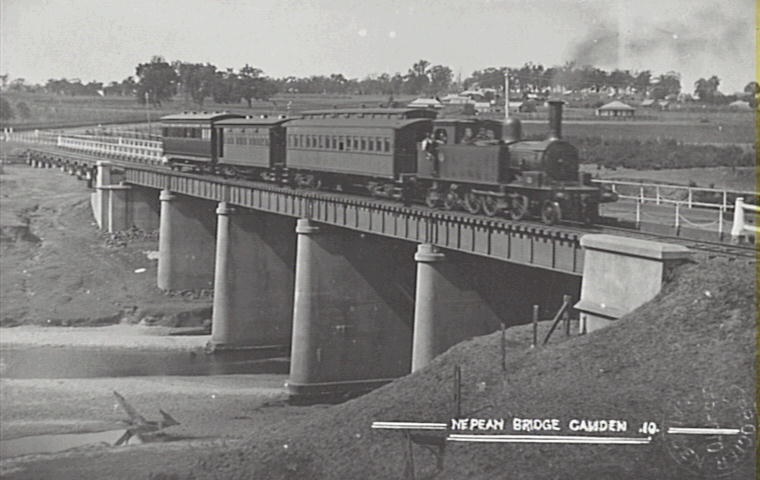
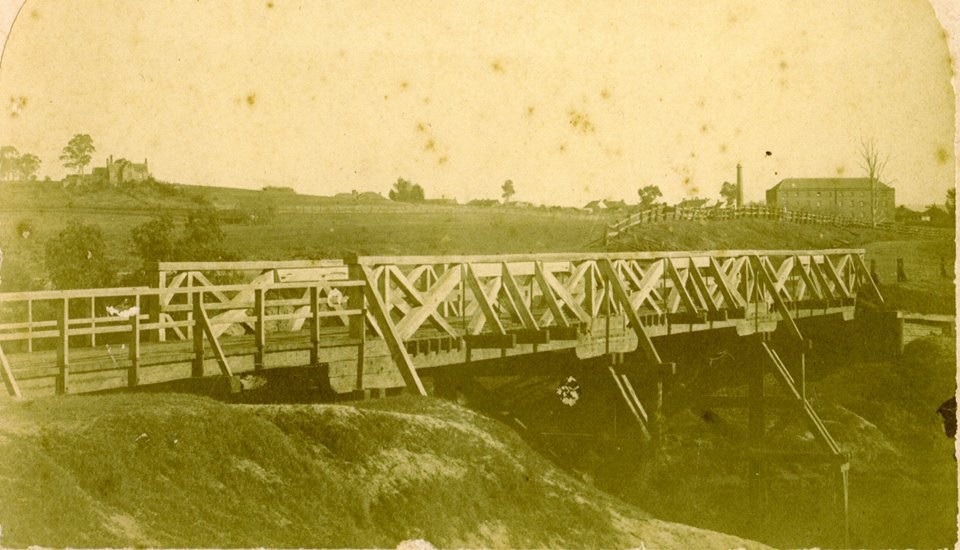
Pansy the Camden locomotive

The Camden train affectionately called Pansy is a distant memory that rekindles many memories and a nostalgia for the past.

Adaptive Re-use · Anzac · Architecture · Attachment to place · Belonging · Community Health · Convalescent Home · Convalescent hospital · Cultural Heritage · First World War · Heritage · Historical consciousness · Historical Research · Historical thinking · History · Job creation · Living History · Local History · Medical history · Memory · Place making · Red Cross · Second World War · Sense of place · Storytelling · Tourism · Travel · Volunteering · Volunteerism · War · War at home · Women's history

A scholarly visit to the harbour city

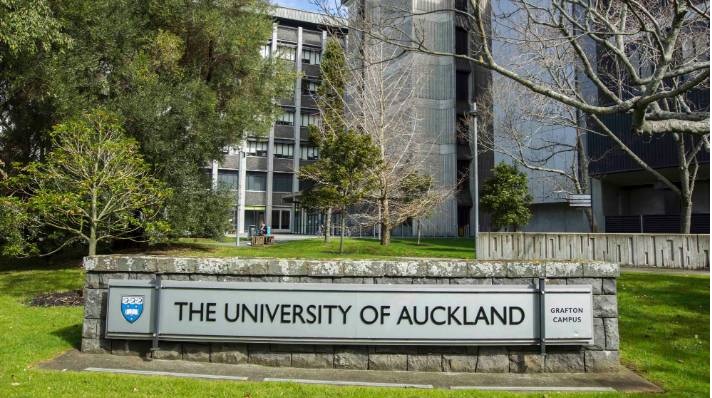
A scholarly visit to the harbour city of Auckland New Zealand by UOW historian Dr Ian Willis was an opportunity to learn more about medical history.

1920s · Aesthetics · Agricultural heritage · Agriculture · Architecture · Attachment to place · Australia · Belonging · Burragorang Valley · Colonial frontier · Colonialism · Community identity · Cowpastures · Cultural Heritage · Cultural icon · Edwardian · Ghosts · Gothic · Governor Macquarie · Guesthouse · Heritage · Historical consciousness · Historical Research · Historical thinking · Hotels · Interwar · Landscape · Landscape aesthetics · Legends · Leisure · Living History · Local History · Local Studies · Macarthur · Memory · Mysteries · Myths · Place making · Ruralism · Sense of place · Settler colonialism · Storytelling · Tourism · Travel

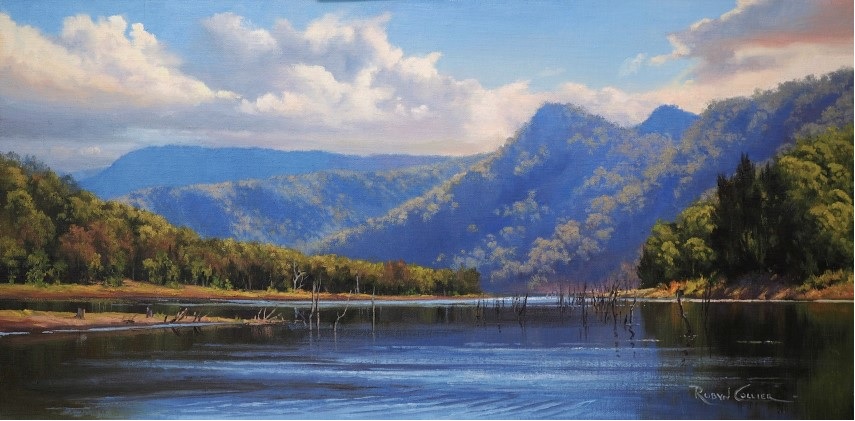
The Burragorang Valley, a lost Gothic fantasy

The Burragorang Valley is a lost Gothic fantasy where many people were attracted to the grandeur and beauty of the valley's landscape. Much of the valley's mystery has been lost under Lake Burragorang.

1920s · Adaptive Re-use · Aesthetics · Attachment to place · Belonging · Colonial frontier · Colonialism · Community identity · Cultural Heritage · Cultural icon · Edwardian · Farming · Georgian · Heritage · Historical consciousness · Historical Research · Historical thinking · History · Leisure · Lifestyle · Living History · Local History · Local Studies · Lost trades · Memory · Modernism · Monuments · Moveable Heritage · Movies · Myths · Place making · Retailing · Ruralism · Sense of place · Settler colonialism · Streetscapes · Theatre · Toowoomba · Tourism · Traditional Trades · Travel

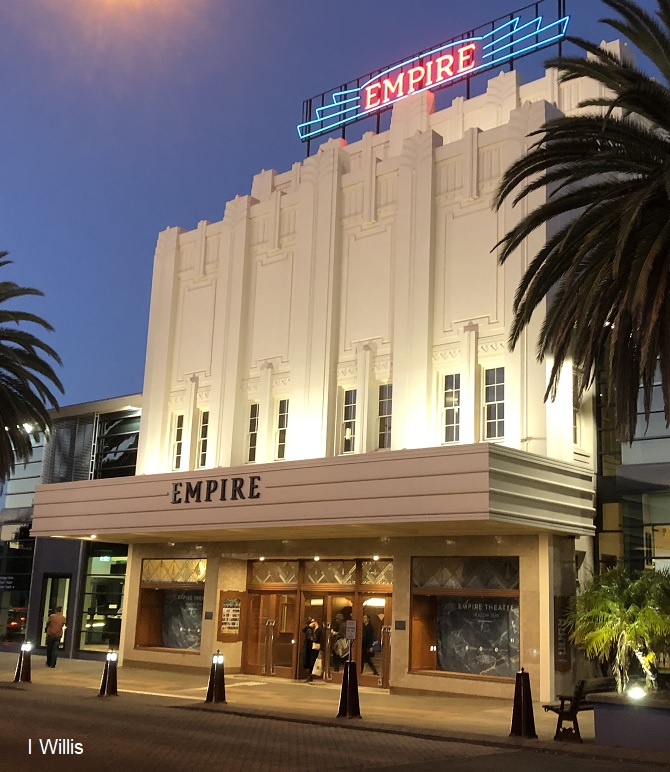
Living history in southern Queensland

Living history in southern Queensland in the regional centre of Toowoomba

Aesthetics · Art · Attachment to place · Australia · Belonging · Camden · Camden Airfield · Camden Park House and Garden · Community identity · Cultural Heritage · Cultural icon · Denbigh · England · Entertainment · Farming · Fashion · Festivals · Gothic · Heritage · Historical consciousness · Historical Research · Historical thinking · History · Interwar · Landscape aesthetics · Leisure · Lifestyle · Living History · Local History · Local Studies · Macarthur · Memorials · Memory · Modernism · Monuments · Moveable Heritage · Movies · Myths · Place making · Public art · Re-enactments · Ruralism · Sense of place · Stereotypes · Streetscapes · Sydney · Sydney's rural-urban fringe · Technology · Theatre · Tourism · Travel · TV Series Shows · Victorian · Volunteerism · War

Movie making Camden style

Filmmakers have long been drawn to Camden's English countryside setting for movie backdrops. The area has hosted various films, including silent movie Silks and Saddles (1921), wartime drama The Rats of Tobruk (1944), series like A Place to Call Home (2012), and modern productions like Peter Rabbit (2018, 2020). It continues to attract filmmakers seeking a classic English aesthetic for their productions.

Art · Australia · Belonging · British colonialism · Camden · Colonial Camden · Colonialism · Community identity · Cultural Heritage · Edwardian · England · Fashion · Gender · Heritage · Historical consciousness · Historical Research · Historical thinking · History · Interwar · Living History · Local History · Local Studies · Memory · Modernism · Place making · Sense of place · Settler colonialism · Tourism · Travel · Women's diaries · Women's history · Women's Writing

Going to London

Going to London was an experience for thousands of young single Australian born women in the 20th century.

20th century · Adaptive Re-use · Architecture · Attachment to place · Built heritag · Business · Business History · Camden · Camden Story · Cultural Heritage · Cultural icon · Heritage · Historical consciousness · History · Interwar · Leisure · Local History · Local Studies · Memory · Mid-century modernism · Modernism · Motoring History · Moveable Heritage · Narellan · Place making · Placemaking · Retailing · Sense of place · Storytelling · Tourism · Transport · Urban growth · Urban history

Clintons Motors Car Showroom, motoring and modernism

In March 1948, Camden celebrated a new era in motoring with the opening of Clintons Motors' modern showroom. The introduction of the FX Holden marked a pivotal moment in Australian automotive history, showcasing innovation and capturing community excitement. This Art Deco building symbolized modern shopping and transformed Camden's motoring landscape.

Attachment to place · Belonging · Camden · Cultural Heritage · England · Fashion · Heritage · Historical consciousness · History · Holidays · Leisure · Lifestyle · Living History · Local History · Memory · Modernism · Movies · Place making · Retailing · Sense of place · Stereotypes · Tourism · Travel · Women's diaries · Women's history · Women's Writing

A 1950s country girl goes to London

A 1950s country girl from Camden goes to London to have the adventure of her life.

Adaptive Re-use · Aesthetics · Architecture · Attachment to place · Australia · Bella Vista Farm · Belonging · British colonialism · Camden Park House and Garden · Colonial Camden · Colonial frontier · Colonialism · Community identity · Convicts · Cultural Heritage · Cultural icon · Family history · Farming · Frontier violence · Georgian · Heritage · Historical consciousness · Historical Research · Historical thinking · History · History of a house · House history · Landscape · Landscape aesthetics · Lifestyle · Living History · Local History · Local Studies · Macarthur · Memory · Monuments · Myths · Place making · Ruralism · Sense of place · Settler colonialism · Storytelling · Tourism · Urban growth · urban sprawl · Women's history

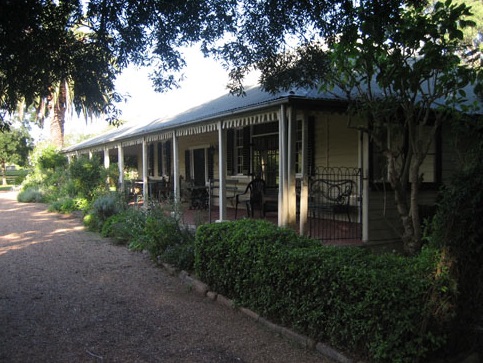
Bella Vista Farm, an early part of the Macarthur rural empire

Bella Vista Farm is an early part of the Macarthur family pastoral empire and an important site in the history of colonial NSW.