1930s · Aesthetics · Agricultural heritage · Agriculture history · British Heritage · Camden Park Estate · Camden Park House and Garden · Camden Story · Canberra · Colonial garden · Commemoration · Cowpastures Gentry · Elizabeth Farm · Elizabeth Macarthur · Garden history · Gardening · Gender · Heritage · History · History of wool industry · Johm Macarthur · Landscape aesthetics · Living History · Macarthur family · Memorial · Memorialisation · Memorials · Memory · Nationalism · Philanthropy · Roses · Sibella Macarthur Onslow · Social History · Uncategorized · Volunteering · Volunteerism · Women's history · Women's stories

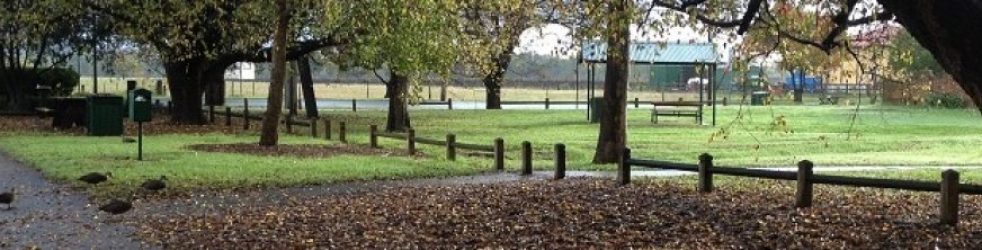
Canberra’s Macarthur Garden: a tribute to Australia’s wool pioneers and their contribution to the foundation of the nation

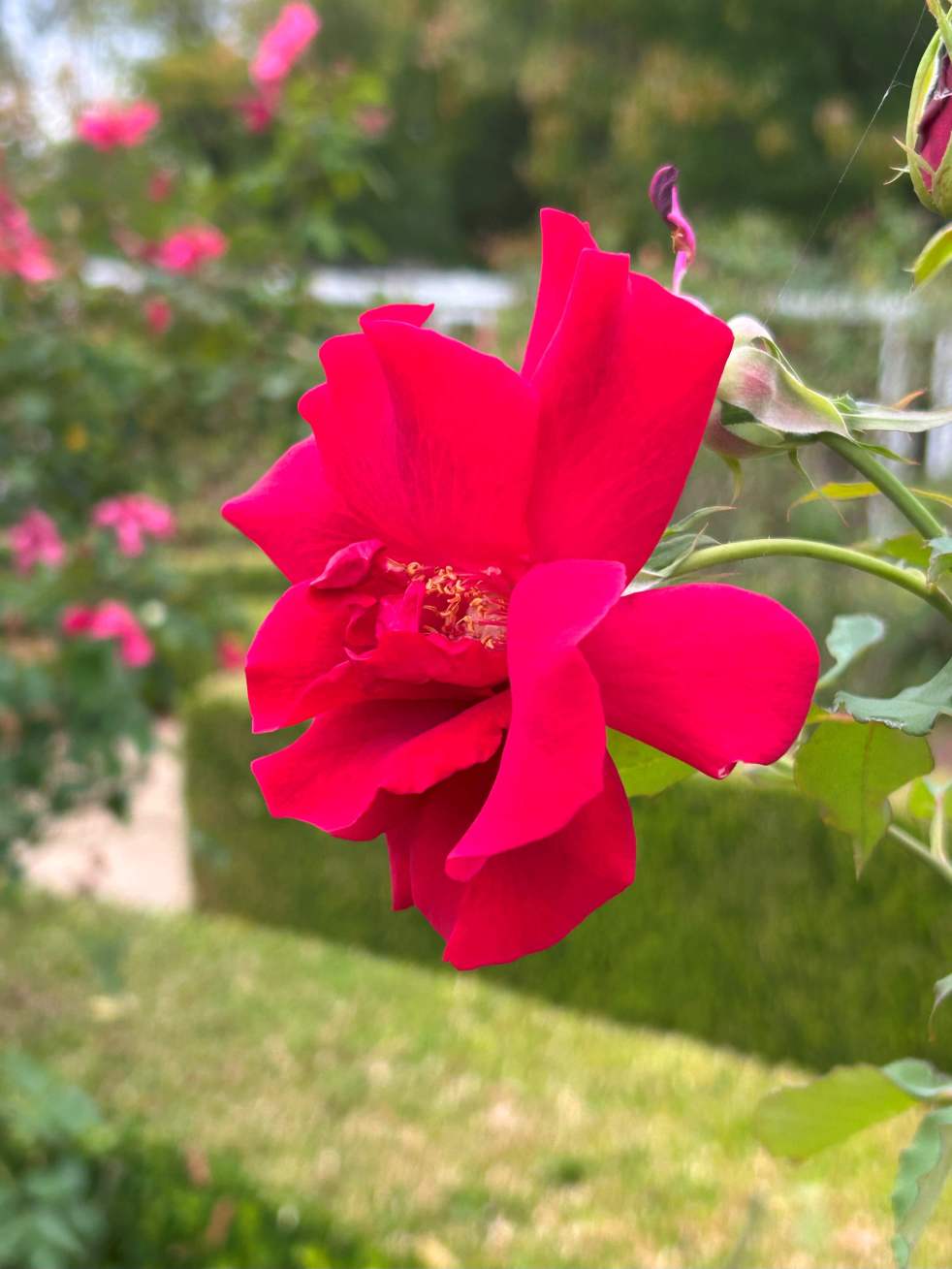
The Macarthur Rose Garden in Canberra commemorates John and Elizabeth Macarthur's pivotal role in Australia's fine wool industry. Donated by their great-granddaughter, Sibella Macarthur Onslow, the garden features roses symbolizing hope and gratitude. Established from 1937-1938, it reflects the connection between the Macarthurs and Australiaโ€™s early nationalism.

Adaptive Re-use · Adaptive Reuse · Aesthetics · Agricultural heritage · Agricultural modernism · Agriculture · Agriculture history · Architecture · Artists · Belgenny Farm · Camden Park Estate · Camden Story · Carpentry · Colonial Camden · Colonialism · Commemoration · Cowpastures · Cowpastures Estates · Cowpastures Gentry · Crafts · Cultural Heritage · Dairying · Elizabeth Macarthur · Entertainment · Farming · History of a building · Landscape · Landscape aesthetics · Living History · Local History · Local Studies · Macarthur · Macarthur family · Memorial · Monuments · Nationalism · Place making · Placemaking · Ruralism · Sense of place · Settler Society · Small town · Stories · Storytelling · Traditional Trades · Village

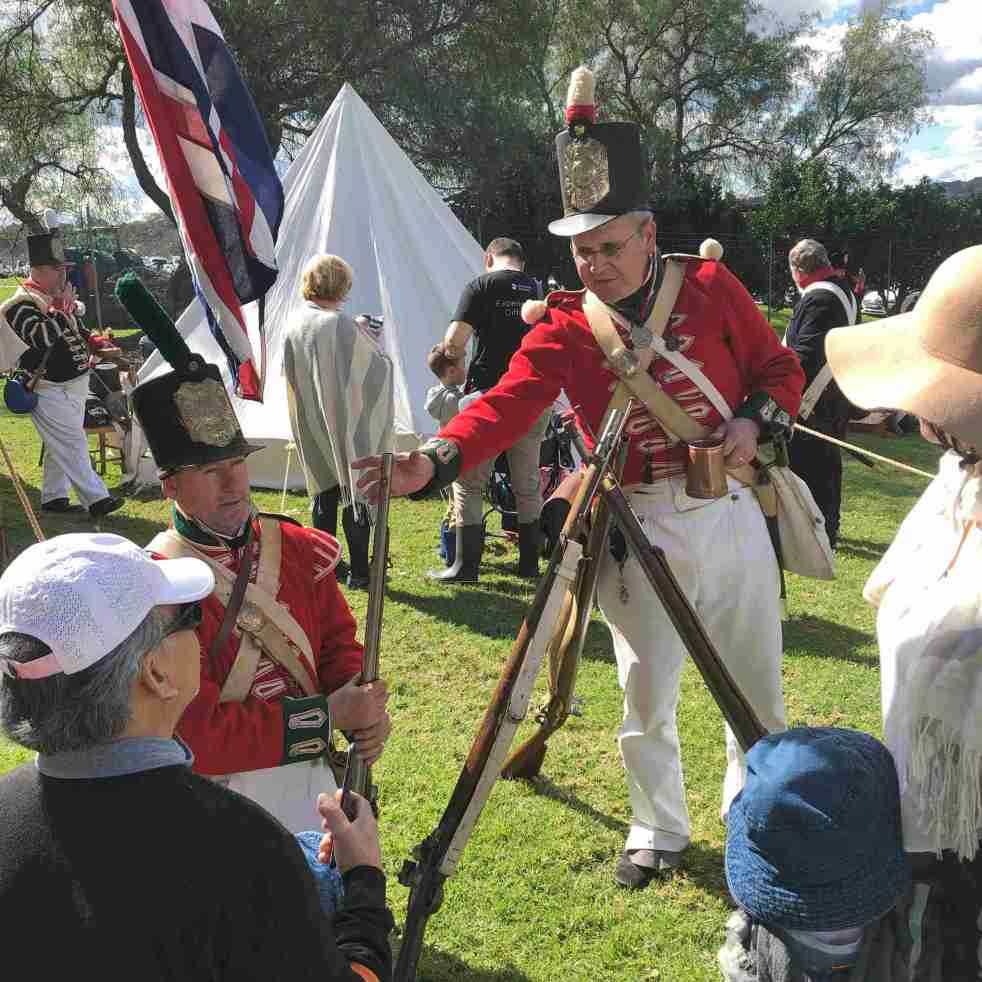
Back to Belgenny 2024, a festival of living history

The 2024 Back to Belgenny festival at Belgenny Farm in South Camden showcased living history with reenactments, traditional trades, and stalls selling arts and crafts of the past. Activities included sheepdog trials, live music, vintage cars, and guided history tours of the site. The farm represents the settler society through the generations of the Macarthur family and their workers.

Book · Cobbitty · Community · Country town · Cultural Heritage · Elizabeth Macarthur · Elizabeth Macarthur Onslow · Gothic · Local History · Local Studies · Place making · Royal Tours · Sense of place · Small town · St Paul's Church Cobbitty · St Pauls Church Cobbitty · Storytelling · Uncategorized · Village · Women's history · Women's stories · Women's Writing

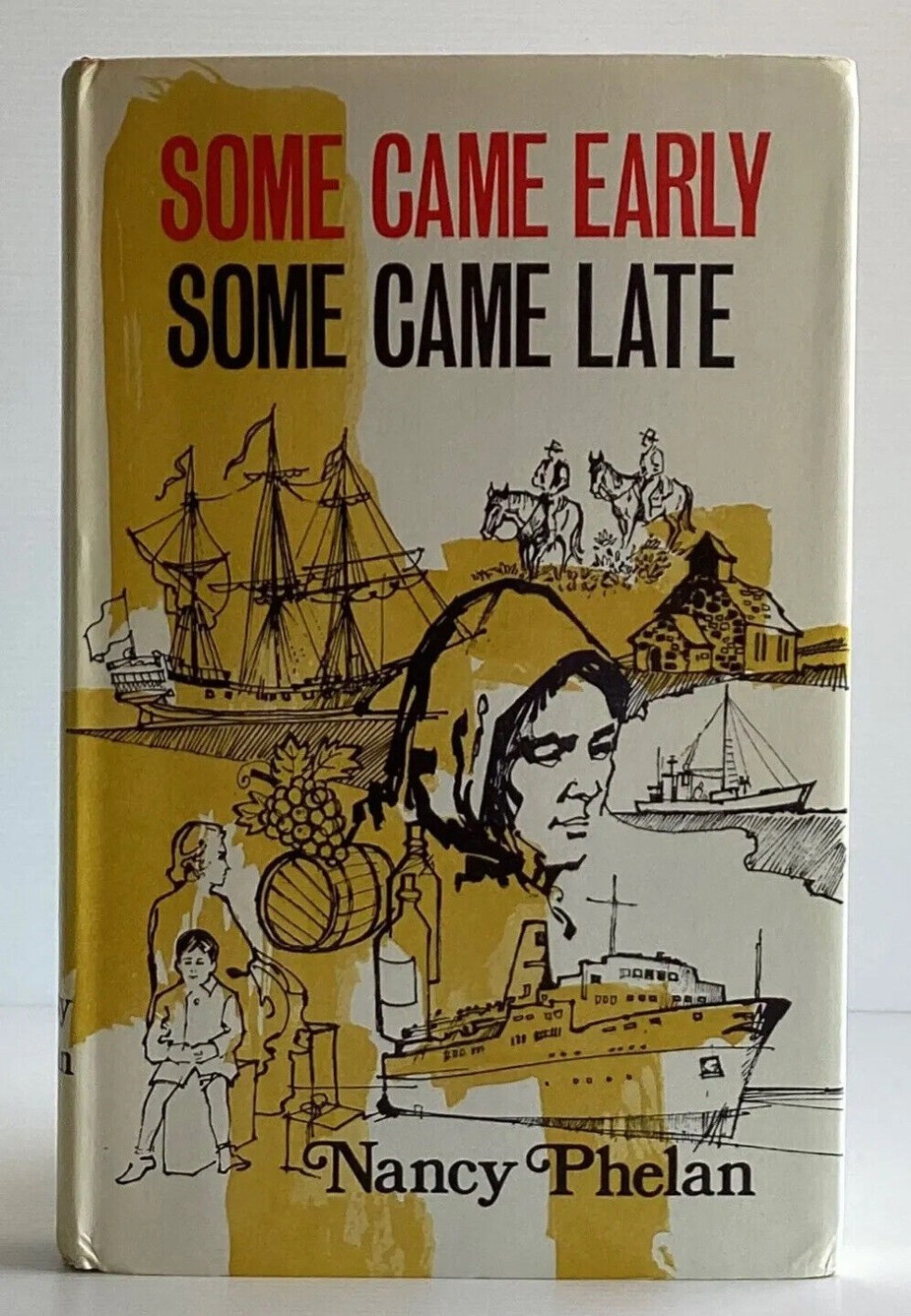
Nancy Phelan’s Reflections on the English Resemblance of Cobbitty, NSW

Australian writer Nancy Phelan's "Some Came Early Some Came Late" (1970) explores the historical significance of the Cobbitty region in New South Wales, focusing on the efforts of early colonial English immigrants to recreate a 'little England'. Phelan's unique perspective, influenced by her own experiences and observations, offers a fresh and captivating view of the region's history, accentuating the deep emotional ties and cultural significance.

1973 New Cities Campbelltown Camden Appin Structure Plan · 20th century · Attachment to place · Built heritag · Camden Council · Camden District · Camden Heritage Conservation Area · Camden Museum · Camden Show · Camden Story · Camden Town Farm · Church History · Churches · Collective Memory · Colonial Camden · Commemoration · Community identity · Country town · Country town idyll · Cultural and Heritage Tourism · Cultural Heritage · Elizabeth Macarthur · Folklore · Hope and loss · Landscape · Legends · Local History · Local newspapers · Local Studies · Lost Camden · Memorial · Memory · Monuments · Place making · Placemaking · rural-urban fringe · Ruralism · Sense of place · Settler Society · Social History · Stereotypes · Stories · Storytelling · Sydney's rural-urban fringe · Tourism · Town planning · Uncategorized · Urban development · Urban growth · Urban history · Urban Planning · urban sprawl · Urbanism

Yearning, Longing and The Remaking of Camdenโ€™s Identity: the myths and reality of โ€˜a country town idyllโ€™.

This article discusses the concept of a "country town idyll" in Camden, an idealised version of a country town from an imagined past that uses history to construct imagery based on Camden's heritage buildings and other material fabrics. The paper delves into the origins of the idyll, examines its development, and investigates its validity in its contemporary context. It shows how its supporters have used history as a community asset to remake Camden's identity and explore how the 'country town idyll' has been used variously as a political weapon, a marketing tool, and a tourist promotion.

Argyle Street · Camden · Camden Council · Camden Historical Society · Camden Museum · Camden Red Cross · Camden Show · Churches · Coal mining · Colonial Camden · Country Women's Association · Cultural Heritage · Dairying · Elizabeth Macarthur · Farming · First World War · Floods · Heritage · History · Living History · Local History · Local newspapers · Local Studies · Macarthur · Macarthur Park · Nepean River · Philanthropy · Place making · Placemaking · Railway · Red Cross · Schools · Second World War · Sense of place · Settler colonialism · Settler Society · Silver mining · Storytelling · Sydney's rural-urban fringe · Uncategorized · Urban development · Urban growth · Urban Planning · urban sprawl · Urbanism · Volunteering · Volunteerism · Wartime · World War One

Camden, a Macarthur family venture

The establishment of Camden, New South Wales, the town in 1840, was a private venture of James and William Macarthur, sons of colonial patriarch John Macarthur, at the Nepean River crossing on the northern edge of the familyโ€™s pastoral property of Camden Park. The townโ€™s site was enclosed on three sides by a sweeping bend in the Nepean River and has regularly flooded the surrounding farmland and lower parts of the town.

Adaptive Re-use · Aesthetics · Agricultural heritage · Agriculture · Architecture · Attachment to place · Australia · Australian Historic Themes · Camden Story · Colonial Camden · Colonial frontier · Colonialism · Community identity · Conservation · Convicts · Cultural Heritage · Cultural icon · Elizabeth Farm · Elizabeth Macarthur · England · Families · Family history · Gardening · Georgian · Heritage · Historical consciousness · Historical Research · Historical thinking · History · History of a house · House history · Landscape · Landscape aesthetics · Living History · Local History · Macarthur · Memory · Parramatta · Place making · Sense of place · Settler colonialism · Settler Society · Storytelling · Victorian · Women's history

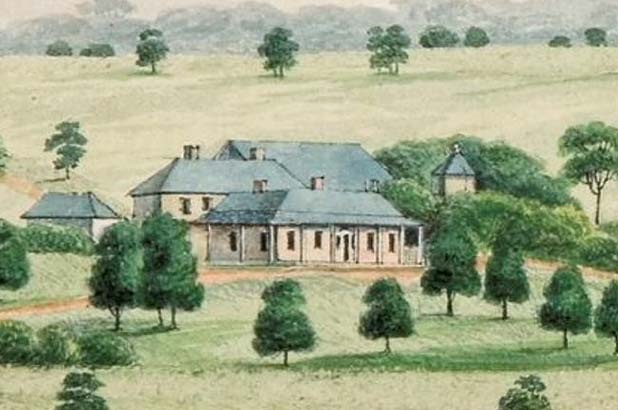
Elizabeth Farm, the foundation story of the Macarthur rural empire

Elizabeth Farm was the home of John and Elizabeth Macarthur for over 35 years, playing a central role in Australia's wool industry. Following years of neglect, it was transformed into a house museum in 1984. With extensive gardens and historical significance, it stands as one of the oldest surviving constructions in Australia.