Agency · Agriculture · Agriculture history · Attachment to place · Belonging · British colonialism · Camden · Cawdor · Cobbitty · Colonial Camden · Colonial frontier · Colonialism · Community identity · Cowpastures · Cowpastures Estates · Cowpastures Gentry · Cultural Heritage · Cultural icon · Denbigh · Economy · Elderslie · England · Farming · Georgian · Gothic · Harrington Park · Heritage · History · Hope and loss · House history · Indigenous Heritage · Johm Macarthur · John Oxley · Kirkham · Landscape · Lifestyle · Local Studies · localism · Macarthur · Maryland · Menangle · Myths · Picton · Pioneers · Place making · Placemaking · Sense of place · Settler colonialism · Settler Society · Storytelling · The Oaks · Urban growth

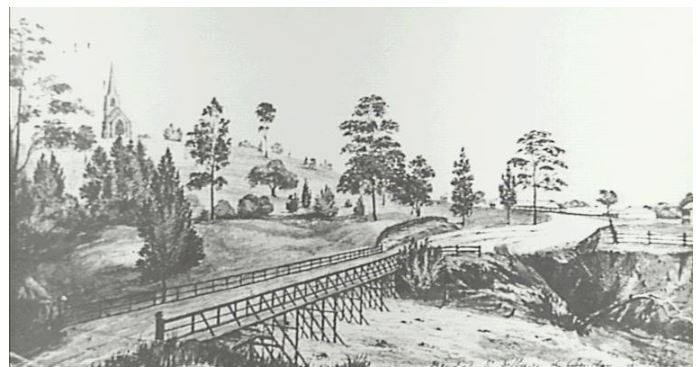
The Cowpastures’ English-styled-gentry and their private villages

A certain type of self-styled-English gentry created a landscape in their own vision in the Cowpastures.

Agriculture · Art · Attachment to place · Belonging · Camden Story · Colonialism · Cowpastures · Cultural Heritage · Cultural icon · History · Landscape · Local History · Memorial · Memorials · Monuments · Oran Park · Parks · Place making · Placemaking · Public art · Settler colonialism · Settler Society · Storytelling · Tourism

Cowpastures memorial, Oran Park

The story of the Cowpastures can be told in many ways including through public art. At Oran Park an art installation of a herd of bronze cows is one approach to storytelling.

Aesthetics · Agricultural heritage · Art · Artists · Attachment to place · Belonging · British colonialism · Burragorang Valley · Camden · Camden Hospital · Camden Story · Church History · Coal mining · Colonial Camden · Community identity · Cultural Heritage · Cultural icon · Dairying · Dharawal · Farming · Heritage · Historical consciousness · Historical thinking · History · Living History · Local History · Local Studies · Macarthur · Memorial · Memorialisation · Memorials · Memory · Mid-century modernism · Modernism · Monuments · Pioneers · Place making · Public art · Sense of place · Settler colonialism · Settler Society · Social History · Stereotypes · Storytelling · Tourism

Camden Rotary Pioneer Mural: public art, a mural, a memorial wall and a wishing well

The Camden Pioneer Mural is an example of public art. The Camden mural depicts the Camden story as interpreted in 1962 by ceramic artist Byram Mansell.

Aesthetics · Architecture · Art · Attachment to place · Belonging · British colonialism · Built heritag · Camden · Camden Park House and Garden · Camden Story · Camden Town Centre · Church History · Churches · Collective Memory · Colonial Camden · Colonialism · Community identity · Cowpastures · Cultural Heritage · Cultural icon · England · Farming · Gothic · Heritage · Historical consciousness · Historical Research · History · Landscape aesthetics · Legends · Living History · Local History · Local Studies · Macarthur · Memorialisation · Memorials · Memory · Monuments · Myths · Place making · Ruralism · Sense of place · Settler colonialism · Settler Society · Social History · St John's Church Camden · Symbolism · Tourism · Victorian · Women's history

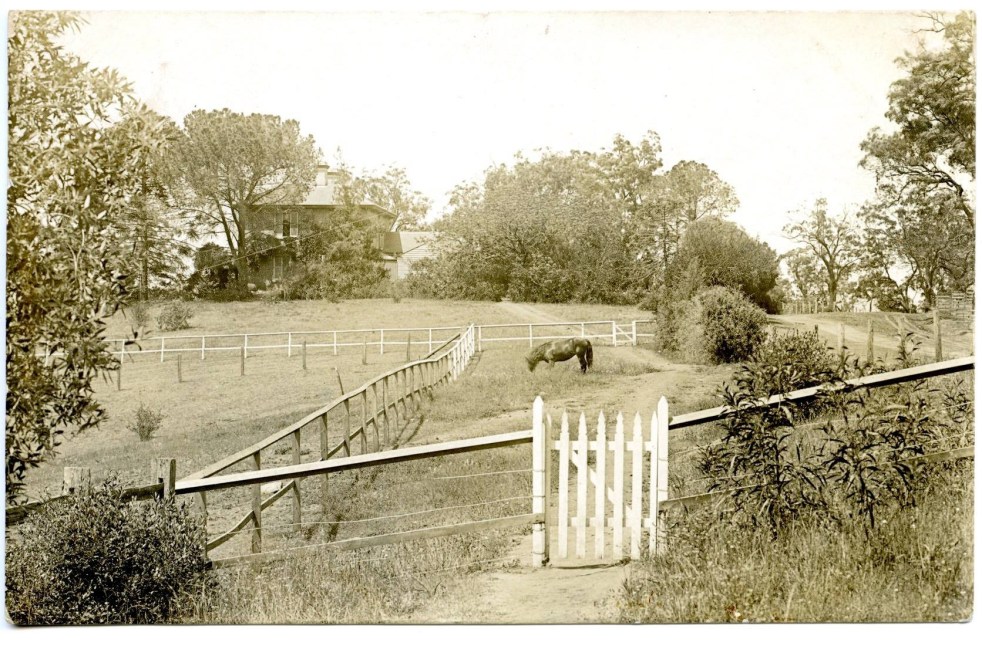
St John’s Church, a contested sacred site in the historic landscape of the Cowpastures

A contested sacred site in the historic landscape of the Cowpastures. St John's Church wants to sell a former horse paddock to fund a new worship centre against community opposition.

Aesthetics · Architecture · Attachment to place · Belonging · British colonialism · Collective Memory · Colonialism · Community identity · Cultural Heritage · Cultural icon · England · Governor Macquarie · Highways · History · Living History · Local History · Local Studies · Memorialisation · Memorials · Memory · Mileposts · Monuments · Parks · Place making · Settler colonialism · Settler Society · Storytelling · Sydney · Urban development · Urban history · Wayfinding

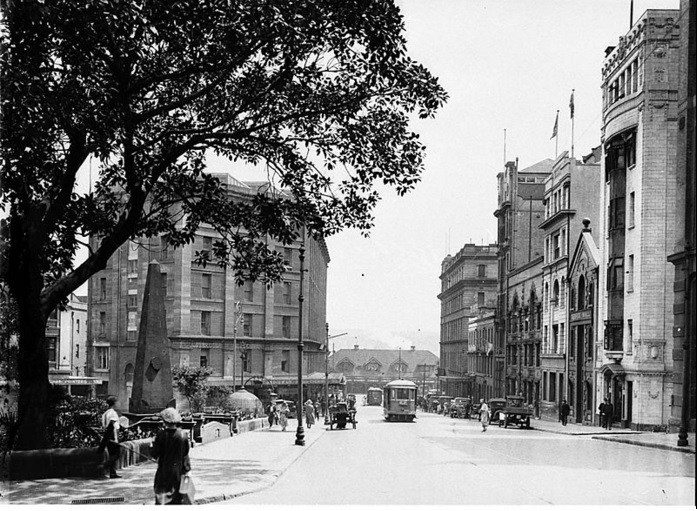
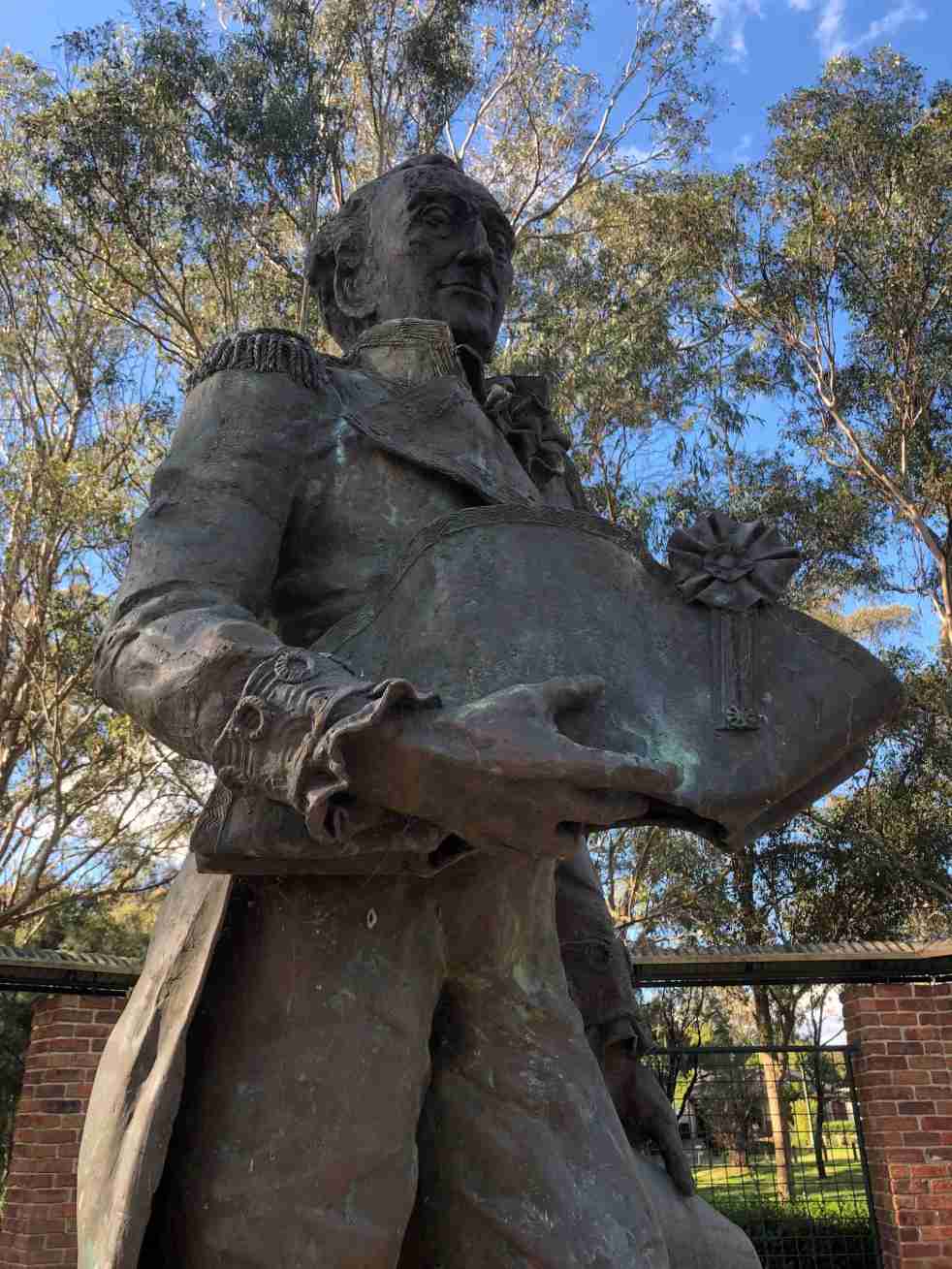
Macquarie Place: an overlooked city space of monumental importance

Macquarie Place is Sydney's oldest public square, established by Governor Macquarie over 200 years ago. Once a colonial elite space, it has transformed alongside the city into a hub for modern finance. The park features monuments and relics, symbolizing its historical significance and ongoing evolution amid urban change.

Aesthetics · Architecture · Attachment to place · British colonialism · Built heritag · Church History · Churches · Cobbitty · Colonialism · Commemoration · Community identity · Cowpastures · Cultural Heritage · Cultural icon · Denbigh · England · Fashion · Festivals · Heritage · Historical consciousness · Historical thinking · History · Landscape aesthetics · Living History · Local History · Local Studies · Macarthur · Memorialisation · Memorials · Memory · Monuments · Moveable Heritage · Myths · Place making · Placemaking · Regionalism · Ruralism · Sense of place · Settler colonialism · Settler Society · Small communities · St Paul's Church Cobbitty · St Pauls Church Cobbitty · Storytelling · Urban development · Victorian · Village

Cobbitty Anglican Church, a little bit of England celebrates 190 years

The English-style village of Cobbitty celebrates 190 years of the presence of the Anglican church.

Agricultural heritage · Agriculture · Appin · Attachment to place · British colonialism · Burragorang Valley · Business · Camden · Camden Museum · Camden Story · Colonial Camden · Colonialism · Communications · Community identity · Cultural Heritage · Cultural icon · Economy · Engineering Heritage · Families · Family history · Farming · Heritage · Historical consciousness · Historical Research · Historical thinking · History · Living History · Local History · Local Studies · Lost trades · Macarthur · Memory · Moveable Heritage · Myths · Pioneers · Place making · Placemaking · Ruralism · Sense of place · Settler Society · Silver mining · Storytelling · Teamsters · Traditional Trades · Transport · transport history · Yerranderie

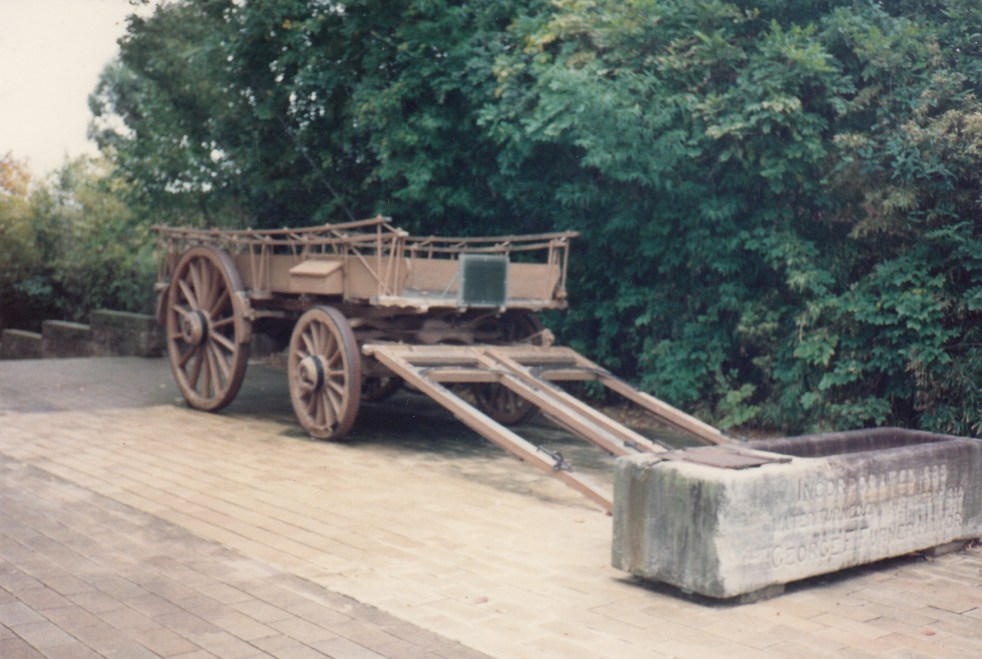
The Bennett wagon, a piece of transport history

The historic Bennett (Percival) Wagon is a cultural icon of a different time when horse and bullock teams were kings of the road.

Adaptive Re-use · Aesthetics · Agricultural heritage · Agriculture · Architecture · Attachment to place · Australia · Australian Historic Themes · Camden Story · Colonial Camden · Colonial frontier · Colonialism · Community identity · Conservation · Convicts · Cultural Heritage · Cultural icon · Elizabeth Farm · Elizabeth Macarthur · England · Families · Family history · Gardening · Georgian · Heritage · Historical consciousness · Historical Research · Historical thinking · History · History of a house · House history · Landscape · Landscape aesthetics · Living History · Local History · Macarthur · Memory · Parramatta · Place making · Sense of place · Settler colonialism · Settler Society · Storytelling · Victorian · Women's history

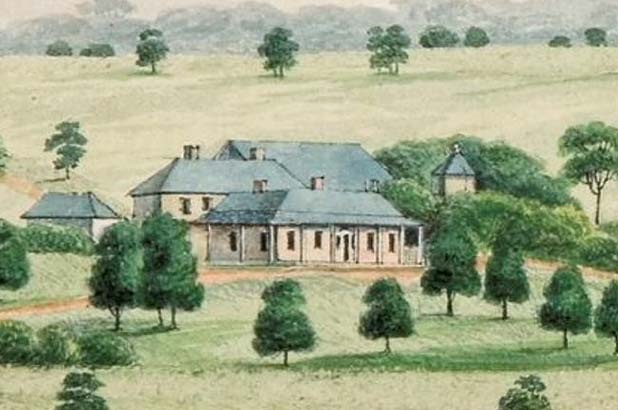
Elizabeth Farm, the foundation story of the Macarthur rural empire

Elizabeth Farm was the home of John and Elizabeth Macarthur for over 35 years, playing a central role in Australia's wool industry. Following years of neglect, it was transformed into a house museum in 1984. With extensive gardens and historical significance, it stands as one of the oldest surviving constructions in Australia.

Architecture · Attachment to place · British Heritage · Colonialism · Conservation · Cricket · Cultural and Heritage Tourism · Cultural Heritage · Cultural icon · Cultural plantings · Design · Education · England · Entertainment · Environment · Farming · Fashion · Garden history · Gardening · Governor Macquarie · Heritage · Historical consciousness · Historical Research · Historical source · Historical thinking · History · Horticulture · Landscape · Landscape aesthetics · Leisure · Living History · Memorialisation · Memorials · Memory · Modernism · Place making · Placemaking · Plant Nursery · Plants · Retailing · Sculpture · Sense of place · Settler Society · Social History · Storytelling · Sydney · Uncategorized · Urban development · Urbanism · Victorian

Sydney’s Royal Botanic Gardens

The Royal Botanic Gardens in Sydney, Australia, cover 29 hectares of gardens and 51 hectares of surrounding parkland. Established in 1816, it is the oldest colonial botanic garden in Australia, attracting 4 million visitors annually. With historical significance dating back to 1788, the Gardens reflect changing landscape styles and serve as a popular public space.

Agriculture · Attachment to place · Belonging · Camden · Churches · Colonialism · Community identity · Cowpastures · Cultural Heritage · Elderslie · Farming · Hawkesbury-Nepean river · Heritage · Horticulture · John Oxley · Landscape · Local History · Local Studies · Pioneers · Place making · Railway · Sense of place · Settler colonialism · Settler Society · St Mark's Church Elderslie · Storytelling · Sydney's rural-urban fringe · Urban development · Urban growth · Urban Planning · urban sprawl · Urbanism · Village

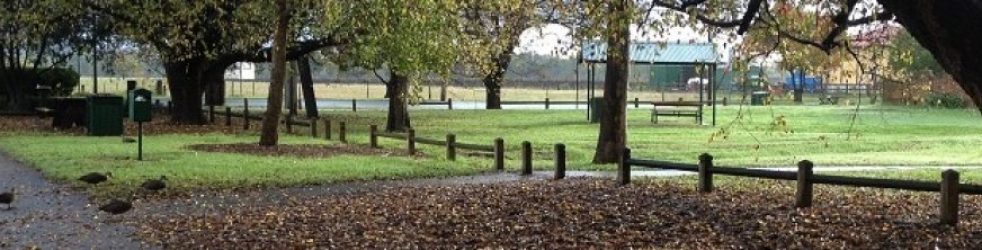
Elderslie, a suburb on Sydney’s fringe

A history of continuity and change Elderslie is a suburb of Camden, the traditional land of the Dharawal people.  It lies on the southern end of the Camden Municipality, 62 km southwest of Sydney, on the rural-urban fringe. Elderslie borders the Nepean River to the west, Narellan Creek to the north, Camden By-Pass to the… Continue reading Elderslie, a suburb on Sydney’s fringe