Attachment to place · Belonging · Camden · Camden Story · Cobbitty · Community identity · Cultural Heritage · Emergency Services · Farming · Floods · Heritage · Historical consciousness · Historical Research · History · Landscape · Living History · Local History · Local Studies · Memory · Natural Disasters · Nepean River · Place making · Ruralism · Sense of place · Storytelling · Urban development · Urban growth · Urban history · Urban Planning · urban sprawl

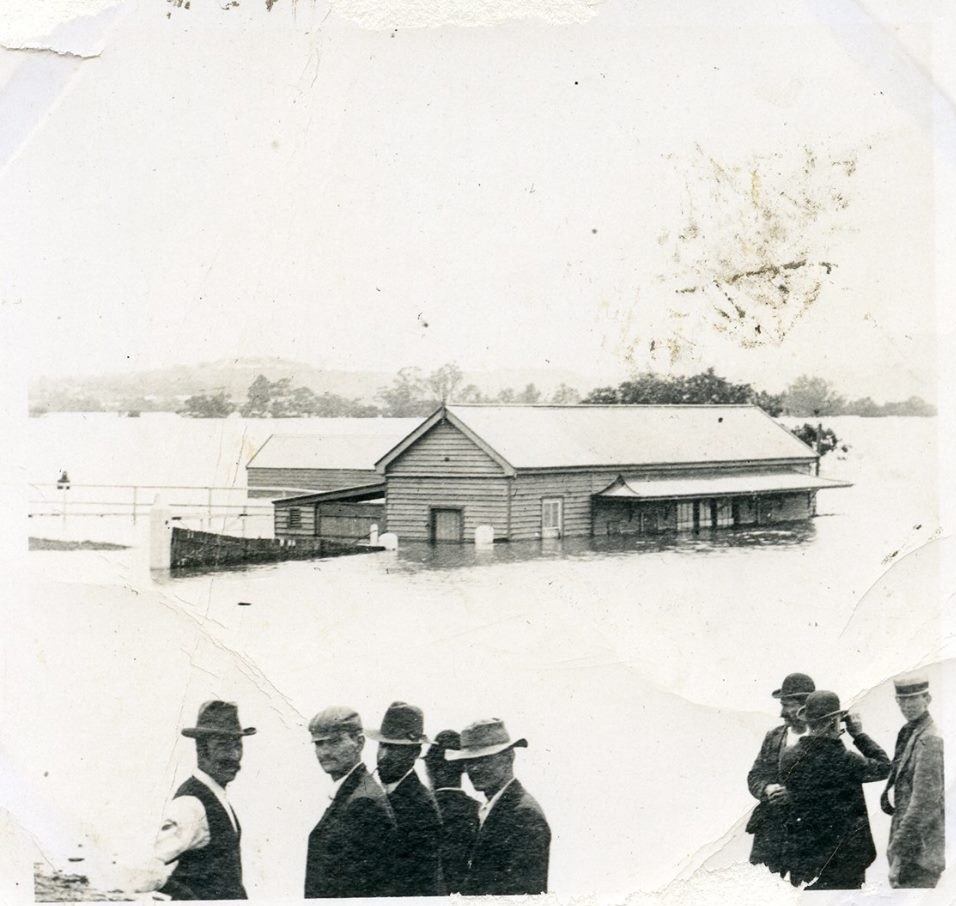
The hidden dangers of Camden’s bathtub effect

The Nepean River's 'bathtub effect' refers to the unique flooding impact created by the river's landform. The Hawkesbury-Nepean River's four gorges result in localized floodplains, causing a 'bathtub effect' during periods of high rainfall. These characteristics make the area susceptible to significant flood risk, impacting local communities.

Adaptive Re-use · Aesthetics · Architecture · Attachment to place · Burra Charter · Business · Business History · Camden · Camden Town Centre · Collective Memory · Colonial Camden · Community identity · Country town · Cultural Heritage · Cultural icon · Economy · Edwardian · Entertainment · Family history · First World War · Heritage · Historical consciousness · Historical Research · History · Interwar · Living History · Local History · Local Studies · localism · Memory · Modernism · Place making · Placemaking · Retail history · Retailing · Ruralism · Sense of place · Shopping · Small communities · Stereotypes · Storytelling · Streetscapes · Tourism · Urban development · Urban growth · Victorian

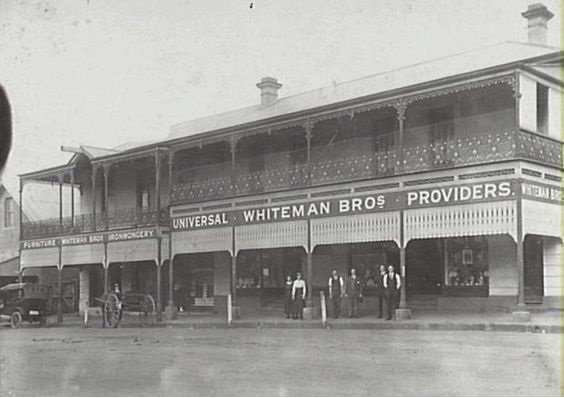
Whiteman commercial buildings in Camden, an example of adaptive re-use

The Whiteman's General Store, a historic Victorian colonial building in Camden, has been successfully repurposed through the Burra Charter principles of adaptive reuse, maintaining its architectural integrity. Operating continuously for over 135 years, it now houses various retail and professional outlets, contributing significantly to the town's charm and community identity.

Aesthetics · Architecture · Attachment to place · Built heritag · Built Heritage · Camden · Camden Built Heritage · Camden Modern · Camden Modernism · Community building · Community identity · Cultural Heritage · Cultural icon · Elderslie · Heritage · Historical consciousness · History · History of a building · History of a house · House history · Housing · Housing styles · Landscape aesthetics · Local History · Lost Camden · Modernism · Place making · Placemaking · Sense of place · Social History · Stories · Storytelling · Town planning · Urban development · Urban growth · Urban history · Urban Planning · urban sprawl · Urbanism

Mid-Century Modernist Homes in Elderslie

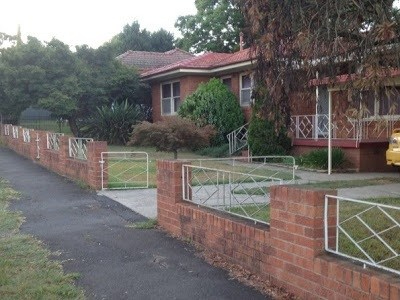
In the 1960s, modernism significantly influenced the community of Elderslie, where miners sought contemporary homes. Innovative house designs reflected mid-20th-century trends, including American Ranch styles. Australian architects, like Robin Boyd, contributed to housing projects across the country, merging modern aesthetics with traditional Federation-style homes. These trends influenced the design of local mid-century housing style, resulting in a unique urban landscape.

Architecture · Attachment to place · Belonging · Built heritag · Collective Memory · Colonialism · Cowpastures · Cultural Heritage · Cultural icon · Entertainment · Ghosts · Heritage · Historical consciousness · Historical Research · Historical thinking · History · House history · Housing · Industrial Heritage · Interwar · Land releases · Landscape · Landscape aesthetics · Legends · Leisure · Lifestyle · Living History · Local History · Local newspapers · Local Studies · Lost Sydney · Macarthur · Memorials · Memory · Motoring History · Myths · Newspapers · Oran Park · Oran Park Raceway · Place making · Placemaking · Recreation · Ruralism · Sense of place · Settler colonialism · Stereotypes · Storytelling · Technology · Theme Parks · transport history · Urban development · Urban growth · Urban history · Urban Planning · urban sprawl · Urbanism

Oran Park Raceway: the finishing line as new horizons open up

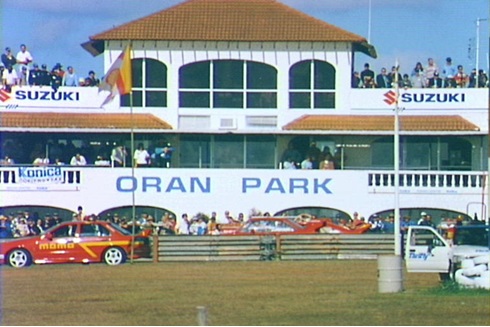
Oran Park is a new suburb on Sydney's urban fringe on the site of the former Oran Park Raceway.

Aesthetics · Architecture · Attachment to place · Belonging · British colonialism · Collective Memory · Colonialism · Community identity · Cultural Heritage · Cultural icon · England · Governor Macquarie · Highways · History · Living History · Local History · Local Studies · Memorialisation · Memorials · Memory · Mileposts · Monuments · Parks · Place making · Settler colonialism · Settler Society · Storytelling · Sydney · Urban development · Urban history · Wayfinding

Macquarie Place: an overlooked city space of monumental importance

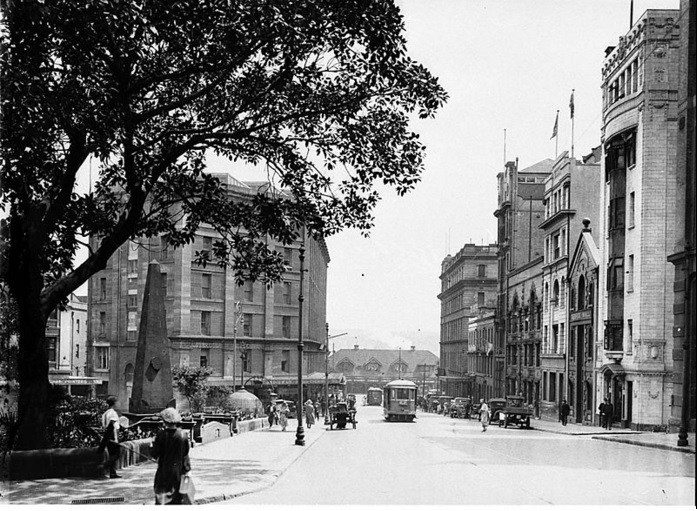
Macquarie Place is Sydney's oldest public square, established by Governor Macquarie over 200 years ago. Once a colonial elite space, it has transformed alongside the city into a hub for modern finance. The park features monuments and relics, symbolizing its historical significance and ongoing evolution amid urban change.

Aesthetics · Architecture · Attachment to place · British colonialism · Built heritag · Church History · Churches · Cobbitty · Colonialism · Commemoration · Community identity · Cowpastures · Cultural Heritage · Cultural icon · Denbigh · England · Fashion · Festivals · Heritage · Historical consciousness · Historical thinking · History · Landscape aesthetics · Living History · Local History · Local Studies · Macarthur · Memorialisation · Memorials · Memory · Monuments · Moveable Heritage · Myths · Place making · Placemaking · Regionalism · Ruralism · Sense of place · Settler colonialism · Settler Society · Small communities · St Paul's Church Cobbitty · St Pauls Church Cobbitty · Storytelling · Urban development · Victorian · Village

Cobbitty Anglican Church, a little bit of England celebrates 190 years

The English-style village of Cobbitty celebrates 190 years of the presence of the Anglican church.

Architecture · Attachment to place · British Heritage · Colonialism · Conservation · Cricket · Cultural and Heritage Tourism · Cultural Heritage · Cultural icon · Cultural plantings · Design · Education · England · Entertainment · Environment · Farming · Fashion · Garden history · Gardening · Governor Macquarie · Heritage · Historical consciousness · Historical Research · Historical source · Historical thinking · History · Horticulture · Landscape · Landscape aesthetics · Leisure · Living History · Memorialisation · Memorials · Memory · Modernism · Place making · Placemaking · Plant Nursery · Plants · Retailing · Sculpture · Sense of place · Settler Society · Social History · Storytelling · Sydney · Uncategorized · Urban development · Urbanism · Victorian

Sydney’s Royal Botanic Gardens

The Royal Botanic Gardens in Sydney, Australia, cover 29 hectares of gardens and 51 hectares of surrounding parkland. Established in 1816, it is the oldest colonial botanic garden in Australia, attracting 4 million visitors annually. With historical significance dating back to 1788, the Gardens reflect changing landscape styles and serve as a popular public space.

Agriculture · Attachment to place · Belonging · Camden · Churches · Colonialism · Community identity · Cowpastures · Cultural Heritage · Elderslie · Farming · Hawkesbury-Nepean river · Heritage · Horticulture · John Oxley · Landscape · Local History · Local Studies · Pioneers · Place making · Railway · Sense of place · Settler colonialism · Settler Society · St Mark's Church Elderslie · Storytelling · Sydney's rural-urban fringe · Urban development · Urban growth · Urban Planning · urban sprawl · Urbanism · Village

Elderslie, a suburb on Sydney’s fringe

A history of continuity and change Elderslie is a suburb of Camden, the traditional land of the Dharawal people.  It lies on the southern end of the Camden Municipality, 62 km southwest of Sydney, on the rural-urban fringe. Elderslie borders the Nepean River to the west, Narellan Creek to the north, Camden By-Pass to the… Continue reading Elderslie, a suburb on Sydney’s fringe

Attachment to place · Belonging · Business History · Camden · Camden Story · Campbelltown · Campbelltown Story · Community identity · Cultural Heritage · Cultural icon · Heritage · Historical consciousness · Local History · Local newspapers · Local Studies · Macarthur · Macarthur region · Myths · Narellan Story · Newspapers · Picton · Place · Place making · Placemaking · Sense of place · Stereotypes · Stories · Storytelling · Sydney's rural-urban fringe · Tourism · Urban development · Urban growth · Urban history · urban sprawl · Urbanism · Village

Westies, Bogans and Yobbos. What’s in a name?

The article explores regional identity in Sydney's Macarthur district, focusing on the communities of Campbelltown, Camden, and Picton. It discusses the strong local attachment to identity, which is challenged by perceptions of western Sydney as a cultural wasteland. Jeff McGill’s criticism of regional labeling sparked significant community response, revealing a conflict over identification and stereotypes. While Macarthur's regionalism reflects urban expansion, it struggles for acceptance amidst historical, cultural, and emotional ties that residents hold with their distinct localities.

1968 Sydney Region Outline Plan · 1973 New Cities Campbelltown Camden Appin Structure Plan · Airds · Attachment to place · Belonging · Camden · Camden Story · Campbelltown · Elderslie · History · Hope and loss · Land releases · Landscape · Landscape aesthetics · Leppington · Local History · Local Studies · localism · Lost Sydney · Macarthur · Mount Annan · Mount Gilead · Narellan · Oran Park · Place making · Regionalism · rural-urban fringe · Ruralism · Sense of place · Storytelling · Sydney's rural-urban fringe · The Oaks · Town planning · Transition zone · Uncategorized · Urban development · Urban growth · Urban history · Urban Planning · urban sprawl · Urbanism

Sydney’s urban fringe: a transition zone of hope and loss

Sydney’s rural-urban fringe is a site of winners and losers. It is a landscape where dreams are fulfilled and memories are lost. The promises of land developers in master-planned suburban utopias meet the hope and expectations of newcomers.