19th Century · 20th century · Adaptive Re-use · Adaptive Reuse · Agricultural heritage · Agricultural modernism · Agriculture · Agriculture history · Belgenny Farm · Built Heritage · Camden Park Estate · Camden Story · Colonial Architecture · Colonial Australia · Colonial Camden · Colonial frontier · Colonial garden · Colonial NSW · Colonial Settler Community · Colonialism · Commemoration · Convicts · Cowpastures · Cowpastures district · Cowpastures Estates · Heritage · History · History of a building · History of Camden · Macarthur · Macarthur family · Memorial · Memorialisation · Memory · Museums · Nostalgia · Place · Place making · Placemaking · Social History · Stories · Storytelling · Technology · Traditional Trades · Transport · transport history

Cultural Tourism Success at Belgenny Farm

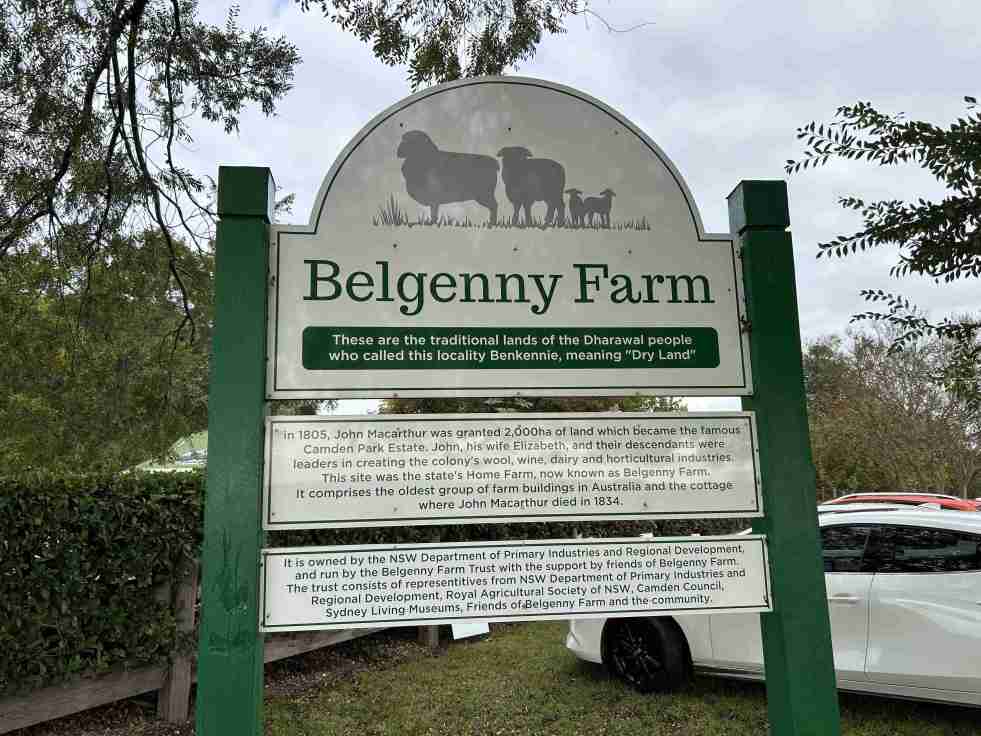
The Belgenny Farm Pioneer Farm Day successfully engaged visitors with Australiaโ€™s oldest farming complex, showcasing historical trades, games, and tours despite overcast weather. Families enjoyed activities like croquet and scavenger hunts, emphasizing the site's rich agricultural history and cultural significance. The event highlighted community involvement and fostered appreciation for heritage.

19th Century · Agricultural heritage · Agriculture · British colonialism · British Heritage · Colonial Australia · Colonial Camden · Colonial frontier · Colonial NSW · Colonial Settler Community · Colonialism · Convicts · Cowpastures · Cowpastures district · Cowpastures Estates · Cowpastures Gentry · Cowpastures Region · Cowpastures River · Cultural Heritage · Cultural icon · Dairying · Economy · Elderslie · England · Families · Family history · Farming history · Heritage · John Hawdon · Local Studies · Pioneers · Place · Place making · Placemaking · Social History · Stories · Storytelling · Uncategorized

Insights from the Hawdon Letters: Colonial Life in NSW, Part 2, 1831-1833

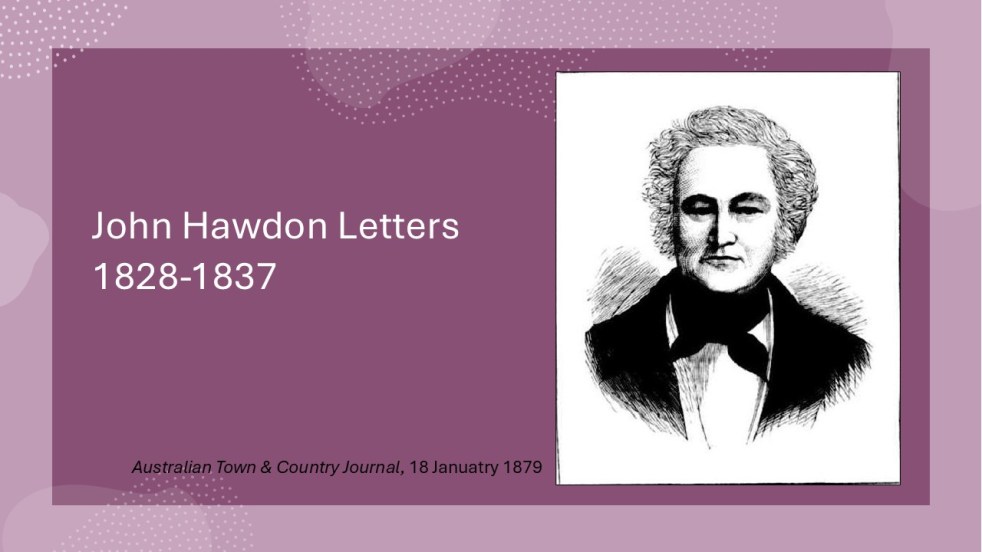
John Hawdon's letters from New South Wales (1831-1833) reveal colonial life, highlighting farming challenges, isolation from England, and the high costs of communication. These letters provide insights into market conditions, crop successes, and family updates, showcasing the Hawdons' experiences and adaptations in a new land, while retaining original spelling and structure.

Agricultural heritage · Agriculture · Agriculture history · Artists · Belgenny Farm · Camden Park Estate · Camden Story · Colonial Camden · Cultural and Heritage Tourism · Dairying · Farming · Farming history · Heritage Walking Tours · History · History Festival · Leisure · Living History · Local History · Macarthur · Macarthur family · Place making · Placemaking · Sense of place · Settler colonialism · Settler Society · Social History · Stories · Storytelling

Explore History with Friends of Belgenny Farm Events

On a cloudy day in late May 2025, the Friends of Belgenny Farm held an open day attracting over 285 visitors interested in early Australian history. The event featured various stalls, historical displays, and guided tours of the historic site, which holds national significance and showcases Australia's earliest colonial farm buildings.

19th Century · 20th century · Architecture · British colonialism · Built heritag · Camden Built Heritage · Camden John Street Precinct · Camden Police Barracks · Collective Memory · Colonial Camden · Colonial frontier · Colonialism · Country town · Court of Petty Sessions · Cowpastures · Cowpastures district · Cowpastures Estates · Cowpastures Gentry · Cowpastures Region · Cultural Heritage · Heritage · History of a building · Local History · Local Studies · Military history · Place making · Policing · Sense of place · Settler Society · Small town · Stories · Storytelling · Uncategorized · Urban history · Victorian

Camden Police Station and Residence: A Historical Landmark in Camden

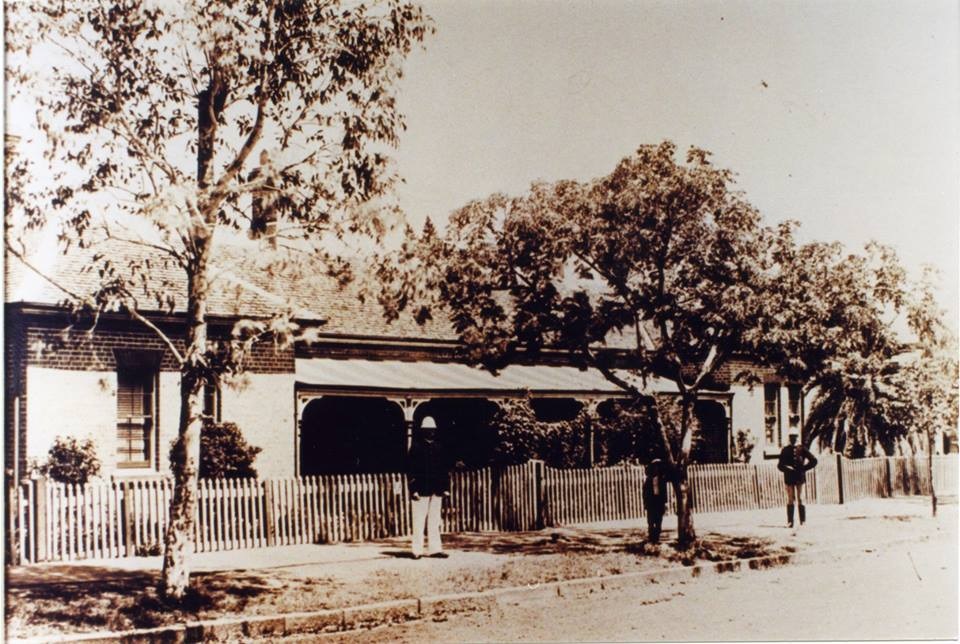
Camden Police Station, a single-storey brick building at 35 John Street, was constructed in 1878 and served the NSW Police Service until 2011. Designed by James Barnet, it features historical architectural elements, including a paved verandah and brick chimneys. Currently vacant, it is recognized for its heritage value within the Camden community.

1920s · Architecture · Attachment to place · Camden Park House and Garden · Camden Story · Carpentry · Colonial Camden · Colonial frontier · Colonialism · Cowpastures · Craft · Cultural Heritage · Cultural icon · Economy · Engineering Heritage · Farming · Heritage · History · Industrial Heritage · Lifestyle · Local History · Local Studies · Lost trades · Memory · Modernism · Pioneers · Place making · Ruralism · Sense of place · Settler colonialism · Stereotypes · Storytelling · Traditional Trades

Traditional trades, the legacy of Camden’s carpenters

Carpentry, vital in Camden for centuries, began with Aboriginal bush carpentry using local materials for survival. European settlers adopted this craft, creating simple structures and relying on ingenuity. Formal carpentry evolved with guilds and apprenticeships, maintaining traditional techniques and tools, shaping Camden's architectural landscape with lasting quality.

1920s · 1973 New Cities Campbelltown Camden Appin Structure Plan · Aesthetics · Agriculture · Attachment to place · Belonging · British colonialism · Camden · Camden Council · Camden Story · Camden Town Centre · Cobbitty · Colonial Camden · Colonial frontier · Colonialism · Community identity · Cowpastures · Cultural Heritage · Cultural icon · Curtilage · Denbigh · Dharawal · Economy · Edwardian · England · Farming · Frontier violence · Georgian · Gothic · Governor Macquarie · Heritage · Historical consciousness · Historical Research · Historical thinking · History · Interwar · Landscape · Landscape aesthetics · Living History · Local History · Local Studies · Macarthur · Memory · Menangle · Modernism · Place making · Ruralism · Sense of place · Settler colonialism · Storytelling · Town planning · Urban growth · Urban Planning · Victorian

Camden Heritage Conservation Area – an English-style village in the Cowpastures

The Macarthur private village of Camden was located in the English style countryside of the Cowpastures countryside with its gentry estates and villages. Founded in 1840 it was all part the British imperial imperative and the settler colonial project that came with it.

Adaptive Re-use · Architecture · Attachment to place · Australia · Belonging · British colonialism · Camden · Camden Historical Society · Colonial Camden · Colonial frontier · Colonialism · Community identity · Convicts · Cultural Heritage · Cultural icon · Elderslie · England · Farming · Georgian · Governor Macquarie · Heritage · Historical consciousness · History · History of a house · House history · Landscape · Living History · Local History · Local Studies · Macarthur · Memorials · Memory · Myths · Place making · Sense of place · Settler colonialism · Storytelling · Tourism · Travel

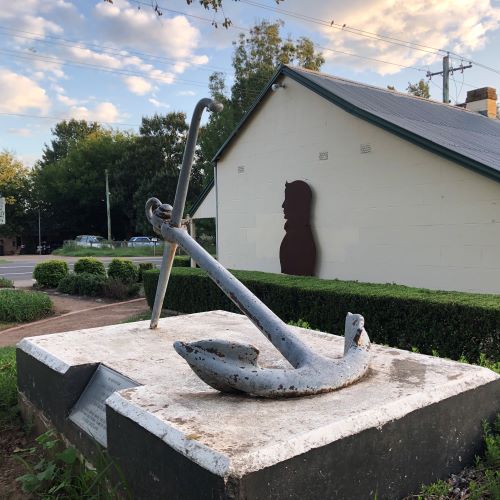
John Oxley’s anchor lost for 34 years

New evidence has emerged challenging previous conclusions about the John Oxley Memorial anchor in Camden. The anchor, a memorial from the British naval authorities, was lost for 34 years before being relocated for public access. John Oxley, an important colonial figure, has multiple commemorations in New South Wales related to his historical significance.

Aesthetics · Art · Attachment to place · Belonging · Camden · Colonial Camden · Colonial frontier · Colonialism · Community identity · Cowpastures · Cultural Heritage · Cultural icon · England · Farming · Floods · Frontier violence · Georgian · Gothic · Heritage · Historical consciousness · Historical Research · History · Landscape aesthetics · Living History · Local History · Local Studies · Macarthur · Memory · Myths · Place making · Ruralism · Sense of place · Settler colonialism · Storytelling

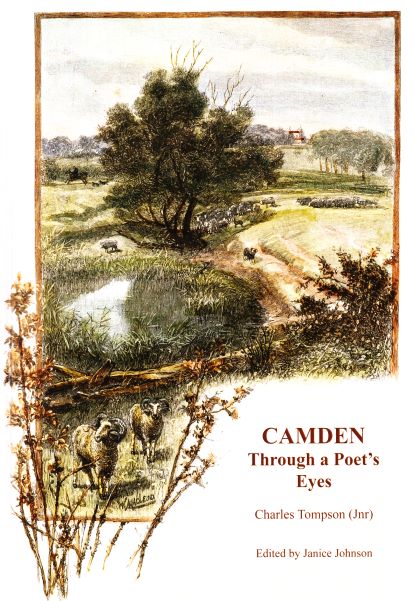
Charles Tompson, a colonial diarist of the Cowpastures

A colonial diarist of the Cowpastures, Charles Tompson.

Aesthetics · Architecture · Art · Attachment to place · Belonging · British colonialism · Built heritag · Camden · Camden Park House and Garden · Camden Story · Camden Town Centre · Church History · Churches · Collective Memory · Colonial Camden · Colonialism · Community identity · Cowpastures · Cultural Heritage · Cultural icon · England · Farming · Gothic · Heritage · Historical consciousness · Historical Research · History · Landscape aesthetics · Legends · Living History · Local History · Local Studies · Macarthur · Memorialisation · Memorials · Memory · Monuments · Myths · Place making · Ruralism · Sense of place · Settler colonialism · Settler Society · Social History · St John's Church Camden · Symbolism · Tourism · Victorian · Women's history

St John’s Church, a contested sacred site in the historic landscape of the Cowpastures

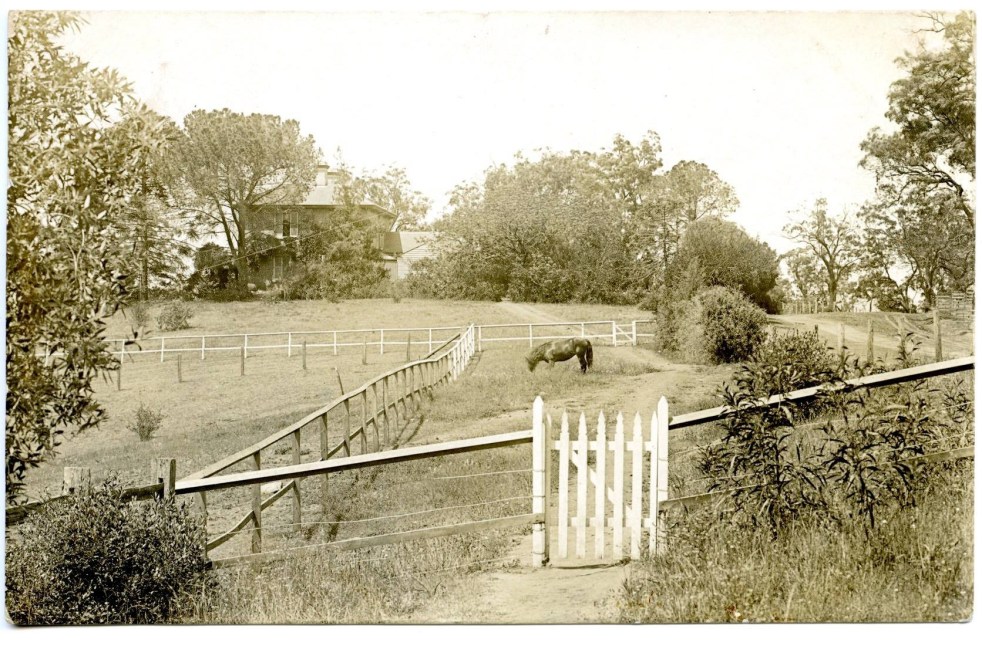
A contested sacred site in the historic landscape of the Cowpastures. St John's Church wants to sell a former horse paddock to fund a new worship centre against community opposition.

British colonialism · Camden Museum · Colonial Camden · Colonialism · Community identity · Convicts · Cultural Heritage · Elizabeth Farm · Farming · Georgian · Gothic · Governor Macquarie · Heritage · History · Landscape aesthetics · Local History · Macarthur · Myths · Place making · Settler colonialism · Victorian

Celebrity author at Camden Museum

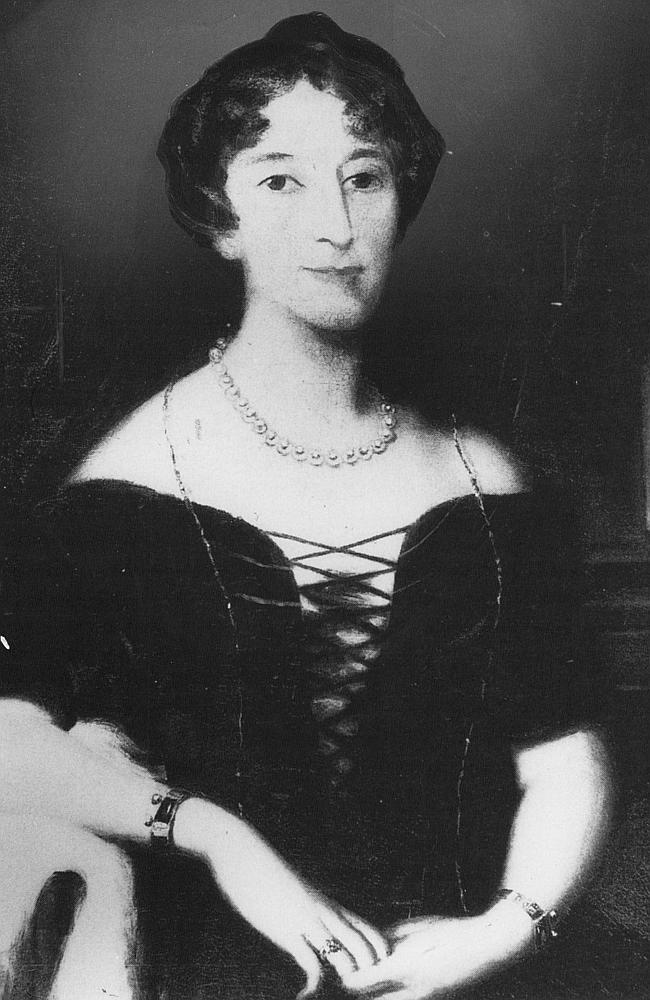
Author Michelle Scott Tucker recently spoke at the Camden Museum about her new book Elizabeth Macarthur A Life at the Edge of the World