Aesthetics · Art · Attachment to place · Belonging · Camden · Colonial Camden · Colonial frontier · Colonialism · Commemoration · Cowpastures Bicentennial · Cultural icon · Dharawal · Family history · Festivals · Frontier violence · Governor Macquarie · Heritage · Historical consciousness · History · Living History · Local History · Local Studies · Memorial · Memorialisation · Memorials · Memory · Monuments · Place making · Public art · Settler colonialism · Settler Society · Tourism · War

Cowpastures’ memories in monuments, memorials and murals.

Many memorials and monuments across the Cowpastures landscape commemorate its history and sense of place, with a recent nostalgic turn focusing on the pioneers and European settlement. War memorials are a ubiquitous form of memorialization in the Macarthur region, and public art, historical sites, and cultural heritage also play significant roles. These commemorations can be controversial, especially considering Australia's dark history, and evoke different memories for different people. Additionally, the landscape of the Cowpastures is interpreted in various ways, including as a colonial frontier, government reserve, and English-style landscape. Various memorials, artworks, and historic sites dot the region, contributing to its identity and history.

Art · Attachment to place · Belonging · British colonialism · Camden · Camden Mayor · Colonial Camden · Colonial frontier · Colonialism · Commemoration · Cowpastures · Cultural Heritage · Cultural icon · Frank Brooking · Frontier violence · Heritage · History · Legends · Local History · Local Studies · Macarthur region · Memorial · Memorials · Memory · Monuments · Myths · Parks · Place making · Placemaking · Public art · Sculpture · Sense of place · Settler colonialism · Settler Society · Storytelling · Uncategorized · Urban development

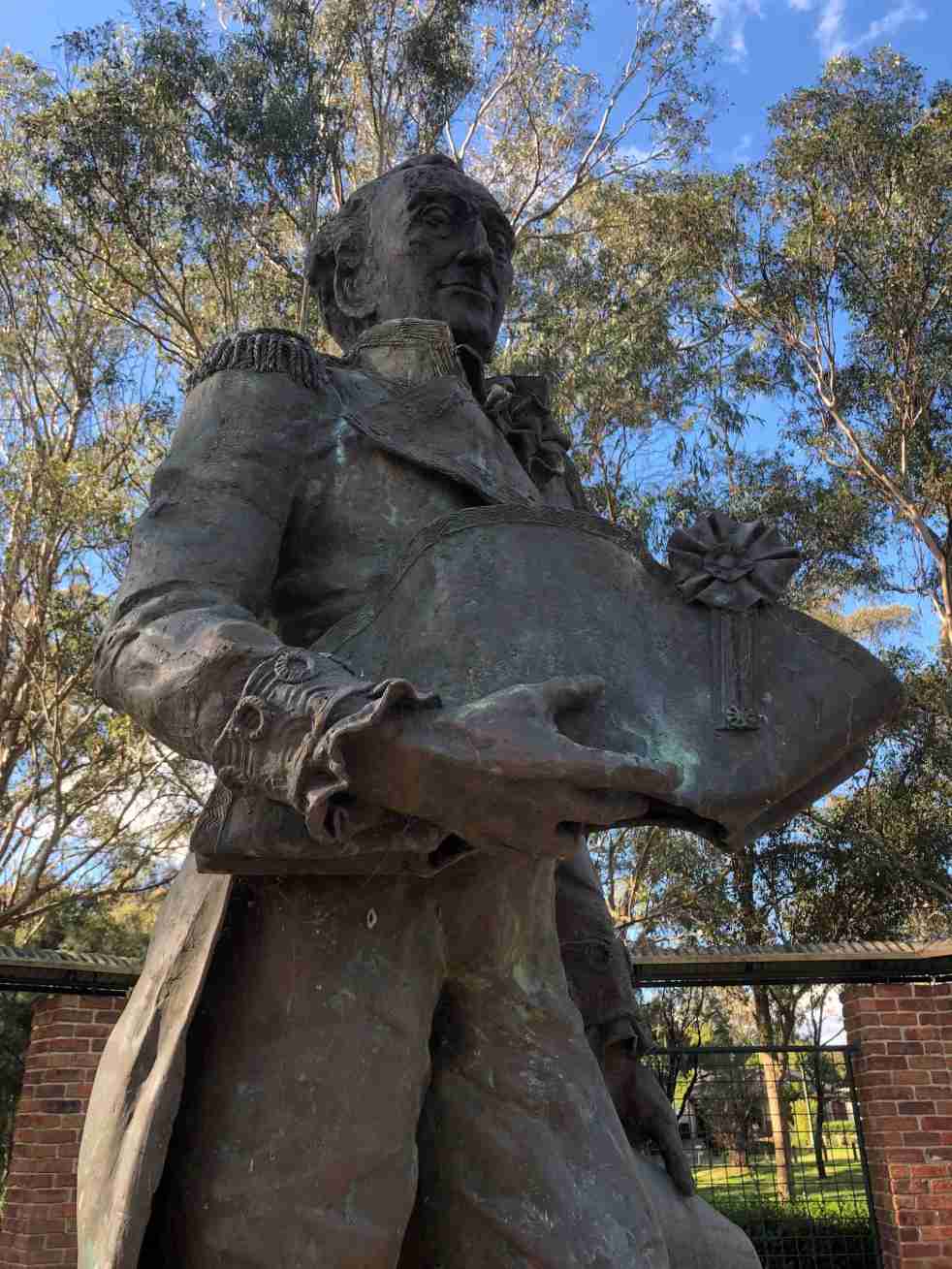
Governor Hunter, a Cowpastures memorial at Mount Annan

The statue of Governor Hunter in the Governors Green Park at Mount Annan is another celebration of the history of the Cowpastures.

1932 · Artefacts · Camden · Camden Museum · Community identity · Cultural Heritage · Cultural icon · Ephemera · Heritage · History · Interwar · Local History · Local Studies · Macarthur · Place making · Political history · Propaganda · Sense of place · Starvation Debenture · Stereotypes · Storytelling · Uncategorized

Political propaganda in 1932

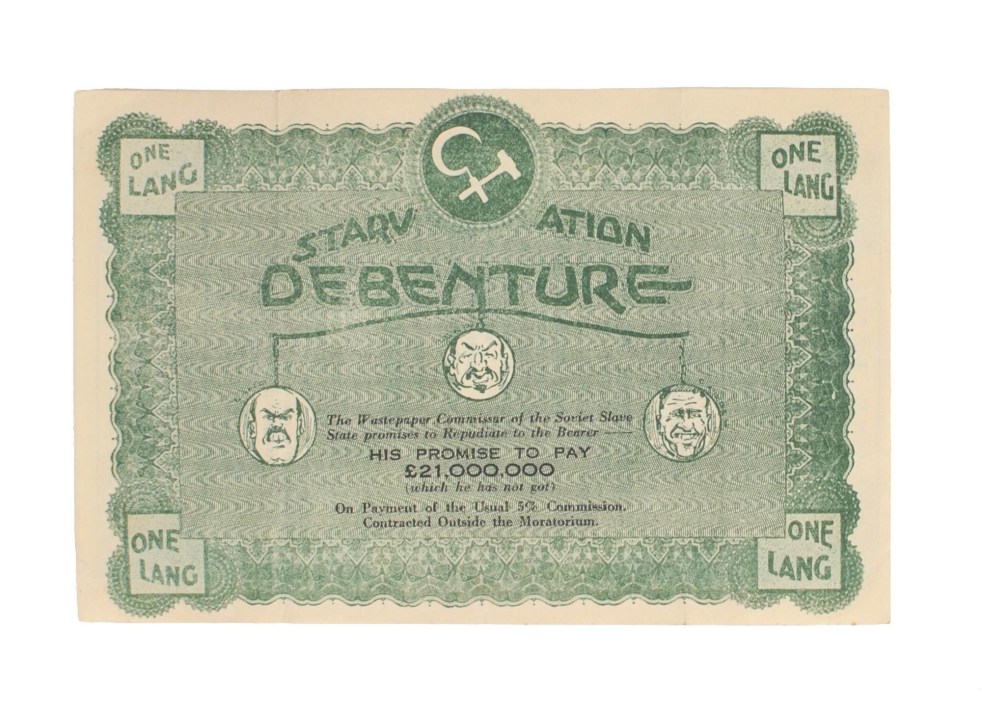
The Starvation Debenture produced by the United Country Party is an example of political advertising from the 1932 New South Wales election.

Agency · Agriculture · Agriculture history · Attachment to place · Belonging · British colonialism · Camden · Cawdor · Cobbitty · Colonial Camden · Colonial frontier · Colonialism · Community identity · Cowpastures · Cowpastures Estates · Cowpastures Gentry · Cultural Heritage · Cultural icon · Denbigh · Economy · Elderslie · England · Farming · Georgian · Gothic · Harrington Park · Heritage · History · Hope and loss · House history · Indigenous Heritage · Johm Macarthur · John Oxley · Kirkham · Landscape · Lifestyle · Local Studies · localism · Macarthur · Maryland · Menangle · Myths · Picton · Pioneers · Place making · Placemaking · Sense of place · Settler colonialism · Settler Society · Storytelling · The Oaks · Urban growth

The Cowpastures’ English-styled-gentry and their private villages

A certain type of self-styled-English gentry created a landscape in their own vision in the Cowpastures.

Art · Attachment to place · Belonging · Camden · Colonial Camden · Colonial frontier · Colonialism · Convicts · Cowpastures · Cultural Heritage · Cultural icon · England · Farming · Heritage · Historical consciousness · Historical Research · Historical thinking · History · Interwar · Landscape aesthetics · Lifestyle · Living History · Local History · Local newspapers · Local Studies · Macarthur · Memorials · Memory · Modernism · Monuments · Myths · Newspapers · Place making · Ruralism · Sense of place · Settler colonialism · Stereotypes · Streetscapes · Sydney's rural-urban fringe · Tourism · Urban growth · urban sprawl · Urbanism · War · Women's history

Making Camden History

Making Camden History tells the story of how the history of the Camden District has been written from the 19th century. It is the history of the history of the local area.

Attachment to place · Bibliography · Camden · Camden Museum · Camden Story · Cultural Heritage · Historiography · History · Local History · Place making · Placemaking · References · Sense of place · Storytelling

Camden Bibliography, a guide to the story of a country town

This is a list of references for the story of Camden and District. It includes newspapers, books, articles, theses and audio-visual sources.

Advertising · Agricultural heritage · Agriculture · Agriculture history · Business · Business History · Camden · Camden Story · Community identity · Country town · Cultural Heritage · Cultural plantings · Economy · Family history · Fergusons Australian Nurseries · Gardening · Heritage · History · Horticulture · Landscape · Local History · Local Studies · localism · Nursery · Place making · Placemaking · Plant Nursery · Retailing · Sense of place · Storytelling · Street Trees · Sydney's rural-urban fringe · Technology · Trees · Uncategorized · Urban development · Urban growth · Urban history · Urban Planning · urban sprawl · Urbanism

Ferguson’s Nursery, the post-war years

During the post-war years, Ferguson's Nurseries continued to be located on Sydney’s urban fringe as the metropolitan area expanded into the rural surrounds.

1920s · Agricultural heritage · Agriculture · Agriculture history · Attachment to place · Belonging · Business · Business History · Camden · Camden Story · Cultural Heritage · Cultural plantings · Economy · Family history · Fergusons Australian Nurseries · Gardening · Heritage · History · Horticulture · Local History · Local Studies · Nepean River · Nursery · Place making · Placemaking · Plant Nursery · Retailing · rural-urban fringe · Sense of place · Storytelling · Sydney · Sydney's rural-urban fringe · The Great South Road · Uncategorized · Urban growth · Urban history · Urban Planning · urban sprawl · Urbanism

Ferguson’s Australian Nurseries on the urban fringe

The 20th-century story of Ferguson’s Australian Nurseries is about their location within Sydney’s rural-urban fringe.

Agricultural heritage · Agriculture · Agriculture history · Business · Business History · Camden · Camden Story · Campbelltown · Colonial Camden · Colonialism · Community identity · Cowpastures · Cultural Heritage · Cultural icon · Cultural plantings · Economy · England · Family history · Farming · Fergusons Australian Nurseries · Gardening · Heritage · Horticulture · Landscape · Landscape aesthetics · Local History · Local Studies · Memory · Nepean River · Nursery · Place making · Plant Nursery · Sense of place · Storytelling · Trees · Uncategorized · Urban growth · Urban history

Ferguson’s Australian Nurseries, a century of horticulture

Ferguson's Australian Nursery was part of the horticulture industry in the Camden area for over 100 years. Francis Ferguson established a nursery opposite Macquarie Grove on the Nepean River.

1920s · Argyle Street · Artefacts · Attachment to place · Camden · Camden Story · Collective Memory · Cultural Heritage · Engineering Heritage · Engineering History · Heritage · Highways · History · Hume Highway · Infrastructure · Living History · Local History · Local Studies · Memorial · Memorials · Memory · Mileposts · Monuments · Place making · Public art · Re-enactments · Roads · Service utilities · Storytelling · Technology · The Great South Road · Tourism · Transport · transport history · Travel · Travellers · Utilities · Wayfinding

Mileposts captured the distance of the past

The white concrete mileposts in Camden, remnants of the Hume Highway, mark distances to destinations like Sydney and Mittagong. Originating from Roman times, these posts were part of a 1934 initiative to standardize road markers in NSW, aiding both travelers and road maintenance. They reflect Camden's cultural and engineering heritage.