
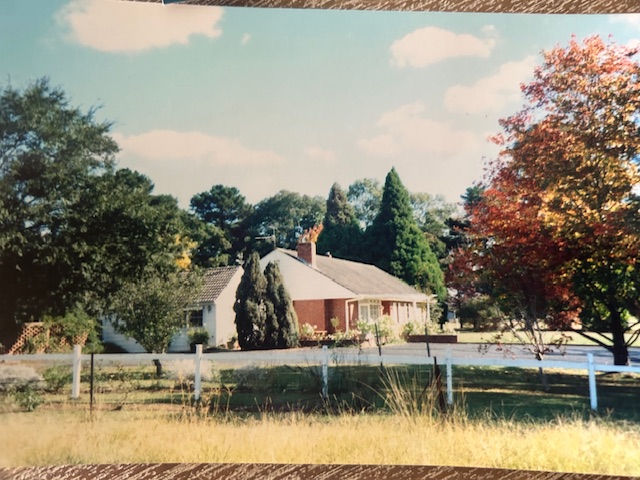
Tarn House, a ranch-style residence built in 1963 by Dr. Gordon Clowes in Elderslie, represents Camden's mid-century modern architecture. Clowes, an influential community figure and surgeon, lived there with his family. The house, now lost, was part of a broader trend of ranch-style homes in the area during the 1960s.
Category: Family history

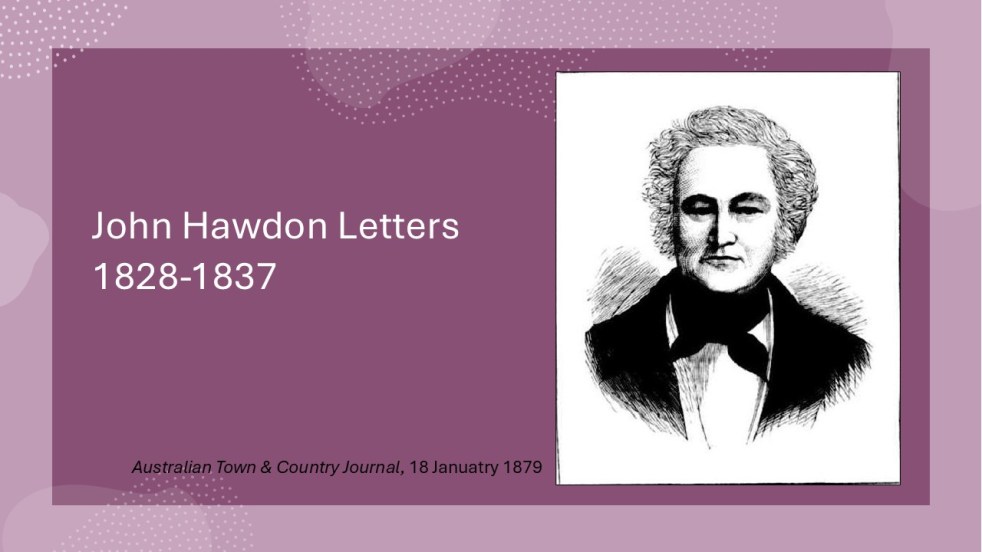
Insights from the Hawdon Letters: Colonial Life in NSW, Part 3, 1833-1837
The letters of John Hawdon and others from 1828 to 1837, preserved in the State Library of NSW, provide insights into colonial life in New South Wales. They highlight themes of isolation, communication challenges, economic struggles, and attitudes toward gender and Indigenous populations, alongside Hawdon's farming experiences and family connections.
Share this:

Share this:
Insights from the Hawdon Letters: Colonial Life in NSW, Part 2, 1831-1833
John Hawdon's letters from New South Wales (1831-1833) reveal colonial life, highlighting farming challenges, isolation from England, and the high costs of communication. These letters provide insights into market conditions, crop successes, and family updates, showcasing the Hawdons' experiences and adaptations in a new land, while retaining original spelling and structure.
Share this:

Share this:
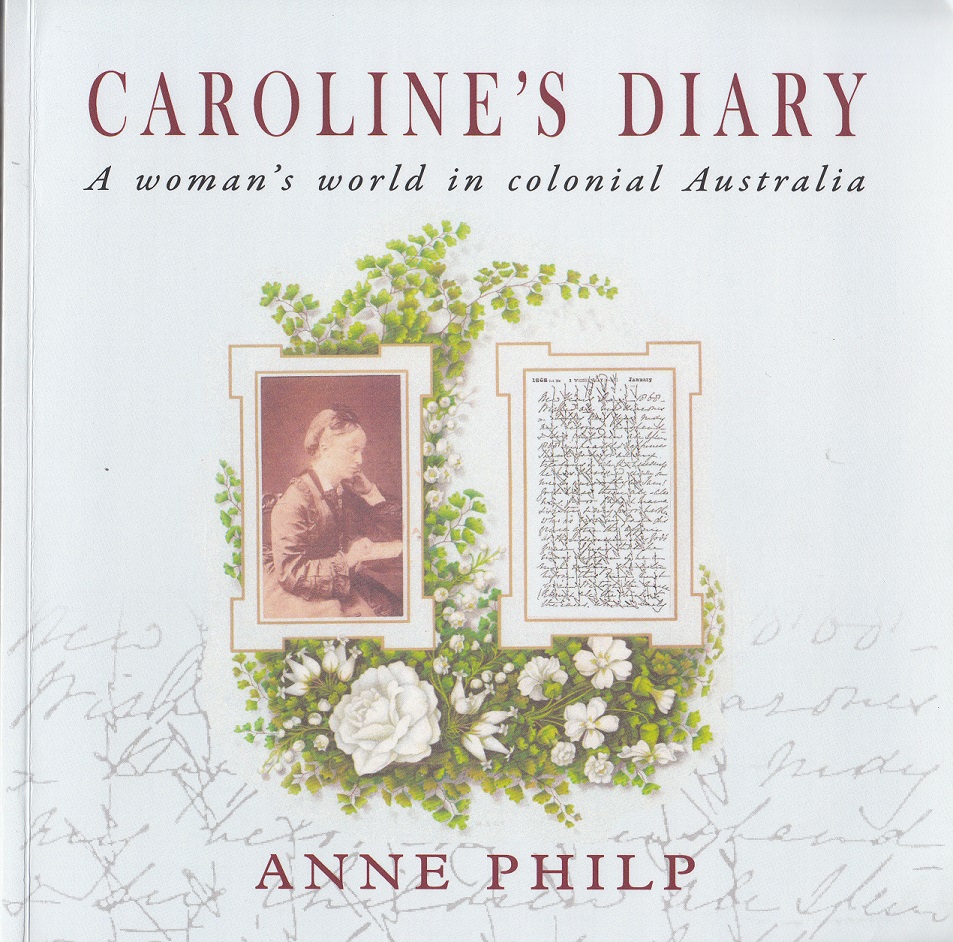
Exploring Caroline’s Diary: A Women’s Perspective on Colonial Australia
Anne Philp's "Caroline’s Diary" narrates the life of Caroline Husband, an Englishwoman who migrated to colonial Australia in the mid-19th century. Through her personal diaries, readers explore her adventures, social life, and experiences from England to New South Wales, providing insights into women's roles and societal dynamics during this period.
Share this:

Share this:
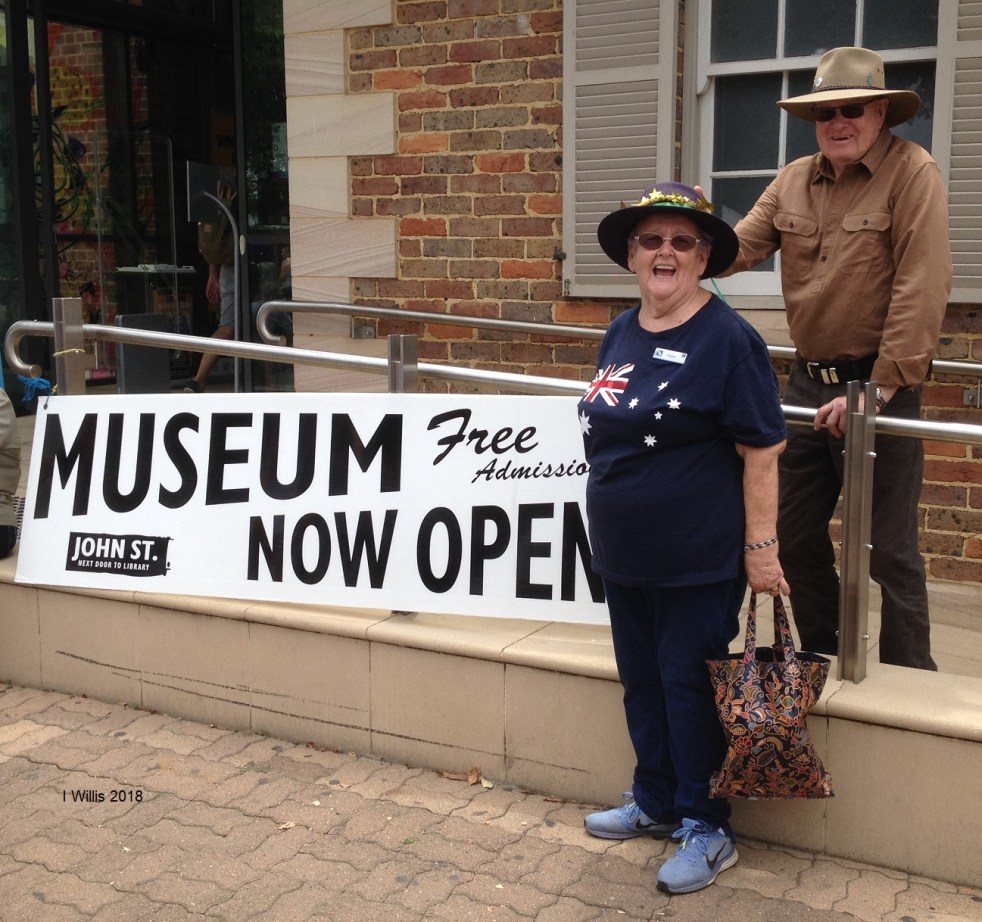
Understanding the Camden Story: History, Community, and Identity
The Camden story encapsulates the rich tapestry of tales and histories that define the Camden community, including dreamtime legends and settler accounts. It offers insight into the community's values, identity, and resilience, serving as both a historical narrative and a tool for local businesses, fostering deeper connections among residents.
Share this:

Share this:
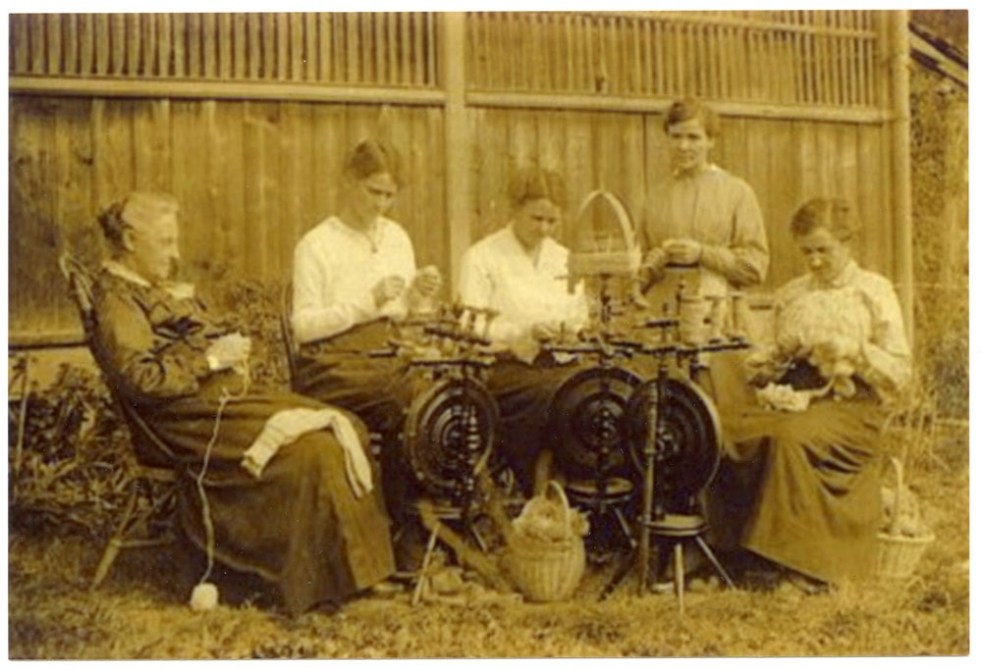
Camden Cottage Hospital, from accidents to amputations and early patient experiences
The Camden Cottage Hospital, opened in April 1899, initially struggled with low patient admissions due to community reluctance. Early cases included accidents and serious conditions, leading to treatments and surgeries like amputations. By early 1900, there was increasing community trust and the permanent facility opened in May 1902.
Share this:

Share this:
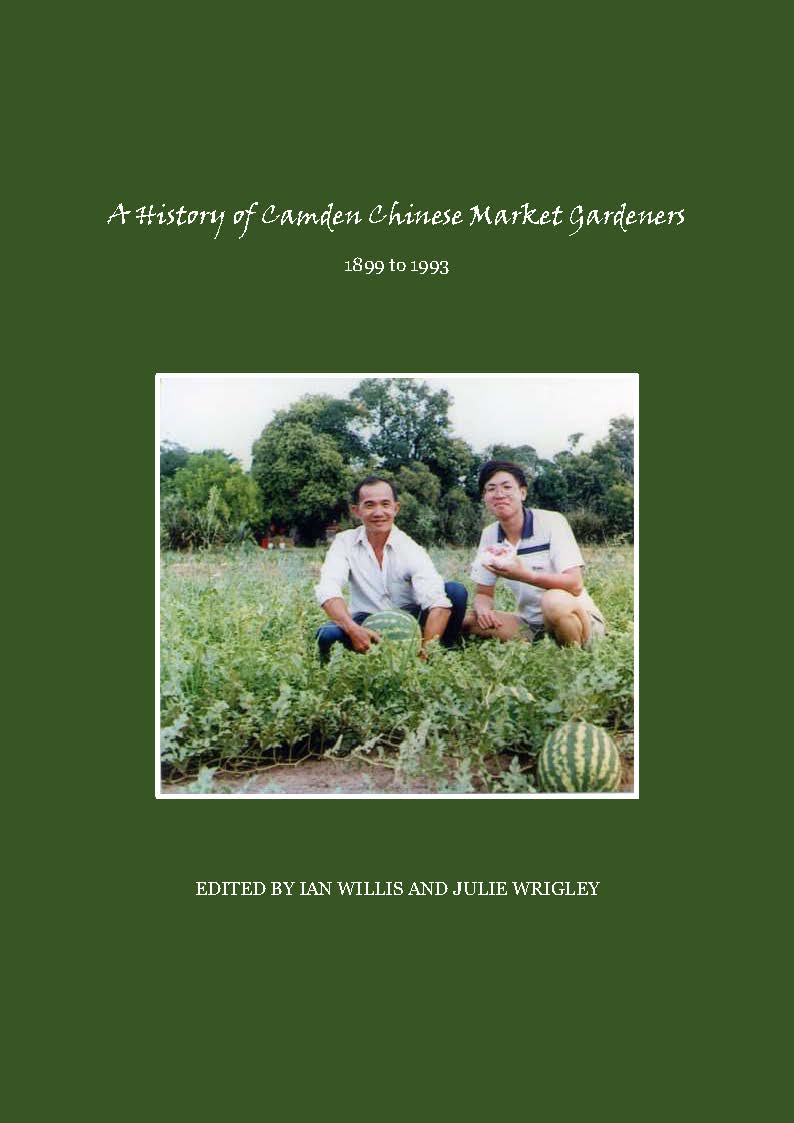
History of Camden Chinese Market Gardeners: Resilience, Innovation, and Struggles
The presentation at Camden Rotary Club details the significant contributions and challenges faced by Chinese market gardeners in Camden. It sheds light on their resilience, innovation, discrimination, and impact on the local economy. The book "A History of Camden Chinese Market Gardeners 1899-1993" emphasizes their agency, making an important contribution to local history and the literature of the Chinese diaspora in Australia.
Share this:

Share this:
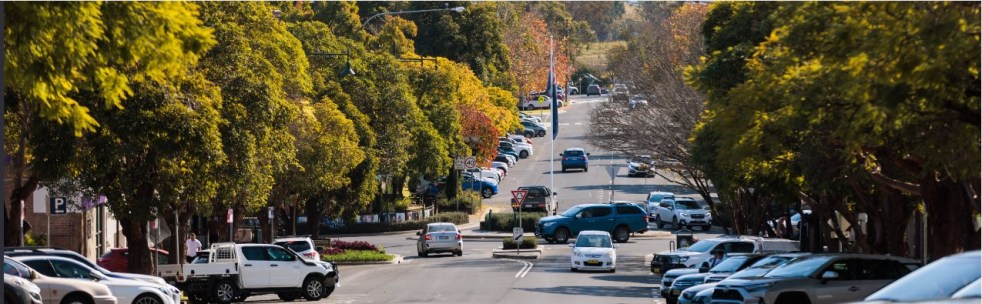
Exploring Historical Themes: Pictorial History Camden & District Presentation Summary
This presentation examined the role of the historian and researcher and presented the importance of history and the role of a historian. Dr Ian Willis discussed the significance of historical consciousness and collective memory, emphasising the role of a historian as a researcher, analyst, interpreter, and storyteller. The presentation also highlighted "Pictorial History Camden & District," a book by Kingsclear Books, and covered aspects such as structure, select bibliography, index of names, and district maps. Additionally, various related sources and themes, such as the Whiteman and Macarthur families, were explored. The presentation concluded with suggestions for experiencing the past through community festivals, local studies, and living libraries.
Share this:

Share this:
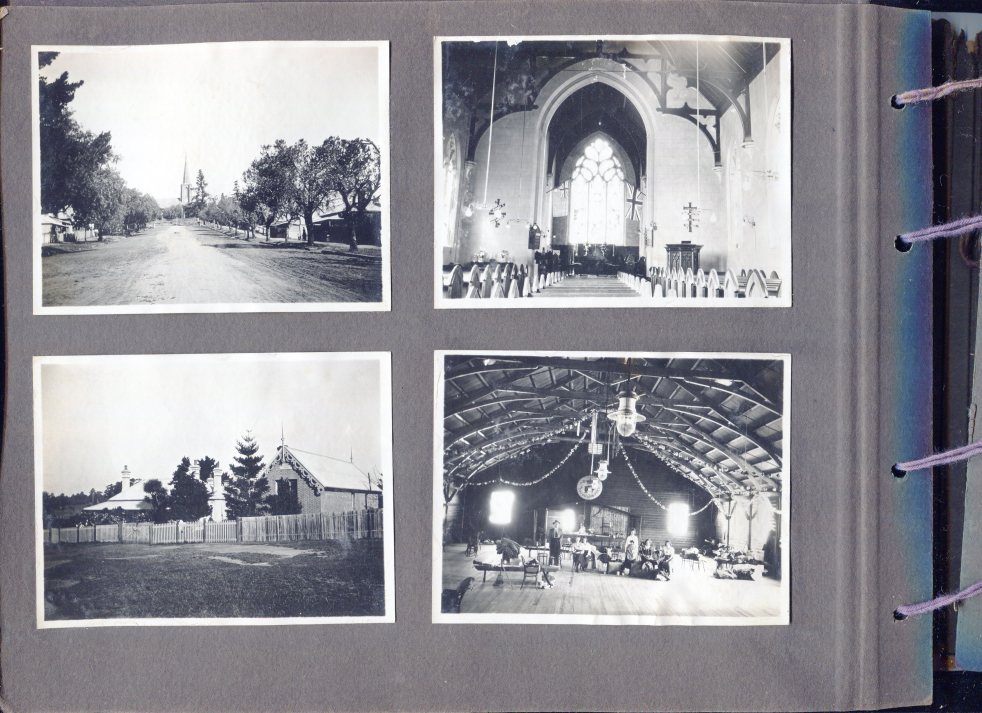
Camden Teacher Trainee Camp 1921: Insights into 1920s Teacher Training
In the early 1920s, young women like Lottie Dean participated in teacher training camps in Camden, NSW. The camps provided practical experience in teaching and imposed strict rules on student life. Lottie's story reflects the evolving role of women in education and society at that time.
Share this:

Share this:
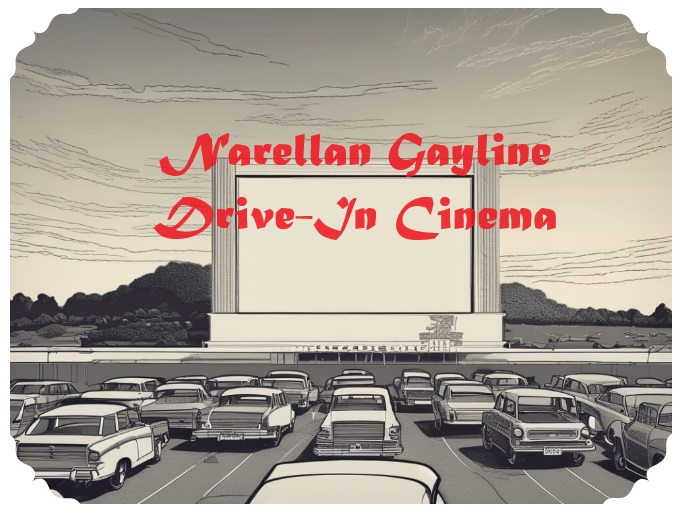
Narellan ‘Gayline’ Drive-In Movie Theatre, a touch of modernism
The Narellan Gayline Drive-In Movie Theatre in Camden was a defining feature of the local 1960s-1980s culture, offering a relaxed, family-friendly movie experience. The drive-in's success peaked in the early 1970s but eventually closed in 1990 due to changing lifestyles and real estate development. It provided a memorable experience for many local residents, offering a nostalgic look back at a bygone era.

