Adaptive Re-use · Adaptive Reuse · Built Heritage · Business · Business History · Cafes · Community identity · Cultural Heritage · Economy · Film · Film Making · History of a building · Industrial Heritage · Local History · Macarthur · Macarthur region · Picton · Picton Corbett Hardware · Picton Menangle Street · Picton Retail · Picton The Celebration Society · Place · Place making · Placemaking · Sense of place · Shopping · Storytelling · Streetscapes · Uncategorized · Urban growth · Urban history · Urban Planning

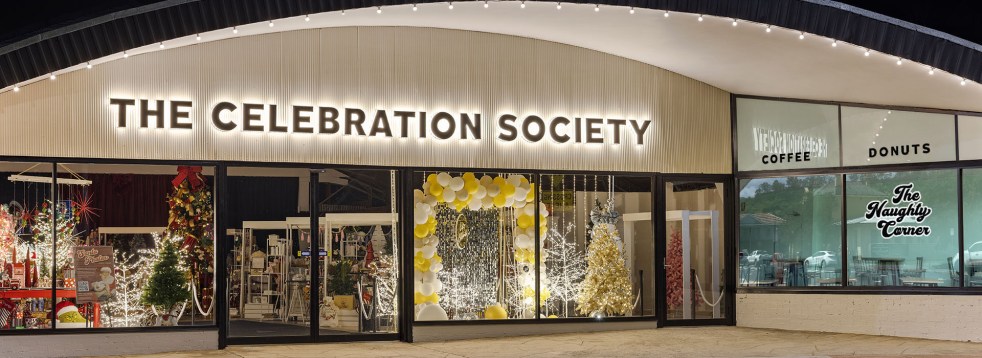
The Celebration Society: Revitalizing Picton’s Retail Scene Through Adaptive Re-use

The Celebration Society opened in 2024 in the former Corbett hardware store, revitalizing Picton's retail scene. Owners Deborah and Michael Quinn, along with business partners, preserved the building’s historic integrity. The venue includes a café and space for events, enhancing community engagement and contributing to the area's renewal.

1920s · Adaptive Re-use · Aesthetics · Architecture · Attachment to place · Belonging · Business · Camden · Camden Museum · Camden Park House and Garden · Colonial Camden · Communications · Community identity · Cowpastures · Cultural Heritage · Cultural icon · Economy · Entertainment · Family history · Fashion · Festivals · Genealogy · Heritage · Historical consciousness · Historical Research · Historical thinking · History · History of a house · History theory and practice · House history · Job creation · Lifestyle · Living History · Local History · Local Studies · Macarthur · Media · Menangle · Military history · Modernism · NSW History K-10 Syllabus · Place making · Ruralism · Sense of place · Settler colonialism · Stereotypes · Storytelling · Streetscapes · Sydney's rural-urban fringe · Tourism · Travel · Urban growth · Urban Planning · urban sprawl · Volunteering · Volunteerism · Women's history

Understanding the Camden Story: History, Community, and Identity

The Camden story encapsulates the rich tapestry of tales and histories that define the Camden community, including dreamtime legends and settler accounts. It offers insight into the community's values, identity, and resilience, serving as both a historical narrative and a tool for local businesses, fostering deeper connections among residents.

Adaptive Re-use · Aesthetics · Architecture · Art · Attachment to place · Australia · Built heritag · Camden · Camden Story · Church History · Churches · Community identity · Cultural Heritage · Cultural icon · Curtilage · Georgian · Gothic · Heritage · Historical consciousness · Historical Research · Historical thinking · History · Landscape aesthetics · Lifestyle · Living History · Local History · Local Studies · Macarthur · Memory · Monuments · Myths · Place making · Placemaking · Ruralism · Sense of place · Social History · Storytelling · Streetscapes · Trust · Victorian · Weddings

Why does the sale of a local church create community angst? What is going on?

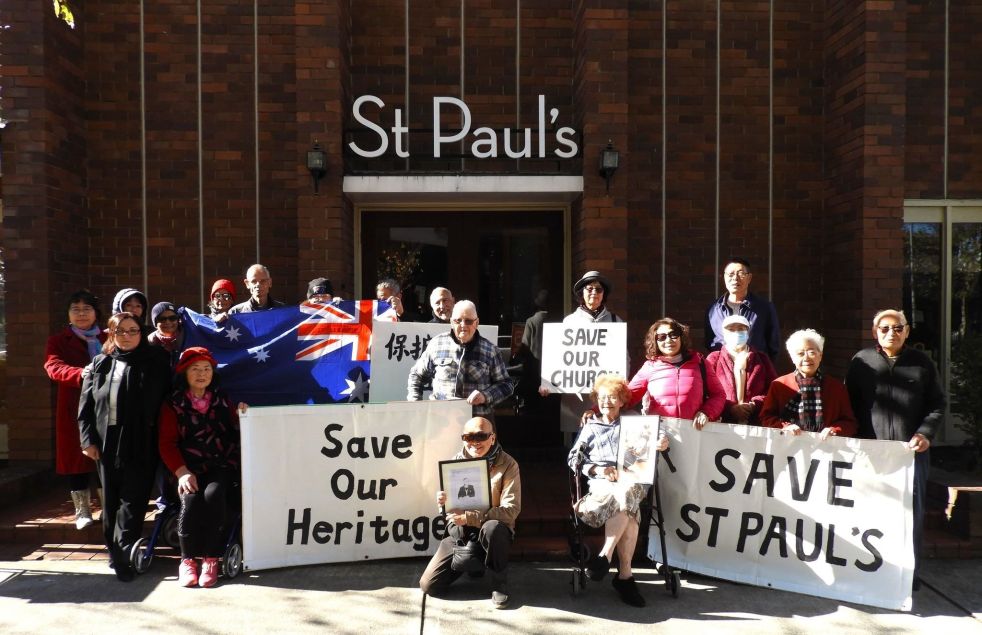
The sale of church land has sparked community angst, particularly at St. Paul's Anglican Church in Bankstown. The proposed heritage listing has led to concerns about redevelopment and closure. Similar issues have arisen in Tasmania, where the sale of local churches has evoked strong emotional and historical attachments. The opposing views between churchgoers and non-churchgoers present an unresolved ethical dilemma.

1968 Sydney Region Outline Plan · 1973 New Cities Campbelltown Camden Appin Structure Plan · Aesthetics · Airds · Architecture · Attachment to place · Campbelltown · Collective Memory · Community identity · Cultural Heritage · Cultural icon · Economy · Heritage · Historical consciousness · Historical Research · Historical thinking · History · Housing · Landscape · Lifestyle · Living History · Local History · Local Studies · localism · Lost Sydney · Macarthur · Macarthur Growth Centre · Malls · Memory · Mid-century modernism · Modernism · Myths · Place making · Placemaking · Retailing · rural-urban fringe · Sense of place · Shopping · Stereotypes · Storytelling · Streetscapes · Supermarkets · Sydney · Town planning · Urban Decay · Urban development · Urban growth · Urban history · Urban Planning · urban sprawl · Urbanism

Airds Shopping Mall demolition, the unmet expectations of mid-century modernism

The Airds shopping mall's future encapsulates the decline of mid-century modernism in the midst of urban neglect. Once a symbol of optimism, the area's decay reflects broader global trends in retail. From failed Radburn principles to public housing challenges, the mall's history mirrors the clash of modernism and neoliberalism in Campbelltown. Despite the despair former residents report that they recall happy memories and stories of hope growing up in the area.

1973 New Cities Campbelltown Camden Appin Structure Plan · 20th century · Adaptive Re-use · Adaptive Reuse · Architecture · Attachment to place · Camden Council · Camden Historical Society · Camden Modernism · Camden Museum · Community identity · Community organisations · Conservation · Heritage · Local History · Macaria · Modernism · Sense of place · Streetscapes · Uncategorized · Urban development · Urban growth · Urban history · Urban Planning

The Camden Library Museum, conservation through adaptative reuse

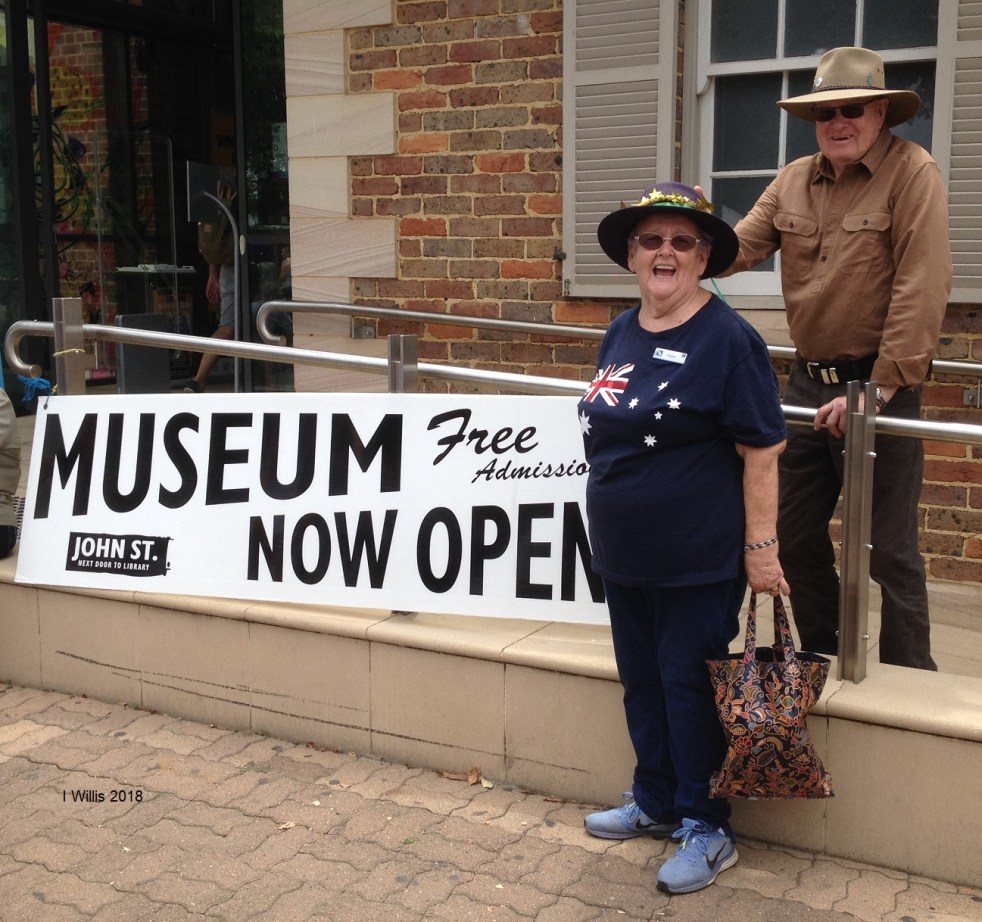
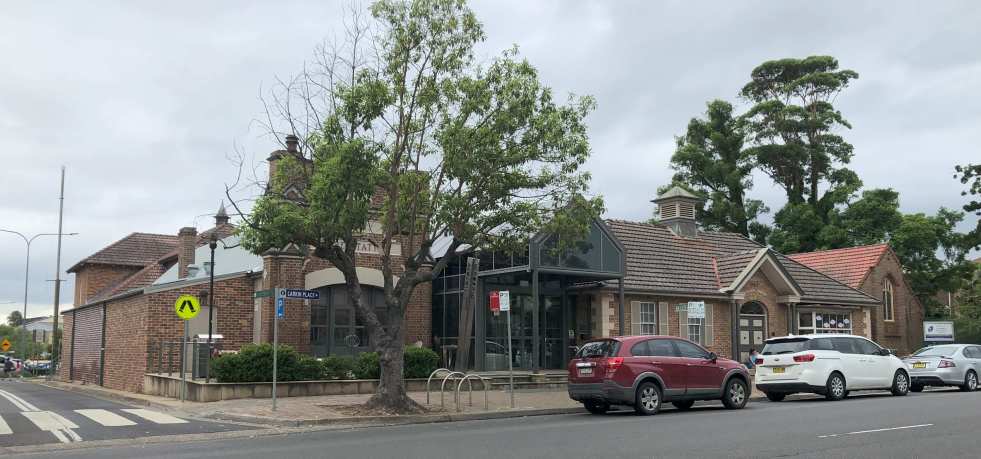
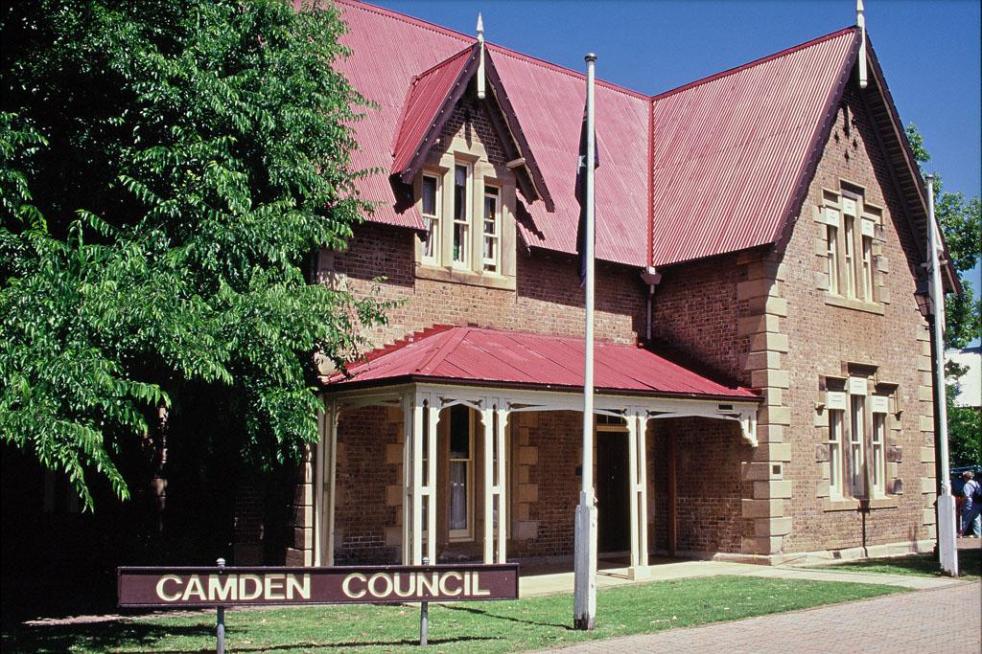
The Camden Library Museum, located at 40 John Street, has a rich history with numerous additions and occupants, including the Camden Council, Library, Fire Brigade, and Red Cross. The building's conservation through adaptation has retained its cultural significance as a heritage place. The former School of Arts and Temperance Hall have also played important roles in the building's evolution.

1968 Sydney Region Outline Plan · 1973 New Cities Campbelltown Camden Appin Structure Plan · Aesthetics · Art · Artists · Attachment to place · Camden · Campbelltown · Campbelltown Art Centre · Campbelltown Council · Community identity · Community work · Craft · Crafts · Design · Dharawal · Economy · Education · Entertainment · History · Indigenous Heritage · Living History · Local History · Local Studies · localism · Macarthur region · Memory · Monuments · Murals · Pioneers · Place making · Placemaking · Public art · Regionalism · rural-urban fringe · Sculpture · Sense of place · Stereotypes · Storytelling · Streetscapes · Sydney's rural-urban fringe · Town planning · Urban development · Urban history · Urban Planning · Urbanism · Western Sydney University

Public art at Campbelltown brightens up the Queen Street precinct

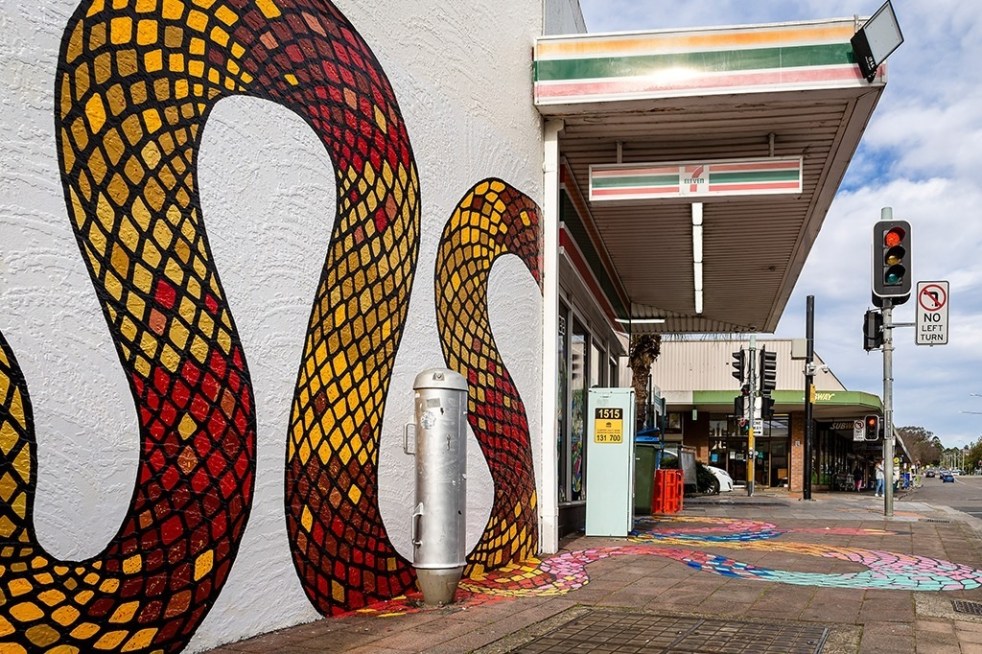
Public art is being used in the Campbelltown town centre to reinvigorate and revitalise the Queen Street precinct that has been subject to urban blight.

1920s · 1930s · 1932 · 20th century · Adaptive Re-use · Aesthetics · Architecture · Argyle Street · Attachment to place · Belonging · Built heritag · Business History · Camden Story · Camden Town Centre · Collective Memory · Colonial Camden · Community identity · Cultural Heritage · Cultural icon · Design · Economy · Governor Macquarie · Historical consciousness · History · Interwar · Local History · Local Studies · localism · Macarthur region · Mid-century modernism · Modernism · Place making · Placemaking · Sense of place · Storytelling · Streetscapes · Town planning · Uncategorized · Urban growth · Urban history · Urbanism

 The former Bank of New South Wales building in the country town of Camden

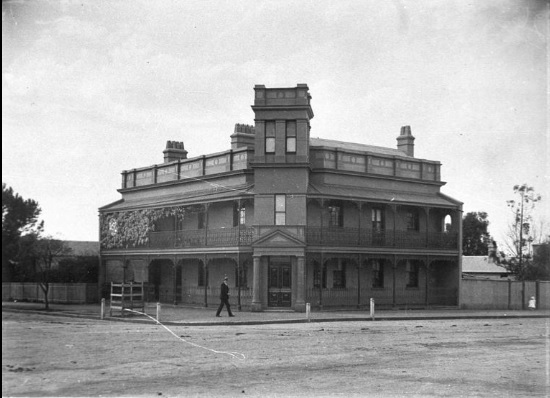
In central Camden is an empty bank building of understated significance at the intersection of John and Argyle Streets. This building was the premises of Westpac, formerly the Bank of New South Wales, and was the second banking chamber on that site. Constructed in the 1930s by a prominent firm of local builders and designed by one of Sydney’s top award-winning architects. It is a building of much architectural merit, and few know its history. 

Art · Cowpastures · Cultural Heritage · Heritage · History · Local History · Local Studies · Memorial · Memorials · Memory · Monuments · Parks · Place making · Public art · Sculpture · Storytelling · Streetscapes · Uncategorized

Cowpastures Memorial at Narellan

In the plaza outside Narellan Library there is an item public art called the Cowpasture Story.

Art · Attachment to place · Belonging · Camden · Colonial Camden · Colonial frontier · Colonialism · Convicts · Cowpastures · Cultural Heritage · Cultural icon · England · Farming · Heritage · Historical consciousness · Historical Research · Historical thinking · History · Interwar · Landscape aesthetics · Lifestyle · Living History · Local History · Local newspapers · Local Studies · Macarthur · Memorials · Memory · Modernism · Monuments · Myths · Newspapers · Place making · Ruralism · Sense of place · Settler colonialism · Stereotypes · Streetscapes · Sydney's rural-urban fringe · Tourism · Urban growth · urban sprawl · Urbanism · War · Women's history

Making Camden History

Making Camden History tells the story of how the history of the Camden District has been written from the 19th century. It is the history of the history of the local area.

20th century · Agriculture · Argyle Street · Attachment to place · Belonging · Camden Festivals · Camden Regional Economic Taskforce · Camden Story · Camden Town Centre · Community identity · Cultural Heritage · Economy · Farming · Fergusons Australian Nurseries · Festivals · Gardening · Heritage · History · Jacaranda · Landscape · Landscape aesthetics · Local History · Local Studies · Macarthur · Memory · Newspapers · Nursery · Placemaking · Storytelling · Streetscapes · Tourism · Uncategorized

Camden’s Inaugural Jacaranda Festival Highlights

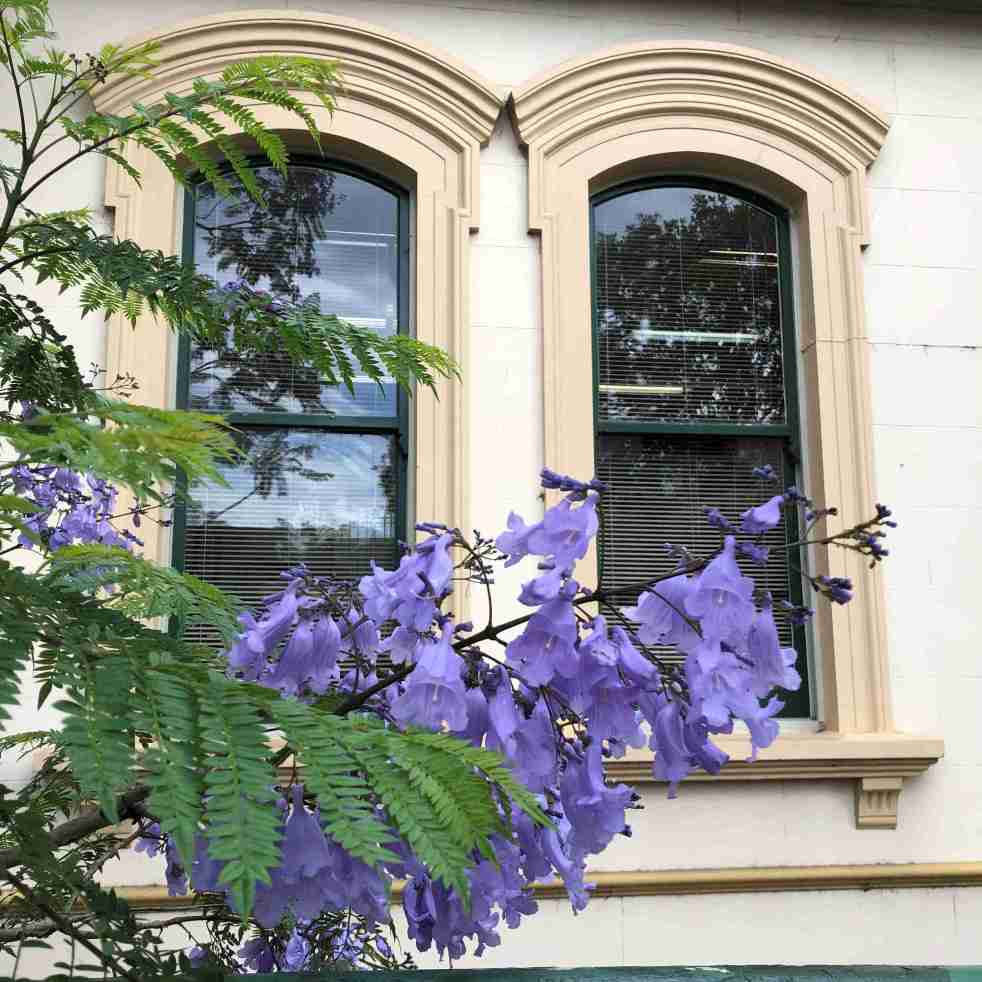
The 2018 Camden Jacaranda Festival, inspired by the local Jacaranda trees, was launched and featured live music, a Christmas tree lighting, and a street market. The festival evolved from the previous Light Up Camden festival and emphasized local history through walking tours. The inaugural event celebrated the area's rich botanical heritage.