20th century · Aesthetics · Architecture · Attachment to place · Belonging · Biography · Built heritag · Camden Cottage · Camden Story · Campbelltown Art Centre · Campbelltown Mid-century modernism · Campbelltown Modern · Campbelltown Modernism · Collective Memory · Community identity · Cultural Heritage · Cultural icon · Domestic Architecture · Family history · History · History of a house · Hope and loss · House history · Housing · Housing styles · Lifestyle · Living History · Local History · Local Studies · Macarthur · Macarthur region · Memory · Mid-century modernism · Modernism · Peri-urban region · Placemaking · rural-urban fringe · Social History · Stereotypes · Storytelling · Symbolism · Urban development · Urban growth · Urban history · Urbanism

‘Fibro Majestic’: A Celebration of Mid-Century Housing at Campbelltown Arts Centre by Catherine O’Donnell

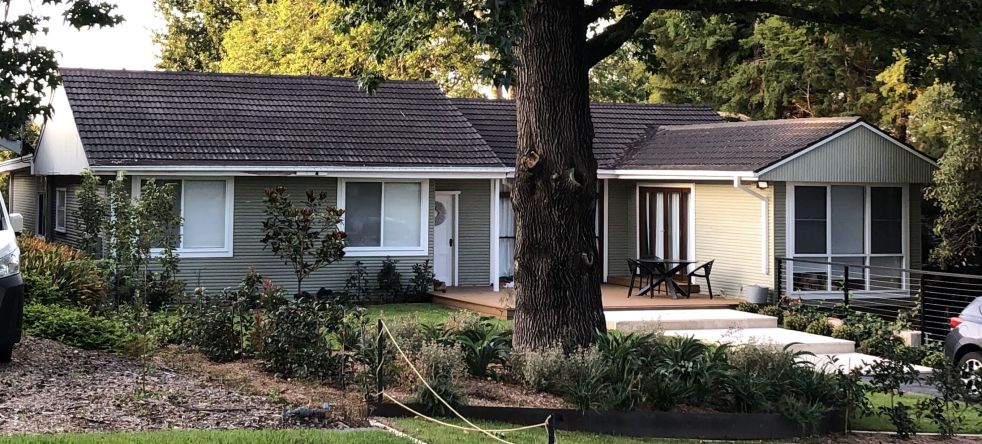
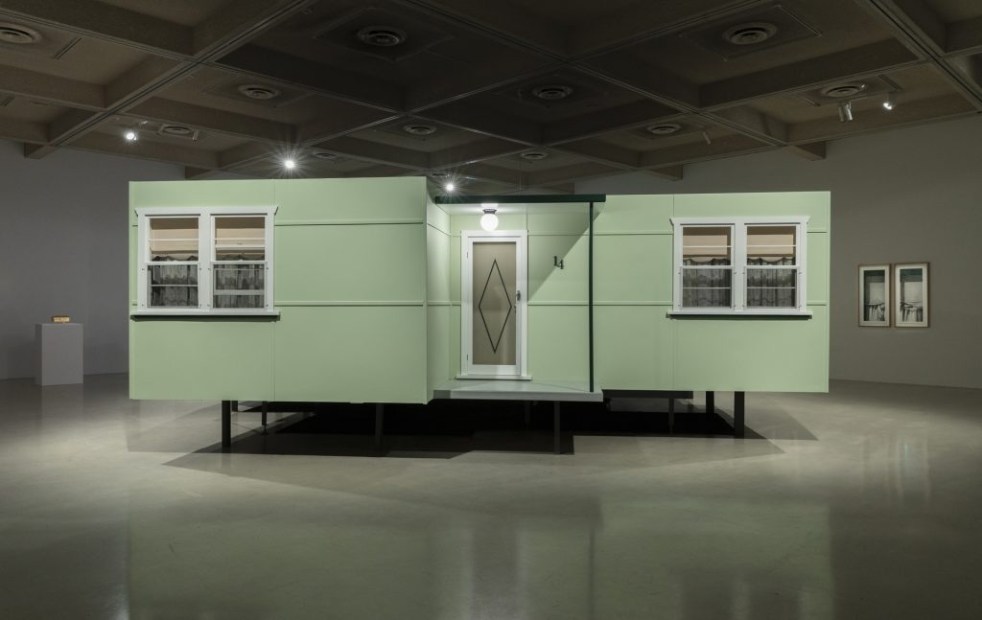
The "Fibro Majestic" exhibition at Campbelltown Arts Centre celebrates the historical significance of fibro housing in Australia, highlighting its role in post-war society. Artist Catherine O'Donnell's work reflects on the nostalgia, memories, and social contexts surrounding these humble structures, transforming perceptions of an architecture once deemed unattractive.

1968 Sydney Region Outline Plan · 1973 New Cities Campbelltown Camden Appin Structure Plan · Aesthetics · Art · Artists · Attachment to place · Camden · Campbelltown · Campbelltown Art Centre · Campbelltown Council · Community identity · Community work · Craft · Crafts · Design · Dharawal · Economy · Education · Entertainment · History · Indigenous Heritage · Living History · Local History · Local Studies · localism · Macarthur region · Memory · Monuments · Murals · Pioneers · Place making · Placemaking · Public art · Regionalism · rural-urban fringe · Sculpture · Sense of place · Stereotypes · Storytelling · Streetscapes · Sydney's rural-urban fringe · Town planning · Urban development · Urban history · Urban Planning · Urbanism · Western Sydney University

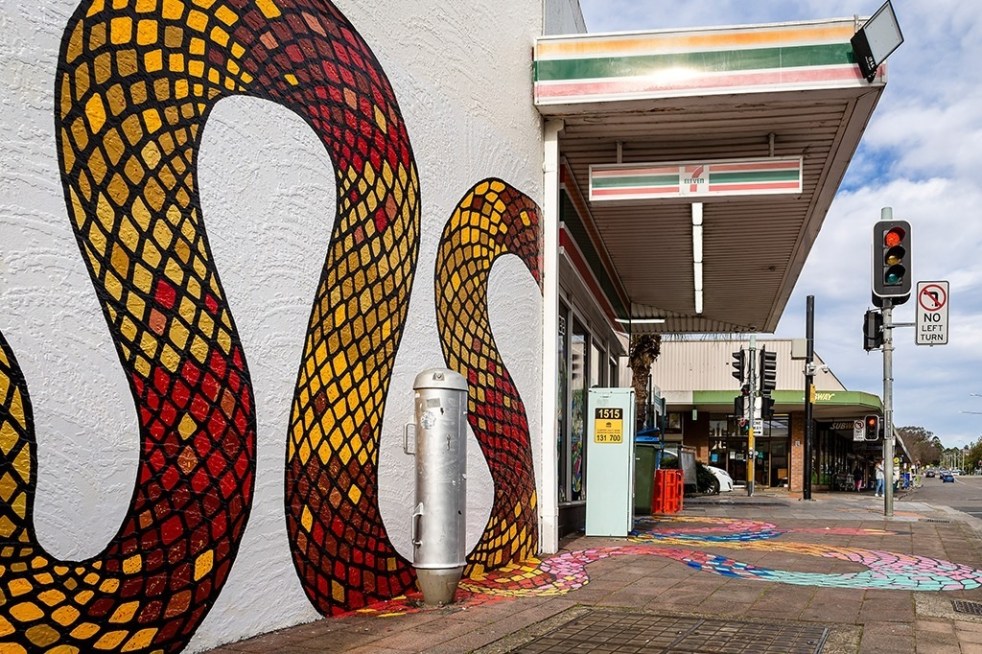
Public art at Campbelltown brightens up the Queen Street precinct

Public art is being used in the Campbelltown town centre to reinvigorate and revitalise the Queen Street precinct that has been subject to urban blight.

1968 Sydney Region Outline Plan · 1973 New Cities Campbelltown Camden Appin Structure Plan · Advertising · Attachment to place · Built heritag · Community identity · Cultural Heritage · Elderslie · Heritage · History · Land releases · Living History · Local History · Local Studies · Place making · rural-urban fringe · Storytelling · Uncategorized · Urban development · Urban growth · Urban history · Urban Planning · urban sprawl · Urbanism

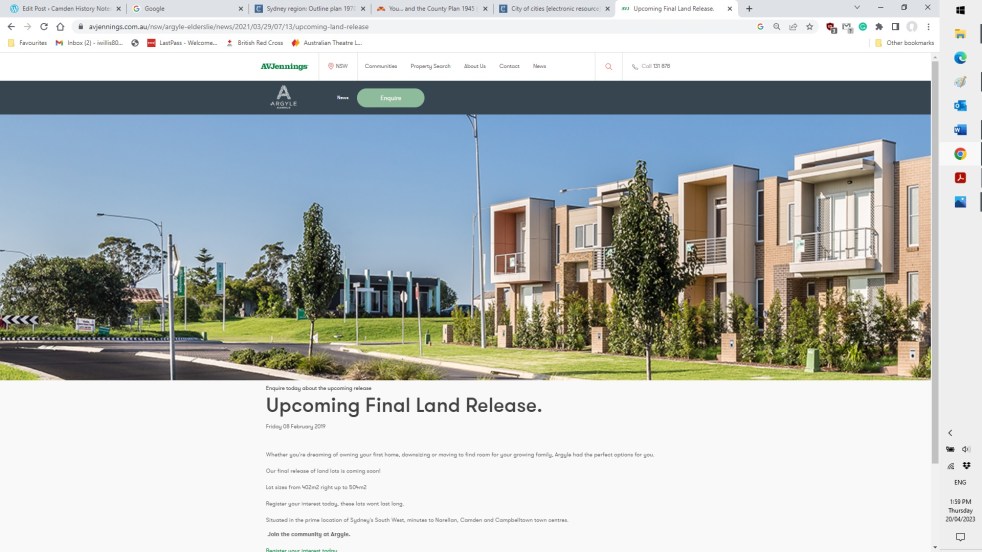
Elderslie land releases 2000-2023, the background and fancy estate names

The Elderslie area has been identified in Sydney’s strategic growth plans for land releases on the metropolitan rural-urban fringe. It is a valuable exercise to see how and when Elderslie was identified as part of Sydney’s planning framework.

20th century · Adaptive Re-use · Aesthetics · Architecture · Attachment to place · Belonging · Burra Charter · Camden Story · Church History · Churches · Collective Memory · Commemoration · Community identity · Cultural Heritage · Elderslie · Families · Family history · Farming · First World War · Genealogy · Heritage · History · Living History · Local History · Local Studies · Memorial · Place making · Placemaking · Sense of place · St Mark's Church Elderslie · Urban development · Urban growth · Urbanism · Village · Wartime

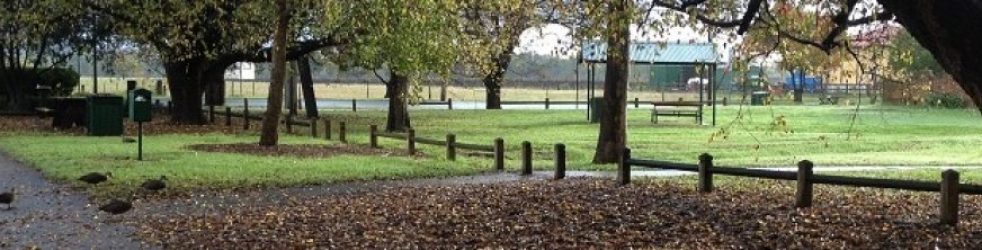
St Mark’s Church Elderslie, the little church on the hill

St Mark's Church Elderslie tells the story of a small farming community that has disappeared through the mists of time. The history of St Mark’s church is the history of Elderslie, and the church was a special place of community celebrations and commemorations along with family celebrations, traditions, and events. The church has been a gathering place, a sacred site.

Argyle Street · Camden · Camden Council · Camden Historical Society · Camden Museum · Camden Red Cross · Camden Show · Churches · Coal mining · Colonial Camden · Country Women's Association · Cultural Heritage · Dairying · Elizabeth Macarthur · Farming · First World War · Floods · Heritage · History · Living History · Local History · Local newspapers · Local Studies · Macarthur · Macarthur Park · Nepean River · Philanthropy · Place making · Placemaking · Railway · Red Cross · Schools · Second World War · Sense of place · Settler colonialism · Settler Society · Silver mining · Storytelling · Sydney's rural-urban fringe · Uncategorized · Urban development · Urban growth · Urban Planning · urban sprawl · Urbanism · Volunteering · Volunteerism · Wartime · World War One

Camden, a Macarthur family venture

The establishment of Camden, New South Wales, the town in 1840, was a private venture of James and William Macarthur, sons of colonial patriarch John Macarthur, at the Nepean River crossing on the northern edge of the family’s pastoral property of Camden Park. The town’s site was enclosed on three sides by a sweeping bend in the Nepean River and has regularly flooded the surrounding farmland and lower parts of the town.

Art · Attachment to place · Belonging · British colonialism · Camden · Camden Mayor · Colonial Camden · Colonial frontier · Colonialism · Commemoration · Cowpastures · Cultural Heritage · Cultural icon · Frank Brooking · Frontier violence · Heritage · History · Legends · Local History · Local Studies · Macarthur region · Memorial · Memorials · Memory · Monuments · Myths · Parks · Place making · Placemaking · Public art · Sculpture · Sense of place · Settler colonialism · Settler Society · Storytelling · Uncategorized · Urban development

Governor Hunter, a Cowpastures memorial at Mount Annan

The statue of Governor Hunter in the Governors Green Park at Mount Annan is another celebration of the history of the Cowpastures.

Advertising · Agricultural heritage · Agriculture · Agriculture history · Business · Business History · Camden · Camden Story · Community identity · Country town · Cultural Heritage · Cultural plantings · Economy · Family history · Fergusons Australian Nurseries · Gardening · Heritage · History · Horticulture · Landscape · Local History · Local Studies · localism · Nursery · Place making · Placemaking · Plant Nursery · Retailing · Sense of place · Storytelling · Street Trees · Sydney's rural-urban fringe · Technology · Trees · Uncategorized · Urban development · Urban growth · Urban history · Urban Planning · urban sprawl · Urbanism

Ferguson’s Nursery, the post-war years

During the post-war years, Ferguson's Nurseries continued to be located on Sydney’s urban fringe as the metropolitan area expanded into the rural surrounds.

Aesthetics · Art · Attachment to place · Colonial frontier · Colonialism · Cowpastures · Cultural Heritage · Dharawal · Farming · Frontier violence · Harrington Park · Heritage · History · Landscape · Living History · Local History · Macarthur · Memorial · Memory · Monuments · Place making · Placemaking · Sense of place · Storytelling · Urban development · Urban growth · Wayfinding

Cowpastures: artwork at Harrington Park Lake

The public art installation called 'Cowpastures' at Harrington Park Lakeside walkway is an example of wayfinding, placemaking, memorialisation and urban development.

1968 Sydney Region Outline Plan · 1973 New Cities Campbelltown Camden Appin Structure Plan · 20th century · Aesthetics · Architecture · Attachment to place · Brutalist Architecture · Built heritag · Campbelltown · Campbelltown Council · Campbelltown Modernism · Campbelltown Municipal Council · Community identity · Cultural Heritage · Cultural icon · Engineering Heritage · Heritage · Historical consciousness · Historical Research · History · Landscape · Landscape aesthetics · Living History · Local History · Local Studies · Macarthur · Memory · Mid-century modernism · Modernism · Place making · Placemaking · Sense of place · Storytelling · Sydney's rural-urban fringe · Town planning · Urban development · Urban growth · Urban history · Urban Planning · urban sprawl · Urbanism

Campbelltown City Council office extension 1982 – an example of mid-century modernism

In 1982 Campbelltown City Council had the official opening for the brutalist administration building. Combined with the adjacent 1964 modernist office building they are an outstanding example of mid-century modernism in the Macarthur region

1968 Sydney Region Outline Plan · 1973 New Cities Campbelltown Camden Appin Structure Plan · Aesthetics · Architecture · Attachment to place · Business · Campbelltown · Campbelltown Council · Campbelltown Mid-century modernism · Campbelltown Modern · Campbelltown Modernism · Campbelltown Municipal Council · Community building · Community identity · Cultural Heritage · Cultural icon · Design · Economy · Heritage · Historical consciousness · Historical Research · Historical thinking · History · Living History · Local History · Local Studies · Macarthur · Macarthur region · Mid-century modernism · Modernism · Place making · Placemaking · Sense of place · Storytelling · Urban development · Urban growth · Urban history · Urban Planning · urban sprawl · Urbanism

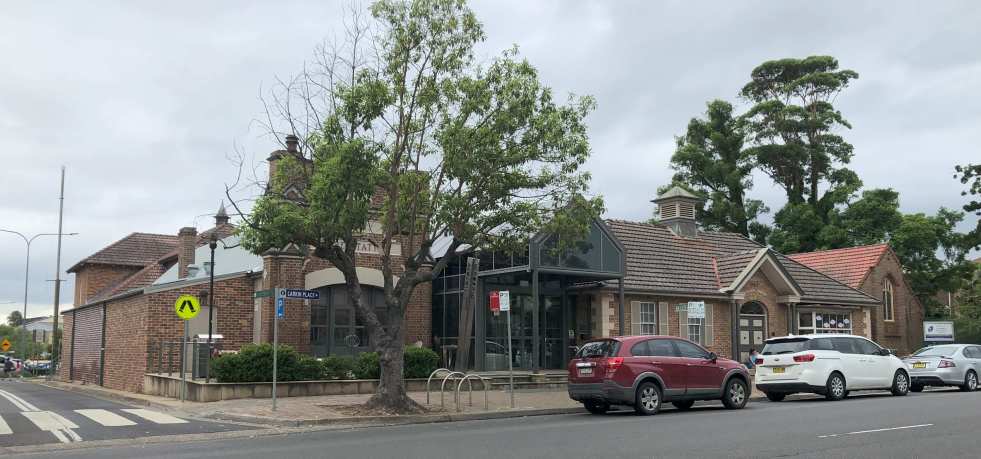
Exploring Campbelltown’s Mid-Century Modern Administration Building

The Campbelltown Council office building, completed in 1964, serves as an unrecognized icon of mid-century modernism, symbolizing the town's optimistic vision as a satellite city. Despite its structural significance and initial hopes for community development, later planning challenges undermined this vision, leaving the building's legacy complex and often overlooked.