Aesthetics · Architecture · Attachment to place · Camden Council · Community identity · Cultural Heritage · Cultural icon · Edwardian · Fashion · Heritage · Historical consciousness · Historical thinking · History · Local History · Narellan · Place making · Sense of place · Sydney's rural-urban fringe · Town planning · Uncategorized · Urban growth · Urban Planning · Urbanism

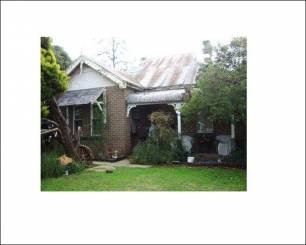
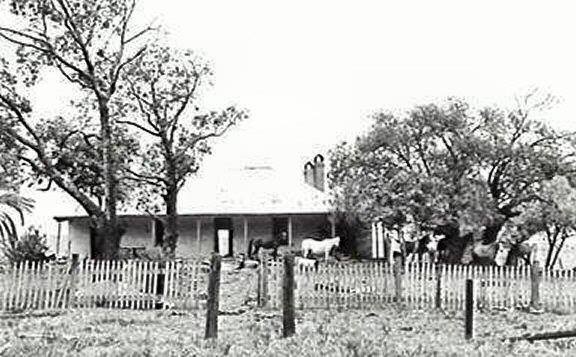
Carinya homestead, part of lost Camden

Camden Council voted to demolish the 1890 Carinya Cottage in Harrington Park, based on reports that it lacked local significance and associative value. This decision reflects a larger issue of neglect for heritage in New South Wales, with a lack of protection for historic sites and a conflict of interest in the assessment process. The political climate prioritizes development over heritage protection.

Aesthetics · Architecture · Attachment to place · Built heritag · Built Heritage · Camden · Camden Built Heritage · Camden Modern · Camden Modernism · Community building · Community identity · Cultural Heritage · Cultural icon · Elderslie · Heritage · Historical consciousness · History · History of a building · History of a house · House history · Housing · Housing styles · Landscape aesthetics · Local History · Lost Camden · Modernism · Place making · Placemaking · Sense of place · Social History · Stories · Storytelling · Town planning · Urban development · Urban growth · Urban history · Urban Planning · urban sprawl · Urbanism

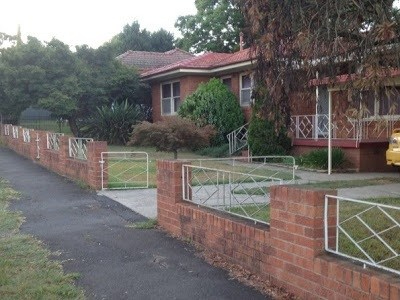
Mid-Century Modernist Homes in Elderslie

In the 1960s, modernism significantly influenced the community of Elderslie, where miners sought contemporary homes. Innovative house designs reflected mid-20th-century trends, including American Ranch styles. Australian architects, like Robin Boyd, contributed to housing projects across the country, merging modern aesthetics with traditional Federation-style homes. These trends influenced the design of local mid-century housing style, resulting in a unique urban landscape.

Aesthetics · Art · Attachment to place · British colonialism · Camden · Camden Museum · Colonial Camden · Colonialism · Community identity · Cowpastures · Edwardian · England · Farming · Historical consciousness · Historical Research · Historical thinking · History · Interwar · Landscape aesthetics · Local History · Macarthur · Modernism · Monuments · NSW History K-10 Syllabus · Place making · Ruralism · Schools · Sense of place · Settler colonialism · Tourism · Urbanism · Victorian

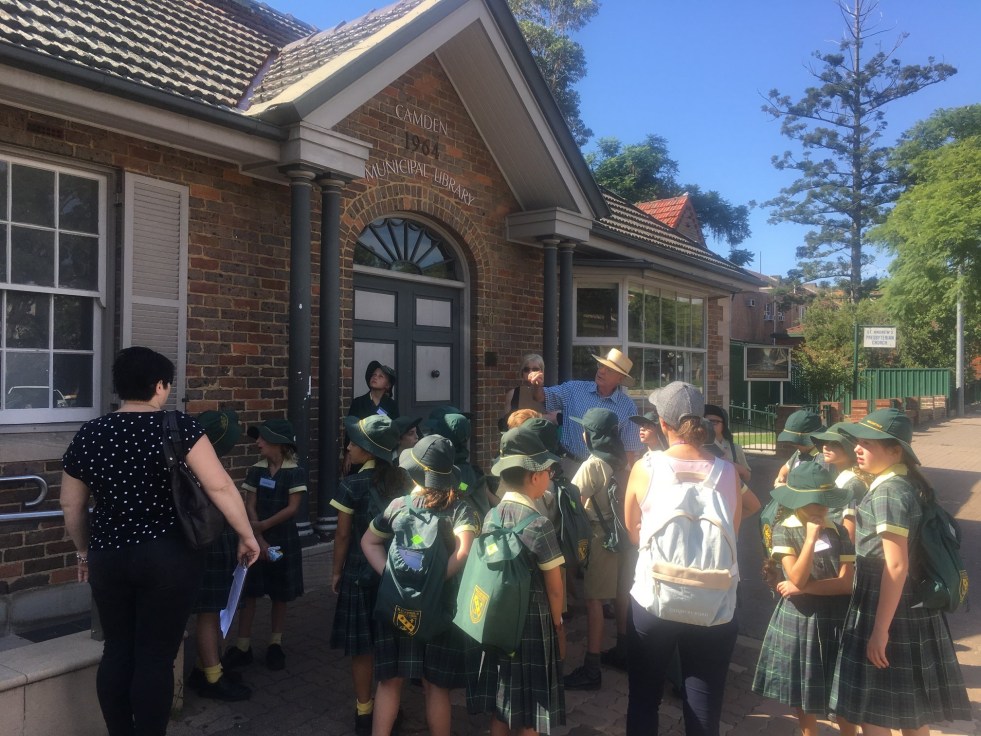
The Cowpastures, GLAM and schools

Schools visits are part of the activities of organisations in the GLAM sector in the Macarthur region.

Architecture · Attachment to place · Belonging · Built heritag · Collective Memory · Colonialism · Cowpastures · Cultural Heritage · Cultural icon · Entertainment · Ghosts · Heritage · Historical consciousness · Historical Research · Historical thinking · History · House history · Housing · Industrial Heritage · Interwar · Land releases · Landscape · Landscape aesthetics · Legends · Leisure · Lifestyle · Living History · Local History · Local newspapers · Local Studies · Lost Sydney · Macarthur · Memorials · Memory · Motoring History · Myths · Newspapers · Oran Park · Oran Park Raceway · Place making · Placemaking · Recreation · Ruralism · Sense of place · Settler colonialism · Stereotypes · Storytelling · Technology · Theme Parks · transport history · Urban development · Urban growth · Urban history · Urban Planning · urban sprawl · Urbanism

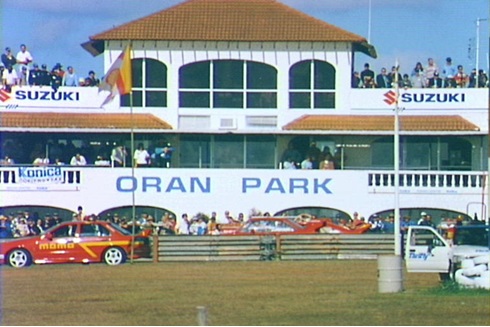
Oran Park Raceway: the finishing line as new horizons open up

Oran Park is a new suburb on Sydney's urban fringe on the site of the former Oran Park Raceway.

20th century · Advertising · Architecture · Attachment to place · Built heritag · Business · Business History · Camden · Camden Story · Camden Town Centre · Community identity · Country town · Cultural Heritage · Cultural icon · Fashion · Food · Heritage · Historical consciousness · Historical thinking · History · Lifestyle · Local History · Local Studies · localism · Memory · Modernism · Place making · Placemaking · Retailing · Sense of place · Shopping · Storytelling · Supermarkets · Urban growth · Urban Planning · Urbanism · Women's history

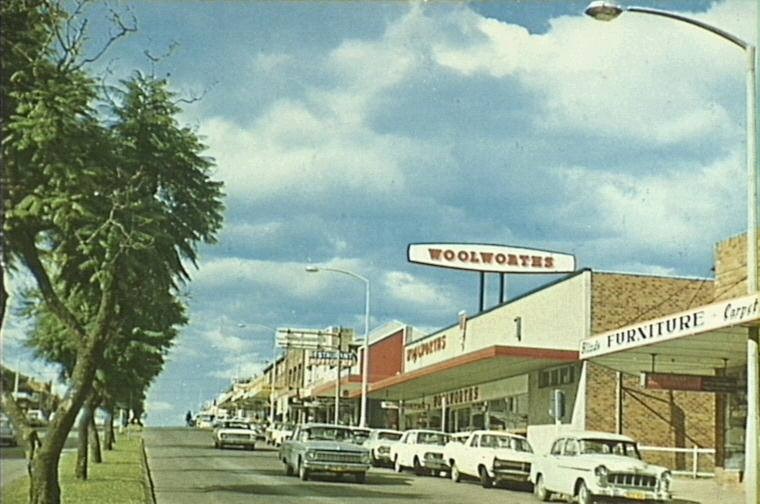
Supermarkets come to Camden, consumerism and modernism

Self-service supermarkets were one expression of consumerism and modernism in Camden NSW

Aesthetics · Architecture · Attachment to place · Camden · Camden Material and Colour Guide · Camden Regional Economic Taskforce · Colonial Camden · Colonialism · Community identity · Cultural Heritage · Cultural icon · Edwardian · Heritage · History · Interwar · Landscape aesthetics · Local History · Modernism · Place making · Sense of place · Town planning · Urban Planning · Urbanism

Camden needs a residential heritage-style guide

Camden Needs A Residential Heritage Style Guide to provide assistance to home owners to conserve and restore their historic cottages.

Architecture · Attachment to place · British Heritage · Colonialism · Conservation · Cricket · Cultural and Heritage Tourism · Cultural Heritage · Cultural icon · Cultural plantings · Design · Education · England · Entertainment · Environment · Farming · Fashion · Garden history · Gardening · Governor Macquarie · Heritage · Historical consciousness · Historical Research · Historical source · Historical thinking · History · Horticulture · Landscape · Landscape aesthetics · Leisure · Living History · Memorialisation · Memorials · Memory · Modernism · Place making · Placemaking · Plant Nursery · Plants · Retailing · Sculpture · Sense of place · Settler Society · Social History · Storytelling · Sydney · Uncategorized · Urban development · Urbanism · Victorian

Sydney’s Royal Botanic Gardens

The Royal Botanic Gardens in Sydney, Australia, cover 29 hectares of gardens and 51 hectares of surrounding parkland. Established in 1816, it is the oldest colonial botanic garden in Australia, attracting 4 million visitors annually. With historical significance dating back to 1788, the Gardens reflect changing landscape styles and serve as a popular public space.

Appin · Architecture · Attachment to place · Australia · British colonialism · Campbelltown · Colonial frontier · Colonialism · Communications · Community identity · Cowpastures · Cultural Heritage · Cultural icon · Curtilage · Dairying · Farming · Frontier violence · Governor Macquarie · Heritage · Historical consciousness · Historical Research · Historical thinking · History · Landscape aesthetics · Local History · Local Studies · Macarthur · Monuments · Place making · Ruralism · Sense of place · Settler colonialism · Sydney's rural-urban fringe · Town planning · Transport · Urban growth · Urban Planning · urban sprawl · Urbanism · Victorian

Beulah and Sydney’s Urban Sprawl

Beulah estate, Sydney's urban sprawl and the Appin Road

Aesthetics · Architecture · Attachment to place · Campbelltown · Colonialism · Community identity · Cultural Heritage · Cultural icon · Edwardian · Entertainment · Farming · Fashion · Georgian · Heritage · Historical consciousness · Historical thinking · History · Hotels · Interwar · Leisure · Local History · Lost Sydney · Macarthur · Memory · Modernism · Place making · Railway · Retailing · Ruralism · Sense of place · Settler colonialism · Streetscapes · Sydney's rural-urban fringe · Tourism · Town planning · Urban growth · Urban Planning · urban sprawl · Urbanism · Victorian

Lost Campbelltown heritage

The lost built heritage of a country town on Sydney's urban fringe at Campbelltown

1920s · 20th century · Aesthetics · Architecture · Ben Linden · Built heritag · Camden · Camden Cottage · Camden Story · Cultural Heritage · Edwardian · Heritage · History · House history · Housing · Housing styles · Interwar · Local Studies · Modernism · Narellan · Narellan Built Heritage · Placemaking · Residential Housing Style · Sense of place · Storytelling · Urban growth · Urban history · Urbanism

Ben Linden Narellan An Edwardian Gem

Ben Linden in Narellan is a notable Edwardian cottage representing early twentieth-century Australian architecture. The style emerged after the Federation of the Commonwealth of Australia in 1901, influenced by English Edwardian houses but tailored to suit local conditions. This housing style provides insight into the cultural heritage of Camden and the people who built and lived in these houses.