Alan Baker Art Gallery Camden NSW · Attachment to place · Belonging · Built heritag · Built Heritage · Camden · Camden Library · Camden Story · Churches · Community celebrations · Community Engagement · Community identity · Cultural Heritage · Festivals · Heritage · Historical consciousness · Historical thinking · History · Johm Macarthur · Macarthur family · Memorialisation · Memorials · Memory · Place · Place making · Placemaking · Public art · Sense of place · Stories · Storytelling · Street Art · Uncategorized · Village

Revitalizing John Street: A Vision for Community Placemaking

The proposal advocates for transforming John Street in Camden into an Italian-style piazza, enhancing community bonding and social capital. By activating and enhancing various existing and under-utilised elements this revitalized space could foster deeper connections among residents and serve as a vibrant, meaningful heart for the town.

Adaptive Re-use · Aesthetics · Architecture · Art · Attachment to place · Australia · Built heritag · Camden · Camden Story · Church History · Churches · Community identity · Cultural Heritage · Cultural icon · Curtilage · Georgian · Gothic · Heritage · Historical consciousness · Historical Research · Historical thinking · History · Landscape aesthetics · Lifestyle · Living History · Local History · Local Studies · Macarthur · Memory · Monuments · Myths · Place making · Placemaking · Ruralism · Sense of place · Social History · Storytelling · Streetscapes · Trust · Victorian · Weddings

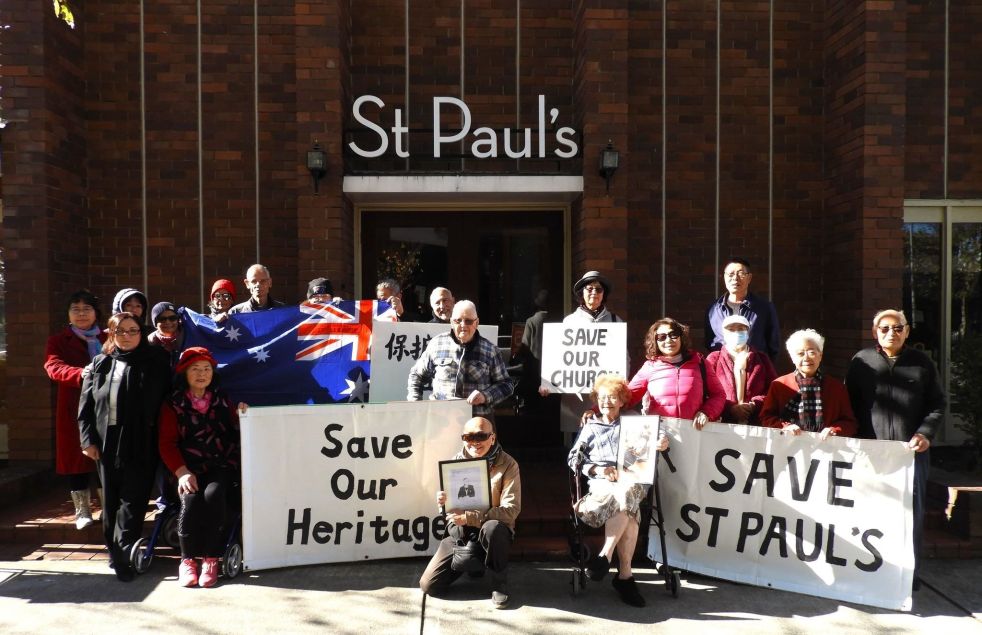
Why does the sale of a local church create community angst? What is going on?

The sale of church land has sparked community angst, particularly at St. Paul's Anglican Church in Bankstown. The proposed heritage listing has led to concerns about redevelopment and closure. Similar issues have arisen in Tasmania, where the sale of local churches has evoked strong emotional and historical attachments. The opposing views between churchgoers and non-churchgoers present an unresolved ethical dilemma.

Architecture · Attachment to place · Belonging · Camden Museum · Camden Public School · Camden Story · Camden Town Centre · Churches · Community · Community building · Community identity · Cultural Heritage · Local Studies · Macaria · Memorials · Place making · Sense of place · St John's Church Camden · Stories · Storytelling · Teamsters Memorial · Urban history

Connecting Community: John Street and the Art of Placemaking

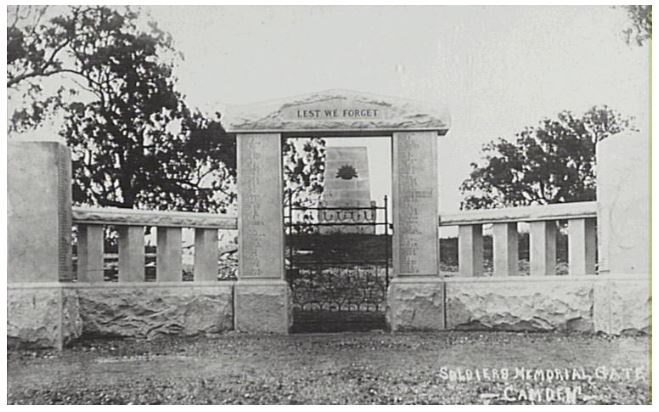
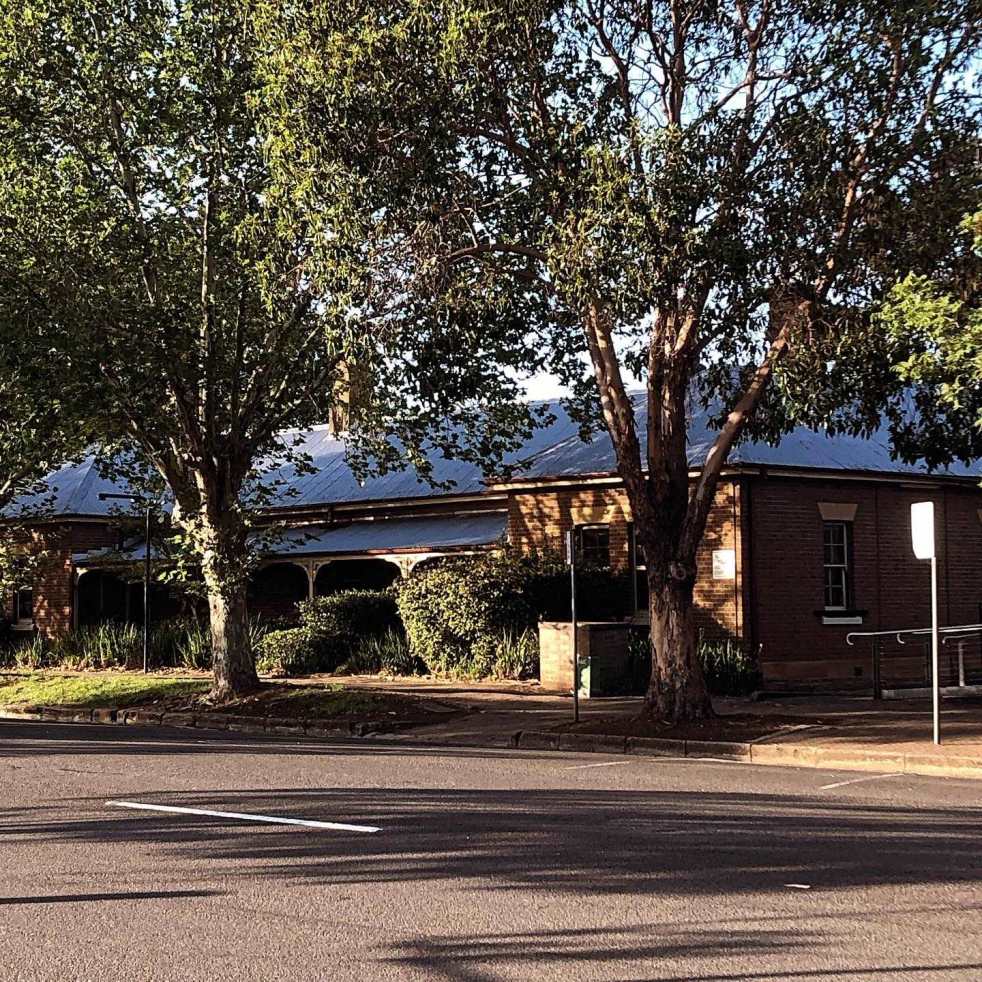
John Street in Camden embodies the concept of 'place' as defined by various scholars. The precinct holds significance for the community, influencing their identity and emotional attachment. It possesses the potential for placemaking through elements such as cultural traditions, memorials, and events. Leverage of these elements can enhance community interactions and attachment, enriching residents' lives.

1973 New Cities Campbelltown Camden Appin Structure Plan · 20th century · Attachment to place · Built heritag · Camden Council · Camden District · Camden Heritage Conservation Area · Camden Museum · Camden Show · Camden Story · Camden Town Farm · Church History · Churches · Collective Memory · Colonial Camden · Commemoration · Community identity · Country town · Country town idyll · Cultural and Heritage Tourism · Cultural Heritage · Elizabeth Macarthur · Folklore · Hope and loss · Landscape · Legends · Local History · Local newspapers · Local Studies · Lost Camden · Memorial · Memory · Monuments · Place making · Placemaking · rural-urban fringe · Ruralism · Sense of place · Settler Society · Social History · Stereotypes · Stories · Storytelling · Sydney's rural-urban fringe · Tourism · Town planning · Uncategorized · Urban development · Urban growth · Urban history · Urban Planning · urban sprawl · Urbanism

Yearning, Longing and The Remaking of Camdenโ€™s Identity: the myths and reality of โ€˜a country town idyllโ€™.

This article discusses the concept of a "country town idyll" in Camden, an idealised version of a country town from an imagined past that uses history to construct imagery based on Camden's heritage buildings and other material fabrics. The paper delves into the origins of the idyll, examines its development, and investigates its validity in its contemporary context. It shows how its supporters have used history as a community asset to remake Camden's identity and explore how the 'country town idyll' has been used variously as a political weapon, a marketing tool, and a tourist promotion.

20th century · Adaptive Re-use · Aesthetics · Architecture · Attachment to place · Belonging · Burra Charter · Camden Story · Church History · Churches · Collective Memory · Commemoration · Community identity · Cultural Heritage · Elderslie · Families · Family history · Farming · First World War · Genealogy · Heritage · History · Living History · Local History · Local Studies · Memorial · Place making · Placemaking · Sense of place · St Mark's Church Elderslie · Urban development · Urban growth · Urbanism · Village · Wartime

St Markโ€™s Church Elderslie, the little church on the hill

St Mark's Church Elderslie tells the story of a small farming community that has disappeared through the mists of time. The history of St Markโ€™s church is the history of Elderslie, and the church was a special place of community celebrations and commemorations along with family celebrations, traditions, and events. The church has been a gathering place, a sacred site.

Argyle Street · Camden · Camden Council · Camden Historical Society · Camden Museum · Camden Red Cross · Camden Show · Churches · Coal mining · Colonial Camden · Country Women's Association · Cultural Heritage · Dairying · Elizabeth Macarthur · Farming · First World War · Floods · Heritage · History · Living History · Local History · Local newspapers · Local Studies · Macarthur · Macarthur Park · Nepean River · Philanthropy · Place making · Placemaking · Railway · Red Cross · Schools · Second World War · Sense of place · Settler colonialism · Settler Society · Silver mining · Storytelling · Sydney's rural-urban fringe · Uncategorized · Urban development · Urban growth · Urban Planning · urban sprawl · Urbanism · Volunteering · Volunteerism · Wartime · World War One

Camden, a Macarthur family venture

The establishment of Camden, New South Wales, the town in 1840, was a private venture of James and William Macarthur, sons of colonial patriarch John Macarthur, at the Nepean River crossing on the northern edge of the familyโ€™s pastoral property of Camden Park. The townโ€™s site was enclosed on three sides by a sweeping bend in the Nepean River and has regularly flooded the surrounding farmland and lower parts of the town.

Adaptive Re-use · Architecture · Built heritag · Business · Churches · Community identity · Cultural Heritage · Eastern Command Training School, Narellan, NSW · Heritage · History · History of a house · House history · Local History · Local Studies · Military history · Narellan · Place making · Placemaking · Schools · Second World War · Sense of place · Storytelling · Village

Narellan’s Built Heritage

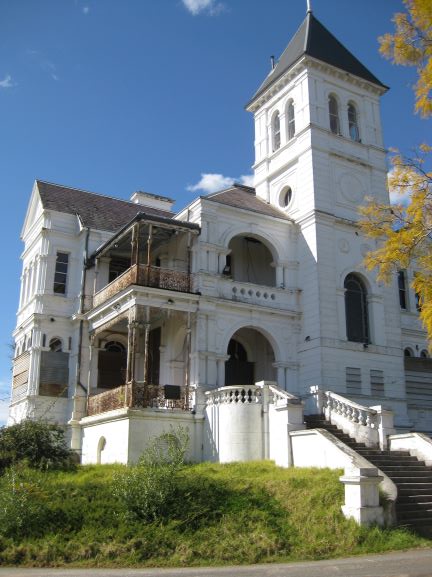
The former colonial village of Narellan originally located in the Cowpastures has some fascinating surviving built heritage.

Architecture · Art · Attachment to place · Belonging · Churches · Cultural Heritage · Education · Heritage · History · Leppington · Local History · Local Studies · Memorial · Memorials · Memory · Modernism · Place making · Sculpture · Town planning · Uncategorized · welfare

Sir John Sulman Medal for Architectural Excellence in 1963 awarded for a local example of mid-century modernism

Bell Tower Park in Leppington is dedicated to the memory of the St Andrews Boys Home that was located on the site. There is a replica bell tower and a number of sculptures of young boys in the park.

Aesthetics · Agricultural heritage · Agriculture · Argyle Street · Attachment to place · Built heritag · Camden · Camden Airfield · Camden Show · Camden Story · Camden Town Centre · Churches · Cobbitty · Colonial Camden · Colonialism · Community identity · Country town · Cultural and Heritage Tourism · Cultural Heritage · Cumberland Plain · Farming · Floods · Heritage · History · Landscape · Living History · Local History · Local Studies · Macarthur Park · Onslow Park · Place making · Placemaking · Railway · Sense of place · Storytelling · Tourism

Camden, the best preserved country town on the Cumberland Plain

The historic town of Camden is hailed by architect Hector Abrahams as the best-preserved country town on the Cumberland Plain. Established in 1840, it offers a glimpse of Victorian and early 20th-century charm. Visitors can explore its heritage precinct, rural landscapes, historic villages, and even relive the town's aviation history.

1920s · 1930s · Agricultural heritage · Agriculture history · Argyle Street · Artefacts · Attachment to place · Belonging · Built heritag · Camden · Camden Story · Cawdor · Churches · Cobbitty · Community identity · Country town · Cultural Heritage · Cultural icon · Elderslie · Family history · Farming · Fashion History · Festivals · Heritage · Historical consciousness · Historical Research · History · Interwar · Living History · Local Studies · Memory · Monuments · Mount Hunter · Photography · Place making · Placemaking · Retail history · Roy Dowle photographer · Ruralism · Sense of place · Settler colonialism · Social History · Stereotypes · Storytelling · Teamsters · The Oaks · Transport · transport history · Urban history · War

The Roy Dowle collection and old photographs

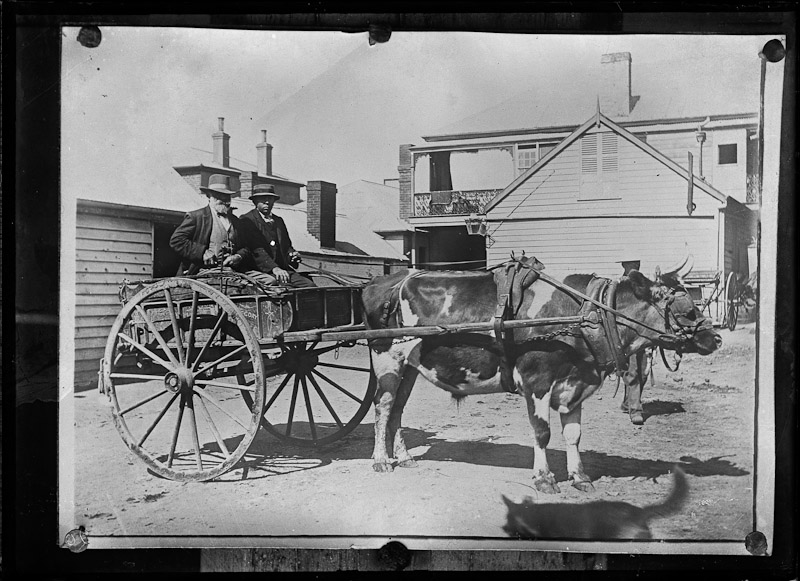
Old photographs are a glimpse into the past and capture many memories of another time. The Roy Dowle Glass Plate collection at The Oaks Historical Society is a source of many local images.