1920s · 1930s · 20th century · Agriculture · Argyle Street · Attachment to place · Belonging · British colonialism · Built heritag · Camden · Camden Story · Collective Memory · Colonialism · Commemoration · Community identity · Country town · Cowpastures · Cultural Heritage · Dharawal · Historical consciousness · Historical Research · Historical thinking · Historiography · History · Legends · Local History · Local Studies · Macarthur · Memorial · Memorialisation · Memorials · Memory · Monuments · Mysteries · Myths · Newspapers · Pioneers · Place making · Regionalism · Ruralism · Sense of place · Settler colonialism · Settler Society · Small communities · Stereotypes · Storytelling · Tourism · Urban growth · Urban history · Volunteering

The Camden Story: the historiography of the history of the country town of Camden NSW

The history of telling the story of a small community has been interpreted in different ways at different times in the past by different historians. This area of study is called the historiography. I have recently published an article on the historiography of the small country town of Camden, NSW.

20th century · Adaptive Re-use · Aesthetics · Architecture · Attachment to place · Belonging · Burra Charter · Camden Story · Church History · Churches · Collective Memory · Commemoration · Community identity · Cultural Heritage · Elderslie · Families · Family history · Farming · First World War · Genealogy · Heritage · History · Living History · Local History · Local Studies · Memorial · Place making · Placemaking · Sense of place · St Mark's Church Elderslie · Urban development · Urban growth · Urbanism · Village · Wartime

St Mark’s Church Elderslie, the little church on the hill

St Mark's Church Elderslie tells the story of a small farming community that has disappeared through the mists of time. The history of St Mark’s church is the history of Elderslie, and the church was a special place of community celebrations and commemorations along with family celebrations, traditions, and events. The church has been a gathering place, a sacred site.

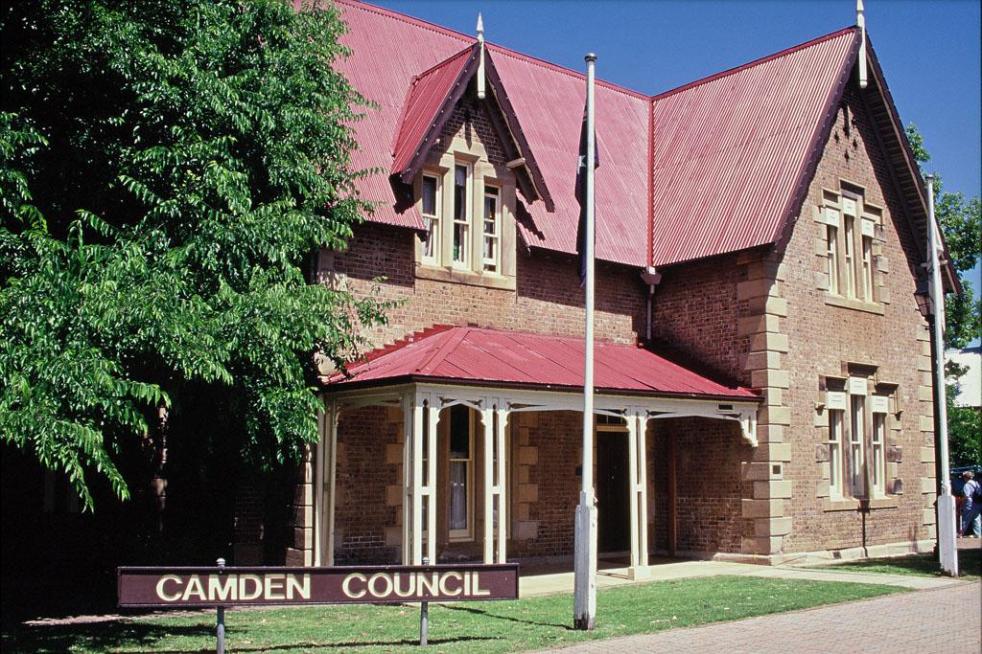
Argyle Street · Camden · Camden Council · Camden Historical Society · Camden Museum · Camden Red Cross · Camden Show · Churches · Coal mining · Colonial Camden · Country Women's Association · Cultural Heritage · Dairying · Elizabeth Macarthur · Farming · First World War · Floods · Heritage · History · Living History · Local History · Local newspapers · Local Studies · Macarthur · Macarthur Park · Nepean River · Philanthropy · Place making · Placemaking · Railway · Red Cross · Schools · Second World War · Sense of place · Settler colonialism · Settler Society · Silver mining · Storytelling · Sydney's rural-urban fringe · Uncategorized · Urban development · Urban growth · Urban Planning · urban sprawl · Urbanism · Volunteering · Volunteerism · Wartime · World War One

Camden, a Macarthur family venture

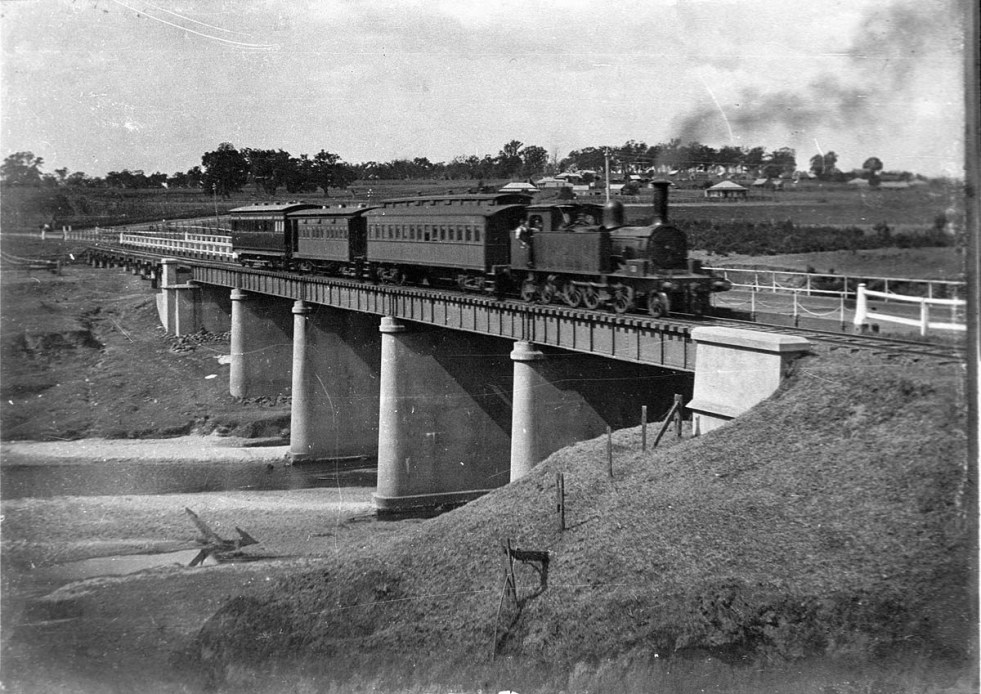
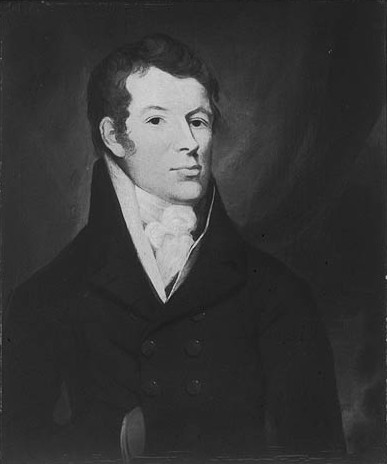
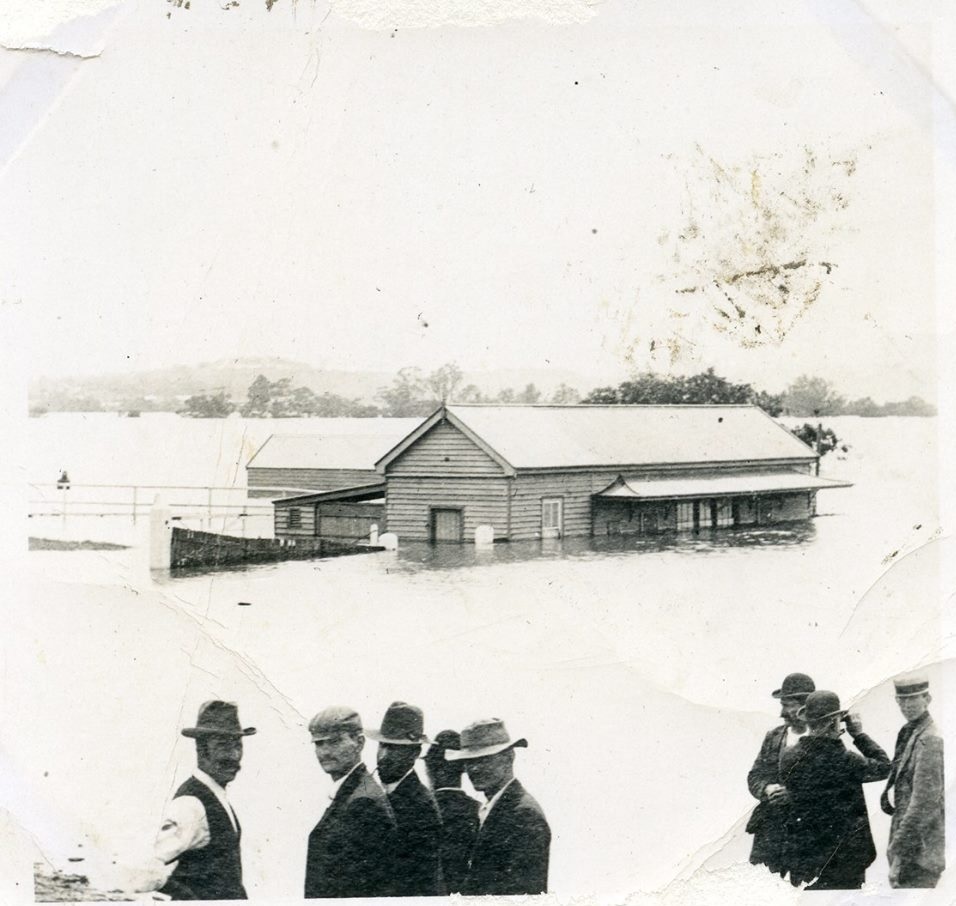
The establishment of Camden, New South Wales, the town in 1840, was a private venture of James and William Macarthur, sons of colonial patriarch John Macarthur, at the Nepean River crossing on the northern edge of the family’s pastoral property of Camden Park. The town’s site was enclosed on three sides by a sweeping bend in the Nepean River and has regularly flooded the surrounding farmland and lower parts of the town.

Attachment to place · Belonging · Cultural Heritage · Dress history · Family history · Historical consciousness · Historical Research · Historical thinking · Historiography · History · History of a house · History theory and practice · House history · Living History · Local History · Local Studies · Media History · Medical history · Memory · Military history · Modernism · Music history · NSW History K-10 Syllabus · Place making · Placemaking · Schools · Sense of place · Storytelling · Women's history

We need new ways to tell stories of the past

We need new ways to tell local stories in the face of fake news, the search for 'the truth' and a host of conspiracy theories. Stories about our past need to based on evidence from a range of credible sources. There is a need to be a historical detective.

Art · Attachment to place · Belonging · Camden · Colonial Camden · Colonial frontier · Colonialism · Convicts · Cowpastures · Cultural Heritage · Cultural icon · England · Farming · Heritage · Historical consciousness · Historical Research · Historical thinking · History · Interwar · Landscape aesthetics · Lifestyle · Living History · Local History · Local newspapers · Local Studies · Macarthur · Memorials · Memory · Modernism · Monuments · Myths · Newspapers · Place making · Ruralism · Sense of place · Settler colonialism · Stereotypes · Streetscapes · Sydney's rural-urban fringe · Tourism · Urban growth · urban sprawl · Urbanism · War · Women's history

Making Camden History

Making Camden History tells the story of how the history of the Camden District has been written from the 19th century. It is the history of the history of the local area.

Attachment to place · Belonging · Community identity · Cultural Heritage · Heritage · Historical consciousness · Historical thinking · History · Local History · Local Studies · Macarthur · Media History · Newspapers · Place making · Sense of place · Storytelling · Uncategorized

Macarthur regional newspaper history

The story of hard-bitten local newspaper identities and their publications has been told in a recent article published in British academic journal Media History. Local author and historian Ian Willis details the travails of local reporters, printers, owners, and others who made the news across the region for over 140 years.

Adaptive Re-use · Alan Baker Art Gallery Camden NSW · Architecture · Art · Art Deco · Artists · Camden · Camden Story · Community identity · Cultural Heritage · Cultural icon · Entertainment · Gothic · Heritage · History · History of a house · House history · Interwar · Leisure · Lifestyle · Living History · Local History · Local Studies · Macarthur · Place making · Public art · Sense of place · Storytelling · Tourism · Victorian

‘Face to Face’, a new exhibition at Alan Baker Art Gallery

A new art exhibition has opened recently at the Alan Baker Art Gallery in Macaria, John Street, Camden. The exhibition FACE to FACE Live Sittings 1936 -1972 runs from April to September 2021. Entry is free.

Attachment to place · British colonialism · Camden · Campbelltown · Colonial Camden · Communications · Community identity · Cowpastures · Cultural Heritage · Cultural icon · Heritage · Historical consciousness · Historical Research · History · Legends · Local History · Local newspapers · Local Studies · Macarthur · Media History · Myths · Newspapers · Picton · Place making · Sense of place · Storytelling · Uncategorized

Local Newspapers and a Regional Setting in New South Wales

UOW historian Dr Ian Willis has recently published an article in Media History (UK) about the role of local newspapers in the creation of Macarthur regional identity and the mythology surrounding New South Wales colonial identity John Macarthur.

1920s · 1930s · Agricultural heritage · Agriculture history · Argyle Street · Artefacts · Attachment to place · Belonging · Built heritag · Camden · Camden Story · Cawdor · Churches · Cobbitty · Community identity · Country town · Cultural Heritage · Cultural icon · Elderslie · Family history · Farming · Fashion History · Festivals · Heritage · Historical consciousness · Historical Research · History · Interwar · Living History · Local Studies · Memory · Monuments · Mount Hunter · Photography · Place making · Placemaking · Retail history · Roy Dowle photographer · Ruralism · Sense of place · Settler colonialism · Social History · Stereotypes · Storytelling · Teamsters · The Oaks · Transport · transport history · Urban history · War

The Roy Dowle collection and old photographs

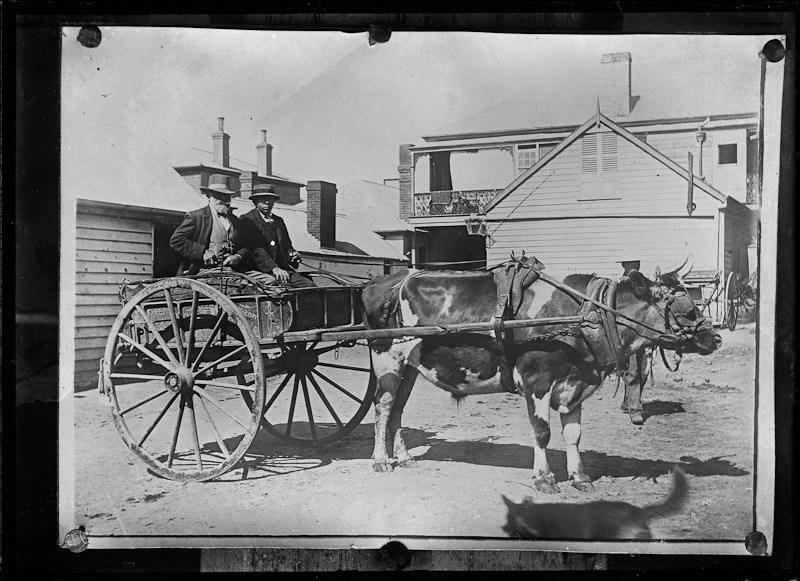
Old photographs are a glimpse into the past and capture many memories of another time. The Roy Dowle Glass Plate collection at The Oaks Historical Society is a source of many local images.

Attachment to place · Belonging · Camden · Camden Story · Cobbitty · Community identity · Cultural Heritage · Emergency Services · Farming · Floods · Heritage · Historical consciousness · Historical Research · History · Landscape · Living History · Local History · Local Studies · Memory · Natural Disasters · Nepean River · Place making · Ruralism · Sense of place · Storytelling · Urban development · Urban growth · Urban history · Urban Planning · urban sprawl

The hidden dangers of Camden’s bathtub effect

The Nepean River's 'bathtub effect' refers to the unique flooding impact created by the river's landform. The Hawkesbury-Nepean River's four gorges result in localized floodplains, causing a 'bathtub effect' during periods of high rainfall. These characteristics make the area susceptible to significant flood risk, impacting local communities.