Adaptive Re-use · Aesthetics · Architecture · Art · Attachment to place · Australia · Built heritag · Camden · Camden Story · Church History · Churches · Community identity · Cultural Heritage · Cultural icon · Curtilage · Georgian · Gothic · Heritage · Historical consciousness · Historical Research · Historical thinking · History · Landscape aesthetics · Lifestyle · Living History · Local History · Local Studies · Macarthur · Memory · Monuments · Myths · Place making · Placemaking · Ruralism · Sense of place · Social History · Storytelling · Streetscapes · Trust · Victorian · Weddings

Why does the sale of a local church create community angst? What is going on?

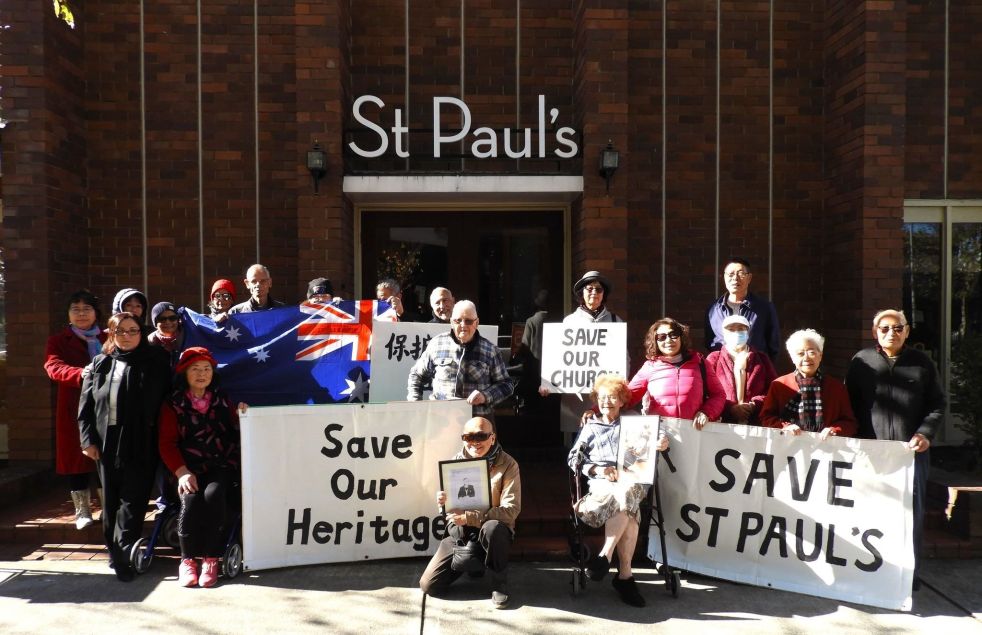
The sale of church land has sparked community angst, particularly at St. Paul's Anglican Church in Bankstown. The proposed heritage listing has led to concerns about redevelopment and closure. Similar issues have arisen in Tasmania, where the sale of local churches has evoked strong emotional and historical attachments. The opposing views between churchgoers and non-churchgoers present an unresolved ethical dilemma.

Adaptive Re-use · Adaptive Reuse · Aesthetics · Agricultural heritage · Agricultural modernism · Agriculture · Agriculture history · Architecture · Artists · Belgenny Farm · Camden Park Estate · Camden Story · Carpentry · Colonial Camden · Colonialism · Commemoration · Cowpastures · Cowpastures Estates · Cowpastures Gentry · Crafts · Cultural Heritage · Dairying · Elizabeth Macarthur · Entertainment · Farming · History of a building · Landscape · Landscape aesthetics · Living History · Local History · Local Studies · Macarthur · Macarthur family · Memorial · Monuments · Nationalism · Place making · Placemaking · Ruralism · Sense of place · Settler Society · Small town · Stories · Storytelling · Traditional Trades · Village

Back to Belgenny 2024, a festival of living history

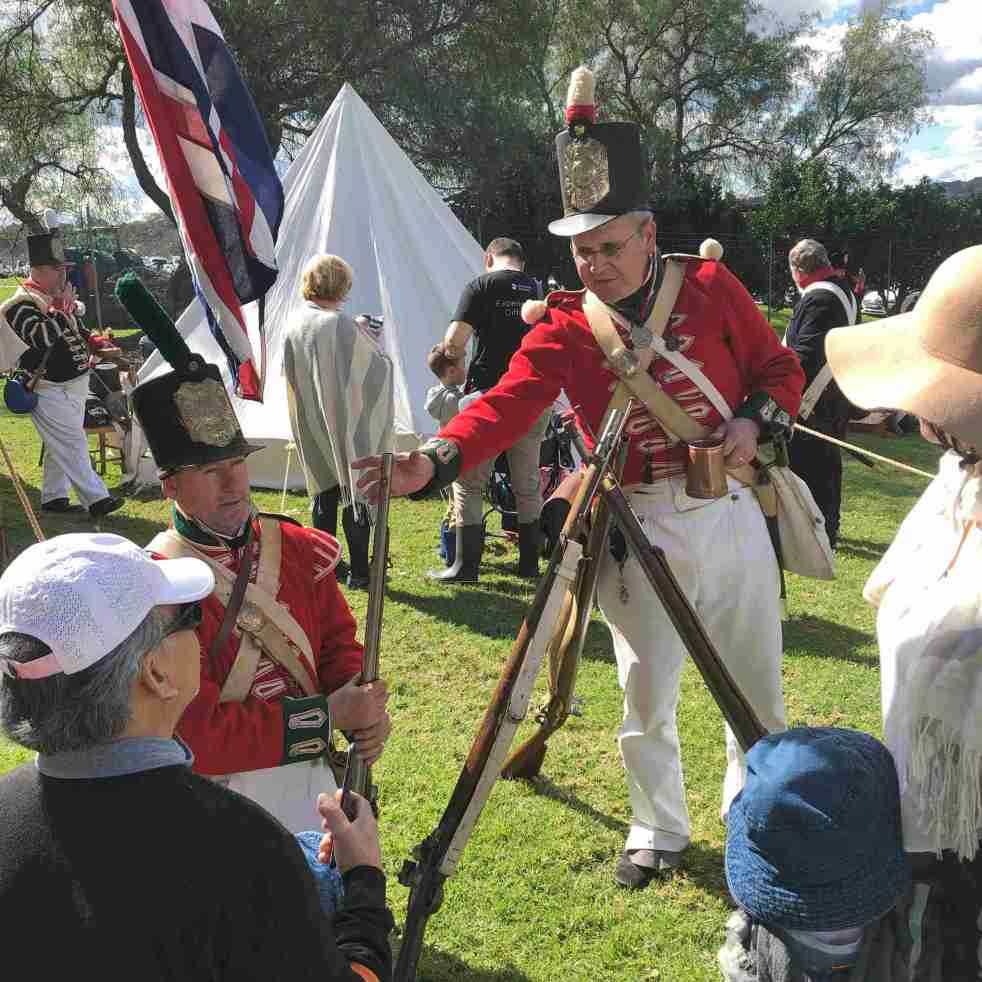
The 2024 Back to Belgenny festival at Belgenny Farm in South Camden showcased living history with reenactments, traditional trades, and stalls selling arts and crafts of the past. Activities included sheepdog trials, live music, vintage cars, and guided history tours of the site. The farm represents the settler society through the generations of the Macarthur family and their workers.

Agricultural heritage · Agricultural modernism · Agriculture · Agriculture history · Belonging · Camden · Camden Chinese Market Gardeners · Camden District · Camden Rotary Club · Camden Story · Camden Town Farm · Community identity · Country town · Cultural Heritage · Economy · Elderslie · Families · Family history · Farming · Gardening · History · Horticulture · Intensive agriculture · Irrigation · Landscape · Lifestyle · Local History · Local Studies · Lost Camden · Memory · Modernism · Nepean River · Plants · Ruralism · Sense of place · Small town · Social History · Stories · Storytelling

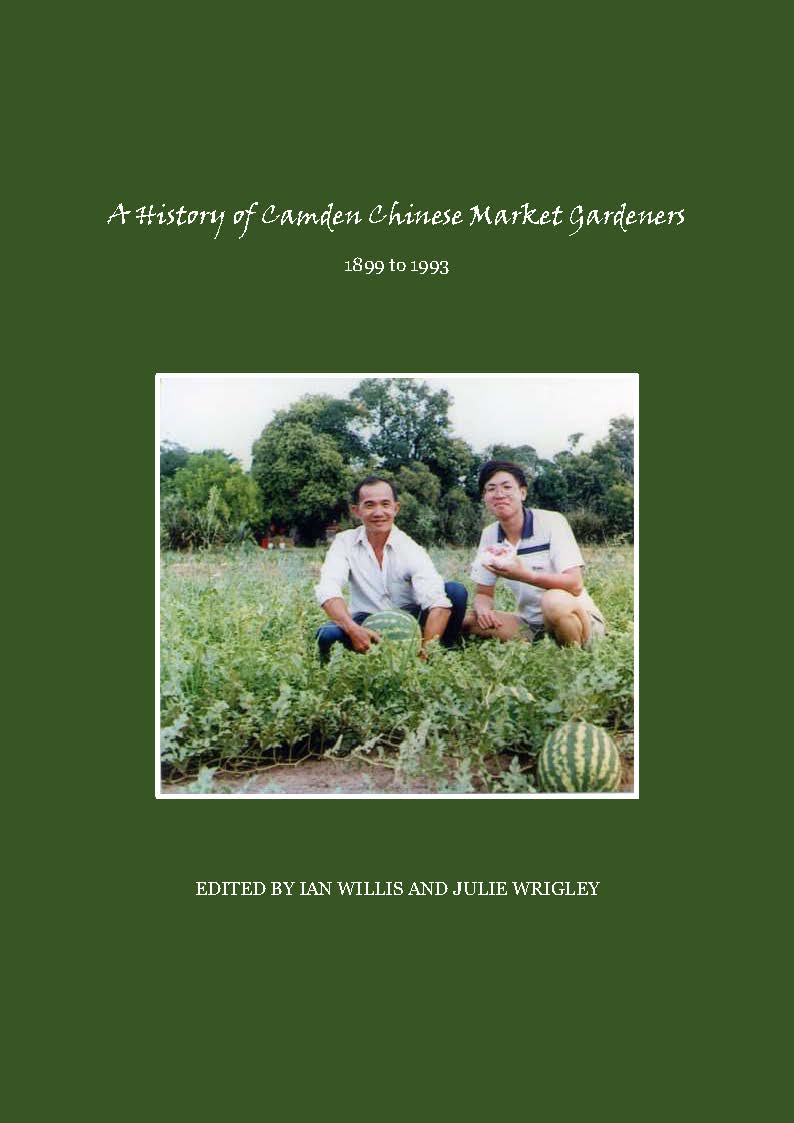
History of Camden Chinese Market Gardeners: Resilience, Innovation, and Struggles

The presentation at Camden Rotary Club details the significant contributions and challenges faced by Chinese market gardeners in Camden. It sheds light on their resilience, innovation, discrimination, and impact on the local economy. The book "A History of Camden Chinese Market Gardeners 1899-1993" emphasizes their agency, making an important contribution to local history and the literature of the Chinese diaspora in Australia.

20th century · Agricultural heritage · Agriculture history · Art · Attachment to place · Camden · Camden District · Camden Show · Camden Story · Church History · Collective Memory · Commemoration · Community · Community celebrations · Community Health · Community identity · Community organisations · Community work · Cultural Heritage · Disasters · Engineering Heritage · Engineering History · Families · Family history · Farming · Festivals · Floods · Folklore · Genealogy · Health History · Heritage · Historian · Historical consciousness · Historical Research · Historical source · Historical thinking · History of a house · History of Emotion · Hotel History · House history · Housing · Landscape · Landscape aesthetics · Legends · Living History · Local History · Local Studies · Macarthur region · Memorial · Memorialisation · Memorials · Monuments · Myths · Paintings · Photographs · Photography · Pictures · Placemaking · References · Small communities · Small town · Social History · Stereotypes · Stories · Storytelling · Urban growth · Women's agency · Women's art · Women's history · Women's stories

Exploring Historical Themes: Pictorial History Camden & District Presentation Summary

This presentation examined the role of the historian and researcher and presented the importance of history and the role of a historian. Dr Ian Willis discussed the significance of historical consciousness and collective memory, emphasising the role of a historian as a researcher, analyst, interpreter, and storyteller. The presentation also highlighted "Pictorial History Camden & District," a book by Kingsclear Books, and covered aspects such as structure, select bibliography, index of names, and district maps. Additionally, various related sources and themes, such as the Whiteman and Macarthur families, were explored. The presentation concluded with suggestions for experiencing the past through community festivals, local studies, and living libraries.

1930s · 20th century · Burragorang Miners Memorial · Burragorang Valley · Business · Business History · Camden Story · Coal mining · Economy · Electricity · Engineering Heritage · Engineering History · Heritage · Industrial Heritage · Local Studies · Lost Camden · Memorial · Memorialisation · Memorials · Memory · Mining History · Monuments · Narellan Story · Oakdale · Place making · Public art · Sense of place · Stories · Storytelling · The Oaks Historical Society · Wollondilly Heritage Centre

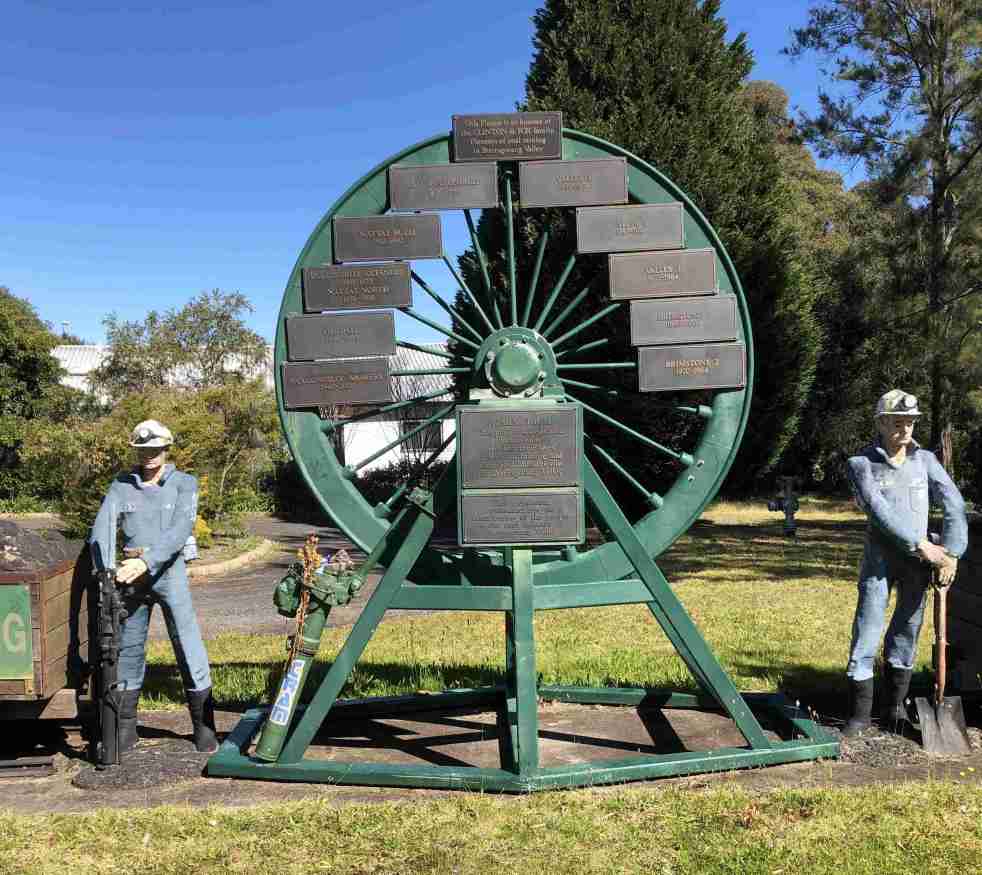
Burragorang Coalfields: From Prosperity to Closure

The Burragorang Valley's coal mining history spans from the early 1800s to the closure of the last operational mine in 2000. The community relied on coal for jobs, but the inevitable end affected the region. International mining companies became involved, and the introduction of electricity transformed mining processes. Many mines opened and closed throughout the years, leaving a rich and complex history documented in various sources.

Argyle Street · Attachment to place · Camden · Camden Hospital · Camden Story · Community building · Community identity · Community organisations · Cultural Heritage · Cultural icon · Entertainment · Farming · Festivals · Heritage · Historical consciousness · Historical Research · History · Leisure · Living History · Local History · Local newspapers · Memory · Modernism · Newspapers · Place making · Ruralism · Sense of place · Social History · Volunteering · Volunteerism

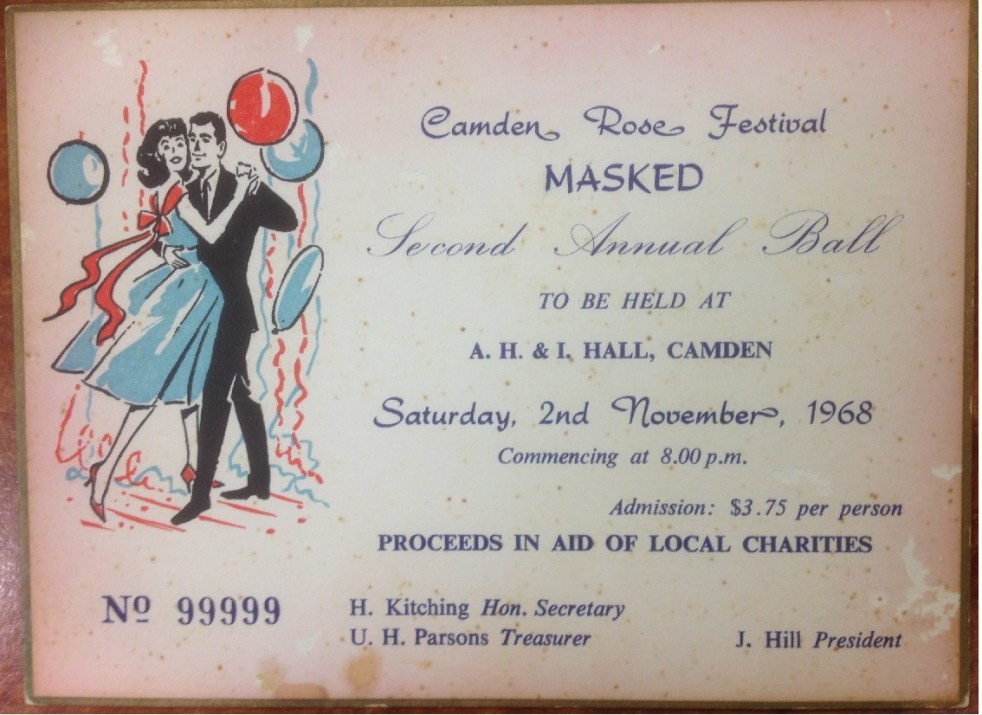
Camden Rose Festival 1968: history and festivities

The Camden Rose Festival, founded by JW Hill, celebrated the 1960s' prosperity and optimism. The festival included a street parade, wheelbarrow derby, art exhibition, and a masked ball. The event attracted significant community participation and raised funds for Camden District Hospital. The festival reflected the spirit of the post-war years and local community engagement.

Attachment to place · Belonging · Camden · Camden Museum · Camden Story · Collective Memory · Colonial Camden · Community identity · Cultural Heritage · Cultural icon · Economy · Education · Farming · Heritage · Historical consciousness · Historical Research · Historical thinking · History · Legends · Living History · Local History · Local Studies · Lost Camden · Macarthur · Memory · Modernism · Narellan · Place making · Placemaking · Railway · Railway history · Second World War · Sense of place · Stories · Storytelling · Tourism · Transport

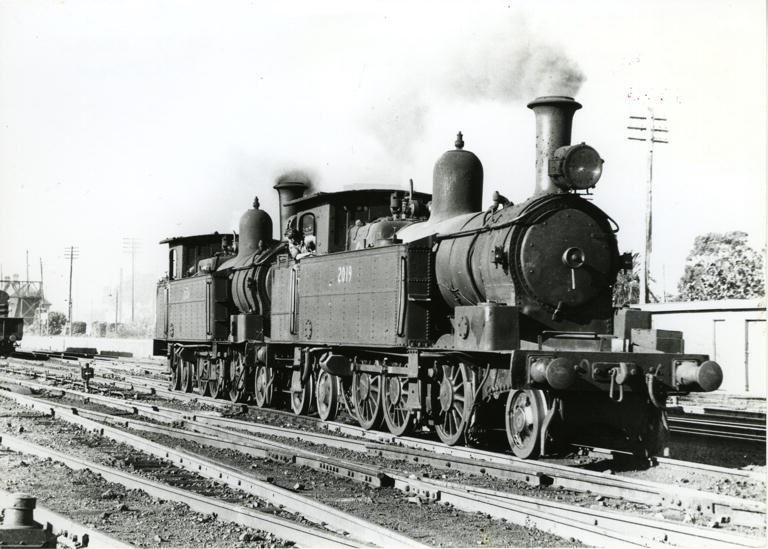
Exploring Camden’s Railway Heritage: Pansy and Its Timeless Stories

The Camden branch line, with its famous locomotive Pansy, holds a special place in the memories of locals and visitors. Operating from 1882 to 1963, it served as a lifeline for the community, transporting goods, passengers, and even wartime heroes. Despite its eventual closure, remnants of the line can still be seen today.

Architecture · Art · Built heritag · Commemoration · Cultural Heritage · Garden Palace · Heritage · History · Industrial Heritage · Lost Sydney · Memorialisation · Memorials · Memory · Pageant · Place making · Placemaking · Sense of place · Settler colonialism · Sydney International Exhibition · Uncategorized · Urban growth · Urban history · Victorian

Garden Palace, showing the wonders of the age

In 1882, a massive fire at Macquarie Street, Sydney, destroyed the Garden Palace and valuable contents, causing significant loss of records and artefacts. The origin of the fire remains a mystery. The Palace was originally built for the Sydney International Exhibition in 1879.

Agave · Camden · Camden Park House and Garden · Camden Story · Cawdor · Cawdor Road · Collective Memory · Colonial Camden · Colonial frontier · Cowpastures · Family history · Folklore · Frontier violence · Ghosts · Legends · Memory · Mysteries · Newspapers · Pioneers · Place making · Sense of place · Stories · Storytelling

Agave on Cawdor Road, a part of local folklore

The agave plants near Cawdor Road, Camden, have become part of local folklore, with stories spanning murder, historical colonial gardens, and Indigenous conflict. These slow-growing succulents have sparked controversy and conjecture, with their true history and significance remaining a mystery. Despite attempts to uncover the truth, the agave's legend endures across generations.

20th century · Aesthetics · Belonging · Campbelltown · Community · Community Engagement · Community identity · Cultural Heritage · Historical consciousness · History of a house · Hope and loss · House history · Housing · Local History · Local Studies · Lost Campbelltown · Memory · Myths · Place making · Sense of place · Urban development · Urban growth · Urban history · Urbanism

Despina’s story, fond memories of living in Campbelltown

A former resident of Campbelltown, Despina Maddalena, has recalled her time living in Campbelltown in the early 2000s. She has fond memories and is quick to defend the city from stereotypes and misinformation.