1968 Sydney Region Outline Plan · 1973 New Cities Campbelltown Camden Appin Structure Plan · Aesthetics · Airds · Architecture · Attachment to place · Campbelltown · Collective Memory · Community identity · Cultural Heritage · Cultural icon · Economy · Heritage · Historical consciousness · Historical Research · Historical thinking · History · Housing · Landscape · Lifestyle · Living History · Local History · Local Studies · localism · Lost Sydney · Macarthur · Macarthur Growth Centre · Malls · Memory · Mid-century modernism · Modernism · Myths · Place making · Placemaking · Retailing · rural-urban fringe · Sense of place · Shopping · Stereotypes · Storytelling · Streetscapes · Supermarkets · Sydney · Town planning · Urban Decay · Urban development · Urban growth · Urban history · Urban Planning · urban sprawl · Urbanism

Airds Shopping Mall demolition, the unmet expectations of mid-century modernism

The Airds shopping mall's future encapsulates the decline of mid-century modernism in the midst of urban neglect. Once a symbol of optimism, the area's decay reflects broader global trends in retail. From failed Radburn principles to public housing challenges, the mall's history mirrors the clash of modernism and neoliberalism in Campbelltown. Despite the despair former residents report that they recall happy memories and stories of hope growing up in the area.

1968 Sydney Region Outline Plan · 1973 New Cities Campbelltown Camden Appin Structure Plan · Aesthetics · Art · Artists · Attachment to place · Camden · Campbelltown · Campbelltown Art Centre · Campbelltown Council · Community identity · Community work · Craft · Crafts · Design · Dharawal · Economy · Education · Entertainment · History · Indigenous Heritage · Living History · Local History · Local Studies · localism · Macarthur region · Memory · Monuments · Murals · Pioneers · Place making · Placemaking · Public art · Regionalism · rural-urban fringe · Sculpture · Sense of place · Stereotypes · Storytelling · Streetscapes · Sydney's rural-urban fringe · Town planning · Urban development · Urban history · Urban Planning · Urbanism · Western Sydney University

Public art at Campbelltown brightens up the Queen Street precinct

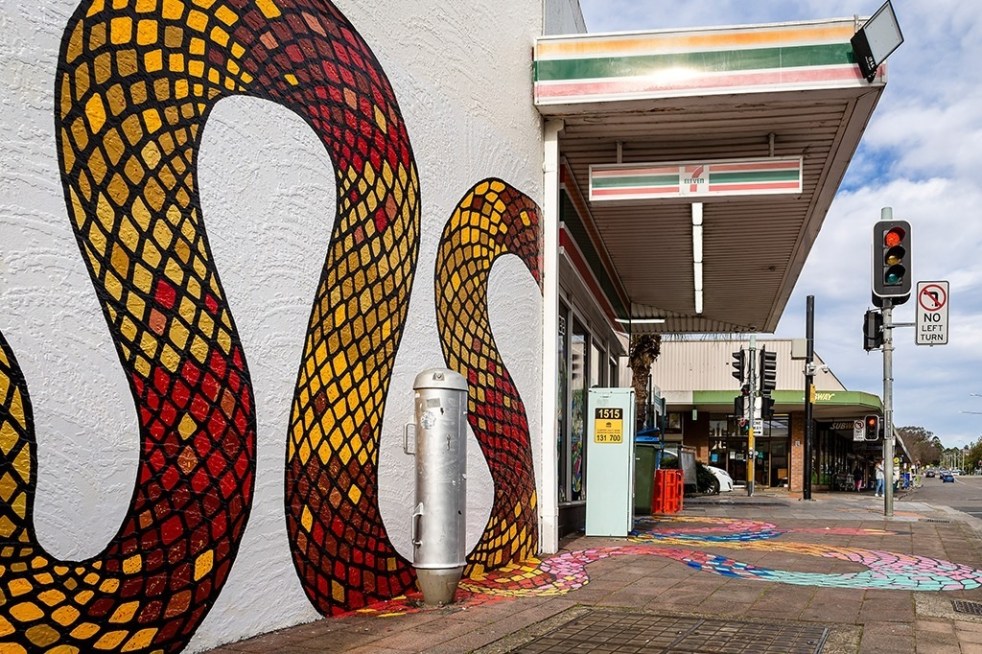
Public art is being used in the Campbelltown town centre to reinvigorate and revitalise the Queen Street precinct that has been subject to urban blight.

1920s · 1930s · 1932 · 20th century · Adaptive Re-use · Aesthetics · Architecture · Argyle Street · Attachment to place · Belonging · Built heritag · Business History · Camden Story · Camden Town Centre · Collective Memory · Colonial Camden · Community identity · Cultural Heritage · Cultural icon · Design · Economy · Governor Macquarie · Historical consciousness · History · Interwar · Local History · Local Studies · localism · Macarthur region · Mid-century modernism · Modernism · Place making · Placemaking · Sense of place · Storytelling · Streetscapes · Town planning · Uncategorized · Urban growth · Urban history · Urbanism

 The former Bank of New South Wales building in the country town of Camden

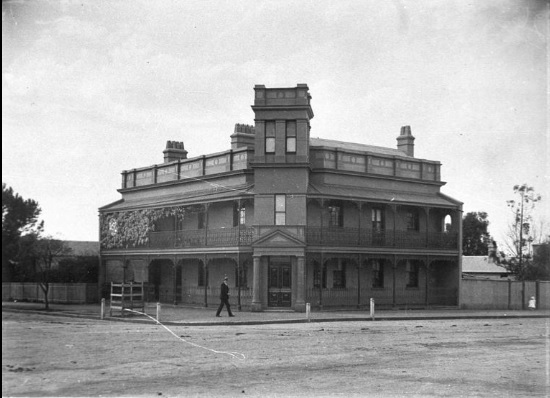
In central Camden is an empty bank building of understated significance at the intersection of John and Argyle Streets. This building was the premises of Westpac, formerly the Bank of New South Wales, and was the second banking chamber on that site. Constructed in the 1930s by a prominent firm of local builders and designed by one of Sydney’s top award-winning architects. It is a building of much architectural merit, and few know its history. 

Charles Cowper · Colonialism · Cultural Heritage · Economy · Heritage · History · Lost Sydney · Maryland · Museum of Applied Arts and Sciences Powerhouse Museum · Railway · Sydney Railway Company · Technology · Thomas Barker · Transport · Uncategorized · Wivenhoe

A Camden connection to the first railway line in New South Wales

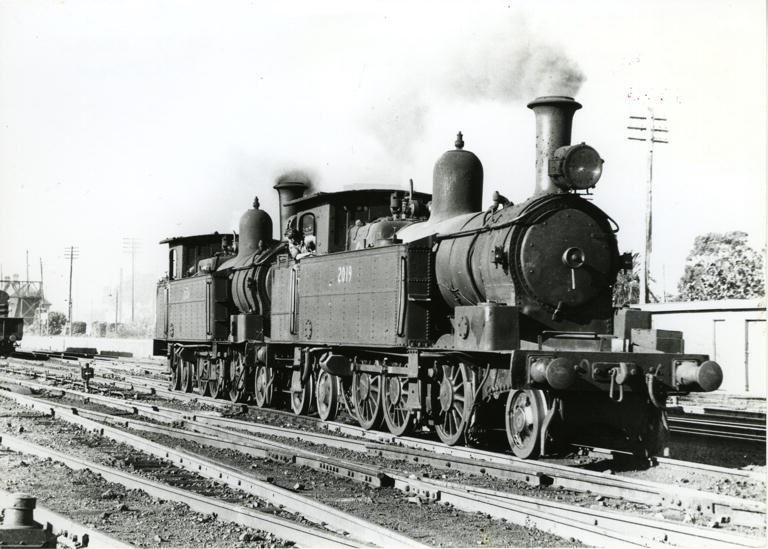
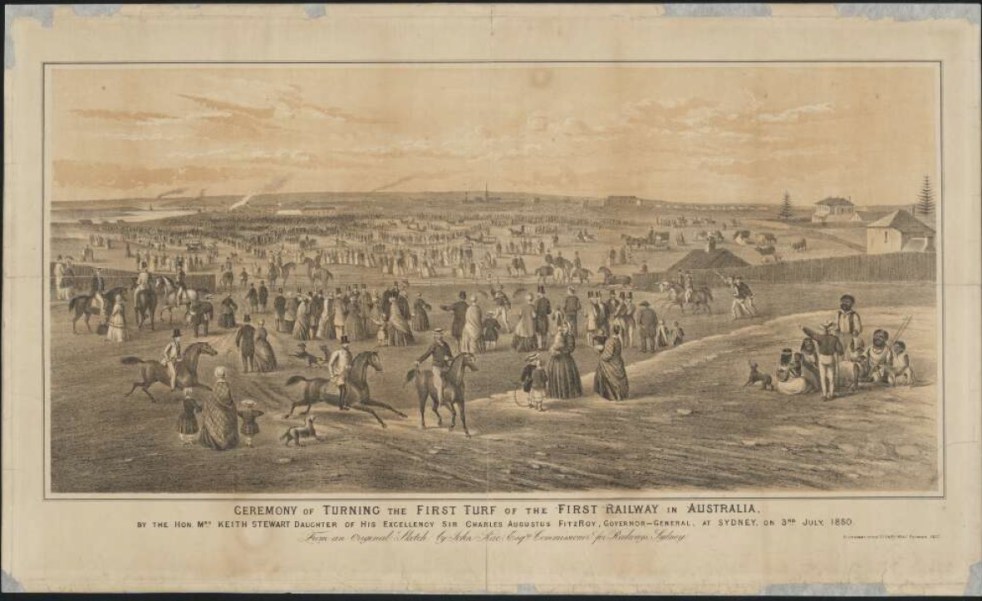
26 September 1855 A forgotten anniversary of Sydney’s Central Railway Station On 26 September 1855, the first train left the Sydney terminus, a ‘tin shed’, with great pomp and ceremony and thus began the great railways of New South Wales. The ‘tin shed’ was replaced by two further buildings, one opened in 1874, and the current grand Victorian edifice of brick and sandstone in 1906.

Agency · Agriculture · Agriculture history · Attachment to place · Belonging · British colonialism · Camden · Cawdor · Cobbitty · Colonial Camden · Colonial frontier · Colonialism · Community identity · Cowpastures · Cowpastures Estates · Cowpastures Gentry · Cultural Heritage · Cultural icon · Denbigh · Economy · Elderslie · England · Farming · Georgian · Gothic · Harrington Park · Heritage · History · Hope and loss · House history · Indigenous Heritage · Johm Macarthur · John Oxley · Kirkham · Landscape · Lifestyle · Local Studies · localism · Macarthur · Maryland · Menangle · Myths · Picton · Pioneers · Place making · Placemaking · Sense of place · Settler colonialism · Settler Society · Storytelling · The Oaks · Urban growth

The Cowpastures’ English-styled-gentry and their private villages

A certain type of self-styled-English gentry created a landscape in their own vision in the Cowpastures.

Advertising · Agricultural heritage · Agriculture · Agriculture history · Business · Business History · Camden · Camden Story · Community identity · Country town · Cultural Heritage · Cultural plantings · Economy · Family history · Fergusons Australian Nurseries · Gardening · Heritage · History · Horticulture · Landscape · Local History · Local Studies · localism · Nursery · Place making · Placemaking · Plant Nursery · Retailing · Sense of place · Storytelling · Street Trees · Sydney's rural-urban fringe · Technology · Trees · Uncategorized · Urban development · Urban growth · Urban history · Urban Planning · urban sprawl · Urbanism

Ferguson’s Nursery, the post-war years

During the post-war years, Ferguson's Nurseries continued to be located on Sydney’s urban fringe as the metropolitan area expanded into the rural surrounds.

1920s · Agricultural heritage · Agriculture · Agriculture history · Attachment to place · Belonging · Business · Business History · Camden · Camden Story · Cultural Heritage · Cultural plantings · Economy · Family history · Fergusons Australian Nurseries · Gardening · Heritage · History · Horticulture · Local History · Local Studies · Nepean River · Nursery · Place making · Placemaking · Plant Nursery · Retailing · rural-urban fringe · Sense of place · Storytelling · Sydney · Sydney's rural-urban fringe · The Great South Road · Uncategorized · Urban growth · Urban history · Urban Planning · urban sprawl · Urbanism

Ferguson’s Australian Nurseries on the urban fringe

The 20th-century story of Ferguson’s Australian Nurseries is about their location within Sydney’s rural-urban fringe.

Agricultural heritage · Agriculture · Agriculture history · Business · Business History · Camden · Camden Story · Campbelltown · Colonial Camden · Colonialism · Community identity · Cowpastures · Cultural Heritage · Cultural icon · Cultural plantings · Economy · England · Family history · Farming · Fergusons Australian Nurseries · Gardening · Heritage · Horticulture · Landscape · Landscape aesthetics · Local History · Local Studies · Memory · Nepean River · Nursery · Place making · Plant Nursery · Sense of place · Storytelling · Trees · Uncategorized · Urban growth · Urban history

Ferguson’s Australian Nurseries, a century of horticulture

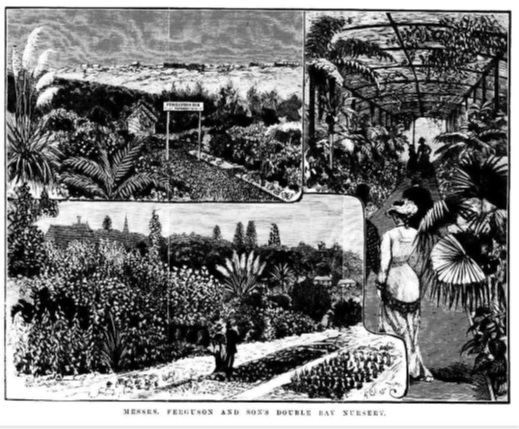
Ferguson's Australian Nursery was part of the horticulture industry in the Camden area for over 100 years. Francis Ferguson established a nursery opposite Macquarie Grove on the Nepean River.

20th century · Agriculture · Argyle Street · Attachment to place · Belonging · Camden Festivals · Camden Regional Economic Taskforce · Camden Story · Camden Town Centre · Community identity · Cultural Heritage · Economy · Farming · Fergusons Australian Nurseries · Festivals · Gardening · Heritage · History · Jacaranda · Landscape · Landscape aesthetics · Local History · Local Studies · Macarthur · Memory · Newspapers · Nursery · Placemaking · Storytelling · Streetscapes · Tourism · Uncategorized

Camden’s Inaugural Jacaranda Festival Highlights

The 2018 Camden Jacaranda Festival, inspired by the local Jacaranda trees, was launched and featured live music, a Christmas tree lighting, and a street market. The festival evolved from the previous Light Up Camden festival and emphasized local history through walking tours. The inaugural event celebrated the area's rich botanical heritage.

1973 New Cities Campbelltown Camden Appin Structure Plan · Argyle Street · Bridges · Camden · Camden Bridge · Camden Story · Colonial Camden · Community identity · Cowpastures · Cowpastures River · Cultural Heritage · Economy · Engineering Heritage · Engineering History · Floods · Frontier violence · Governor Macquarie · Heritage · History · Hume Highway · Industrial Heritage · Infrastructure · Living History · Local History · Macarthur · Memorial · Memorialisation · Memorials · Monuments · Motoring History · Nepean River · Place making · Placemaking · Railway · Sense of place · Technology · Transport · Travel · Urban history · Utilities

The Cowpastures bridge at the Nepean River crossing

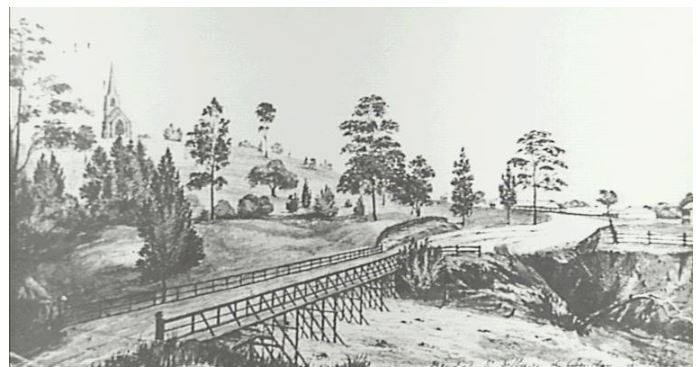
Access across the Nepean River has been an issue since European settlement. The problem was solved by building a bridge with the first in 1826, the next in 1860 followed by 1900 and 1976.