Attachment to place · Belonging · Camden · Camden Museum · Camden Story · Collective Memory · Colonial Camden · Community identity · Cultural Heritage · Cultural icon · Economy · Education · Farming · Heritage · Historical consciousness · Historical Research · Historical thinking · History · Legends · Living History · Local History · Local Studies · Lost Camden · Macarthur · Memory · Modernism · Narellan · Place making · Placemaking · Railway · Railway history · Second World War · Sense of place · Stories · Storytelling · Tourism · Transport

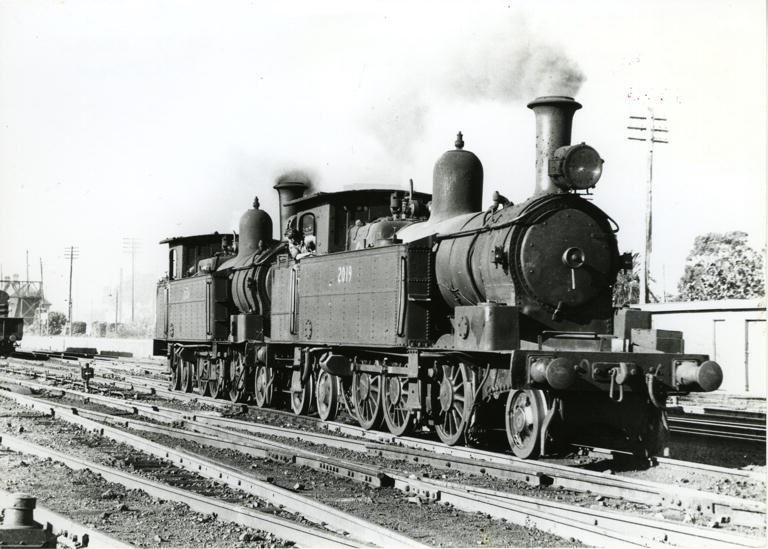
Exploring Camden’s Railway Heritage: Pansy and Its Timeless Stories

The Camden branch line, with its famous locomotive Pansy, holds a special place in the memories of locals and visitors. Operating from 1882 to 1963, it served as a lifeline for the community, transporting goods, passengers, and even wartime heroes. Despite its eventual closure, remnants of the line can still be seen today.

1968 Sydney Region Outline Plan · 1973 New Cities Campbelltown Camden Appin Structure Plan · Aesthetics · Airds · Architecture · Attachment to place · Campbelltown · Collective Memory · Community identity · Cultural Heritage · Cultural icon · Economy · Heritage · Historical consciousness · Historical Research · Historical thinking · History · Housing · Landscape · Lifestyle · Living History · Local History · Local Studies · localism · Lost Sydney · Macarthur · Macarthur Growth Centre · Malls · Memory · Mid-century modernism · Modernism · Myths · Place making · Placemaking · Retailing · rural-urban fringe · Sense of place · Shopping · Stereotypes · Storytelling · Streetscapes · Supermarkets · Sydney · Town planning · Urban Decay · Urban development · Urban growth · Urban history · Urban Planning · urban sprawl · Urbanism

Airds Shopping Mall demolition, the unmet expectations of mid-century modernism

The Airds shopping mall's future encapsulates the decline of mid-century modernism in the midst of urban neglect. Once a symbol of optimism, the area's decay reflects broader global trends in retail. From failed Radburn principles to public housing challenges, the mall's history mirrors the clash of modernism and neoliberalism in Campbelltown. Despite the despair former residents report that they recall happy memories and stories of hope growing up in the area.

20th century · Aesthetics · Belonging · Campbelltown · Community · Community Engagement · Community identity · Cultural Heritage · Historical consciousness · History of a house · Hope and loss · House history · Housing · Local History · Local Studies · Lost Campbelltown · Memory · Myths · Place making · Sense of place · Urban development · Urban growth · Urban history · Urbanism

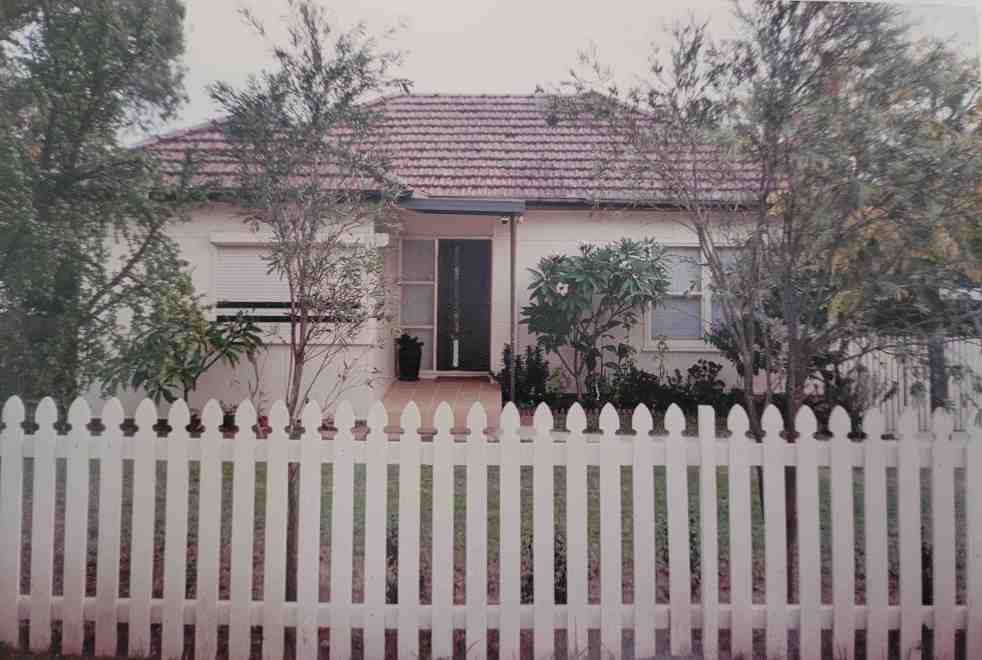
Despina’s story, fond memories of living in Campbelltown

A former resident of Campbelltown, Despina Maddalena, has recalled her time living in Campbelltown in the early 2000s. She has fond memories and is quick to defend the city from stereotypes and misinformation.

Artefacts · Belonging · Camden · Camden District · Camden Historical Society · Camden Story · Collective Memory · Community identity · Cultural Heritage · Cultural icon · Historical consciousness · Historical thinking · History · Local History · Local Studies · Memorialisation · Memorials · Monuments · Place making · Storytelling · Uncategorized

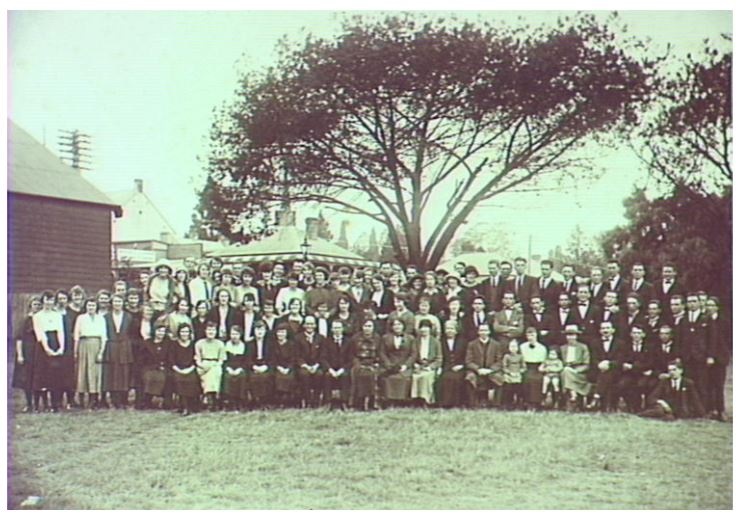
Camden Historical Society, 60 years of local history, 1957-2017

In 2017 the Camden Historical Society celebrated its 60th anniversary. Founded in 1957 the aim of the society has been to tell the Camden story and the local identities and events that are part of it.

1920s · 1930s · 20th century · Agriculture · Argyle Street · Attachment to place · Belonging · British colonialism · Built heritag · Camden · Camden Story · Collective Memory · Colonialism · Commemoration · Community identity · Country town · Cowpastures · Cultural Heritage · Dharawal · Historical consciousness · Historical Research · Historical thinking · Historiography · History · Legends · Local History · Local Studies · Macarthur · Memorial · Memorialisation · Memorials · Memory · Monuments · Mysteries · Myths · Newspapers · Pioneers · Place making · Regionalism · Ruralism · Sense of place · Settler colonialism · Settler Society · Small communities · Stereotypes · Storytelling · Tourism · Urban growth · Urban history · Volunteering

The Camden Story: the historiography of the history of the country town of Camden NSW

The history of telling the story of a small community has been interpreted in different ways at different times in the past by different historians. This area of study is called the historiography. I have recently published an article on the historiography of the small country town of Camden, NSW.

Attachment to place · Belonging · Blue Plaques · Camden Red Cross · Camden Story · Cultural Heritage · Cultural icon · First World War · Historical consciousness · History · Local History · Local Studies · Memorial · Memory · Military history · Myths · Philanthropy · Pioneers · Place making · Red Cross · Second World War · Sense of place · Storytelling · Volunteering · Volunteerism · War · War at home · Wartime · Women's history · World War One

Blue Plaque recognises Camden Red Cross sewing circle in wartime

The wartime efforts of Camden women have been recognised by the successful nomination for a New South Wales Blue Plaque with Heritage NSW. The women volunteered thousands of hours of their effort and skills to supply hospital requisites for soldiers at military hospitals.

British colonialism · Camden · Camden District · Cawdor · Cobbitty · Colonial Camden · Colonialism · Community identity · Convicts · Cowpastures · England · Farming · Floods · Heritage · Historical consciousness · Historical Research · History · Landscape aesthetics · Local History · Macarthur · Menangle · Myths · Parks · Place making · Regionalism · Royal Tours · rural-urban fringe · Sense of place · Settler colonialism · Tourism · Transport · Urban growth · Urban history · Urbanism · Volunteering

The Camden district, 1840-1973, a field of dreams

The Camden district was historically significant, serving as a social and economic center for over a century. It integrated farming, mining, and community life, shaped by Aboriginal heritage and European settlement. However, modern developments and infrastructural changes led to its decline, transitioning to a regional identity tied to Macarthur area governance and branding.

1920s · 1930s · 1932 · 20th century · Adaptive Re-use · Aesthetics · Architecture · Argyle Street · Attachment to place · Belonging · Built heritag · Business History · Camden Story · Camden Town Centre · Collective Memory · Colonial Camden · Community identity · Cultural Heritage · Cultural icon · Design · Economy · Governor Macquarie · Historical consciousness · History · Interwar · Local History · Local Studies · localism · Macarthur region · Mid-century modernism · Modernism · Place making · Placemaking · Sense of place · Storytelling · Streetscapes · Town planning · Uncategorized · Urban growth · Urban history · Urbanism

 The former Bank of New South Wales building in the country town of Camden

In central Camden is an empty bank building of understated significance at the intersection of John and Argyle Streets. This building was the premises of Westpac, formerly the Bank of New South Wales, and was the second banking chamber on that site. Constructed in the 1930s by a prominent firm of local builders and designed by one of Sydney’s top award-winning architects. It is a building of much architectural merit, and few know its history. 

Aesthetics · Art · Attachment to place · Belonging · Camden · Colonial Camden · Colonial frontier · Colonialism · Commemoration · Cowpastures Bicentennial · Cultural icon · Dharawal · Family history · Festivals · Frontier violence · Governor Macquarie · Heritage · Historical consciousness · History · Living History · Local History · Local Studies · Memorial · Memorialisation · Memorials · Memory · Monuments · Place making · Public art · Settler colonialism · Settler Society · Tourism · War

Cowpastures’ memories in monuments, memorials and murals.

Many memorials and monuments across the Cowpastures landscape commemorate its history and sense of place, with a recent nostalgic turn focusing on the pioneers and European settlement. War memorials are a ubiquitous form of memorialization in the Macarthur region, and public art, historical sites, and cultural heritage also play significant roles. These commemorations can be controversial, especially considering Australia's dark history, and evoke different memories for different people. Additionally, the landscape of the Cowpastures is interpreted in various ways, including as a colonial frontier, government reserve, and English-style landscape. Various memorials, artworks, and historic sites dot the region, contributing to its identity and history.

Attachment to place · Belonging · Cultural Heritage · Dress history · Family history · Historical consciousness · Historical Research · Historical thinking · Historiography · History · History of a house · History theory and practice · House history · Living History · Local History · Local Studies · Media History · Medical history · Memory · Military history · Modernism · Music history · NSW History K-10 Syllabus · Place making · Placemaking · Schools · Sense of place · Storytelling · Women's history

We need new ways to tell stories of the past

We need new ways to tell local stories in the face of fake news, the search for 'the truth' and a host of conspiracy theories. Stories about our past need to based on evidence from a range of credible sources. There is a need to be a historical detective.