1968 Sydney Region Outline Plan · 1973 New Cities Campbelltown Camden Appin Structure Plan · Aesthetics · Airds · Architecture · Attachment to place · Campbelltown · Collective Memory · Community identity · Cultural Heritage · Cultural icon · Economy · Heritage · Historical consciousness · Historical Research · Historical thinking · History · Housing · Landscape · Lifestyle · Living History · Local History · Local Studies · localism · Lost Sydney · Macarthur · Macarthur Growth Centre · Malls · Memory · Mid-century modernism · Modernism · Myths · Place making · Placemaking · Retailing · rural-urban fringe · Sense of place · Shopping · Stereotypes · Storytelling · Streetscapes · Supermarkets · Sydney · Town planning · Urban Decay · Urban development · Urban growth · Urban history · Urban Planning · urban sprawl · Urbanism

Airds Shopping Mall demolition, the unmet expectations of mid-century modernism

The Airds shopping mall's future encapsulates the decline of mid-century modernism in the midst of urban neglect. Once a symbol of optimism, the area's decay reflects broader global trends in retail. From failed Radburn principles to public housing challenges, the mall's history mirrors the clash of modernism and neoliberalism in Campbelltown. Despite the despair former residents report that they recall happy memories and stories of hope growing up in the area.

1968 Sydney Region Outline Plan · 1973 New Cities Campbelltown Camden Appin Structure Plan · 20th century · Advertising · Business · Cafes · Camden · Camden Story · Cultural Heritage · Cultural icon · Drive-In Movies · Entertainment · Families · Family history · Film · Food · Heritage · History · Leisure · Lifestyle · Local History · Local Studies · Lost Camden · Lost Sydney · Memory · Modernism · Movies · Narellan · Narellan Gayline Drive-In Cinema · Narellan Story · Place making · Sense of place · Storytelling · Uncategorized · Urban Planning · urban sprawl
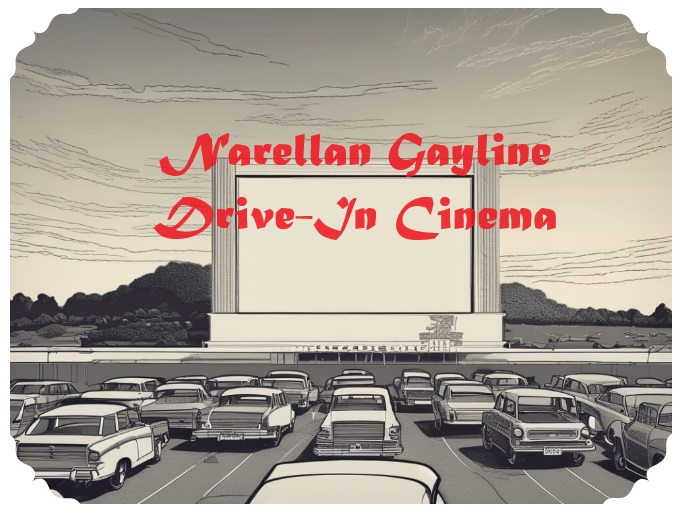
Narellan ‘Gayline’ Drive-In Movie Theatre, a touch of modernism

The Narellan Gayline Drive-In Movie Theatre in Camden was a defining feature of the local 1960s-1980s culture, offering a relaxed, family-friendly movie experience. The drive-in's success peaked in the early 1970s but eventually closed in 1990 due to changing lifestyles and real estate development. It provided a memorable experience for many local residents, offering a nostalgic look back at a bygone era.

1973 New Cities Campbelltown Camden Appin Structure Plan · 20th century · Attachment to place · Built heritag · Camden Council · Camden District · Camden Heritage Conservation Area · Camden Museum · Camden Show · Camden Story · Camden Town Farm · Church History · Churches · Collective Memory · Colonial Camden · Commemoration · Community identity · Country town · Country town idyll · Cultural and Heritage Tourism · Cultural Heritage · Elizabeth Macarthur · Folklore · Hope and loss · Landscape · Legends · Local History · Local newspapers · Local Studies · Lost Camden · Memorial · Memory · Monuments · Place making · Placemaking · rural-urban fringe · Ruralism · Sense of place · Settler Society · Social History · Stereotypes · Stories · Storytelling · Sydney's rural-urban fringe · Tourism · Town planning · Uncategorized · Urban development · Urban growth · Urban history · Urban Planning · urban sprawl · Urbanism

Yearning, Longing and The Remaking of Camdenโ€™s Identity: the myths and reality of โ€˜a country town idyllโ€™.

This article discusses the concept of a "country town idyll" in Camden, an idealised version of a country town from an imagined past that uses history to construct imagery based on Camden's heritage buildings and other material fabrics. The paper delves into the origins of the idyll, examines its development, and investigates its validity in its contemporary context. It shows how its supporters have used history as a community asset to remake Camden's identity and explore how the 'country town idyll' has been used variously as a political weapon, a marketing tool, and a tourist promotion.

1973 New Cities Campbelltown Camden Appin Structure Plan · 20th century · Adaptive Re-use · Adaptive Reuse · Architecture · Attachment to place · Camden Council · Camden Historical Society · Camden Modernism · Camden Museum · Community identity · Community organisations · Conservation · Heritage · Local History · Macaria · Modernism · Sense of place · Streetscapes · Uncategorized · Urban development · Urban growth · Urban history · Urban Planning

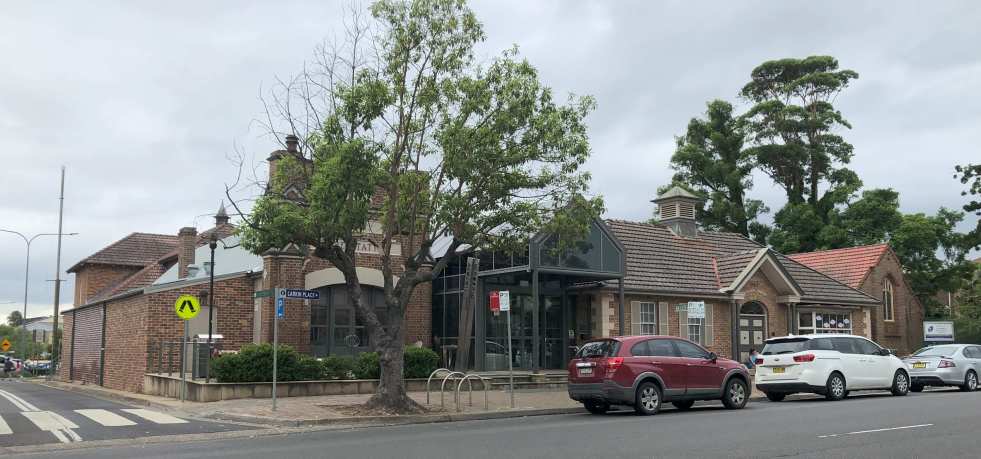
The Camden Library Museum, conservation through adaptative reuse

The Camden Library Museum, located at 40 John Street, has a rich history with numerous additions and occupants, including the Camden Council, Library, Fire Brigade, and Red Cross. The building's conservation through adaptation has retained its cultural significance as a heritage place. The former School of Arts and Temperance Hall have also played important roles in the building's evolution.

1920s · 1930s · 1973 New Cities Campbelltown Camden Appin Structure Plan · 20th century · Agriculture history · Attachment to place · Belonging · Camden Council · Camden Council Heritage Advisory Committee · Camden Mayor · Camden Museum · Camden Produce Market · Camden Story · Camden Town Centre · Camden Town Farm · Colonialism · Commemoration · Country town · Cowpastures · Cultural and Heritage Tourism · Cultural Heritage · Entertainment · Festivals · Food · Heritage · History · Interwar · Living History · Local History · Local Studies · Macarthur · Memorialisation · Place making · Ruralism · Sense of place · Social History · Storytelling · Symbolism · Tourism · Unlock Camden · Urban history

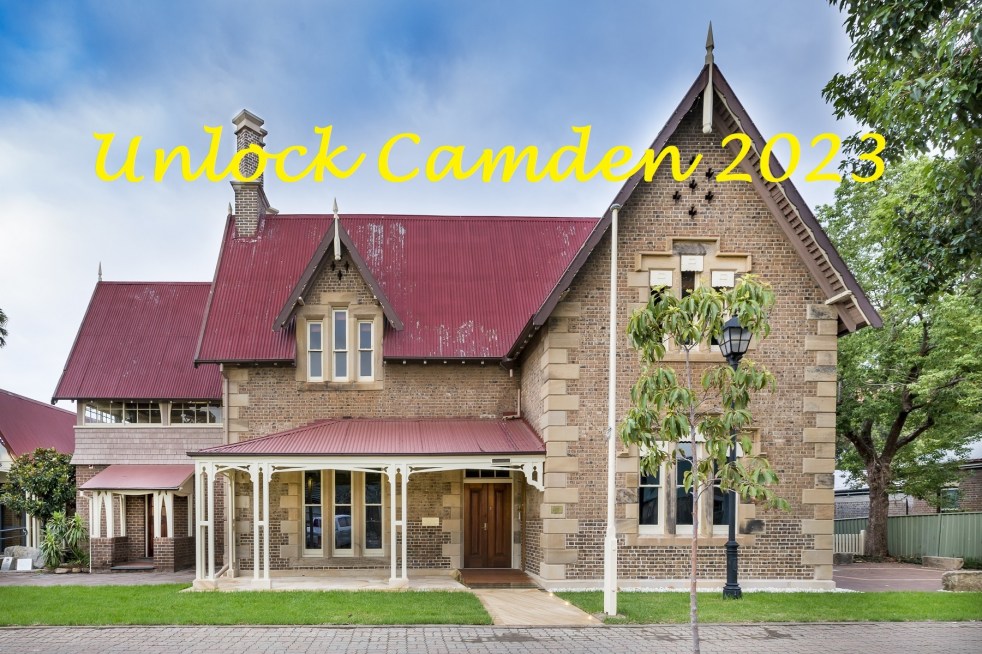
Unlock Camden 2023, a festival celebrating our past

Unlock Camden is a history festival that celebrates the Camden story through walks, art, images, stories, and a host of other activities. Events are centred in historic the John Street precinct around the Alan Baker Art Gallery Macaria.

1968 Sydney Region Outline Plan · 1973 New Cities Campbelltown Camden Appin Structure Plan · Aesthetics · Art · Artists · Attachment to place · Camden · Campbelltown · Campbelltown Art Centre · Campbelltown Council · Community identity · Community work · Craft · Crafts · Design · Dharawal · Economy · Education · Entertainment · History · Indigenous Heritage · Living History · Local History · Local Studies · localism · Macarthur region · Memory · Monuments · Murals · Pioneers · Place making · Placemaking · Public art · Regionalism · rural-urban fringe · Sculpture · Sense of place · Stereotypes · Storytelling · Streetscapes · Sydney's rural-urban fringe · Town planning · Urban development · Urban history · Urban Planning · Urbanism · Western Sydney University

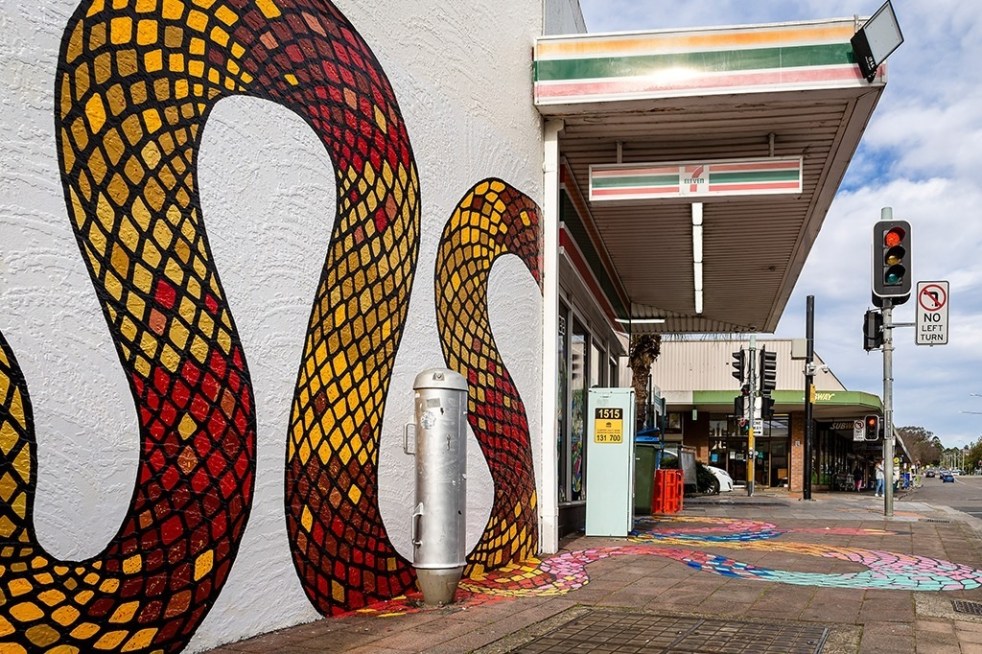
Public art at Campbelltown brightens up the Queen Street precinct

Public art is being used in the Campbelltown town centre to reinvigorate and revitalise the Queen Street precinct that has been subject to urban blight.

1968 Sydney Region Outline Plan · 1973 New Cities Campbelltown Camden Appin Structure Plan · Advertising · Attachment to place · Built heritag · Community identity · Cultural Heritage · Elderslie · Heritage · History · Land releases · Living History · Local History · Local Studies · Place making · rural-urban fringe · Storytelling · Uncategorized · Urban development · Urban growth · Urban history · Urban Planning · urban sprawl · Urbanism

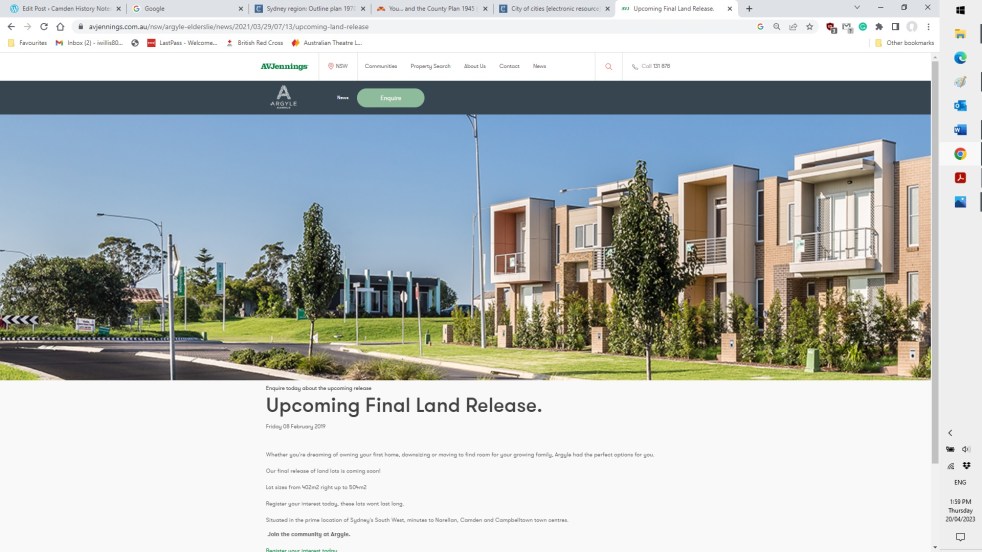
Elderslie land releases 2000-2023, the background and fancy estate names

The Elderslie area has been identified in Sydneyโ€™s strategic growth plans for land releases on the metropolitan rural-urban fringe. It is a valuable exercise to see how and when Elderslie was identified as part of Sydneyโ€™s planning framework.

1973 New Cities Campbelltown Camden Appin Structure Plan · Argyle Street · Bridges · Camden · Camden Bridge · Camden Story · Colonial Camden · Community identity · Cowpastures · Cowpastures River · Cultural Heritage · Economy · Engineering Heritage · Engineering History · Floods · Frontier violence · Governor Macquarie · Heritage · History · Hume Highway · Industrial Heritage · Infrastructure · Living History · Local History · Macarthur · Memorial · Memorialisation · Memorials · Monuments · Motoring History · Nepean River · Place making · Placemaking · Railway · Sense of place · Technology · Transport · Travel · Urban history · Utilities

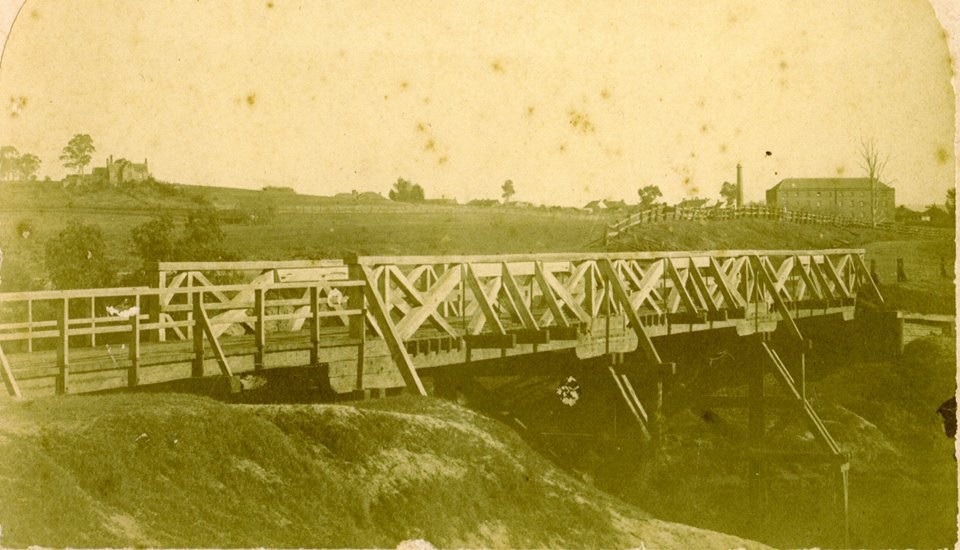
The Cowpastures bridge at the Nepean River crossing

Access across the Nepean River has been an issue since European settlement. The problem was solved by building a bridge with the first in 1826, the next in 1860 followed by 1900 and 1976.

1968 Sydney Region Outline Plan · 1973 New Cities Campbelltown Camden Appin Structure Plan · 20th century · Aesthetics · Architecture · Attachment to place · Brutalist Architecture · Built heritag · Campbelltown · Campbelltown Council · Campbelltown Modernism · Campbelltown Municipal Council · Community identity · Cultural Heritage · Cultural icon · Engineering Heritage · Heritage · Historical consciousness · Historical Research · History · Landscape · Landscape aesthetics · Living History · Local History · Local Studies · Macarthur · Memory · Mid-century modernism · Modernism · Place making · Placemaking · Sense of place · Storytelling · Sydney's rural-urban fringe · Town planning · Urban development · Urban growth · Urban history · Urban Planning · urban sprawl · Urbanism

Campbelltown City Council office extension 1982 โ€“ an example of mid-century modernism

In 1982 Campbelltown City Council had the official opening for the brutalist administration building. Combined with the adjacent 1964 modernist office building they are an outstanding example of mid-century modernism in the Macarthur region

1968 Sydney Region Outline Plan · 1973 New Cities Campbelltown Camden Appin Structure Plan · Aesthetics · Architecture · Attachment to place · Business · Campbelltown · Campbelltown Council · Campbelltown Mid-century modernism · Campbelltown Modern · Campbelltown Modernism · Campbelltown Municipal Council · Community building · Community identity · Cultural Heritage · Cultural icon · Design · Economy · Heritage · Historical consciousness · Historical Research · Historical thinking · History · Living History · Local History · Local Studies · Macarthur · Macarthur region · Mid-century modernism · Modernism · Place making · Placemaking · Sense of place · Storytelling · Urban development · Urban growth · Urban history · Urban Planning · urban sprawl · Urbanism

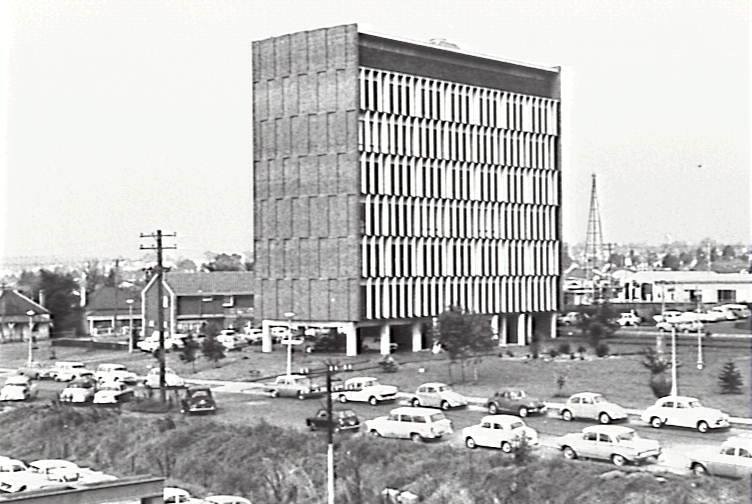
Exploring Campbelltown’s Mid-Century Modern Administration Building

The Campbelltown Council office building, completed in 1964, serves as an unrecognized icon of mid-century modernism, symbolizing the town's optimistic vision as a satellite city. Despite its structural significance and initial hopes for community development, later planning challenges undermined this vision, leaving the building's legacy complex and often overlooked.