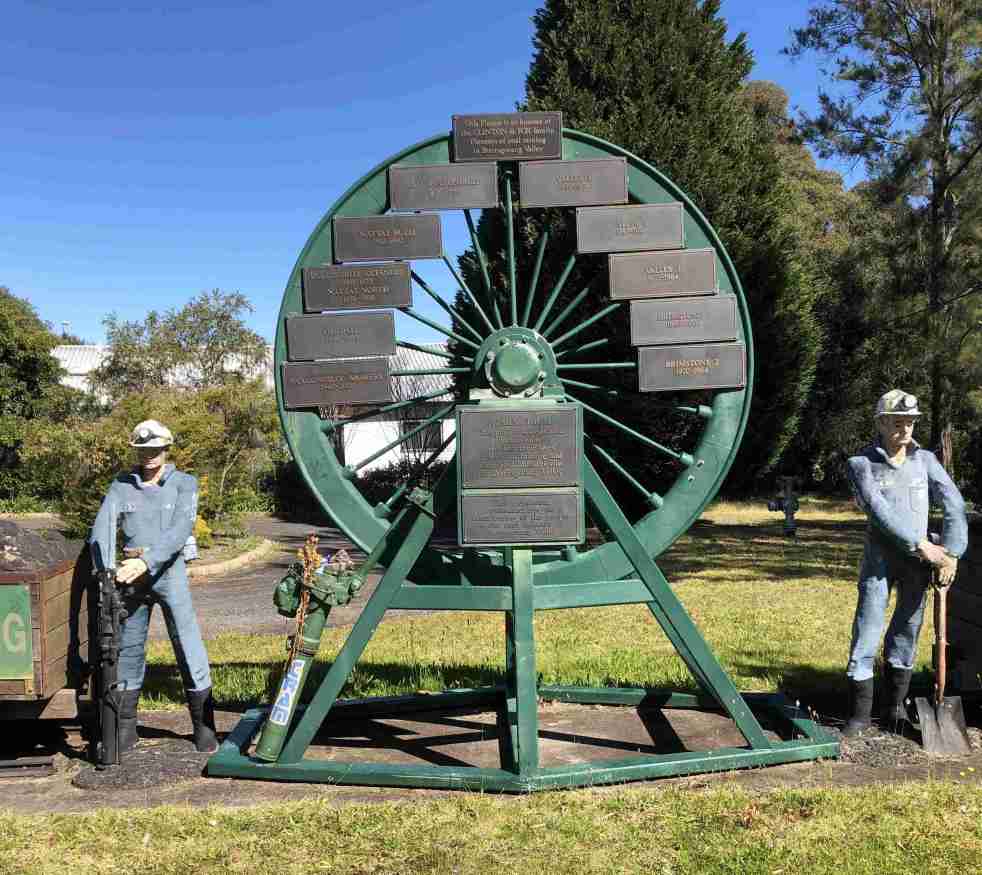
1930s · 20th century · Burragorang Miners Memorial · Burragorang Valley · Business · Business History · Camden Story · Coal mining · Economy · Electricity · Engineering Heritage · Engineering History · Heritage · Industrial Heritage · Local Studies · Lost Camden · Memorial · Memorialisation · Memorials · Memory · Mining History · Monuments · Narellan Story · Oakdale · Place making · Public art · Sense of place · Stories · Storytelling · The Oaks Historical Society · Wollondilly Heritage Centre

Burragorang Coalfields: From Prosperity to Closure

The Burragorang Valley's coal mining history spans from the early 1800s to the closure of the last operational mine in 2000. The community relied on coal for jobs, but the inevitable end affected the region. International mining companies became involved, and the introduction of electricity transformed mining processes. Many mines opened and closed throughout the years, leaving a rich and complex history documented in various sources.

1968 Sydney Region Outline Plan · 1973 New Cities Campbelltown Camden Appin Structure Plan · 20th century · Advertising · Business · Cafes · Camden · Camden Story · Cultural Heritage · Cultural icon · Drive-In Movies · Entertainment · Families · Family history · Film · Food · Heritage · History · Leisure · Lifestyle · Local History · Local Studies · Lost Camden · Lost Sydney · Memory · Modernism · Movies · Narellan · Narellan Gayline Drive-In Cinema · Narellan Story · Place making · Sense of place · Storytelling · Uncategorized · Urban Planning · urban sprawl

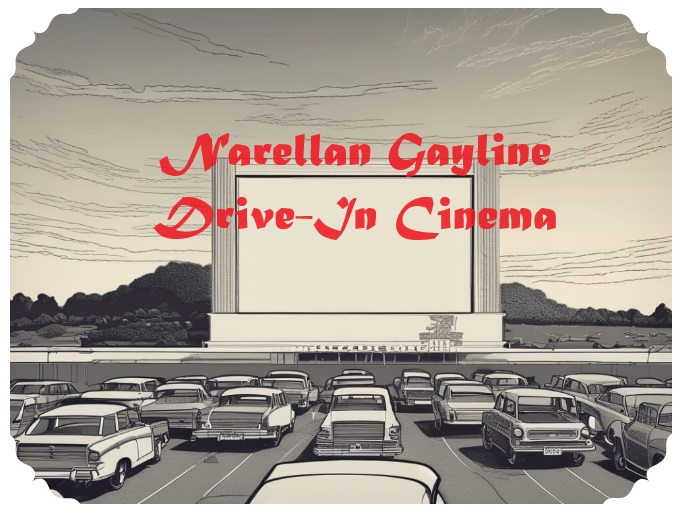
Narellan ‘Gayline’ Drive-In Movie Theatre, a touch of modernism

The Narellan Gayline Drive-In Movie Theatre in Camden was a defining feature of the local 1960s-1980s culture, offering a relaxed, family-friendly movie experience. The drive-in's success peaked in the early 1970s but eventually closed in 1990 due to changing lifestyles and real estate development. It provided a memorable experience for many local residents, offering a nostalgic look back at a bygone era.

Adaptive Re-use · Architecture · Built heritag · Business · Churches · Community identity · Cultural Heritage · Eastern Command Training School, Narellan, NSW · Heritage · History · History of a house · House history · Local History · Local Studies · Military history · Narellan · Place making · Placemaking · Schools · Second World War · Sense of place · Storytelling · Village

Narellan’s Architectural Landmarks: A Journey Through Time

Narellan, named after an 1816 land grant, features historical buildings like St Thomas Church and School from the 1830s and 1880s. The village, surveyed in 1827, was one of four pre-dating Camden's establishment in 1840. Significant structures include the Narellan Hotel , the former Burton Arms Hotel and Ben Linden reflecting local heritage.

Advertising · Agricultural heritage · Agriculture · Agriculture history · Business · Business History · Camden · Camden Story · Community identity · Country town · Cultural Heritage · Cultural plantings · Economy · Family history · Fergusons Australian Nurseries · Gardening · Heritage · History · Horticulture · Landscape · Local History · Local Studies · localism · Nursery · Place making · Placemaking · Plant Nursery · Retailing · Sense of place · Storytelling · Street Trees · Sydney's rural-urban fringe · Technology · Trees · Uncategorized · Urban development · Urban growth · Urban history · Urban Planning · urban sprawl · Urbanism

Ferguson’s Nursery, the post-war years

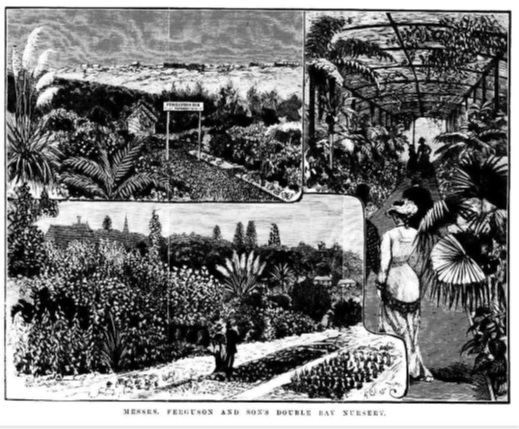
During the post-war years, Ferguson's Nurseries continued to be located on Sydney’s urban fringe as the metropolitan area expanded into the rural surrounds.

1920s · Agricultural heritage · Agriculture · Agriculture history · Attachment to place · Belonging · Business · Business History · Camden · Camden Story · Cultural Heritage · Cultural plantings · Economy · Family history · Fergusons Australian Nurseries · Gardening · Heritage · History · Horticulture · Local History · Local Studies · Nepean River · Nursery · Place making · Placemaking · Plant Nursery · Retailing · rural-urban fringe · Sense of place · Storytelling · Sydney · Sydney's rural-urban fringe · The Great South Road · Uncategorized · Urban growth · Urban history · Urban Planning · urban sprawl · Urbanism

Ferguson’s Australian Nurseries on the urban fringe

The 20th-century story of Ferguson’s Australian Nurseries is about their location within Sydney’s rural-urban fringe.

Agricultural heritage · Agriculture · Agriculture history · Business · Business History · Camden · Camden Story · Campbelltown · Colonial Camden · Colonialism · Community identity · Cowpastures · Cultural Heritage · Cultural icon · Cultural plantings · Economy · England · Family history · Farming · Fergusons Australian Nurseries · Gardening · Heritage · Horticulture · Landscape · Landscape aesthetics · Local History · Local Studies · Memory · Nepean River · Nursery · Place making · Plant Nursery · Sense of place · Storytelling · Trees · Uncategorized · Urban growth · Urban history

Ferguson’s Australian Nurseries, a century of horticulture

Ferguson's Australian Nursery was part of the horticulture industry in the Camden area for over 100 years. Francis Ferguson established a nursery opposite Macquarie Grove on the Nepean River.

Adaptive Re-use · Aesthetics · Architecture · Argyle Street · Attachment to place · Business · Camden · Camden Gasworks · Camden Story · Communications · Community identity · Cultural Heritage · Cultural icon · Electricity · Engineering Heritage · Gas · Gothic · Heritage · Historical Research · Historical thinking · History · Industrial Heritage · Infrastructure · Living History · Local History · Local Studies · Memory · Myths · Place making · Public art · Sense of place · Service utilities · Storytelling · Streetscapes · Technology · Town planning · Urban Planning · urban sprawl · Urbanism · Utilities · Water

Mundane objects tell an interesting story

Utility covers are mundane objects that tell interesting stories about the past in an area. Others consider then to be a form of street art and street aesthetic.

Aesthetics · Attachment to place · Business · Cultural Heritage · Cumberland Plain · Dharawal · Entertainment · House history · Lifestyle · Living History · Media · Media History · Photography · Retailing · Sense of place · Shopping · Stereotypes · Storytelling · Sydney · Uncategorized · Wollondilly Shire Council

The West Journal

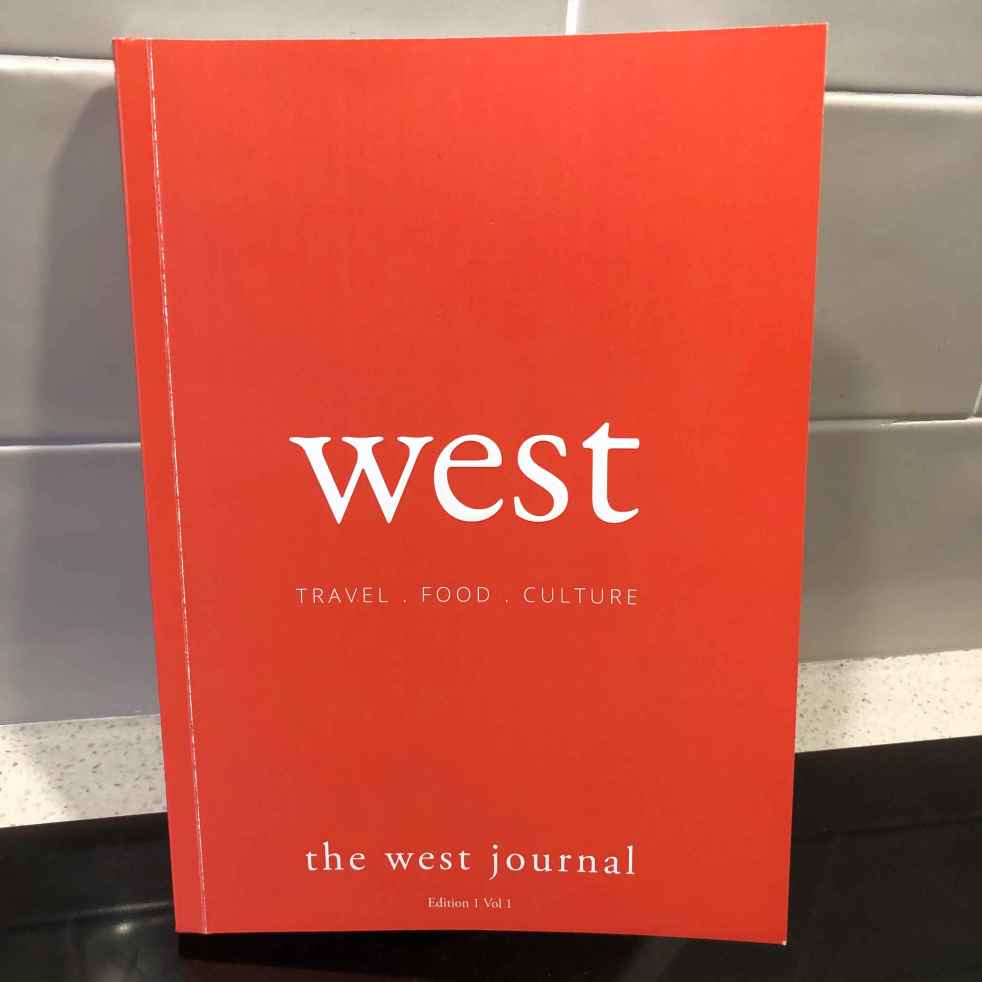
A new lifestyle magazine, The West Journal, has appeared in the local area and makes an interesting addition to the media landscape.

Active citizenship · Argyle Street · Attachment to place · Business · Camden · Camden Museum · Camden Story · Community identity · Country Women's Association · Cultural Heritage · Cultural icon · Economy · Families · Family history · Genealogy · Heritage · Historical Research · History · Local History · Local Studies · Medical history · Memory · Place making · Sense of place · Shopping · Storytelling · Uncategorized · Volunteering · Volunteerism · Women's history

Local identities, Colin and Dorothy Clark

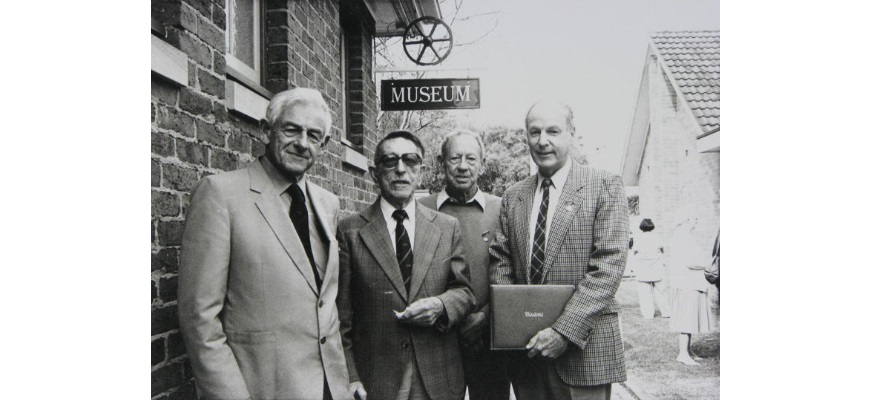
The life and times of Colin and Dorothy Clark were examples of active citizenship. Together they shaped a future for themselves in Camden and served their community, church and family.

1968 Sydney Region Outline Plan · 1973 New Cities Campbelltown Camden Appin Structure Plan · Aesthetics · Architecture · Attachment to place · Business · Campbelltown · Campbelltown Council · Campbelltown Mid-century modernism · Campbelltown Modern · Campbelltown Modernism · Campbelltown Municipal Council · Community building · Community identity · Cultural Heritage · Cultural icon · Design · Economy · Heritage · Historical consciousness · Historical Research · Historical thinking · History · Living History · Local History · Local Studies · Macarthur · Macarthur region · Mid-century modernism · Modernism · Place making · Placemaking · Sense of place · Storytelling · Urban development · Urban growth · Urban history · Urban Planning · urban sprawl · Urbanism

Exploring Campbelltown’s Mid-Century Modern Administration Building

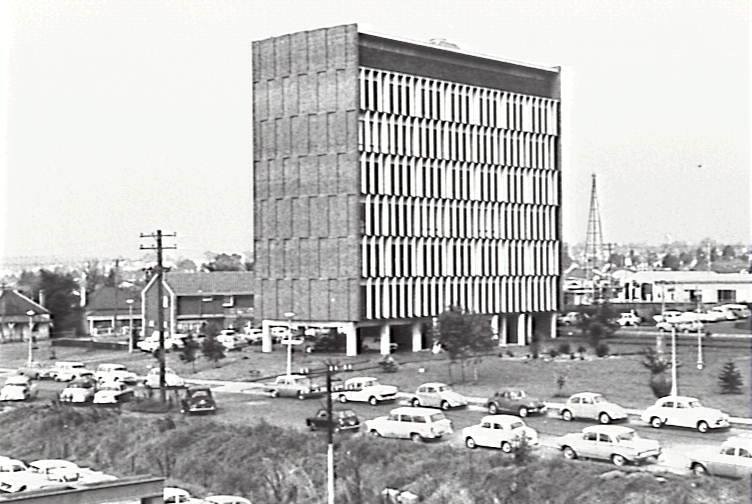
The Campbelltown Council office building, completed in 1964, serves as an unrecognized icon of mid-century modernism, symbolizing the town's optimistic vision as a satellite city. Despite its structural significance and initial hopes for community development, later planning challenges undermined this vision, leaving the building's legacy complex and often overlooked.