Attachment to place · British colonialism · Camden · Campbelltown · Colonial Camden · Communications · Community identity · Cowpastures · Cultural Heritage · Cultural icon · Heritage · Historical consciousness · Historical Research · History · Legends · Local History · Local newspapers · Local Studies · Macarthur · Media History · Myths · Newspapers · Picton · Place making · Sense of place · Storytelling · Uncategorized

Local Newspapers and a Regional Setting in New South Wales

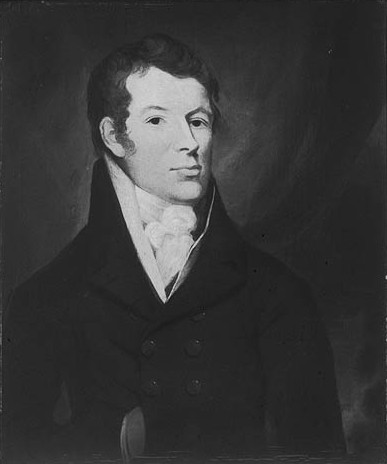
UOW historian Dr Ian Willis has recently published an article in Media History (UK) about the role of local newspapers in the creation of Macarthur regional identity and the mythology surrounding New South Wales colonial identity John Macarthur.

1920s · 1930s · Agricultural heritage · Agriculture history · Argyle Street · Artefacts · Attachment to place · Belonging · Built heritag · Camden · Camden Story · Cawdor · Churches · Cobbitty · Community identity · Country town · Cultural Heritage · Cultural icon · Elderslie · Family history · Farming · Fashion History · Festivals · Heritage · Historical consciousness · Historical Research · History · Interwar · Living History · Local Studies · Memory · Monuments · Mount Hunter · Photography · Place making · Placemaking · Retail history · Roy Dowle photographer · Ruralism · Sense of place · Settler colonialism · Social History · Stereotypes · Storytelling · Teamsters · The Oaks · Transport · transport history · Urban history · War

The Roy Dowle collection and old photographs

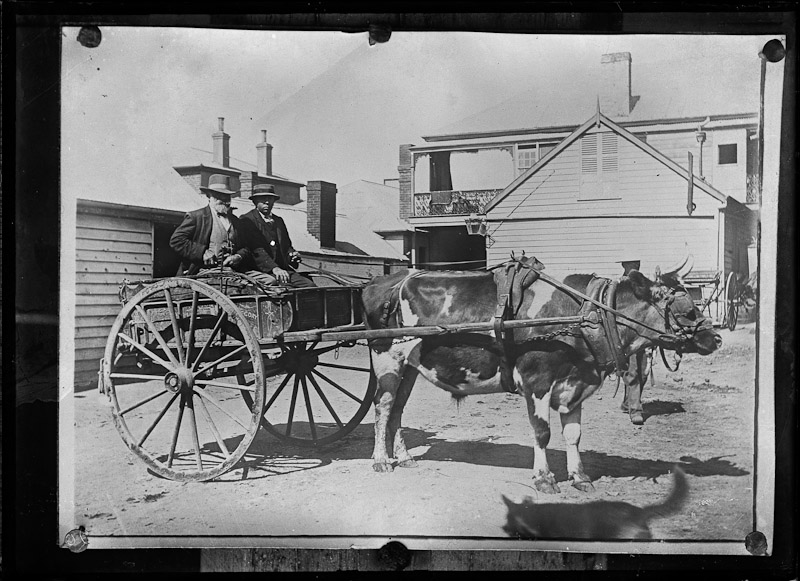
Old photographs are a glimpse into the past and capture many memories of another time. The Roy Dowle Glass Plate collection at The Oaks Historical Society is a source of many local images.

1920s · 1973 New Cities Campbelltown Camden Appin Structure Plan · Aesthetics · Agriculture · Attachment to place · Belonging · British colonialism · Camden · Camden Council · Camden Story · Camden Town Centre · Cobbitty · Colonial Camden · Colonial frontier · Colonialism · Community identity · Cowpastures · Cultural Heritage · Cultural icon · Curtilage · Denbigh · Dharawal · Economy · Edwardian · England · Farming · Frontier violence · Georgian · Gothic · Governor Macquarie · Heritage · Historical consciousness · Historical Research · Historical thinking · History · Interwar · Landscape · Landscape aesthetics · Living History · Local History · Local Studies · Macarthur · Memory · Menangle · Modernism · Place making · Ruralism · Sense of place · Settler colonialism · Storytelling · Town planning · Urban growth · Urban Planning · Victorian

Camden Heritage Conservation Area – an English-style village in the Cowpastures

The Macarthur private village of Camden was located in the English style countryside of the Cowpastures countryside with its gentry estates and villages. Founded in 1840 it was all part the British imperial imperative and the settler colonial project that came with it.

20th century · Aesthetics · Anzac · Art · Attachment to place · Australia · Belonging · Camden · Camden Airfield · Churches · Community Health · Community identity · Cultural Heritage · Cultural icon · Education · Family history · Festivals · First World War · Heritage · Historical consciousness · Historical Research · Historical thinking · History · Interwar · Living History · Local History · Local newspapers · Local Studies · Memorials · Memory · Menangle Army Camp · Military history · Modernism · Myths · Narellan Military Camp · Newspapers · Place making · Public art · Red Cross · Second World War · Sense of place · Stereotypes · Storytelling · Volunteering · Volunteerism · War · War at home · Wartime

Understanding the Anzac Myth: Truths and Contradictions

The Anzac story is vital to Australian identity, yet its meaning remains contested. Historian Dr. Jen Roberts argues that the narrative, while centered on duty and sacrifice, encompasses contradictions surrounding nationalism, trauma, and the realities of war. Anzac's evolution reflects cultural transformations, highlighting diverse interpretations and ongoing relevance in society.

Aesthetics · Agriculture · Attachment to place · Australia · Australian Historic Themes · Belonging · Camden · Camden Town Farm · Colonial Camden · Community identity · Cowpastures · Cultural Heritage · Cultural icon · Dairying · Dharawal · Economy · Education · Farming · Heritage · Historical consciousness · Historical Research · Historical thinking · History · Landscape · Landscape aesthetics · Leisure · Lifestyle · Living History · Local History · Local Studies · Macarthur · Nepean River · Place making · Recreation · Ruralism · Sense of place · Settler colonialism · Storytelling · Tourism

The Llewella Davies Memorial Walkway, a walk in the meadows of the past

The Camden Town Farm Miss Llewella Davies Pioneers Walkway opened in 2020 in the former colonial landscape of the Cowpastures. The area was part of the original grants that made up the Macarthur family's Camden Park Estate and in pre-European times the country of the Dharawal people.

1920s · 20th century · Aesthetics · Attachment to place · Australia · Camden · Camping · Coal mining · Community identity · Cultural Heritage · Cultural icon · Dairying · Dress history · Engineering Heritage · Family history · Farming · Fashion · Gender · Heritage · Historical consciousness · Historical Research · Historical thinking · History · Industrial Heritage · Interwar · Leisure · Lifestyle · Living History · Local History · Local Studies · Memory · Mining · Modernism · Place making · Railway · Sense of place · Social media · Storytelling · Stuart Park Wollongong · Stuart Park, Wollongong · Technology · Travel · Urbanism · Wollongong · Women's history

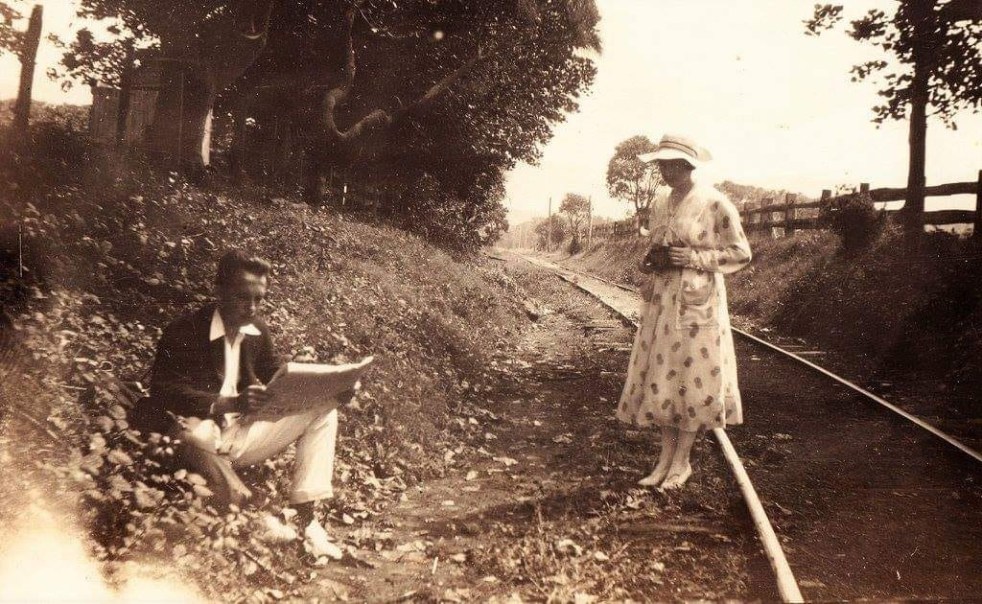
The mysteries of a photograph

How the mysteries of a pretty picture from yesteryear allows you to peel back the layers of the past. Each layer has a meaning and a story that is told by the historian. The stories provide context for the photograph and give it greater meaning.

Adaptive Re-use · Architecture · Attachment to place · Australia · Belonging · British colonialism · Camden · Camden Historical Society · Colonial Camden · Colonial frontier · Colonialism · Community identity · Convicts · Cultural Heritage · Cultural icon · Elderslie · England · Farming · Georgian · Governor Macquarie · Heritage · Historical consciousness · History · History of a house · House history · Landscape · Living History · Local History · Local Studies · Macarthur · Memorials · Memory · Myths · Place making · Sense of place · Settler colonialism · Storytelling · Tourism · Travel

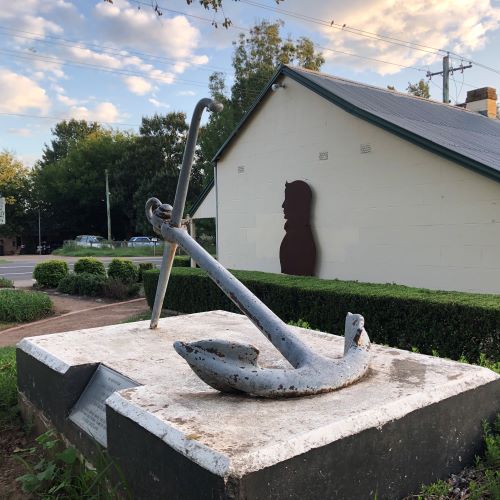
John Oxley’s anchor lost for 34 years

New evidence has emerged challenging previous conclusions about the John Oxley Memorial anchor in Camden. The anchor, a memorial from the British naval authorities, was lost for 34 years before being relocated for public access. John Oxley, an important colonial figure, has multiple commemorations in New South Wales related to his historical significance.

Anzac · Art · Australia · Australian Comforts Fund · Camden · Camden District · Camden Story · Community Health · Craft · Crafts · Cultural Heritage · Cultural icon · Dress history · Fashion · First World War · Handcraft · Heritage · Historical consciousness · Historical Research · Historical thinking · History · Local History · Local Studies · Memory · Military history · Nationalism · Paintings · Patriotism · Philanthropy · Pictures · Red Cross · Second World War · Social History · Storytelling · Volunteering · Volunteerism · War · War at home · Wartime · Women's agency · Women's history · Women's stories · World War One

The patriotism of the wartime sock knitter

During World War I, hand-knitted socks became crucial for soldiers facing harsh conditions, preventing trench foot. Women across the British Empire, particularly in Australia, organized knitting efforts, leading to over 1.3 million pairs made. These efforts provided essential support and represented women's patriotism in wartime, often alleviating grief through their contributions.

Adaptive Re-use · Architecture · Attachment to place · Australia · Belonging · Camden · Community identity · Cultural Heritage · Cultural icon · Eastern Command Training School, Narellan, NSW · Heritage · Historical consciousness · Historical Research · Historical thinking · History · Living History · Local History · Local Studies · Macarthur · Memory · Military history · Narellan · Place making · Ruralism · Second World War · Sense of place · Storytelling · Sydney · War · War at home

Exploring Studley Park’s Role in Army Training 1939-1945

Studley Park in Narellan, NSW, served as a military training facility for the Australian Army Service Corps during World War II. It was leased by the Department of Defence in 1939 then purchased from its pre-war owners. Post-war, it transitioned into civilian use, notably becoming a golf club.

1920s · Attachment to place · Australia · Belonging · Burragorang Valley · Camden · Colonial Camden · Community identity · Cultural Heritage · Cultural icon · Dairying · Economy · Farming · First World War · Heritage · Historical consciousness · Historical Research · Historical thinking · History · House history · Landscape · Lifestyle · Living History · Local History · Local newspapers · Local Studies · Macarthur · Memory · Modernism · Myths · Newspapers · Place making · Ruralism · Second World War · Sense of place · Storytelling · Sydney's rural-urban fringe · Tourism · Travel · Urban growth · Urban Planning · urban sprawl · Urbanism · War · War at home · Women's history

The Camden district in 1939

The 1939 Camden district concept was developed in the 1990s by UOW historian Dr Ian Willis as part of his research on the effect of the Second World War on Camden township.