1920s · 1930s · 1932 · 20th century · Adaptive Re-use · Aesthetics · Architecture · Argyle Street · Attachment to place · Belonging · Built heritag · Business History · Camden Story · Camden Town Centre · Collective Memory · Colonial Camden · Community identity · Cultural Heritage · Cultural icon · Design · Economy · Governor Macquarie · Historical consciousness · History · Interwar · Local History · Local Studies · localism · Macarthur region · Mid-century modernism · Modernism · Place making · Placemaking · Sense of place · Storytelling · Streetscapes · Town planning · Uncategorized · Urban growth · Urban history · Urbanism

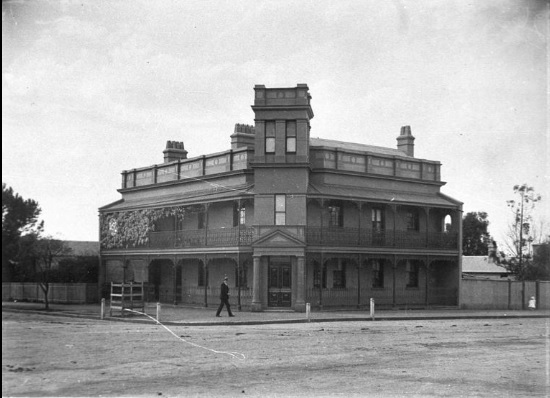
 The former Bank of New South Wales building in the country town of Camden

In central Camden is an empty bank building of understated significance at the intersection of John and Argyle Streets. This building was the premises of Westpac, formerly the Bank of New South Wales, and was the second banking chamber on that site. Constructed in the 1930s by a prominent firm of local builders and designed by one of Sydney’s top award-winning architects. It is a building of much architectural merit, and few know its history. 

Appin · Art · Attachment to place · Belonging · British colonialism · Campbelltown Art Centre · Collective Memory · Colonial frontier · Colonialism · Commemoration · Community identity · Cowpastures · Cowpastures Bicentennial · Cultural Heritage · Dharawal · Governor Macquarie · Heritage · History · Landscape · Landscape aesthetics · Local History · Local Studies · Memorial · Memorialisation · Memorials · Memory · Monuments · Place making · Placemaking · Public art · Sculpture · Sense of place · Settler colonialism · Settler Society · Stereotypes · Storytelling · Uncategorized

The Cowpastures Bicentennial, Governor Hunter and the Appin Massacre: the memory of the Cowpastures

I often wondered why the cultural material representative of the Cowpastures appeared to have been 'forgotten' by our community. The list of cultural items is quite an extensive include: roads and bridges, parks and reserves; historic sites, books, paintings, articles; conferences, seminars, and workshops; monuments, memorials and murals; community commemorations, celebrations and anniversaries.

Aesthetics · Art · Attachment to place · Belonging · Camden · Colonial Camden · Colonial frontier · Colonialism · Commemoration · Cowpastures Bicentennial · Cultural icon · Dharawal · Family history · Festivals · Frontier violence · Governor Macquarie · Heritage · Historical consciousness · History · Living History · Local History · Local Studies · Memorial · Memorialisation · Memorials · Memory · Monuments · Place making · Public art · Settler colonialism · Settler Society · Tourism · War

Cowpastures’ memories in monuments, memorials and murals.

Many memorials and monuments across the Cowpastures landscape commemorate its history and sense of place, with a recent nostalgic turn focusing on the pioneers and European settlement. War memorials are a ubiquitous form of memorialization in the Macarthur region, and public art, historical sites, and cultural heritage also play significant roles. These commemorations can be controversial, especially considering Australia's dark history, and evoke different memories for different people. Additionally, the landscape of the Cowpastures is interpreted in various ways, including as a colonial frontier, government reserve, and English-style landscape. Various memorials, artworks, and historic sites dot the region, contributing to its identity and history.

1973 New Cities Campbelltown Camden Appin Structure Plan · Argyle Street · Bridges · Camden · Camden Bridge · Camden Story · Colonial Camden · Community identity · Cowpastures · Cowpastures River · Cultural Heritage · Economy · Engineering Heritage · Engineering History · Floods · Frontier violence · Governor Macquarie · Heritage · History · Hume Highway · Industrial Heritage · Infrastructure · Living History · Local History · Macarthur · Memorial · Memorialisation · Memorials · Monuments · Motoring History · Nepean River · Place making · Placemaking · Railway · Sense of place · Technology · Transport · Travel · Urban history · Utilities

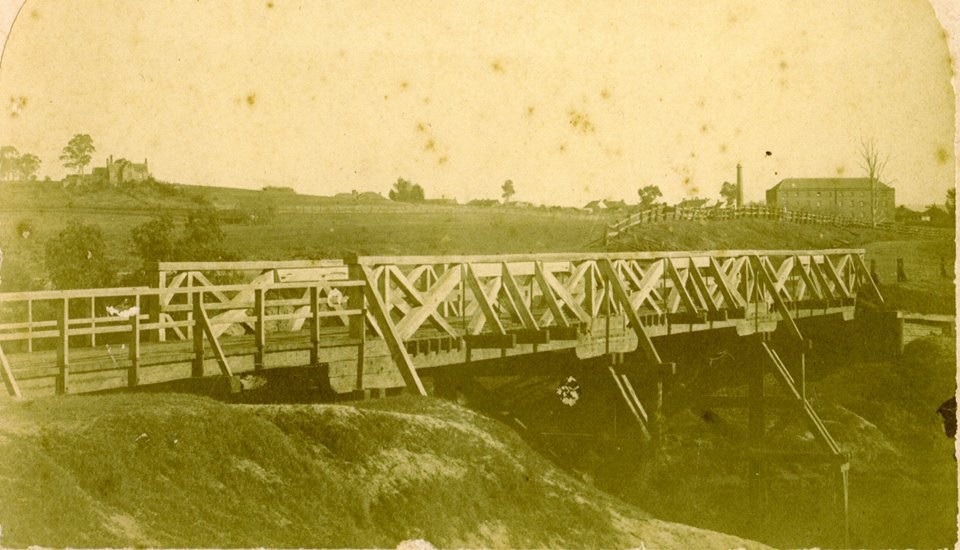
The Cowpastures bridge at the Nepean River crossing

Access across the Nepean River has been an issue since European settlement. The problem was solved by building a bridge with the first in 1826, the next in 1860 followed by 1900 and 1976.

1920s · 1973 New Cities Campbelltown Camden Appin Structure Plan · Aesthetics · Agriculture · Attachment to place · Belonging · British colonialism · Camden · Camden Council · Camden Story · Camden Town Centre · Cobbitty · Colonial Camden · Colonial frontier · Colonialism · Community identity · Cowpastures · Cultural Heritage · Cultural icon · Curtilage · Denbigh · Dharawal · Economy · Edwardian · England · Farming · Frontier violence · Georgian · Gothic · Governor Macquarie · Heritage · Historical consciousness · Historical Research · Historical thinking · History · Interwar · Landscape · Landscape aesthetics · Living History · Local History · Local Studies · Macarthur · Memory · Menangle · Modernism · Place making · Ruralism · Sense of place · Settler colonialism · Storytelling · Town planning · Urban growth · Urban Planning · Victorian

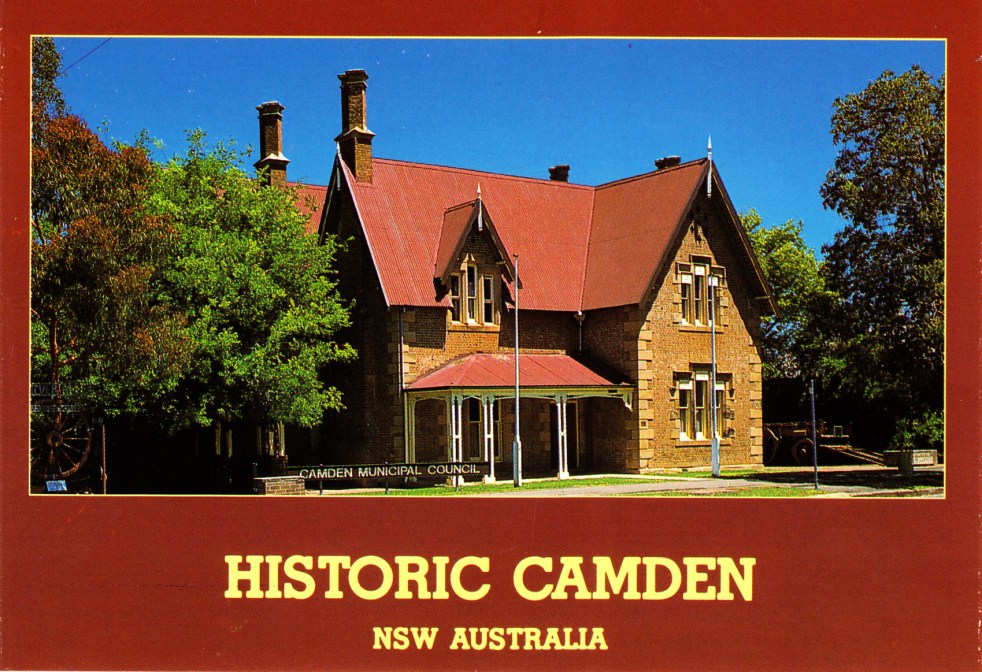
Camden Heritage Conservation Area – an English-style village in the Cowpastures

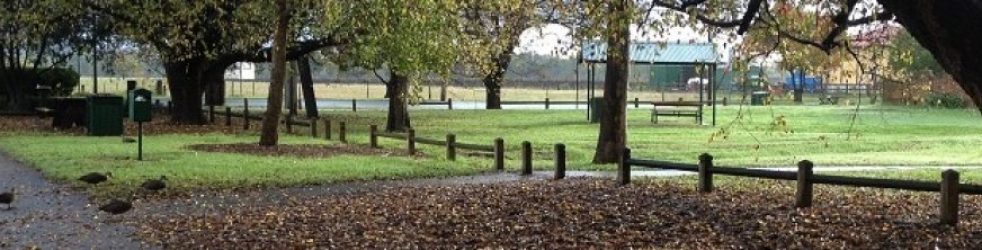
The Macarthur private village of Camden was located in the English style countryside of the Cowpastures countryside with its gentry estates and villages. Founded in 1840 it was all part the British imperial imperative and the settler colonial project that came with it.

Adaptive Re-use · Architecture · Attachment to place · Australia · Belonging · British colonialism · Camden · Camden Historical Society · Colonial Camden · Colonial frontier · Colonialism · Community identity · Convicts · Cultural Heritage · Cultural icon · Elderslie · England · Farming · Georgian · Governor Macquarie · Heritage · Historical consciousness · History · History of a house · House history · Landscape · Living History · Local History · Local Studies · Macarthur · Memorials · Memory · Myths · Place making · Sense of place · Settler colonialism · Storytelling · Tourism · Travel

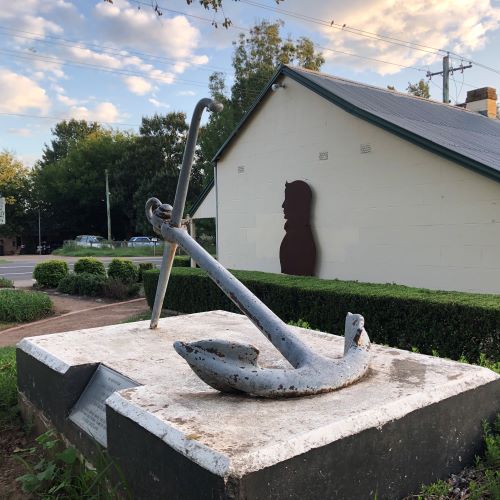
John Oxley’s anchor lost for 34 years

New evidence has emerged challenging previous conclusions about the John Oxley Memorial anchor in Camden. The anchor, a memorial from the British naval authorities, was lost for 34 years before being relocated for public access. John Oxley, an important colonial figure, has multiple commemorations in New South Wales related to his historical significance.

1920s · Aesthetics · Agricultural heritage · Agriculture · Architecture · Attachment to place · Australia · Belonging · Burragorang Valley · Colonial frontier · Colonialism · Community identity · Cowpastures · Cultural Heritage · Cultural icon · Edwardian · Ghosts · Gothic · Governor Macquarie · Guesthouse · Heritage · Historical consciousness · Historical Research · Historical thinking · Hotels · Interwar · Landscape · Landscape aesthetics · Legends · Leisure · Living History · Local History · Local Studies · Macarthur · Memory · Mysteries · Myths · Place making · Ruralism · Sense of place · Settler colonialism · Storytelling · Tourism · Travel

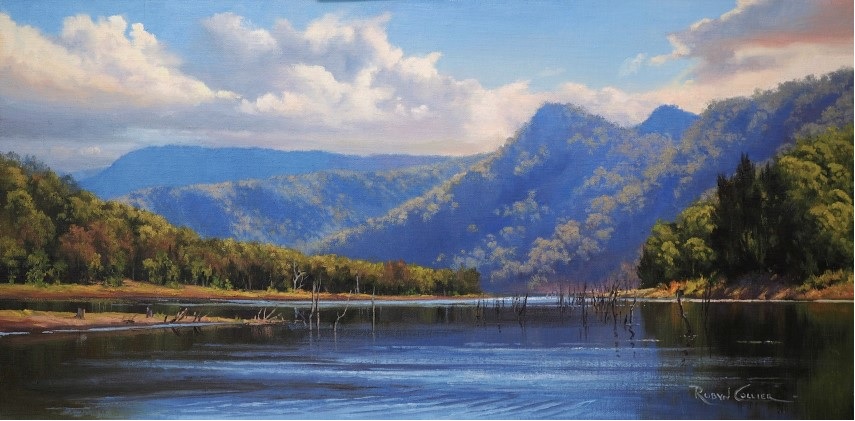
The Burragorang Valley, a lost Gothic fantasy

The Burragorang Valley is a lost Gothic fantasy where many people were attracted to the grandeur and beauty of the valley's landscape. Much of the valley's mystery has been lost under Lake Burragorang.

Aesthetics · Architecture · Attachment to place · Camden · Camden Museum · Colonial Camden · Colonialism · Community identity · Cowpastures · Cultural Heritage · Cultural icon · Edwardian · Farming · Festivals · First World War · Governor Macquarie · Heritage · Historical consciousness · Historical Research · Historical thinking · History · Interwar · Landscape aesthetics · Living History · Local History · Macarthur · Memory · Monuments · Place making · Ruralism · Second World War · Sense of place · Settler colonialism · Town planning · Urban growth · Urban Planning · urban sprawl · Urbanism · War · War at home

What is Camden’s heritage, does it really matter and what does it mean?

What is Camden’s heritage, does it really matter and what does in mean?

British colonialism · Camden Museum · Colonial Camden · Colonialism · Community identity · Convicts · Cultural Heritage · Elizabeth Farm · Farming · Georgian · Gothic · Governor Macquarie · Heritage · History · Landscape aesthetics · Local History · Macarthur · Myths · Place making · Settler colonialism · Victorian

Celebrity author at Camden Museum

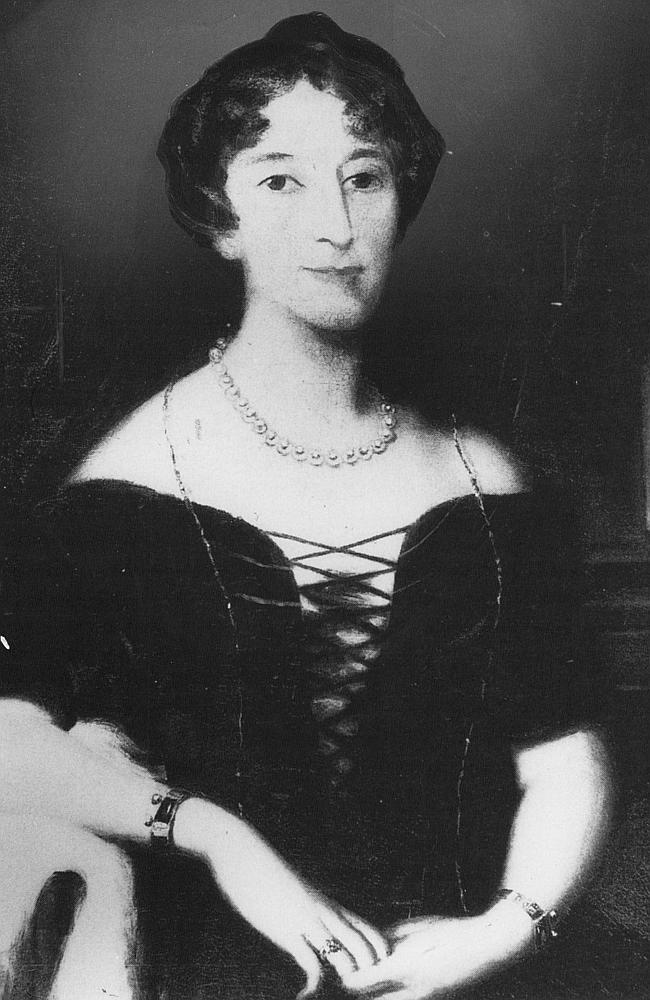
Author Michelle Scott Tucker recently spoke at the Camden Museum about her new book Elizabeth Macarthur A Life at the Edge of the World

Aesthetics · Attachment to place · Australia · British colonialism · Cawdor · Colonial Camden · Colonialism · Community identity · Cowpastures · Cowpastures River · Cultural Heritage · Cultural icon · Governor Macquarie · Heritage · Historical consciousness · Historical Research · Historical thinking · History · Landscape aesthetics · Local History · Local newspapers · Myths · Nepean River · Newspapers · Place making · Sense of place · Settler colonialism

Exploring the Cowpastures region: the early history of a settler society

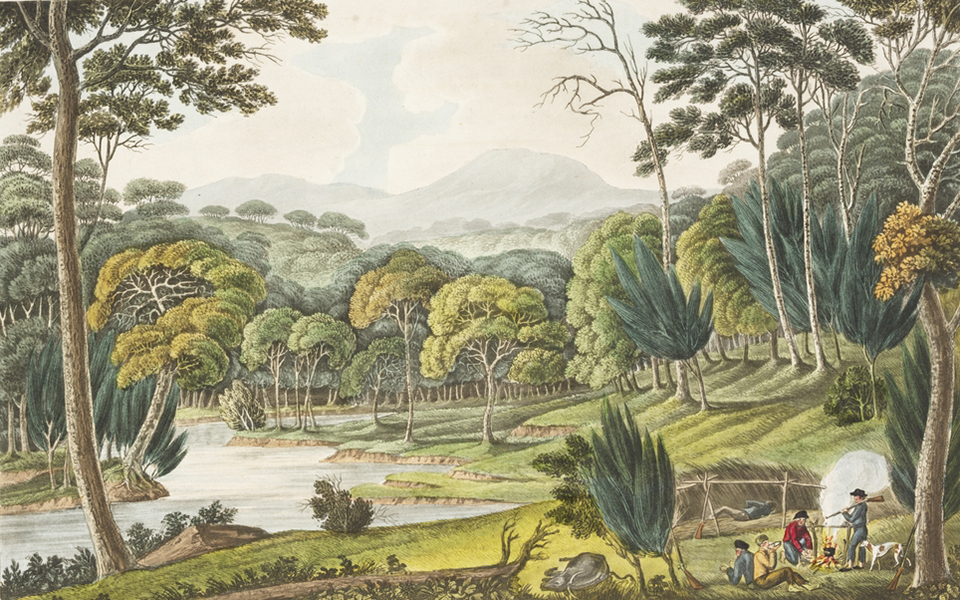
The Cowpastures region, named by Governor Hunter in 1795, reflects a culturally constructed landscape stemming from the 18th century. Originating with wild cattle from the First Fleet, it evolved into a significant colonial area intersecting Indigenous history. The region's identity waned by the late 19th century but is celebrated today for its historical legacy.