20th century · Anzac · Aviation · Camden Airfield · Camden Story · Cultural Heritage · Eastern Command Training School, Narellan, NSW · First World War · Heritage · History · Local History · Local Studies · Memorials · Menangle · Military history · Monuments · Narellan Military Camp · Sense of place · Storytelling · Uncategorized · War · War at home · Wartime

Camden War Cemetery

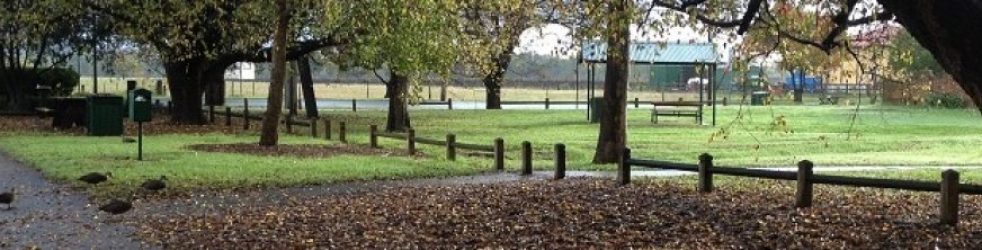
Camden War Cemetery has the graves of a number of service personnel from the Second World War who were killed while based in the local area.

Architecture · Attachment to place · Camden · Communications · Cowpastures · Cultural Heritage · Cultural icon · Economy · Elderslie · Floods · Heritage · Historical consciousness · Historical Research · Historical thinking · History · Landscape · Living History · Local History · Local Studies · Macarthur · Memorials · Memory · Modernism · Monuments · Nepean River · Place making · Sense of place · Storytelling · Tourism · Transport · Travel · Urban growth · Urban Planning · urban sprawl · Urbanism · Utilities

Macarthur Bridge

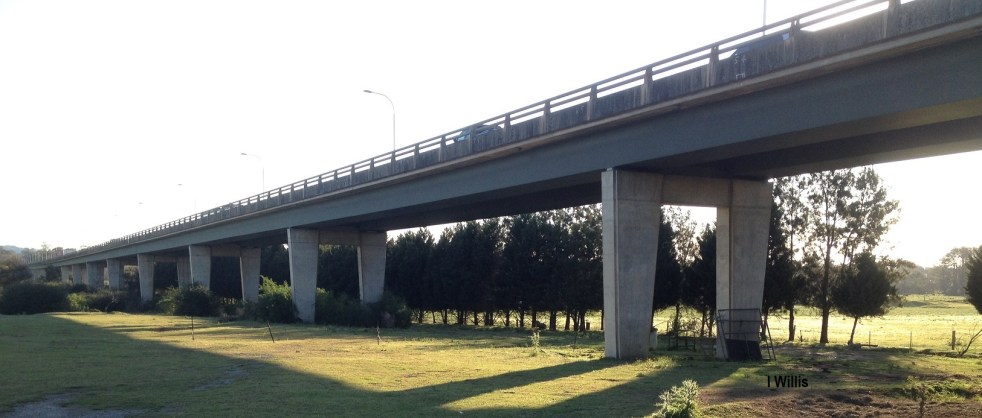
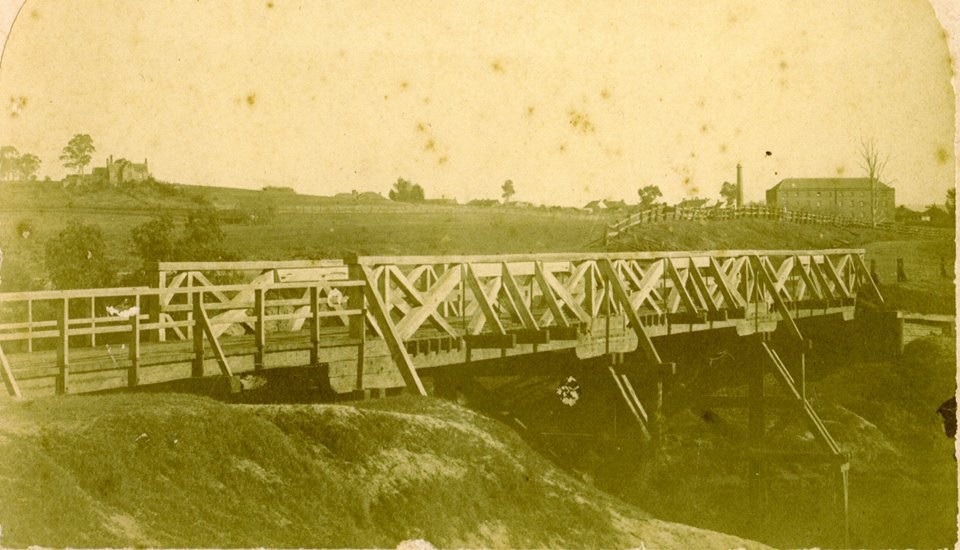
The Macarthur Bridge across the Nepean River at Camden NSW is an important engineering heritage item.

Aesthetics · Agricultural heritage · Art · Artists · Attachment to place · Belonging · British colonialism · Burragorang Valley · Camden · Camden Hospital · Camden Story · Church History · Coal mining · Colonial Camden · Community identity · Cultural Heritage · Cultural icon · Dairying · Dharawal · Farming · Heritage · Historical consciousness · Historical thinking · History · Living History · Local History · Local Studies · Macarthur · Memorial · Memorialisation · Memorials · Memory · Mid-century modernism · Modernism · Monuments · Pioneers · Place making · Public art · Sense of place · Settler colonialism · Settler Society · Social History · Stereotypes · Storytelling · Tourism

Camden Rotary Pioneer Mural: public art, a mural, a memorial wall and a wishing well

The Camden Pioneer Mural is an example of public art. The Camden mural depicts the Camden story as interpreted in 1962 by ceramic artist Byram Mansell.

1920s · 1930s · Agricultural heritage · Agriculture history · Argyle Street · Artefacts · Attachment to place · Belonging · Built heritag · Camden · Camden Story · Cawdor · Churches · Cobbitty · Community identity · Country town · Cultural Heritage · Cultural icon · Elderslie · Family history · Farming · Fashion History · Festivals · Heritage · Historical consciousness · Historical Research · History · Interwar · Living History · Local Studies · Memory · Monuments · Mount Hunter · Photography · Place making · Placemaking · Retail history · Roy Dowle photographer · Ruralism · Sense of place · Settler colonialism · Social History · Stereotypes · Storytelling · Teamsters · The Oaks · Transport · transport history · Urban history · War

The Roy Dowle collection and old photographs

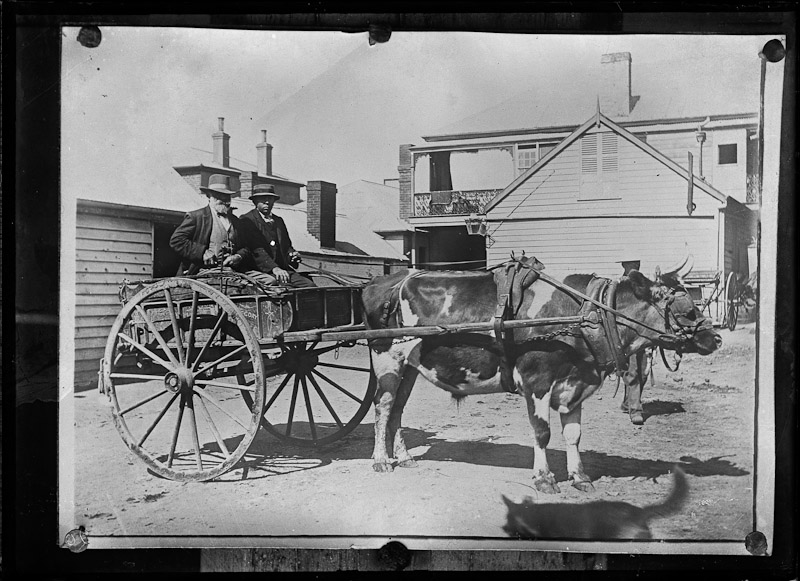
Old photographs are a glimpse into the past and capture many memories of another time. The Roy Dowle Glass Plate collection at The Oaks Historical Society is a source of many local images.

Adaptive Re-use · Aesthetics · Architecture · Art · Attachment to place · Belonging · Camden · Camden Show · Community identity · Cultural Heritage · Cultural icon · Economy · Farming · Festivals · Heritage · Historical consciousness · Historical Research · Historical thinking · History · Interwar · Leisure · Lifestyle · Living History · Local History · Local Studies · Macarthur · Memorials · Memory · Modernism · Monuments · Myths · Parks · Place making · Public art · Ruralism · Sense of place · Storytelling · Streetscapes · Theatre · Tourism · Urbanism · War

Aaron Bolot, a Sydney architect, and Camden’s Interwar heritage

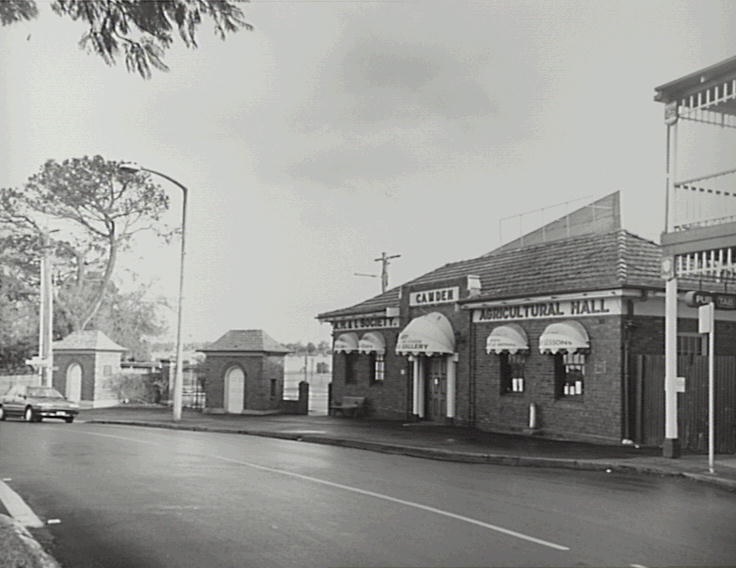
Sydney architect Aaron Bolot designed the extension to the Camden agricultural hall. This building was one of many that were built in Camden during the Intewar period.

Aesthetics · Attachment to place · Belonging · Cafes · Colonialism · Community identity · Cultural Heritage · Cultural icon · Heritage · Historical consciousness · Historical Research · Historical thinking · History · Lifestyle · Living History · Local History · Local Studies · Memorials · Monuments · Myths · Place making · Second World War · Sense of place · Stereotypes · Storytelling · Streetscapes · Tourism · War

Reflections of a travelling scholar

Reflections of historian Ian Willis after attending the 2019 RANZ at the University of Warsaw Poland

1920s · Adaptive Re-use · Aesthetics · Attachment to place · Belonging · Colonial frontier · Colonialism · Community identity · Cultural Heritage · Cultural icon · Edwardian · Farming · Georgian · Heritage · Historical consciousness · Historical Research · Historical thinking · History · Leisure · Lifestyle · Living History · Local History · Local Studies · Lost trades · Memory · Modernism · Monuments · Moveable Heritage · Movies · Myths · Place making · Retailing · Ruralism · Sense of place · Settler colonialism · Streetscapes · Theatre · Toowoomba · Tourism · Traditional Trades · Travel

Living history in southern Queensland

Living history in southern Queensland in the regional centre of Toowoomba

Aesthetics · Agricultural heritage · Agricultural modernism · Architecture · Attachment to place · Australia · Belgenny Farm · Business · Camden Park House and Garden · Community identity · Cowpastures · Cultural Heritage · Cultural icon · Dairying · Engineering Heritage · Engineering History · Farming · Food · Heritage · Historical consciousness · Historical Research · Historical thinking · History · Industrial Heritage · Lifestyle · Living History · Local History · Local Studies · Lost Sydney · Macarthur · Memory · Menangle · Mid-century modernism · Modernism · Monuments · Myths · Place making · Placemaking · Ruralism · Sense of place · Sydney · Sydney's rural-urban fringe · Tourism · Town planning · Urban growth · Urban Planning · urban sprawl · Urbanism · USA · Utilities

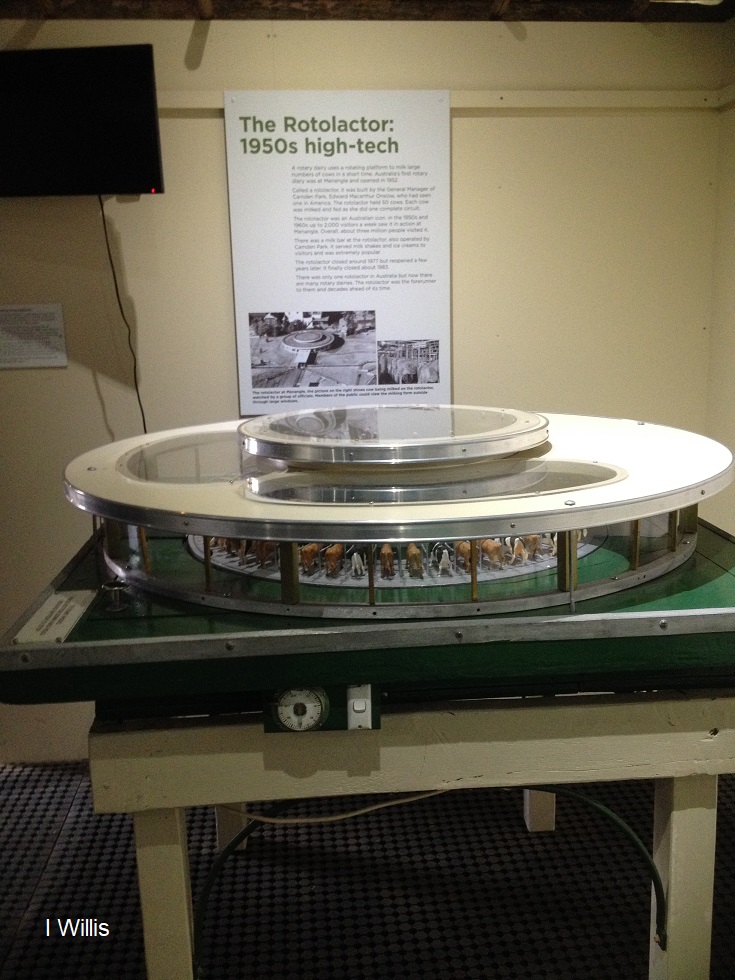
The Rotolactor, a Menangle milking marvel

The Rotolactor was Menangle's milking marvel. A rotating dairy that was a tourism attraction and an example of industrial modernism on the colonial property Camden Park estate.

1920s · Aesthetics · Anzac · Architecture · Art · Attachment to place · Australia · Belonging · Cafes · Camden · Camden Airfield · Camden Museum · Camden Show · Colonial Camden · Community identity · Convicts · Country Women's Association · Cultural Heritage · Cultural icon · CWA · Farming · First World War · Gender · Heritage · Historical consciousness · Historical Research · Historical thinking · History · Interwar · Lifestyle · Living History · Local History · Local newspapers · Local Studies · Macarthur · Memory · Modernism · Monuments · Movies · Narellan Military Camp · Place making · Railway · Restaurant · Retailing · Ruralism · Second World War · Sense of place · Tourism · Urban Planning · urban sprawl · Urbanism · War · War at home · Women's history

The Camden story, an evolving project

The Camden story, a continually evolving project that details some of the parts of the local story.

Aesthetics · Art · Attachment to place · Australia · Belonging · Camden · Camden Airfield · Camden Park House and Garden · Community identity · Cultural Heritage · Cultural icon · Denbigh · England · Entertainment · Farming · Fashion · Festivals · Gothic · Heritage · Historical consciousness · Historical Research · Historical thinking · History · Interwar · Landscape aesthetics · Leisure · Lifestyle · Living History · Local History · Local Studies · Macarthur · Memorials · Memory · Modernism · Monuments · Moveable Heritage · Movies · Myths · Place making · Public art · Re-enactments · Ruralism · Sense of place · Stereotypes · Streetscapes · Sydney · Sydney's rural-urban fringe · Technology · Theatre · Tourism · Travel · TV Series Shows · Victorian · Volunteerism · War

Movie making Camden style

Filmmakers have long been drawn to Camden's English countryside setting for movie backdrops. The area has hosted various films, including silent movie Silks and Saddles (1921), wartime drama The Rats of Tobruk (1944), series like A Place to Call Home (2012), and modern productions like Peter Rabbit (2018, 2020). It continues to attract filmmakers seeking a classic English aesthetic for their productions.