Appin · Art · Attachment to place · Belonging · British colonialism · Campbelltown Art Centre · Collective Memory · Colonial frontier · Colonialism · Commemoration · Community identity · Cowpastures · Cowpastures Bicentennial · Cultural Heritage · Dharawal · Governor Macquarie · Heritage · History · Landscape · Landscape aesthetics · Local History · Local Studies · Memorial · Memorialisation · Memorials · Memory · Monuments · Place making · Placemaking · Public art · Sculpture · Sense of place · Settler colonialism · Settler Society · Stereotypes · Storytelling · Uncategorized

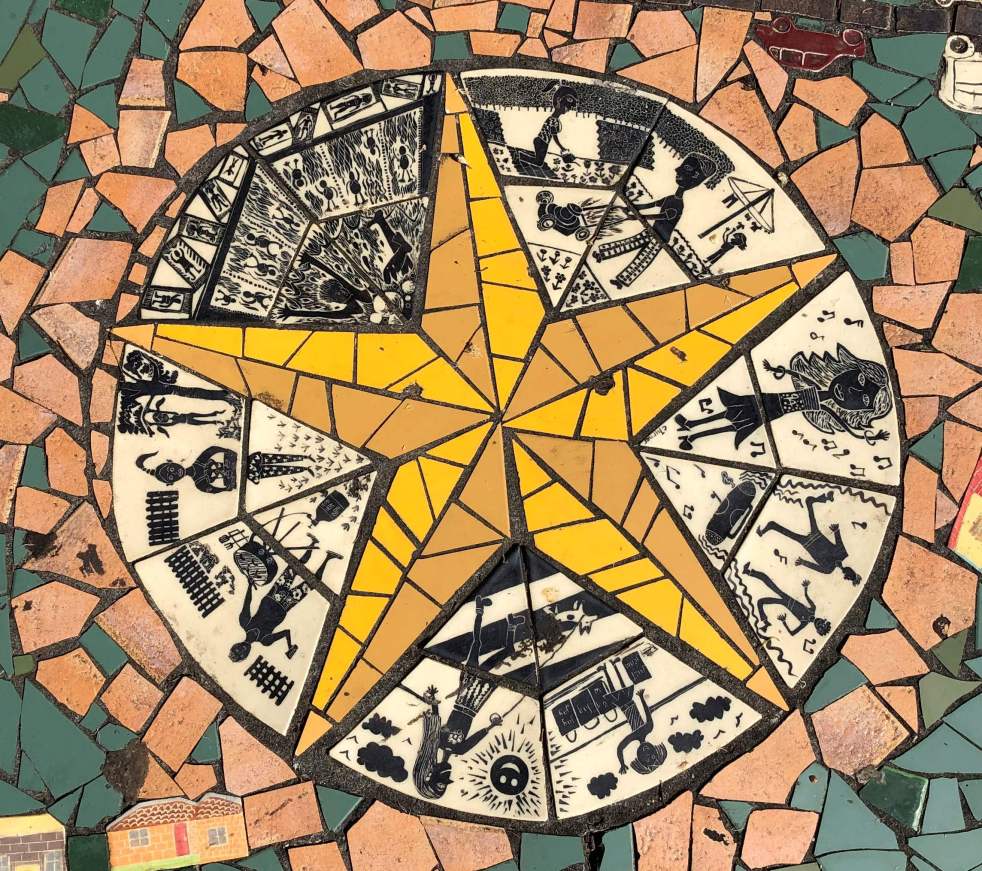
The Cowpastures Bicentennial, Governor Hunter and the Appin Massacre: the memory of the Cowpastures

I often wondered why the cultural material representative of the Cowpastures appeared to have been 'forgotten' by our community. The list of cultural items is quite an extensive include: roads and bridges, parks and reserves; historic sites, books, paintings, articles; conferences, seminars, and workshops; monuments, memorials and murals; community commemorations, celebrations and anniversaries.

20th century · Adaptive Re-use · Aesthetics · Architecture · Attachment to place · Belonging · Burra Charter · Camden Story · Church History · Churches · Collective Memory · Commemoration · Community identity · Cultural Heritage · Elderslie · Families · Family history · Farming · First World War · Genealogy · Heritage · History · Living History · Local History · Local Studies · Memorial · Place making · Placemaking · Sense of place · St Mark's Church Elderslie · Urban development · Urban growth · Urbanism · Village · Wartime

St Mark’s Church Elderslie, the little church on the hill

St Mark's Church Elderslie tells the story of a small farming community that has disappeared through the mists of time. The history of St Mark’s church is the history of Elderslie, and the church was a special place of community celebrations and commemorations along with family celebrations, traditions, and events. The church has been a gathering place, a sacred site.

Argyle Street · Camden · Camden Council · Camden Historical Society · Camden Museum · Camden Red Cross · Camden Show · Churches · Coal mining · Colonial Camden · Country Women's Association · Cultural Heritage · Dairying · Elizabeth Macarthur · Farming · First World War · Floods · Heritage · History · Living History · Local History · Local newspapers · Local Studies · Macarthur · Macarthur Park · Nepean River · Philanthropy · Place making · Placemaking · Railway · Red Cross · Schools · Second World War · Sense of place · Settler colonialism · Settler Society · Silver mining · Storytelling · Sydney's rural-urban fringe · Uncategorized · Urban development · Urban growth · Urban Planning · urban sprawl · Urbanism · Volunteering · Volunteerism · Wartime · World War One

Camden, a Macarthur family venture

The establishment of Camden, New South Wales, the town in 1840, was a private venture of James and William Macarthur, sons of colonial patriarch John Macarthur, at the Nepean River crossing on the northern edge of the family’s pastoral property of Camden Park. The town’s site was enclosed on three sides by a sweeping bend in the Nepean River and has regularly flooded the surrounding farmland and lower parts of the town.

Aesthetics · Architecture · Art · Artists · Attachment to place · Belonging · Community identity · Cultural icon · Design · Heritage · Living History · Local History · Memorial · Memorialisation · Memorials · Memory · Monuments · Oran Park · Oran Park Library · Oran Park Raceway · Place making · Placemaking · Sense of place · Storytelling · Urban Planning · Urbanism

Oran Park Library: public art celebrates the ghosts of motor racing

The Oran Park library has a number of public artworks that commemorate the former Oran Park motorway that was on the site. These wonderful public art installations celebrate the memories of the  Oran Park Raceway which closed in 2010.

Aesthetics · Art · Artefacts · Colonial Camden · Cowpastures · Cowpastures Bicentennial · Craft · Crafts · Cultural Heritage · Fashion · Heritage · Leisure · Local History · Local Studies · Memorial · Memorials · Memory · Place making · Placemaking · Public art · Quilting · Sense of place · Settler colonialism · Sewing · Storytelling · Women's history

A Cowpastures memorial quilt

Hanging on the wall in the Camden Library is a quilt, but no ordinary quilt. It is a hand-made quilt that had previously hung in the foyer of the Camden Civic Centre for many years. The quilt celebrated the Cowpastures Bicentenary (1995) and was made by members of the Camden Country Quilters Guild.

Art · Attachment to place · Belonging · British colonialism · Camden · Camden Mayor · Colonial Camden · Colonial frontier · Colonialism · Commemoration · Cowpastures · Cultural Heritage · Cultural icon · Frank Brooking · Frontier violence · Heritage · History · Legends · Local History · Local Studies · Macarthur region · Memorial · Memorials · Memory · Monuments · Myths · Parks · Place making · Placemaking · Public art · Sculpture · Sense of place · Settler colonialism · Settler Society · Storytelling · Uncategorized · Urban development

Governor Hunter, a Cowpastures memorial at Mount Annan

The statue of Governor Hunter in the Governors Green Park at Mount Annan is another celebration of the history of the Cowpastures.

1932 · Artefacts · Camden · Camden Museum · Community identity · Cultural Heritage · Cultural icon · Ephemera · Heritage · History · Interwar · Local History · Local Studies · Macarthur · Place making · Political history · Propaganda · Sense of place · Starvation Debenture · Stereotypes · Storytelling · Uncategorized

Political propaganda in 1932

The Starvation Debenture produced by the United Country Party is an example of political advertising from the 1932 New South Wales election.

Attachment to place · Belonging · Biography · Colonial frontier · Colonialism · Community identity · Cultural Heritage · Cultural icon · Family history · Farming · Gothic · Heritage · Historical Research · History · Landscape · Local History · Local Studies · Myths · Placemaking · Sense of place · Settler colonialism · Settler Society · Stereotypes · Storytelling · Uncategorized · Victorian · Women's history · Women's Writing

Rachel, a great yarn of the bush from colonial New South Wales

Jeff McGill's Rachel is a ripping yarn about the colonial frontier and the role of women in colonial New South Wales.

Agency · Agriculture · Agriculture history · Attachment to place · Belonging · British colonialism · Camden · Cawdor · Cobbitty · Colonial Camden · Colonial frontier · Colonialism · Community identity · Cowpastures · Cowpastures Estates · Cowpastures Gentry · Cultural Heritage · Cultural icon · Denbigh · Economy · Elderslie · England · Farming · Georgian · Gothic · Harrington Park · Heritage · History · Hope and loss · House history · Indigenous Heritage · Johm Macarthur · John Oxley · Kirkham · Landscape · Lifestyle · Local Studies · localism · Macarthur · Maryland · Menangle · Myths · Picton · Pioneers · Place making · Placemaking · Sense of place · Settler colonialism · Settler Society · Storytelling · The Oaks · Urban growth

The Cowpastures’ English-styled-gentry and their private villages

A certain type of self-styled-English gentry created a landscape in their own vision in the Cowpastures.

Adaptive Re-use · Architecture · Built heritag · Business · Churches · Community identity · Cultural Heritage · Eastern Command Training School, Narellan, NSW · Heritage · History · History of a house · House history · Local History · Local Studies · Military history · Narellan · Place making · Placemaking · Schools · Second World War · Sense of place · Storytelling · Village

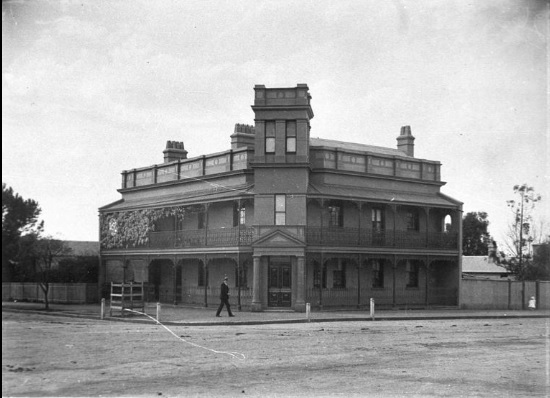
Narellan’s Architectural Landmarks: A Journey Through Time

Narellan, named after an 1816 land grant, features historical buildings like St Thomas Church and School from the 1830s and 1880s. The village, surveyed in 1827, was one of four pre-dating Camden's establishment in 1840. Significant structures include the Narellan Hotel , the former Burton Arms Hotel and Ben Linden reflecting local heritage.