1920s · 1930s · 20th century · Agriculture · Argyle Street · Attachment to place · Belonging · British colonialism · Built heritag · Camden · Camden Story · Collective Memory · Colonialism · Commemoration · Community identity · Country town · Cowpastures · Cultural Heritage · Dharawal · Historical consciousness · Historical Research · Historical thinking · Historiography · History · Legends · Local History · Local Studies · Macarthur · Memorial · Memorialisation · Memorials · Memory · Monuments · Mysteries · Myths · Newspapers · Pioneers · Place making · Regionalism · Ruralism · Sense of place · Settler colonialism · Settler Society · Small communities · Stereotypes · Storytelling · Tourism · Urban growth · Urban history · Volunteering

The Camden Story: the historiography of the history of the country town of Camden NSW

The history of telling the story of a small community has been interpreted in different ways at different times in the past by different historians. This area of study is called the historiography. I have recently published an article on the historiography of the small country town of Camden, NSW.

1920s · 1930s · 20th century · Argyle Street · Camden · Camden Story · Collective Memory · Community identity · Cowpastures · Cultural Heritage · Cultural plantings · Dairying · Farming · Gardening · Horticulture · Landscape · Landscape aesthetics · Local Studies · Memorials · Memory · Pepper Trees · Place making · Settler colonialism · Settler Society · Storytelling · Street Trees · Town planning · Urban Planning

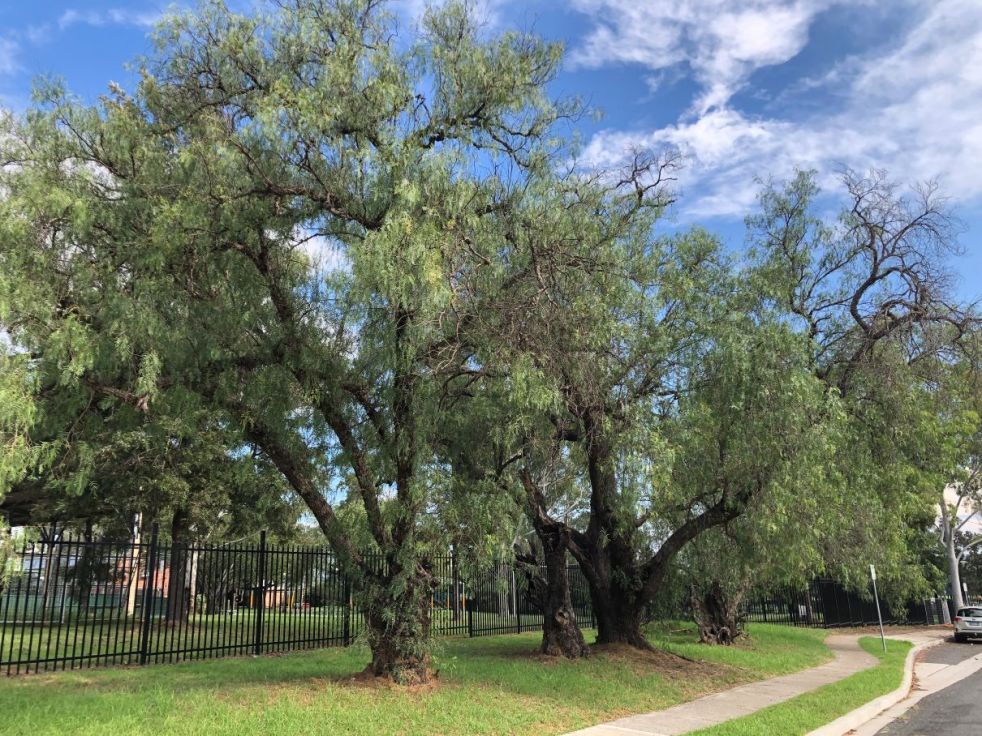
Camden pepper trees, a remnant of the past

In the 1890s, Camden Municipal Council started beautifying the town area by planting various trees, including peppercorns. These cultural plantings defined the local urban landscape for decades, yet only a handful remain today.

1920s · 1930s · Architecture · Attachment to place · Built heritag · Business History · Collective Memory · Community Health · Cultural Heritage · Design · Edwardian · Film · Foresters Hall (former) · Heritage · History · Interwar · Leisure · Living History · Local History · Local Studies · Memory · Modernism · Movies · Narellan Military Camp · Placemaking · Second World War

The former Foresters’ Hall, a marvellous Edwardian building

In Camden NSW the former Foresters’ Hall occupies one of the most prominent sites in the Town Centre on Oxley Street and Argyle Street at 147 Argyle Street. On its opening in 1908, the hall was considered the best in New South Wales by the Order of Royal Foresters.

1920s · 1930s · 1932 · 20th century · Adaptive Re-use · Aesthetics · Architecture · Argyle Street · Attachment to place · Belonging · Built heritag · Business History · Camden Story · Camden Town Centre · Collective Memory · Colonial Camden · Community identity · Cultural Heritage · Cultural icon · Design · Economy · Governor Macquarie · Historical consciousness · History · Interwar · Local History · Local Studies · localism · Macarthur region · Mid-century modernism · Modernism · Place making · Placemaking · Sense of place · Storytelling · Streetscapes · Town planning · Uncategorized · Urban growth · Urban history · Urbanism

 The former Bank of New South Wales building in the country town of Camden

In central Camden is an empty bank building of understated significance at the intersection of John and Argyle Streets. This building was the premises of Westpac, formerly the Bank of New South Wales, and was the second banking chamber on that site. Constructed in the 1930s by a prominent firm of local builders and designed by one of Sydney’s top award-winning architects. It is a building of much architectural merit, and few know its history. 

Appin · Art · Attachment to place · Belonging · British colonialism · Campbelltown Art Centre · Collective Memory · Colonial frontier · Colonialism · Commemoration · Community identity · Cowpastures · Cowpastures Bicentennial · Cultural Heritage · Dharawal · Governor Macquarie · Heritage · History · Landscape · Landscape aesthetics · Local History · Local Studies · Memorial · Memorialisation · Memorials · Memory · Monuments · Place making · Placemaking · Public art · Sculpture · Sense of place · Settler colonialism · Settler Society · Stereotypes · Storytelling · Uncategorized

The Cowpastures Bicentennial, Governor Hunter and the Appin Massacre: the memory of the Cowpastures

I often wondered why the cultural material representative of the Cowpastures appeared to have been 'forgotten' by our community. The list of cultural items is quite an extensive include: roads and bridges, parks and reserves; historic sites, books, paintings, articles; conferences, seminars, and workshops; monuments, memorials and murals; community commemorations, celebrations and anniversaries.

20th century · Adaptive Re-use · Aesthetics · Architecture · Attachment to place · Belonging · Burra Charter · Camden Story · Church History · Churches · Collective Memory · Commemoration · Community identity · Cultural Heritage · Elderslie · Families · Family history · Farming · First World War · Genealogy · Heritage · History · Living History · Local History · Local Studies · Memorial · Place making · Placemaking · Sense of place · St Mark's Church Elderslie · Urban development · Urban growth · Urbanism · Village · Wartime

St Mark’s Church Elderslie, the little church on the hill

St Mark's Church Elderslie tells the story of a small farming community that has disappeared through the mists of time. The history of St Mark’s church is the history of Elderslie, and the church was a special place of community celebrations and commemorations along with family celebrations, traditions, and events. The church has been a gathering place, a sacred site.

1920s · Argyle Street · Artefacts · Attachment to place · Camden · Camden Story · Collective Memory · Cultural Heritage · Engineering Heritage · Engineering History · Heritage · Highways · History · Hume Highway · Infrastructure · Living History · Local History · Local Studies · Memorial · Memorials · Memory · Mileposts · Monuments · Place making · Public art · Re-enactments · Roads · Service utilities · Storytelling · Technology · The Great South Road · Tourism · Transport · transport history · Travel · Travellers · Utilities · Wayfinding

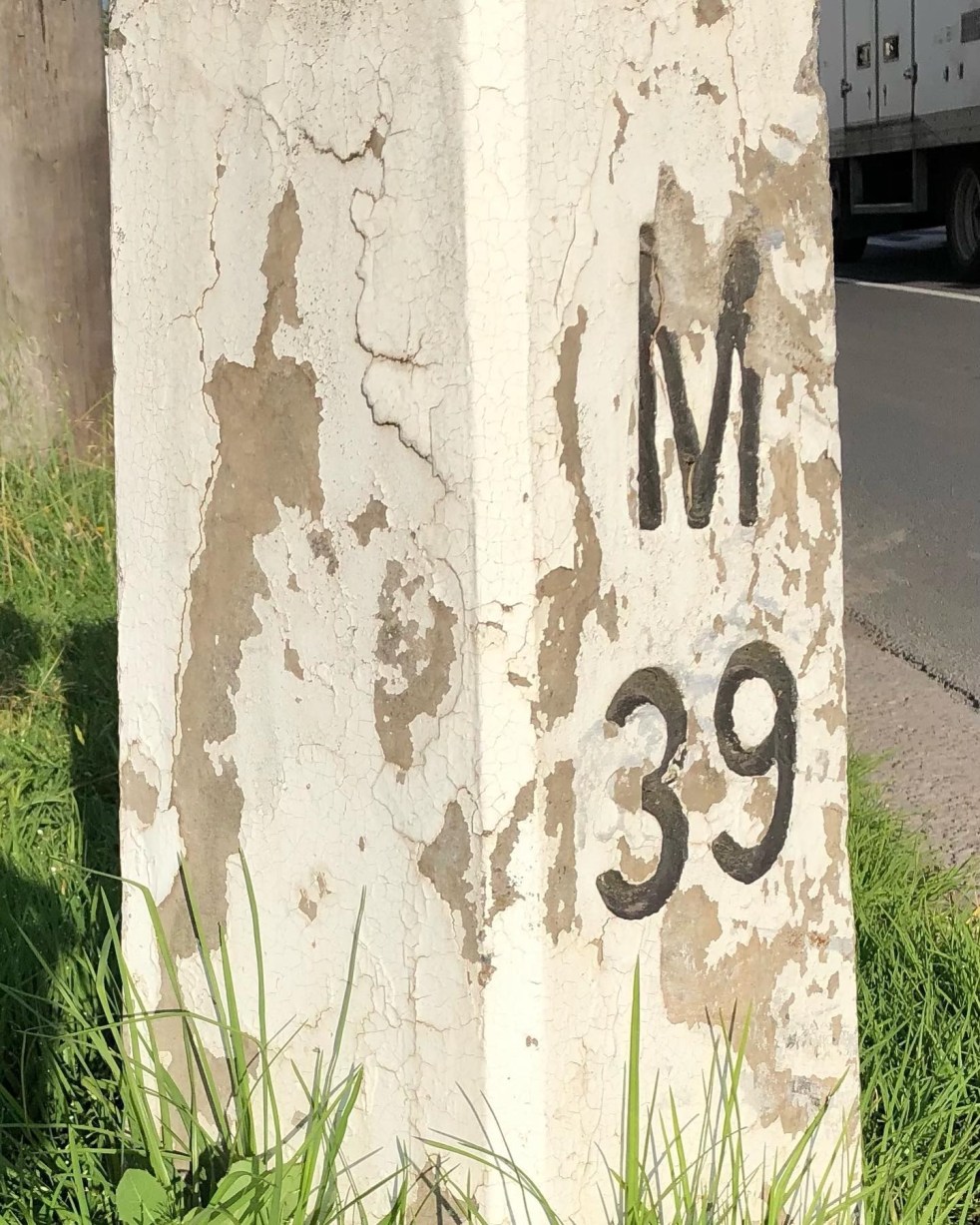
Mileposts captured the distance of the past

The white concrete mileposts in Camden, remnants of the Hume Highway, mark distances to destinations like Sydney and Mittagong. Originating from Roman times, these posts were part of a 1934 initiative to standardize road markers in NSW, aiding both travelers and road maintenance. They reflect Camden's cultural and engineering heritage.

Aesthetics · Architecture · Art · Attachment to place · Belonging · British colonialism · Built heritag · Camden · Camden Park House and Garden · Camden Story · Camden Town Centre · Church History · Churches · Collective Memory · Colonial Camden · Colonialism · Community identity · Cowpastures · Cultural Heritage · Cultural icon · England · Farming · Gothic · Heritage · Historical consciousness · Historical Research · History · Landscape aesthetics · Legends · Living History · Local History · Local Studies · Macarthur · Memorialisation · Memorials · Memory · Monuments · Myths · Place making · Ruralism · Sense of place · Settler colonialism · Settler Society · Social History · St John's Church Camden · Symbolism · Tourism · Victorian · Women's history

St John’s Church, a contested sacred site in the historic landscape of the Cowpastures

A contested sacred site in the historic landscape of the Cowpastures. St John's Church wants to sell a former horse paddock to fund a new worship centre against community opposition.

Architecture · Attachment to place · Built heritag · Camden · Camden Airfield · Camden Hospital · Camden Story · Collective Memory · Community Health · Community identity · Cultural Heritage · Gender · Health History · Heritage · Historic Plaques · Historical consciousness · History · Interwar · Local History · Local Studies · localism · Medical history · Modernism · Nurses Quarters · Nursing · Place making · Placemaking · Regionalism · Sense of place · Stereotypes · Storytelling · Women's history

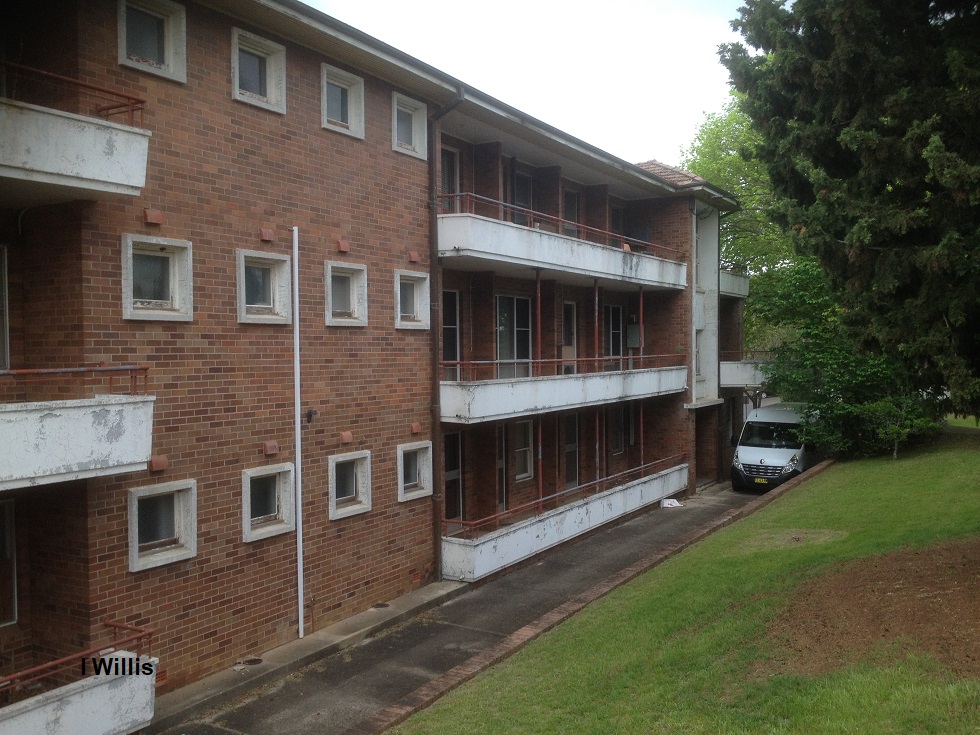
Camden Hospital Nurses’ Quarters: cloistered veils

Over 700 people witnessed the opening of the Camden Hospital Nurses’ Quarters were opened in 1962 by the NSW Health Minister WF Sheahan.

Adaptive Re-use · Aesthetics · Architecture · Attachment to place · Burra Charter · Business · Business History · Camden · Camden Town Centre · Collective Memory · Colonial Camden · Community identity · Country town · Cultural Heritage · Cultural icon · Economy · Edwardian · Entertainment · Family history · First World War · Heritage · Historical consciousness · Historical Research · History · Interwar · Living History · Local History · Local Studies · localism · Memory · Modernism · Place making · Placemaking · Retail history · Retailing · Ruralism · Sense of place · Shopping · Small communities · Stereotypes · Storytelling · Streetscapes · Tourism · Urban development · Urban growth · Victorian

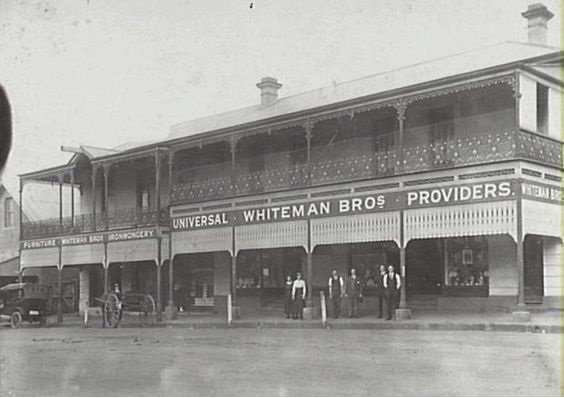
Whiteman commercial buildings in Camden, an example of adaptive re-use

The Whiteman's General Store, a historic Victorian colonial building in Camden, has been successfully repurposed through the Burra Charter principles of adaptive reuse, maintaining its architectural integrity. Operating continuously for over 135 years, it now houses various retail and professional outlets, contributing significantly to the town's charm and community identity.