1920s · 20th century · Camden · Camden Modern · Camden Modernism · Camden Motorcycle Club · Camden Story · Community identity · Heritage · Motoring History · Overlander · Pioneers · Place making · Placemaking · Stories · Storytelling · Transport · transport history · Travel · Travellers

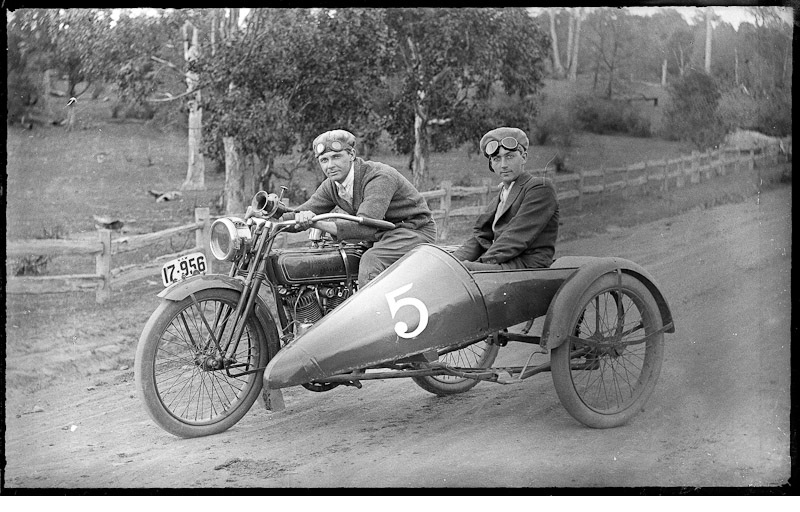
History of Camden Motorcycle Club: pioneers of adventure, movement and modernism

The Camden Motorcycle Club, founded in 1919 and led by Dr. Francis W. West, played a pivotal role in local motorcycle culture in early 20th-century Australia. Members,. like Laurie Kelloway, engaged in adventurous overlanding, promoting camaraderie and the excitement of the open road. The club also provided community support, such as raising funds for disabled veterans like Private Cecil Wheeler.

Agricultural heritage · Agriculture · Agriculture history · Art · Artefacts · Attachment to place · Belonging · Camden Festivals · Camden Show · Camden Story · Community · Community identity · Community organisations · Community work · Country Women's Association · Craft · Crafts · Cultural and Heritage Tourism · Cultural Heritage · CWA · Emergency Services · Entertainment · Farming · Farming history · Festivals · First Responders · Garden history · History · Horticulture · Local History · Local Studies · Macarthur region · Nostalgia · Onslow Park · Pageant · Pioneers · Place · Place making · Placemaking · Recreation · Ruralism · Social History · Stories · Storytelling · Theme Parks · Transport · transport history · Travel · Travellers · Uncategorized · Volunteering · Volunteerism

2025 Camden Show: A Photographic Journey

The photographic essay captures the vibrant atmosphere of the 2025 Camden Show, showcasing various activities, displays, and exhibitions. Highlights include the Woolworths produce pavilion, enthusiastic attendance from parents at performances, and contributions from local services like the Rural Fire Service, NSW Fire Brigade, and police, enriching the community experience.

19th Century · 20th century · Aesthetics · Art · Artists · Artworks · Attachment to place · Burragorang Valley · Business History · Camden District · Commemoration · Cultural Heritage · Engineering Heritage · Engineering History · Local History · Local Studies · Memorials · Memory · Mining · Mining History · Monuments · Oran Park · Oran Park Raceway · Place making · Placemaking · Public art · Sense of place · Stories · Storytelling · Teamsters · Town planning · Transport · transport history · Uncategorized · Urban development · Urban growth · Urban history · Urban Planning · urban sprawl · Urbanism

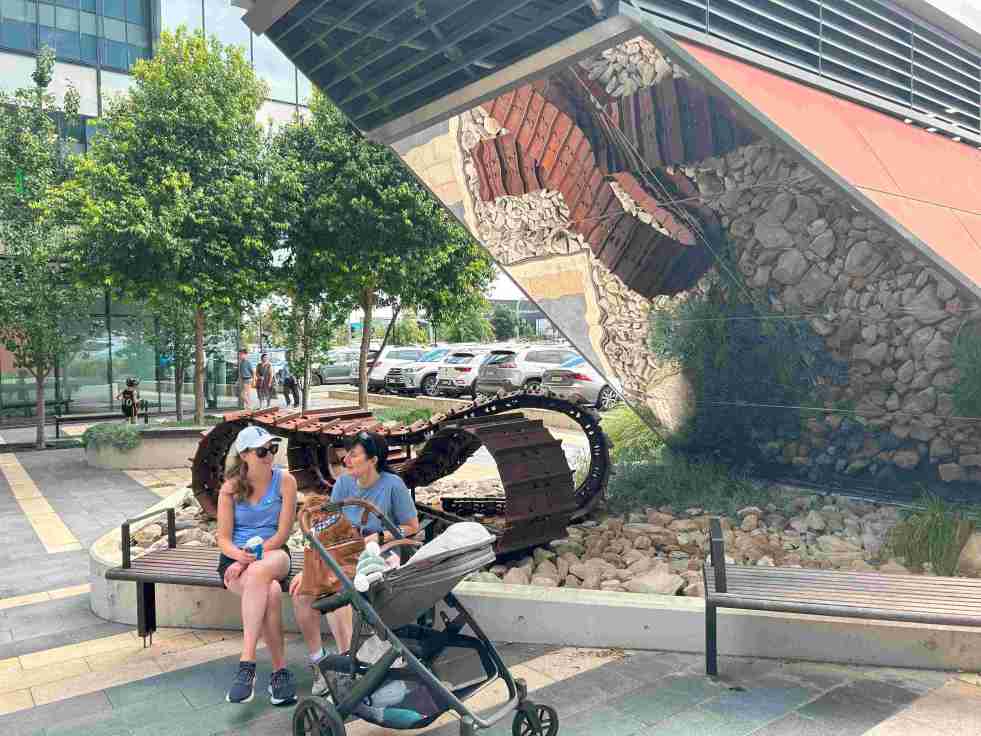
Exploring the ‘Infinity Tracks’ Art Installation in Oran Park

The 'Infinity Tracks' art installation in Oran Park honors the region's heavy haulage industry, highlighting the historical impact of the transport industry and Oran Park Town urban development. Commissioned in 2020 by Greenfields Development Co and TRN House, it enhances the forecourt's aesthetic while reflecting the area's economic growth and employment contributions from the haulage sector and urban development.

19th Century · Architecture · Attachment to place · Built heritag · Built Heritage · Camden Built Heritage · Camden Cottage Hospital · Camden Hospital · Camden Story · Community · Community building · Community Health · Country town · Cultural Heritage · Family history · History of a building · History of a house · House history · Humanitarianism · Local History · Local newspapers · Local Studies · Medical history · Medical Humanities · Place making · Placemaking · Sense of place · Small town · Social History · Stories · Storytelling · Transport · transport history · Trauma · Women's agency · Women's history · Women's stories

Camden Cottage Hospital, from accidents to amputations and early patient experiences

The Camden Cottage Hospital, opened in April 1899, initially struggled with low patient admissions due to community reluctance. Early cases included accidents and serious conditions, leading to treatments and surgeries like amputations. By early 1900, there was increasing community trust and the permanent facility opened in May 1902.

Attachment to place · Belonging · Camden · Camden Museum · Camden Story · Collective Memory · Colonial Camden · Community identity · Cultural Heritage · Cultural icon · Economy · Education · Farming · Heritage · Historical consciousness · Historical Research · Historical thinking · History · Legends · Living History · Local History · Local Studies · Lost Camden · Macarthur · Memory · Modernism · Narellan · Place making · Placemaking · Railway · Railway history · Second World War · Sense of place · Stories · Storytelling · Tourism · Transport

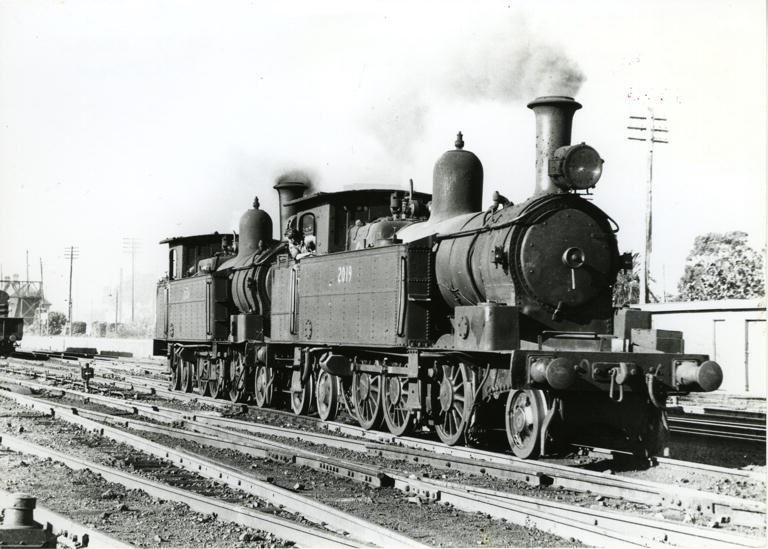
Exploring Camden’s Railway Heritage: Pansy and Its Timeless Stories

The Camden branch line, with its famous locomotive Pansy, holds a special place in the memories of locals and visitors. Operating from 1882 to 1963, it served as a lifeline for the community, transporting goods, passengers, and even wartime heroes. Despite its eventual closure, remnants of the line can still be seen today.

Burragorang Valley · Business History · Camden Historical Society · Camden Museum · Camden Story · Communications · Cultural Heritage · Engineering Heritage · Engineering History · Heritage · History · Industrial Heritage · Legends · Local History · Memorial · Memorialisation · Memorials · Memory · Moveable Heritage · Pioneers · Place making · Silver mining · Storytelling · Teamsters Memorial · Transport · transport history · Travel · Travellers · Uncategorized

Camden Teamsters Memorial, when the horse was king on the Yerranderie Road

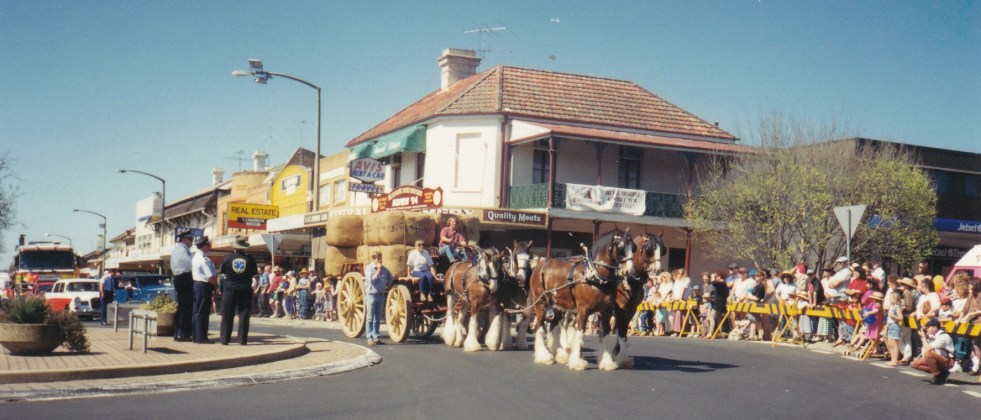
Tribute to mining and industrial heritage If you wander along the John Street heritage precinct, you will come across a quaint monument with a large wagon wheel reminding you of when the horse was king on the Yerranderie Road.   The Camden Teamster's Memorial is on John Street, Camden. The memorial is between Macaria, a… Continue reading Camden Teamsters Memorial, when the horse was king on the Yerranderie Road

1920s · 1930s · 1932 · 20th century · Aesthetics · Bridges · Collective Memory · Commemoration · Community identity · Cultural and Heritage Tourism · Cultural Heritage · Engineering Heritage · Engineering History · Entertainment · Film · Heritage · History · Industrial Heritage · Interwar · JE Bradfield Engineer · Living History · Memory · Modernism · Monuments · Place making · Political history · Sense of place · Storytelling · Sydney · Sydney Harbour Bridge · Tourism · Transport · transport history · Uncategorized · Urban development · Urban growth · Urban history

The Sydney Harbour Bridge, an engineering marvel

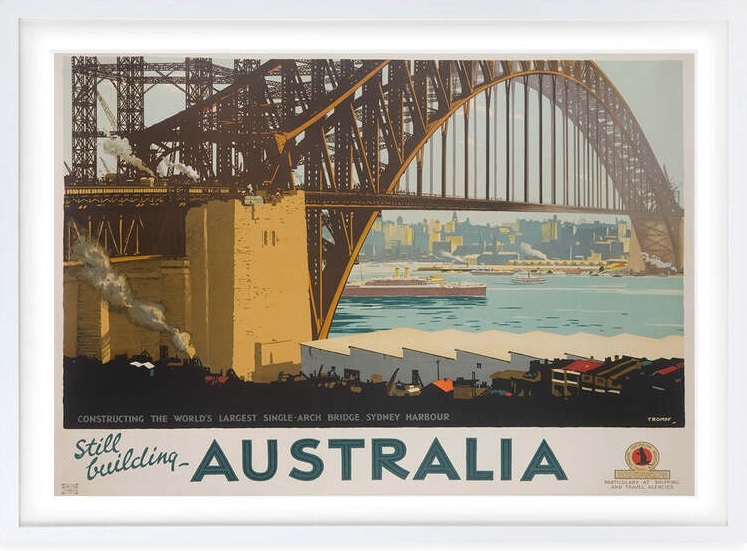
The Sydney Harbour Bridge is an icon on the Sydney urban landscape. The bridge is an engineering marvel of modernism and the early 20th hope of a new nation.

British colonialism · Camden · Camden District · Cawdor · Cobbitty · Colonial Camden · Colonialism · Community identity · Convicts · Cowpastures · England · Farming · Floods · Heritage · Historical consciousness · Historical Research · History · Landscape aesthetics · Local History · Macarthur · Menangle · Myths · Parks · Place making · Regionalism · Royal Tours · rural-urban fringe · Sense of place · Settler colonialism · Tourism · Transport · Urban growth · Urban history · Urbanism · Volunteering

The Camden district, 1840-1973, a field of dreams

The Camden district was historically significant, serving as a social and economic center for over a century. It integrated farming, mining, and community life, shaped by Aboriginal heritage and European settlement. However, modern developments and infrastructural changes led to its decline, transitioning to a regional identity tied to Macarthur area governance and branding.

Charles Cowper · Colonialism · Cultural Heritage · Economy · Heritage · History · Lost Sydney · Maryland · Museum of Applied Arts and Sciences Powerhouse Museum · Railway · Sydney Railway Company · Technology · Thomas Barker · Transport · Uncategorized · Wivenhoe

A Camden connection to the first railway line in New South Wales

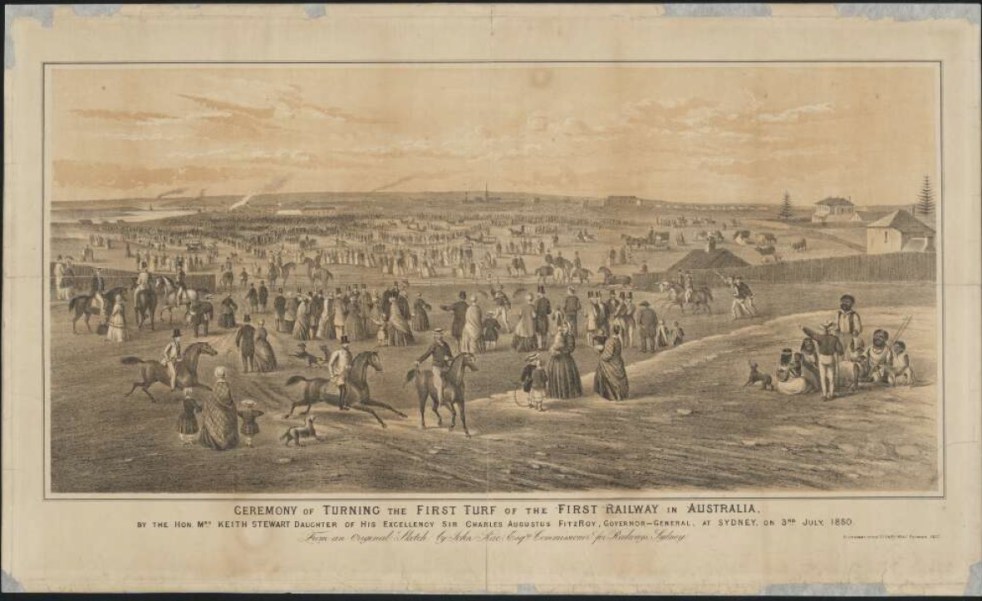
26 September 1855 A forgotten anniversary of Sydney’s Central Railway Station On 26 September 1855, the first train left the Sydney terminus, a ‘tin shed’, with great pomp and ceremony and thus began the great railways of New South Wales. The ‘tin shed’ was replaced by two further buildings, one opened in 1874, and the current grand Victorian edifice of brick and sandstone in 1906.

1920s · Argyle Street · Artefacts · Attachment to place · Camden · Camden Story · Collective Memory · Cultural Heritage · Engineering Heritage · Engineering History · Heritage · Highways · History · Hume Highway · Infrastructure · Living History · Local History · Local Studies · Memorial · Memorials · Memory · Mileposts · Monuments · Place making · Public art · Re-enactments · Roads · Service utilities · Storytelling · Technology · The Great South Road · Tourism · Transport · transport history · Travel · Travellers · Utilities · Wayfinding

Mileposts captured the distance of the past

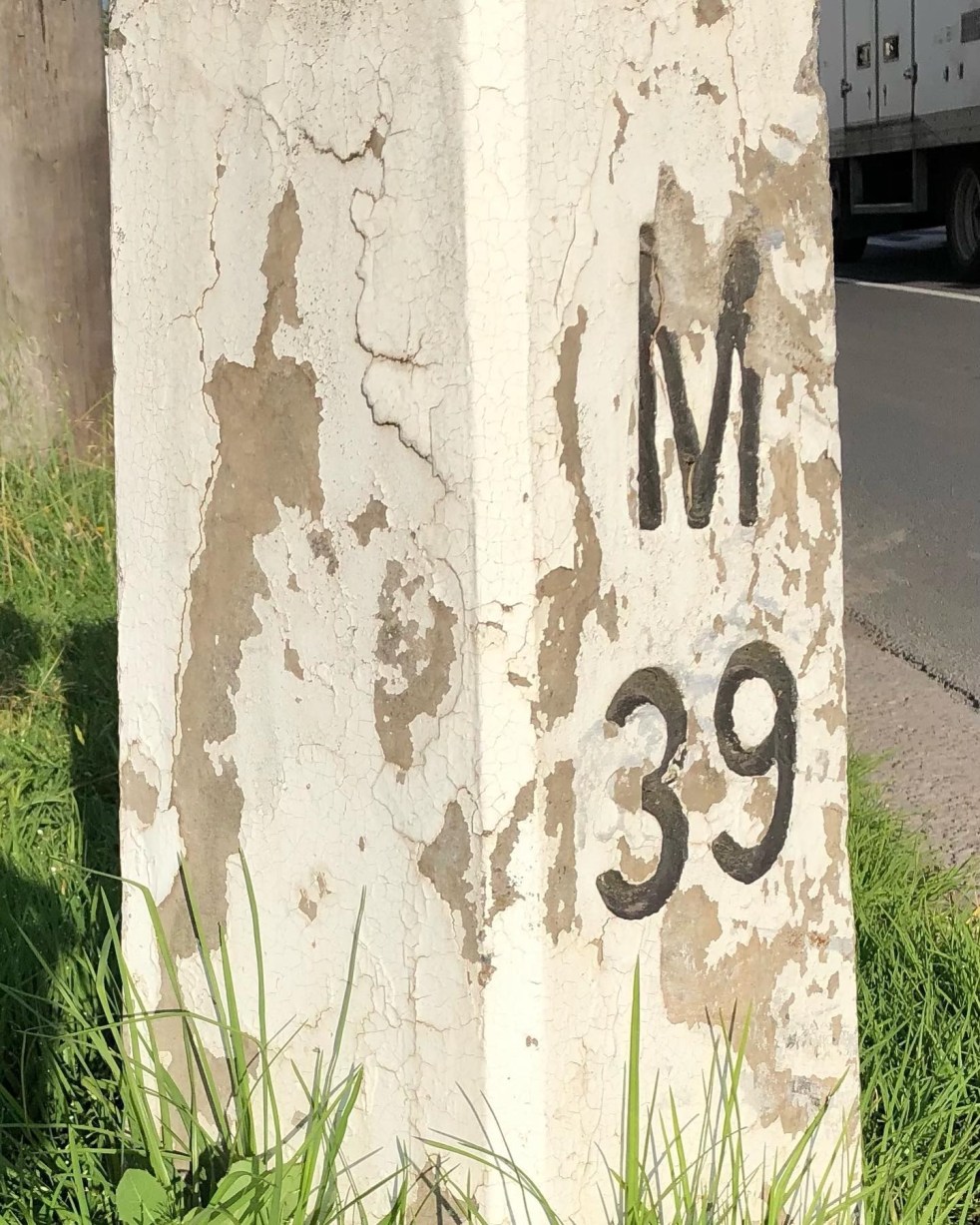
The white concrete mileposts in Camden, remnants of the Hume Highway, mark distances to destinations like Sydney and Mittagong. Originating from Roman times, these posts were part of a 1934 initiative to standardize road markers in NSW, aiding both travelers and road maintenance. They reflect Camden's cultural and engineering heritage.