Charles Cowper · Colonialism · Cultural Heritage · Economy · Heritage · History · Lost Sydney · Maryland · Museum of Applied Arts and Sciences Powerhouse Museum · Railway · Sydney Railway Company · Technology · Thomas Barker · Transport · Uncategorized · Wivenhoe

A Camden connection to the first railway line in New South Wales

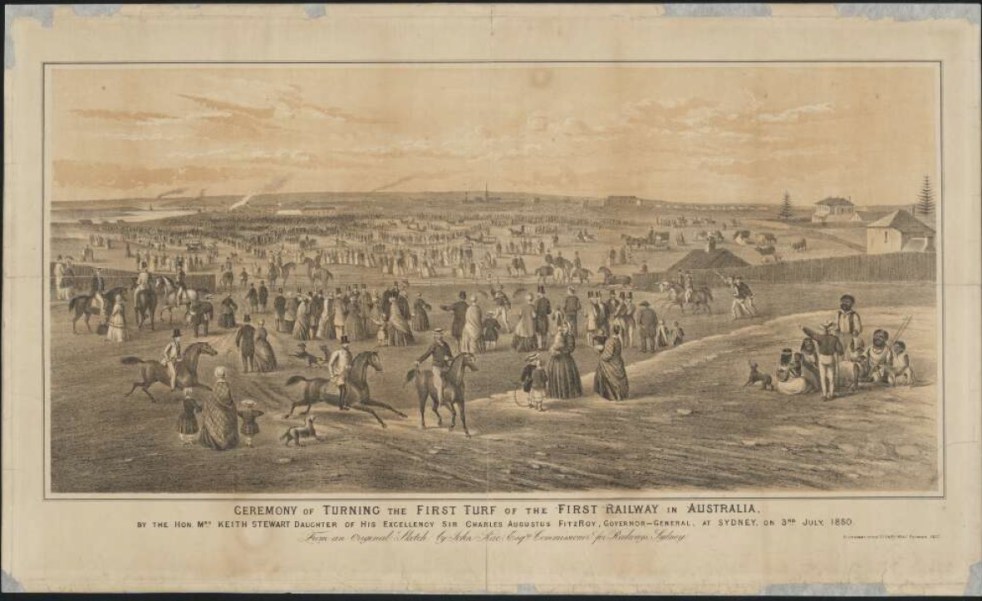
26 September 1855 A forgotten anniversary of Sydney’s Central Railway Station On 26 September 1855, the first train left the Sydney terminus, a ‘tin shed’, with great pomp and ceremony and thus began the great railways of New South Wales. The ‘tin shed’ was replaced by two further buildings, one opened in 1874, and the current grand Victorian edifice of brick and sandstone in 1906.

1920s · Argyle Street · Artefacts · Attachment to place · Camden · Camden Story · Collective Memory · Cultural Heritage · Engineering Heritage · Engineering History · Heritage · Highways · History · Hume Highway · Infrastructure · Living History · Local History · Local Studies · Memorial · Memorials · Memory · Mileposts · Monuments · Place making · Public art · Re-enactments · Roads · Service utilities · Storytelling · Technology · The Great South Road · Tourism · Transport · transport history · Travel · Travellers · Utilities · Wayfinding

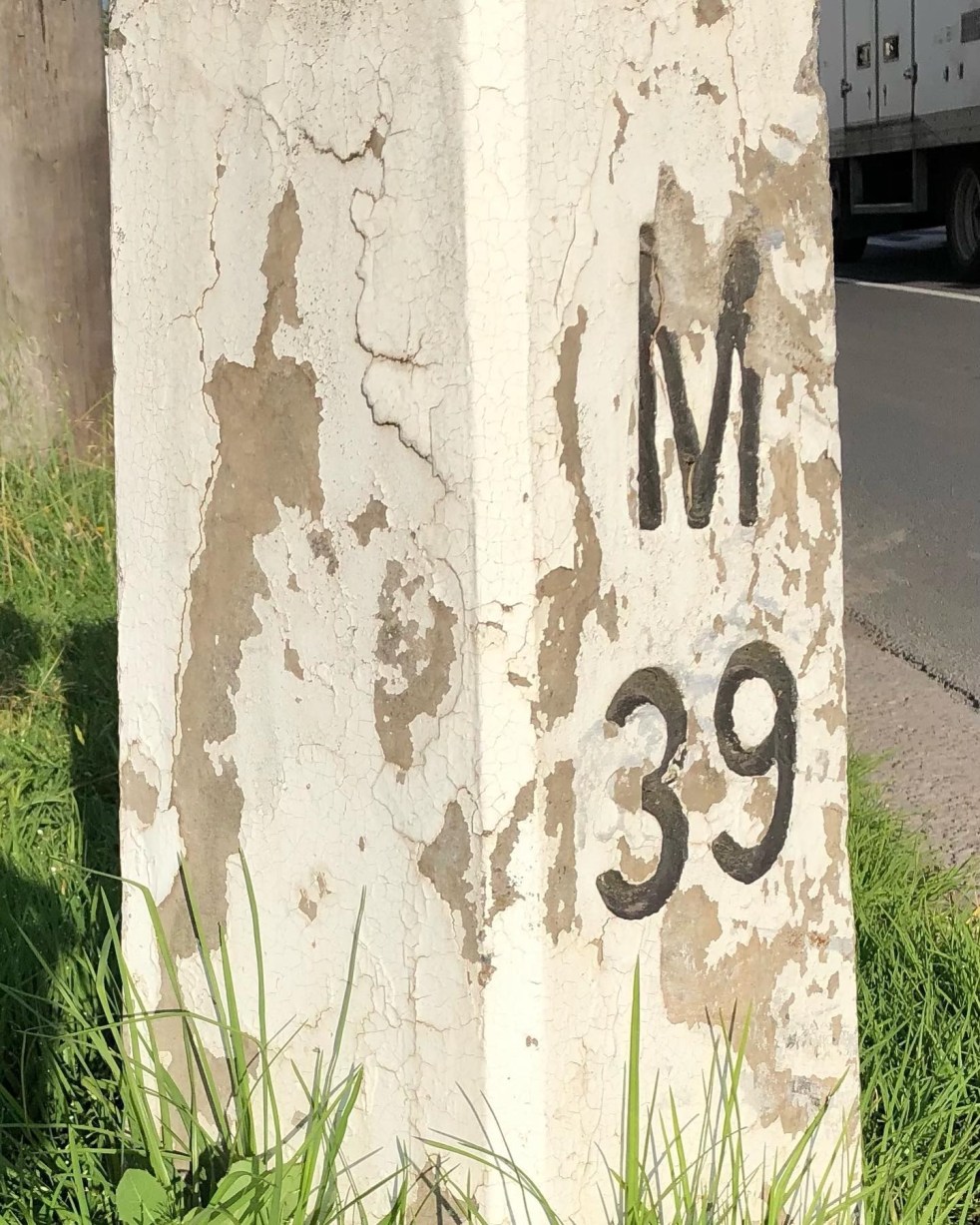
Mileposts captured the distance of the past

The white concrete mileposts in Camden, remnants of the Hume Highway, mark distances to destinations like Sydney and Mittagong. Originating from Roman times, these posts were part of a 1934 initiative to standardize road markers in NSW, aiding both travelers and road maintenance. They reflect Camden's cultural and engineering heritage.

1973 New Cities Campbelltown Camden Appin Structure Plan · Argyle Street · Bridges · Camden · Camden Bridge · Camden Story · Colonial Camden · Community identity · Cowpastures · Cowpastures River · Cultural Heritage · Economy · Engineering Heritage · Engineering History · Floods · Frontier violence · Governor Macquarie · Heritage · History · Hume Highway · Industrial Heritage · Infrastructure · Living History · Local History · Macarthur · Memorial · Memorialisation · Memorials · Monuments · Motoring History · Nepean River · Place making · Placemaking · Railway · Sense of place · Technology · Transport · Travel · Urban history · Utilities

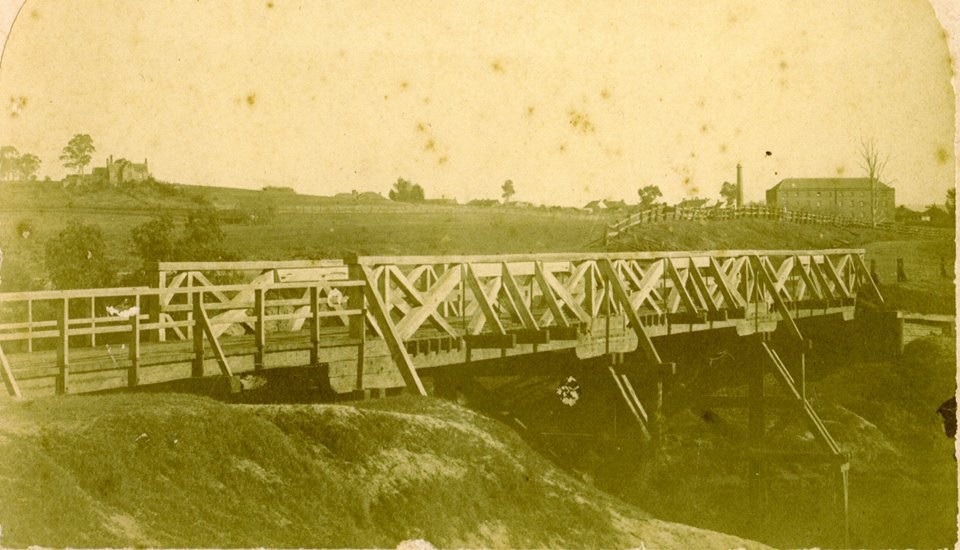
The Cowpastures bridge at the Nepean River crossing

Access across the Nepean River has been an issue since European settlement. The problem was solved by building a bridge with the first in 1826, the next in 1860 followed by 1900 and 1976.

Adaptive Re-use · Anzac · Aviation · Camden Airfield · Cultural Heritage · Engineering Heritage · England · Heritage · History · Living History · Local History · Local Studies · Memory · Military history · Nationalism · Patriotism · Place making · Second World War · Sense of place · Storytelling · Tourism · Transport · Uncategorized · War · War at home · Wartime

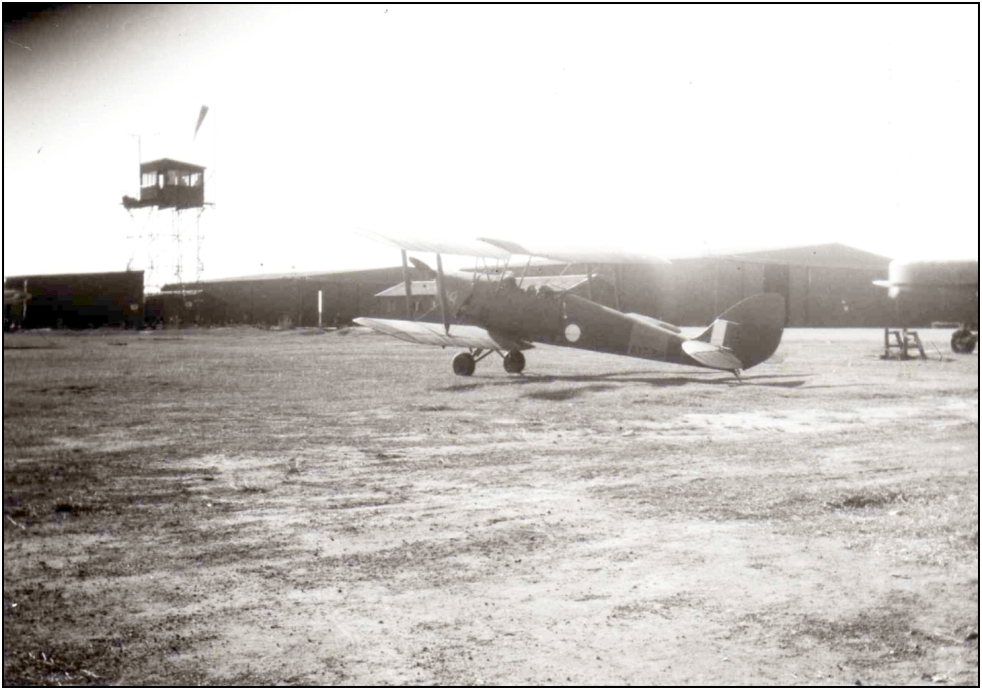
Understanding Bellman Hangars: Camden’s WWII Heritage

Camden Airfield's Bellman hangars, erected during World War II, served as transportable structures for the RAAF Central Flying School under the Empire Air Training Scheme. British-designed by NS Bellman in 1936, these hangars represent Australia's aviation heritage and were crucial for pilot training. Over 280 were supplied across Australia and New Guinea and are part of the country's aviation archaeology.

Architecture · Attachment to place · Camden · Communications · Cowpastures · Cultural Heritage · Cultural icon · Economy · Elderslie · Floods · Heritage · Historical consciousness · Historical Research · Historical thinking · History · Landscape · Living History · Local History · Local Studies · Macarthur · Memorials · Memory · Modernism · Monuments · Nepean River · Place making · Sense of place · Storytelling · Tourism · Transport · Travel · Urban growth · Urban Planning · urban sprawl · Urbanism · Utilities

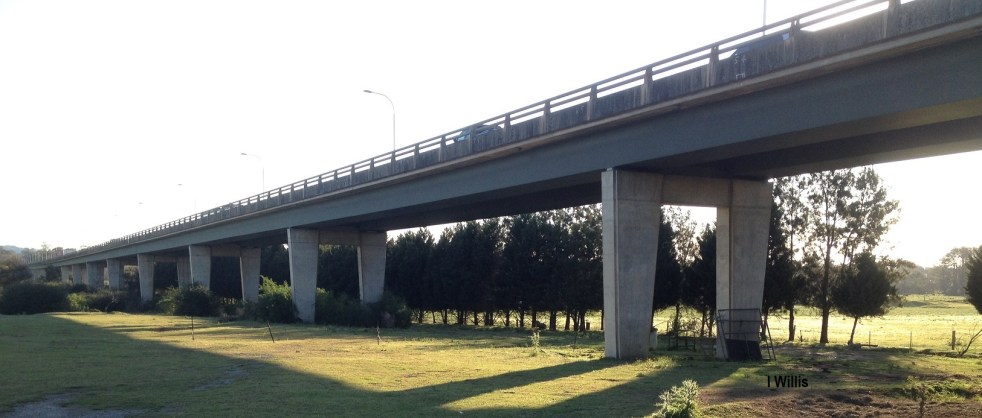
Macarthur Bridge

The Macarthur Bridge across the Nepean River at Camden NSW is an important engineering heritage item.

1920s · 1930s · Agricultural heritage · Agriculture history · Argyle Street · Artefacts · Attachment to place · Belonging · Built heritag · Camden · Camden Story · Cawdor · Churches · Cobbitty · Community identity · Country town · Cultural Heritage · Cultural icon · Elderslie · Family history · Farming · Fashion History · Festivals · Heritage · Historical consciousness · Historical Research · History · Interwar · Living History · Local Studies · Memory · Monuments · Mount Hunter · Photography · Place making · Placemaking · Retail history · Roy Dowle photographer · Ruralism · Sense of place · Settler colonialism · Social History · Stereotypes · Storytelling · Teamsters · The Oaks · Transport · transport history · Urban history · War

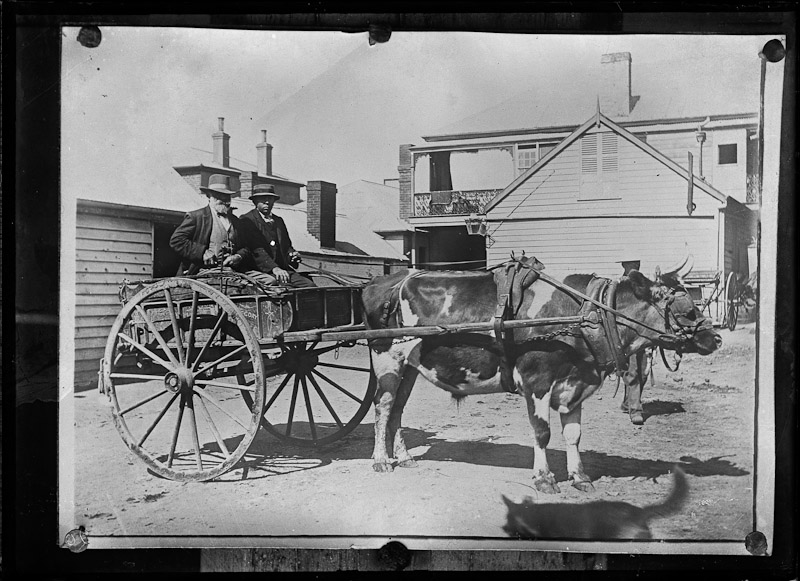
The Roy Dowle collection and old photographs

Old photographs are a glimpse into the past and capture many memories of another time. The Roy Dowle Glass Plate collection at The Oaks Historical Society is a source of many local images.

1920s · Aesthetics · Attachment to place · Belonging · Camden · Communications · Cultural Heritage · Cultural icon · Economy · Heritage · Historical consciousness · Historical Research · Historical thinking · History · Leisure · Living History · Local History · Local Studies · Lost Sydney · Memory · Modernism · Moveable Heritage · Narellan · Place making · Railway · Re-enactments · Ruralism · Sense of place · Stereotypes · Storytelling · Streetscapes · Tourism · Transport · Travel · Utilities

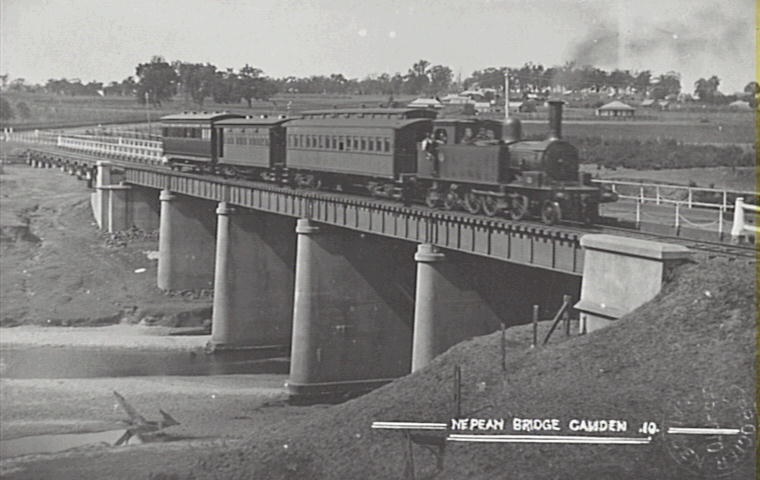
Pansy the Camden locomotive

The Camden train affectionately called Pansy is a distant memory that rekindles many memories and a nostalgia for the past.

20th century · Adaptive Re-use · Architecture · Attachment to place · Built heritag · Business · Business History · Camden · Camden Story · Cultural Heritage · Cultural icon · Heritage · Historical consciousness · History · Interwar · Leisure · Local History · Local Studies · Memory · Mid-century modernism · Modernism · Motoring History · Moveable Heritage · Narellan · Place making · Placemaking · Retailing · Sense of place · Storytelling · Tourism · Transport · Urban growth · Urban history

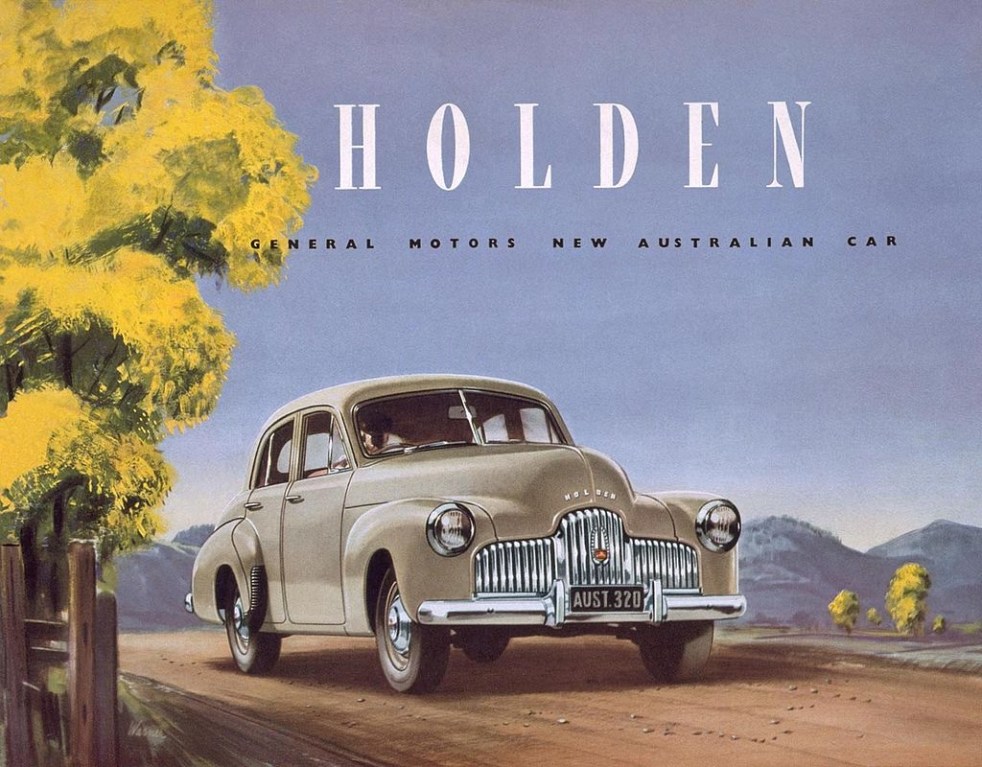
Clintons Motors Car Showroom, motoring and modernism

In March 1948, Camden celebrated a new era in motoring with the opening of Clintons Motors' modern showroom. The introduction of the FX Holden marked a pivotal moment in Australian automotive history, showcasing innovation and capturing community excitement. This Art Deco building symbolized modern shopping and transformed Camden's motoring landscape.

20th century · Advertising · Aesthetics · Art · Attachment to place · Australia · Camden · Camden Story · Community identity · Costume History · Cultural Heritage · Cultural icon · Dairying · Dress history · Entertainment · Farming · Fashion · Fashion History · Festivals · Heritage · Historical consciousness · Historical Research · Historical thinking · History · Hotels · Interwar · Landscape aesthetics · Leisure · Lifestyle · Living History · Local History · Local Studies · Memory · Mid-century modernism · Modernism · Motoring History · Moveable Heritage · Myths · Pageant · Place making · Placemaking · Railway · Re-enactments · Retailing · Ruralism · Sense of place · Shopping · Stereotypes · Storytelling · Streetscapes · Sydney · Theatre · Tourism · Transport · Women's history

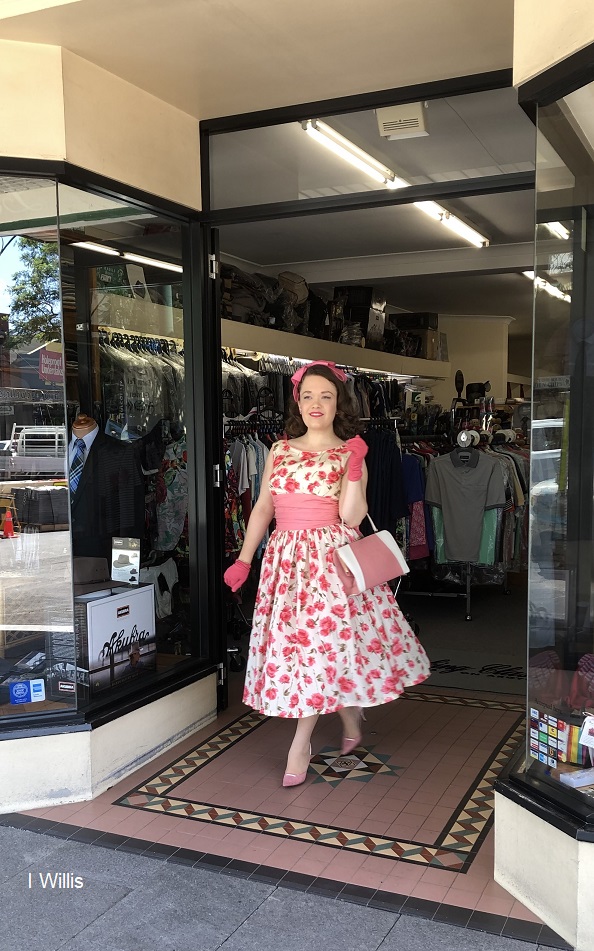
History Magazine photoshoot for RAHS captures a window into the past in Camden

A photo shoot for the History Magazine of the Royal Australia Historical Society at Camden NSW captures a window into the past.

Adaptive Re-use · Aesthetics · Architecture · Attachment to place · Built heritag · Business History · Community identity · Cultural Heritage · Cultural icon · Dairying · Dungog · Farming · Heritage · Historical consciousness · History · Interwar · Local History · Memory · Modernism · Motoring History · Place making · Retailing · Sense of place · Streetscapes · Tourism · Transport · Urbanism

Davey & Olsen, Dungog: an interwar garage

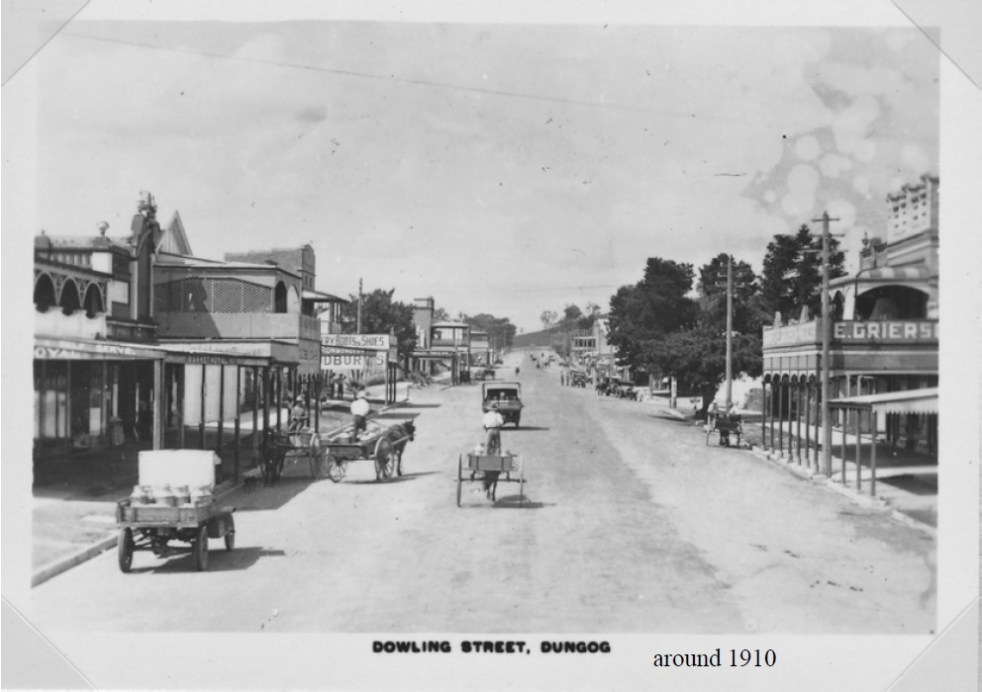
A country town interwar garage is a fine example of early motoring history in Australia. Dungog has a number of motor garages with many elements that show their origins from the Interwar period.