1920s · Adaptive Re-use · Aesthetics · Architecture · Attachment to place · Belonging · Business · Camden · Camden Museum · Camden Park House and Garden · Colonial Camden · Communications · Community identity · Cowpastures · Cultural Heritage · Cultural icon · Economy · Entertainment · Family history · Fashion · Festivals · Genealogy · Heritage · Historical consciousness · Historical Research · Historical thinking · History · History of a house · History theory and practice · House history · Job creation · Lifestyle · Living History · Local History · Local Studies · Macarthur · Media · Menangle · Military history · Modernism · NSW History K-10 Syllabus · Place making · Ruralism · Sense of place · Settler colonialism · Stereotypes · Storytelling · Streetscapes · Sydney's rural-urban fringe · Tourism · Travel · Urban growth · Urban Planning · urban sprawl · Volunteering · Volunteerism · Women's history

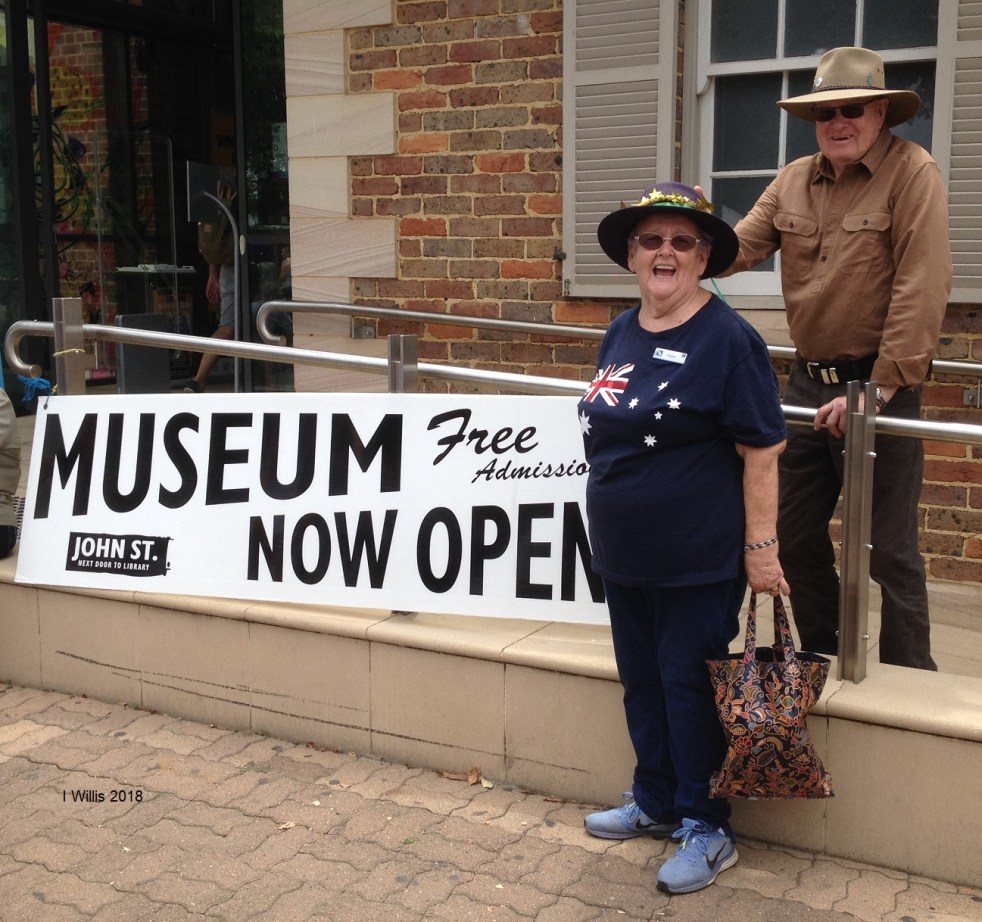
Understanding the Camden Story: History, Community, and Identity

The Camden story encapsulates the rich tapestry of tales and histories that define the Camden community, including dreamtime legends and settler accounts. It offers insight into the community's values, identity, and resilience, serving as both a historical narrative and a tool for local businesses, fostering deeper connections among residents.

1968 Sydney Region Outline Plan · 1973 New Cities Campbelltown Camden Appin Structure Plan · Aesthetics · Airds · Architecture · Attachment to place · Campbelltown · Collective Memory · Community identity · Cultural Heritage · Cultural icon · Economy · Heritage · Historical consciousness · Historical Research · Historical thinking · History · Housing · Landscape · Lifestyle · Living History · Local History · Local Studies · localism · Lost Sydney · Macarthur · Macarthur Growth Centre · Malls · Memory · Mid-century modernism · Modernism · Myths · Place making · Placemaking · Retailing · rural-urban fringe · Sense of place · Shopping · Stereotypes · Storytelling · Streetscapes · Supermarkets · Sydney · Town planning · Urban Decay · Urban development · Urban growth · Urban history · Urban Planning · urban sprawl · Urbanism

Airds Shopping Mall demolition, the unmet expectations of mid-century modernism

The Airds shopping mall's future encapsulates the decline of mid-century modernism in the midst of urban neglect. Once a symbol of optimism, the area's decay reflects broader global trends in retail. From failed Radburn principles to public housing challenges, the mall's history mirrors the clash of modernism and neoliberalism in Campbelltown. Despite the despair former residents report that they recall happy memories and stories of hope growing up in the area.

Adaptive Re-use · Aesthetics · Architecture · Argyle Street · Attachment to place · Business · Camden · Camden Gasworks · Camden Story · Communications · Community identity · Cultural Heritage · Cultural icon · Electricity · Engineering Heritage · Gas · Gothic · Heritage · Historical Research · Historical thinking · History · Industrial Heritage · Infrastructure · Living History · Local History · Local Studies · Memory · Myths · Place making · Public art · Sense of place · Service utilities · Storytelling · Streetscapes · Technology · Town planning · Urban Planning · urban sprawl · Urbanism · Utilities · Water

Mundane objects tell an interesting story

Utility covers are mundane objects that tell interesting stories about the past in an area. Others consider then to be a form of street art and street aesthetic.

1973 New Cities Campbelltown Camden Appin Structure Plan · Argyle Street · Bridges · Camden · Camden Bridge · Camden Story · Colonial Camden · Community identity · Cowpastures · Cowpastures River · Cultural Heritage · Economy · Engineering Heritage · Engineering History · Floods · Frontier violence · Governor Macquarie · Heritage · History · Hume Highway · Industrial Heritage · Infrastructure · Living History · Local History · Macarthur · Memorial · Memorialisation · Memorials · Monuments · Motoring History · Nepean River · Place making · Placemaking · Railway · Sense of place · Technology · Transport · Travel · Urban history · Utilities

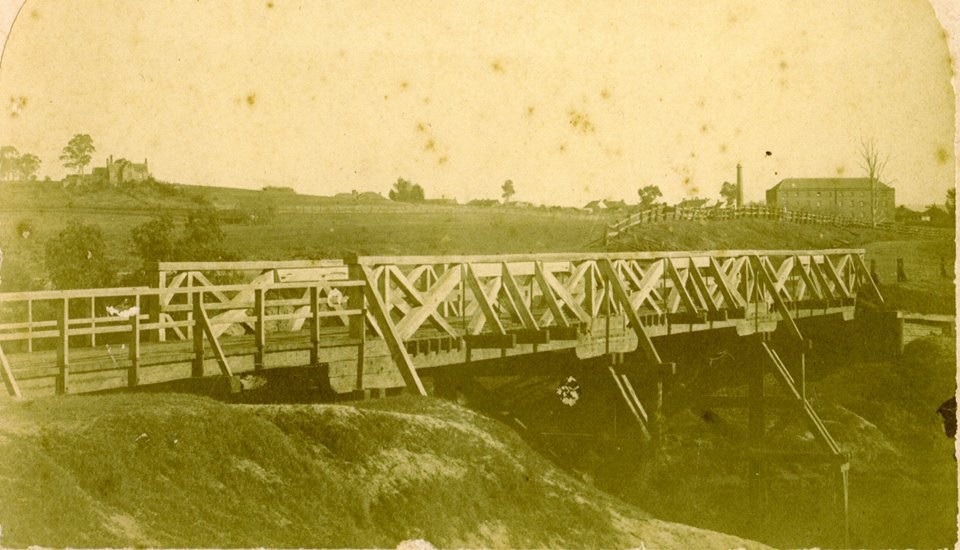
The Cowpastures bridge at the Nepean River crossing

Access across the Nepean River has been an issue since European settlement. The problem was solved by building a bridge with the first in 1826, the next in 1860 followed by 1900 and 1976.

Architecture · Attachment to place · Camden · Communications · Cowpastures · Cultural Heritage · Cultural icon · Economy · Elderslie · Floods · Heritage · Historical consciousness · Historical Research · Historical thinking · History · Landscape · Living History · Local History · Local Studies · Macarthur · Memorials · Memory · Modernism · Monuments · Nepean River · Place making · Sense of place · Storytelling · Tourism · Transport · Travel · Urban growth · Urban Planning · urban sprawl · Urbanism · Utilities

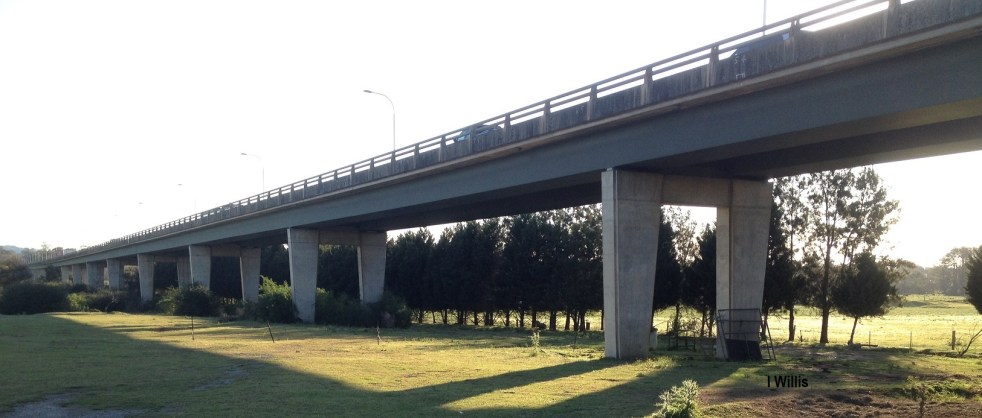
Macarthur Bridge

The Macarthur Bridge across the Nepean River at Camden NSW is an important engineering heritage item.

20th century · Aesthetics · Anzac · Art · Attachment to place · Australia · Belonging · Camden · Camden Airfield · Churches · Community Health · Community identity · Cultural Heritage · Cultural icon · Education · Family history · Festivals · First World War · Heritage · Historical consciousness · Historical Research · Historical thinking · History · Interwar · Living History · Local History · Local newspapers · Local Studies · Memorials · Memory · Menangle Army Camp · Military history · Modernism · Myths · Narellan Military Camp · Newspapers · Place making · Public art · Red Cross · Second World War · Sense of place · Stereotypes · Storytelling · Volunteering · Volunteerism · War · War at home · Wartime

Understanding the Anzac Myth: Truths and Contradictions

The Anzac story is vital to Australian identity, yet its meaning remains contested. Historian Dr. Jen Roberts argues that the narrative, while centered on duty and sacrifice, encompasses contradictions surrounding nationalism, trauma, and the realities of war. Anzac's evolution reflects cultural transformations, highlighting diverse interpretations and ongoing relevance in society.

1920s · 20th century · Aesthetics · Attachment to place · Australia · Camden · Camping · Coal mining · Community identity · Cultural Heritage · Cultural icon · Dairying · Dress history · Engineering Heritage · Family history · Farming · Fashion · Gender · Heritage · Historical consciousness · Historical Research · Historical thinking · History · Industrial Heritage · Interwar · Leisure · Lifestyle · Living History · Local History · Local Studies · Memory · Mining · Modernism · Place making · Railway · Sense of place · Social media · Storytelling · Stuart Park Wollongong · Stuart Park, Wollongong · Technology · Travel · Urbanism · Wollongong · Women's history

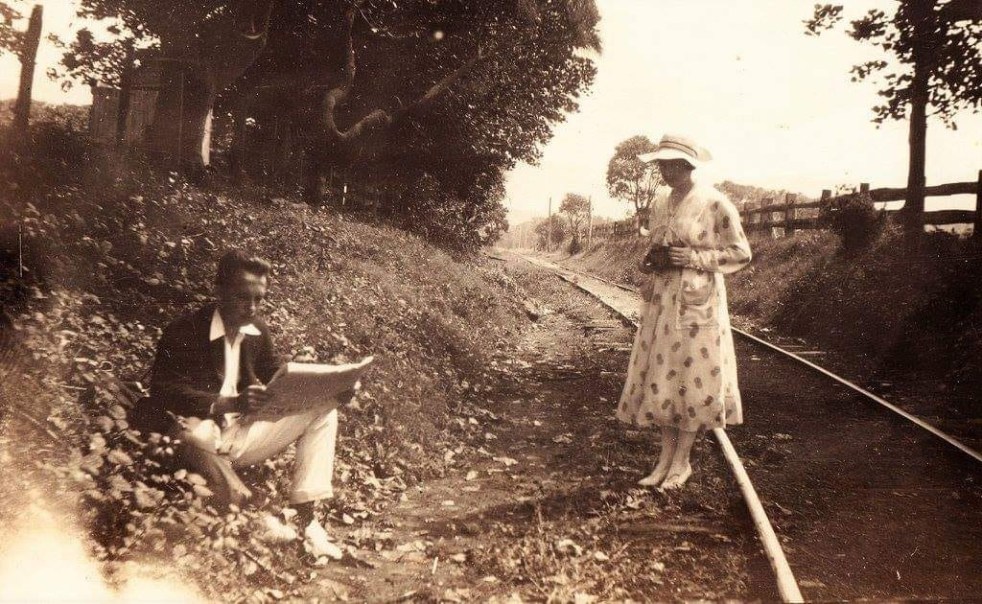
The mysteries of a photograph

How the mysteries of a pretty picture from yesteryear allows you to peel back the layers of the past. Each layer has a meaning and a story that is told by the historian. The stories provide context for the photograph and give it greater meaning.

Adaptive Re-use · Aesthetics · Architecture · Art · Attachment to place · Belonging · Camden · Camden Show · Community identity · Cultural Heritage · Cultural icon · Economy · Farming · Festivals · Heritage · Historical consciousness · Historical Research · Historical thinking · History · Interwar · Leisure · Lifestyle · Living History · Local History · Local Studies · Macarthur · Memorials · Memory · Modernism · Monuments · Myths · Parks · Place making · Public art · Ruralism · Sense of place · Storytelling · Streetscapes · Theatre · Tourism · Urbanism · War

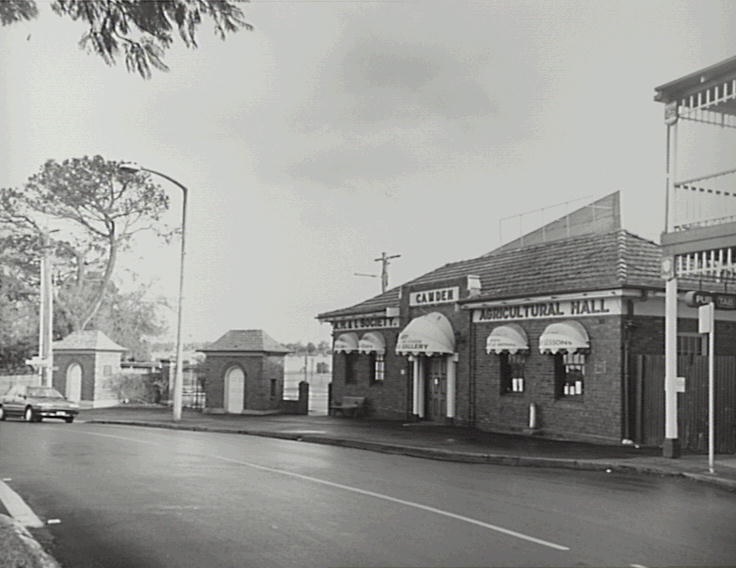
Aaron Bolot, a Sydney architect, and Camden’s Interwar heritage

Sydney architect Aaron Bolot designed the extension to the Camden agricultural hall. This building was one of many that were built in Camden during the Intewar period.

Aesthetics · Agricultural heritage · Agricultural modernism · Architecture · Attachment to place · Australia · Belgenny Farm · Business · Camden Park House and Garden · Community identity · Cowpastures · Cultural Heritage · Cultural icon · Dairying · Engineering Heritage · Engineering History · Farming · Food · Heritage · Historical consciousness · Historical Research · Historical thinking · History · Industrial Heritage · Lifestyle · Living History · Local History · Local Studies · Lost Sydney · Macarthur · Memory · Menangle · Mid-century modernism · Modernism · Monuments · Myths · Place making · Placemaking · Ruralism · Sense of place · Sydney · Sydney's rural-urban fringe · Tourism · Town planning · Urban growth · Urban Planning · urban sprawl · Urbanism · USA · Utilities

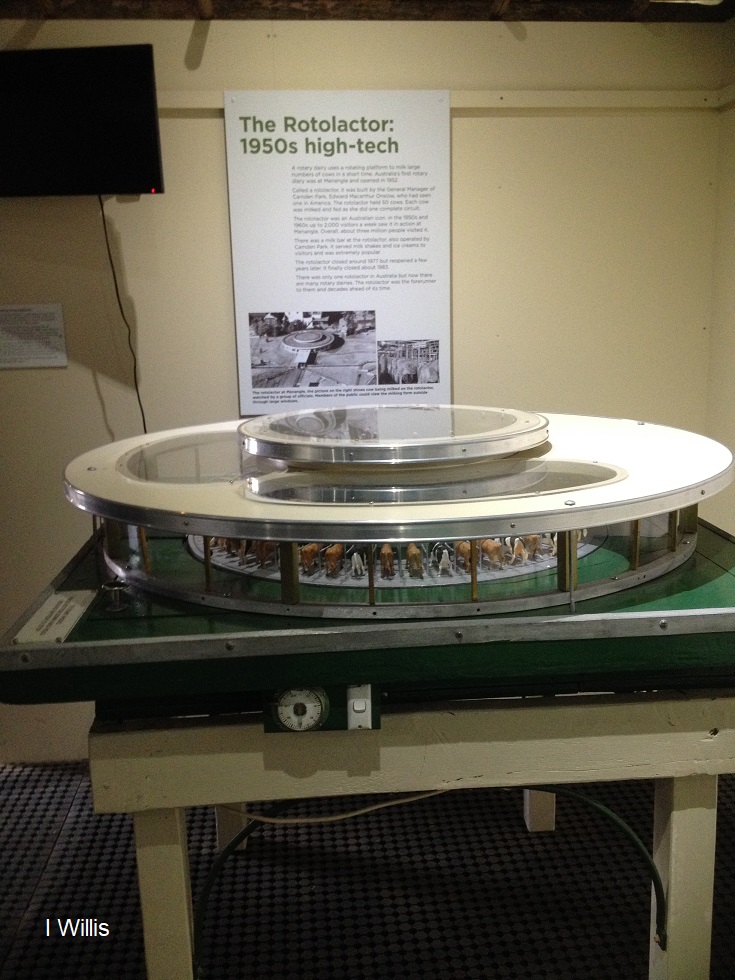
The Rotolactor, a Menangle milking marvel

The Rotolactor was Menangle's milking marvel. A rotating dairy that was a tourism attraction and an example of industrial modernism on the colonial property Camden Park estate.

Aesthetics · Art · Attachment to place · Australia · Belonging · Camden · Camden Airfield · Camden Park House and Garden · Community identity · Cultural Heritage · Cultural icon · Denbigh · England · Entertainment · Farming · Fashion · Festivals · Gothic · Heritage · Historical consciousness · Historical Research · Historical thinking · History · Interwar · Landscape aesthetics · Leisure · Lifestyle · Living History · Local History · Local Studies · Macarthur · Memorials · Memory · Modernism · Monuments · Moveable Heritage · Movies · Myths · Place making · Public art · Re-enactments · Ruralism · Sense of place · Stereotypes · Streetscapes · Sydney · Sydney's rural-urban fringe · Technology · Theatre · Tourism · Travel · TV Series Shows · Victorian · Volunteerism · War

Movie making Camden style

Filmmakers have long been drawn to Camden's English countryside setting for movie backdrops. The area has hosted various films, including silent movie Silks and Saddles (1921), wartime drama The Rats of Tobruk (1944), series like A Place to Call Home (2012), and modern productions like Peter Rabbit (2018, 2020). It continues to attract filmmakers seeking a classic English aesthetic for their productions.