Appin · Art · Attachment to place · Belonging · British colonialism · Campbelltown Art Centre · Collective Memory · Colonial frontier · Colonialism · Commemoration · Community identity · Cowpastures · Cowpastures Bicentennial · Cultural Heritage · Dharawal · Governor Macquarie · Heritage · History · Landscape · Landscape aesthetics · Local History · Local Studies · Memorial · Memorialisation · Memorials · Memory · Monuments · Place making · Placemaking · Public art · Sculpture · Sense of place · Settler colonialism · Settler Society · Stereotypes · Storytelling · Uncategorized

The Cowpastures Bicentennial, Governor Hunter and the Appin Massacre: the memory of the Cowpastures

I often wondered why the cultural material representative of the Cowpastures appeared to have been 'forgotten' by our community. The list of cultural items is quite an extensive include: roads and bridges, parks and reserves; historic sites, books, paintings, articles; conferences, seminars, and workshops; monuments, memorials and murals; community commemorations, celebrations and anniversaries.

Argyle Street · Camden · Camden Council · Camden Historical Society · Camden Museum · Camden Red Cross · Camden Show · Churches · Coal mining · Colonial Camden · Country Women's Association · Cultural Heritage · Dairying · Elizabeth Macarthur · Farming · First World War · Floods · Heritage · History · Living History · Local History · Local newspapers · Local Studies · Macarthur · Macarthur Park · Nepean River · Philanthropy · Place making · Placemaking · Railway · Red Cross · Schools · Second World War · Sense of place · Settler colonialism · Settler Society · Silver mining · Storytelling · Sydney's rural-urban fringe · Uncategorized · Urban development · Urban growth · Urban Planning · urban sprawl · Urbanism · Volunteering · Volunteerism · Wartime · World War One

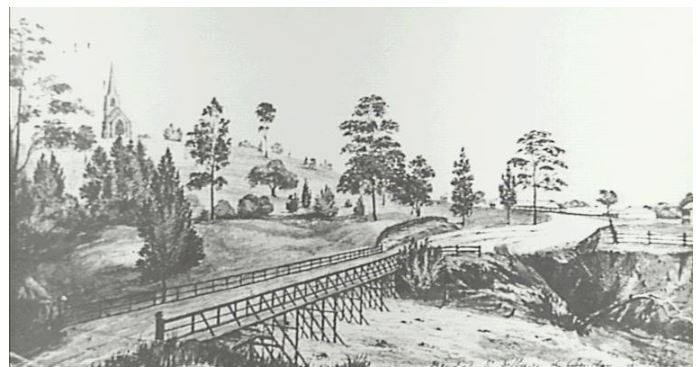
Camden, a Macarthur family venture

The establishment of Camden, New South Wales, the town in 1840, was a private venture of James and William Macarthur, sons of colonial patriarch John Macarthur, at the Nepean River crossing on the northern edge of the familyโ€™s pastoral property of Camden Park. The townโ€™s site was enclosed on three sides by a sweeping bend in the Nepean River and has regularly flooded the surrounding farmland and lower parts of the town.

Aesthetics · Art · Attachment to place · Belonging · Camden · Colonial Camden · Colonial frontier · Colonialism · Commemoration · Cowpastures Bicentennial · Cultural icon · Dharawal · Family history · Festivals · Frontier violence · Governor Macquarie · Heritage · Historical consciousness · History · Living History · Local History · Local Studies · Memorial · Memorialisation · Memorials · Memory · Monuments · Place making · Public art · Settler colonialism · Settler Society · Tourism · War

Cowpastures’ memories in monuments, memorials and murals.

Many memorials and monuments across the Cowpastures landscape commemorate its history and sense of place, with a recent nostalgic turn focusing on the pioneers and European settlement. War memorials are a ubiquitous form of memorialization in the Macarthur region, and public art, historical sites, and cultural heritage also play significant roles. These commemorations can be controversial, especially considering Australia's dark history, and evoke different memories for different people. Additionally, the landscape of the Cowpastures is interpreted in various ways, including as a colonial frontier, government reserve, and English-style landscape. Various memorials, artworks, and historic sites dot the region, contributing to its identity and history.

Art · Attachment to place · Belonging · British colonialism · Camden · Camden Mayor · Colonial Camden · Colonial frontier · Colonialism · Commemoration · Cowpastures · Cultural Heritage · Cultural icon · Frank Brooking · Frontier violence · Heritage · History · Legends · Local History · Local Studies · Macarthur region · Memorial · Memorials · Memory · Monuments · Myths · Parks · Place making · Placemaking · Public art · Sculpture · Sense of place · Settler colonialism · Settler Society · Storytelling · Uncategorized · Urban development

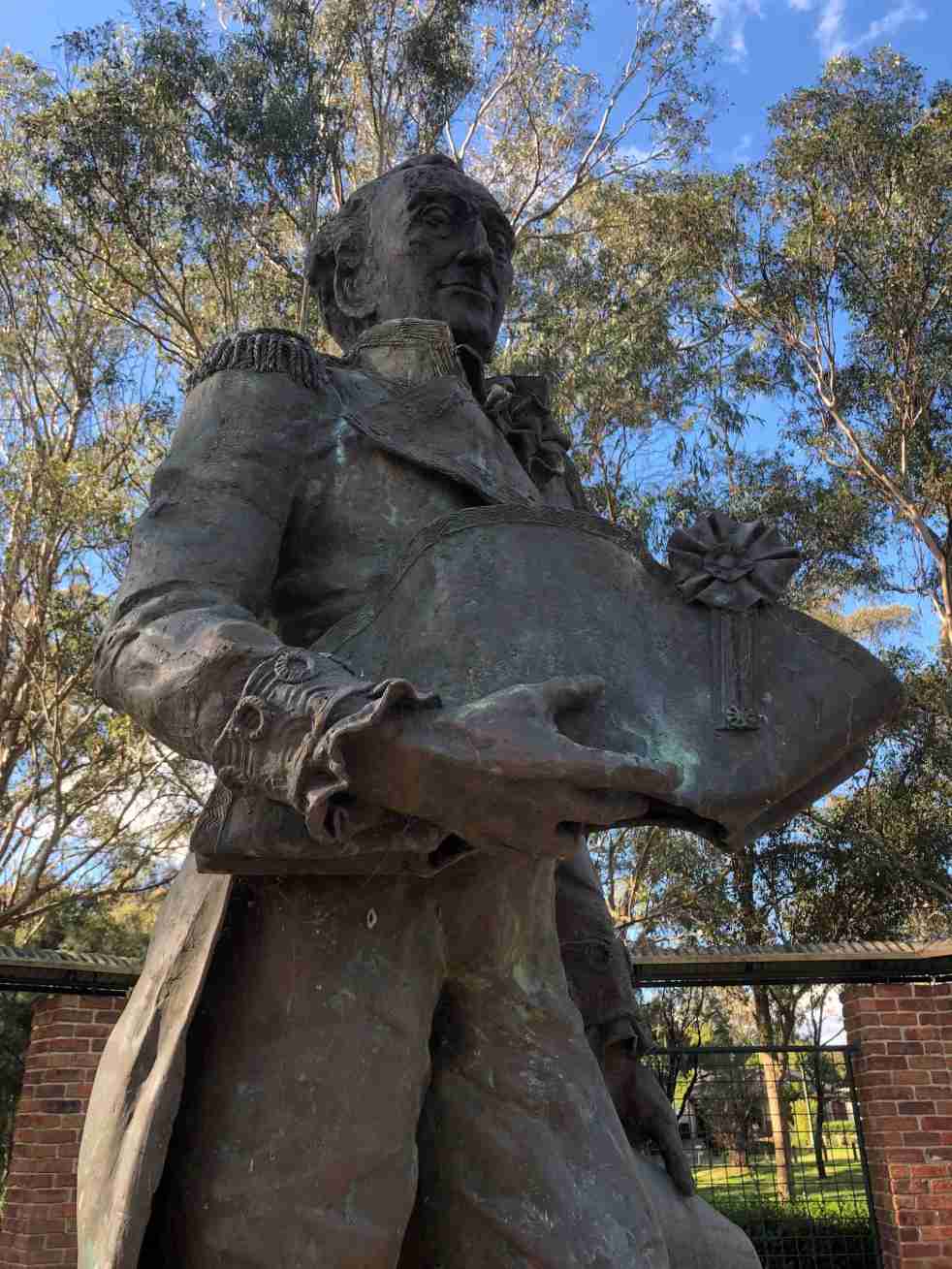
Governor Hunter, a Cowpastures memorial at Mount Annan

The statue of Governor Hunter in the Governors Green Park at Mount Annan is another celebration of the history of the Cowpastures.

Attachment to place · Belonging · Biography · Colonial frontier · Colonialism · Community identity · Cultural Heritage · Cultural icon · Family history · Farming · Gothic · Heritage · Historical Research · History · Landscape · Local History · Local Studies · Myths · Placemaking · Sense of place · Settler colonialism · Settler Society · Stereotypes · Storytelling · Uncategorized · Victorian · Women's history · Women's Writing

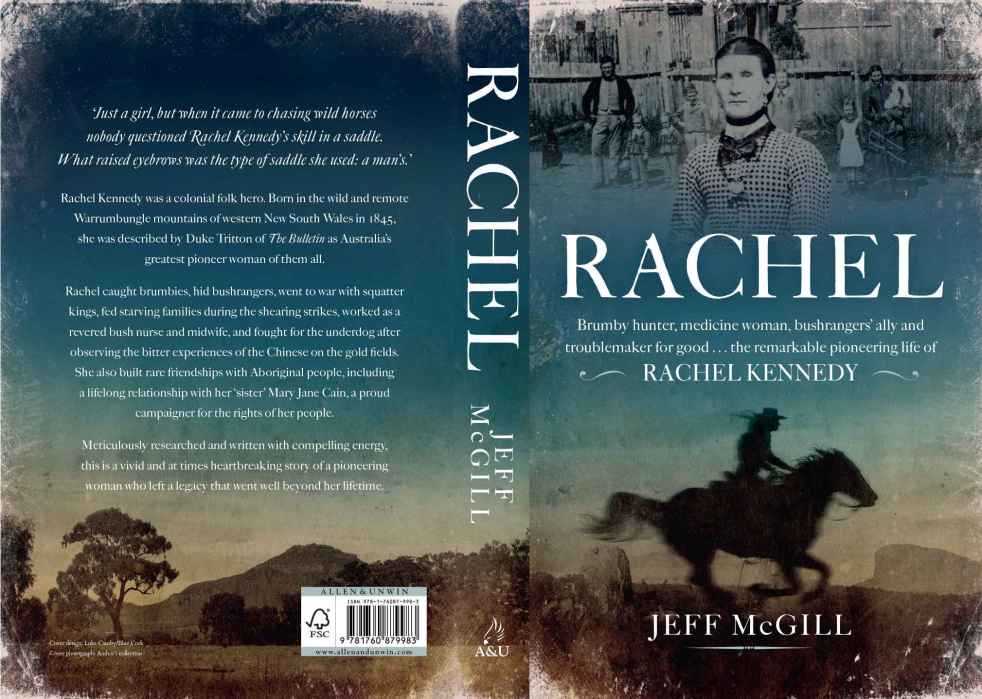
Rachel, a great yarn of the bush from colonial New South Wales

Jeff McGill's Rachel is a ripping yarn about the colonial frontier and the role of women in colonial New South Wales.

Agency · Agriculture · Agriculture history · Attachment to place · Belonging · British colonialism · Camden · Cawdor · Cobbitty · Colonial Camden · Colonial frontier · Colonialism · Community identity · Cowpastures · Cowpastures Estates · Cowpastures Gentry · Cultural Heritage · Cultural icon · Denbigh · Economy · Elderslie · England · Farming · Georgian · Gothic · Harrington Park · Heritage · History · Hope and loss · House history · Indigenous Heritage · Johm Macarthur · John Oxley · Kirkham · Land grants · Landscape · Lifestyle · Local Studies · localism · Macarthur · Maryland · Menangle · Myths · Picton · Pioneers · Place making · Placemaking · Sense of place · Settler colonialism · Settler Society · Storytelling · The Oaks · Urban growth

The Cowpastures’ English-styled gentry and their private villages and land grants

The Cowpastures gentry, a self-proclaimed English aristocracy, resided on expansive estates while engaging in business and politics across the British Empire. By the late 1820s, they had transformed the landscape to resemble the English countryside. Various types of people, including convicts and freemen, also inhabited the area.

Agriculture · Art · Attachment to place · Belonging · Camden Story · Colonialism · Cowpastures · Cultural Heritage · Cultural icon · History · Landscape · Local History · Memorial · Memorials · Monuments · Oran Park · Parks · Place making · Placemaking · Public art · Settler colonialism · Settler Society · Storytelling · Tourism

Cowpastures memorial, Oran Park

The story of the Cowpastures can be told in many ways including through public art. At Oran Park an art installation of a herd of bronze cows is one approach to storytelling.

Aesthetics · Agricultural heritage · Art · Artists · Attachment to place · Belonging · British colonialism · Burragorang Valley · Camden · Camden Hospital · Camden Story · Church History · Coal mining · Colonial Camden · Community identity · Cultural Heritage · Cultural icon · Dairying · Dharawal · Farming · Heritage · Historical consciousness · Historical thinking · History · Living History · Local History · Local Studies · Macarthur · Memorial · Memorialisation · Memorials · Memory · Mid-century modernism · Modernism · Monuments · Pioneers · Place making · Public art · Sense of place · Settler colonialism · Settler Society · Social History · Stereotypes · Storytelling · Tourism

Camden Rotary Pioneer Mural: public art, a mural, a memorial wall and a wishing well

The Camden Pioneer Mural, located near Camden Hospital, serves as a significant piece of public art reflecting the community's history and identity. Conceived by the Camden Rotary Club, it honors local pioneers and agricultural heritage through ceramic tiles. The mural has become a local tourist attraction, symbolizing community pride and cultural narrative.

Aesthetics · Architecture · Art · Attachment to place · Belonging · British colonialism · Built heritag · Camden · Camden Park House and Garden · Camden Story · Camden Town Centre · Church History · Churches · Collective Memory · Colonial Camden · Colonialism · Community identity · Cowpastures · Cultural Heritage · Cultural icon · England · Farming · Gothic · Heritage · Historical consciousness · Historical Research · History · Landscape aesthetics · Legends · Living History · Local History · Local Studies · Macarthur · Memorialisation · Memorials · Memory · Monuments · Myths · Place making · Ruralism · Sense of place · Settler colonialism · Settler Society · Social History · St John's Church Camden · Symbolism · Tourism · Victorian · Women's history

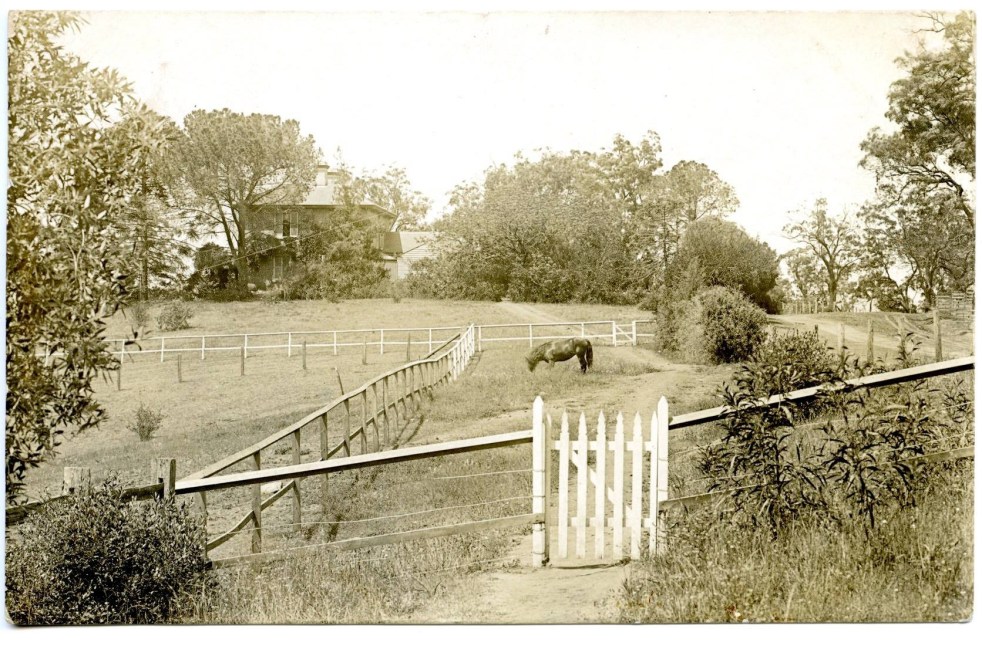
St John’s Church, a contested sacred site in the historic landscape of the Cowpastures

A contested sacred site in the historic landscape of the Cowpastures. St John's Church wants to sell a former horse paddock to fund a new worship centre against community opposition.

Aesthetics · Architecture · Attachment to place · Belonging · British colonialism · Collective Memory · Colonialism · Community identity · Cultural Heritage · Cultural icon · England · Governor Macquarie · Highways · History · Living History · Local History · Local Studies · Memorialisation · Memorials · Memory · Mileposts · Monuments · Parks · Place making · Settler colonialism · Settler Society · Storytelling · Sydney · Urban development · Urban history · Wayfinding

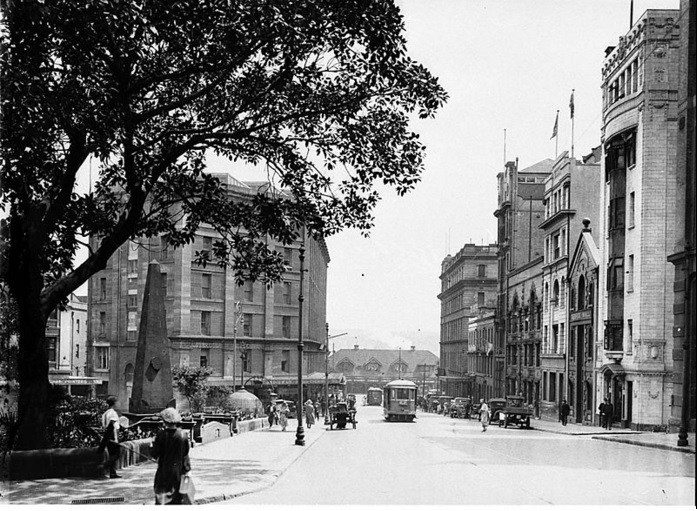
Macquarie Place: an overlooked city space of monumental importance

Macquarie Place is Sydney's oldest public square, established by Governor Macquarie over 200 years ago. Once a colonial elite space, it has transformed alongside the city into a hub for modern finance. The park features monuments and relics, symbolizing its historical significance and ongoing evolution amid urban change.