1920s · 1930s · 1932 · 20th century · Adaptive Re-use · Aesthetics · Architecture · Argyle Street · Attachment to place · Belonging · Built heritag · Business History · Camden Story · Camden Town Centre · Collective Memory · Colonial Camden · Community identity · Cultural Heritage · Cultural icon · Design · Economy · Governor Macquarie · Historical consciousness · History · Interwar · Local History · Local Studies · localism · Macarthur region · Mid-century modernism · Modernism · Place making · Placemaking · Sense of place · Storytelling · Streetscapes · Town planning · Uncategorized · Urban growth · Urban history · Urbanism

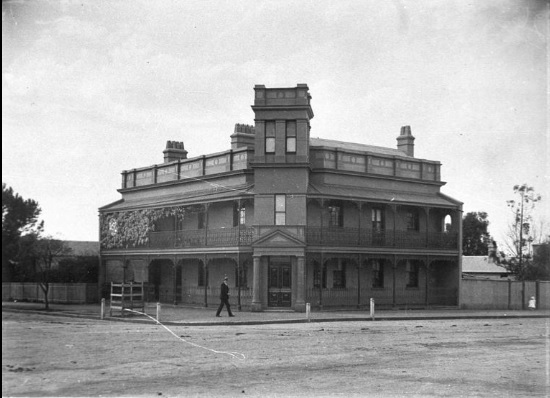
 The former Bank of New South Wales building in the country town of Camden

In central Camden is an empty bank building of understated significance at the intersection of John and Argyle Streets. This building was the premises of Westpac, formerly the Bank of New South Wales, and was the second banking chamber on that site. Constructed in the 1930s by a prominent firm of local builders and designed by one of Sydney’s top award-winning architects. It is a building of much architectural merit, and few know its history. 

Advertising · Agricultural heritage · Agriculture · Agriculture history · Business · Business History · Camden · Camden Story · Community identity · Country town · Cultural Heritage · Cultural plantings · Economy · Family history · Fergusons Australian Nurseries · Gardening · Heritage · History · Horticulture · Landscape · Local History · Local Studies · localism · Nursery · Place making · Placemaking · Plant Nursery · Retailing · Sense of place · Storytelling · Street Trees · Sydney's rural-urban fringe · Technology · Trees · Uncategorized · Urban development · Urban growth · Urban history · Urban Planning · urban sprawl · Urbanism

Ferguson’s Nursery, the post-war years

During the post-war years, Ferguson's Nurseries continued to be located on Sydney’s urban fringe as the metropolitan area expanded into the rural surrounds.

1920s · Agricultural heritage · Agriculture · Agriculture history · Attachment to place · Belonging · Business · Business History · Camden · Camden Story · Cultural Heritage · Cultural plantings · Economy · Family history · Fergusons Australian Nurseries · Gardening · Heritage · History · Horticulture · Local History · Local Studies · Nepean River · Nursery · Place making · Placemaking · Plant Nursery · Retailing · rural-urban fringe · Sense of place · Storytelling · Sydney · Sydney's rural-urban fringe · The Great South Road · Uncategorized · Urban growth · Urban history · Urban Planning · urban sprawl · Urbanism

Ferguson’s Australian Nurseries on the urban fringe

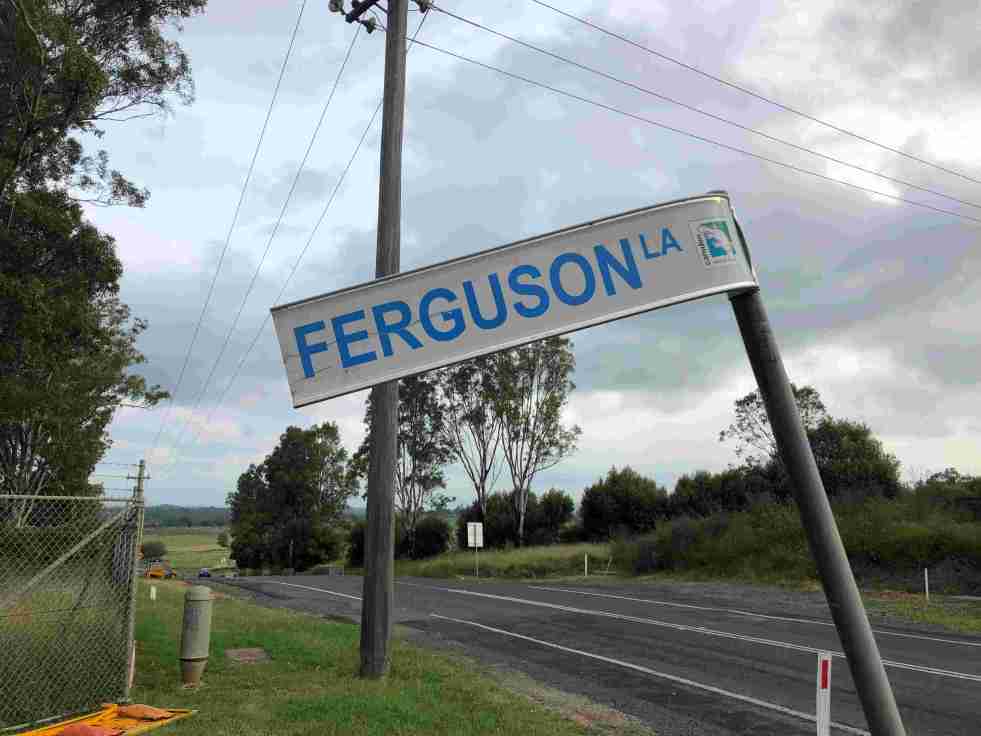
The 20th-century story of Ferguson’s Australian Nurseries is about their location within Sydney’s rural-urban fringe.

Agricultural heritage · Agriculture · Agriculture history · Business · Business History · Camden · Camden Story · Campbelltown · Colonial Camden · Colonialism · Community identity · Cowpastures · Cultural Heritage · Cultural icon · Cultural plantings · Economy · England · Family history · Farming · Fergusons Australian Nurseries · Gardening · Heritage · Horticulture · Landscape · Landscape aesthetics · Local History · Local Studies · Memory · Nepean River · Nursery · Place making · Plant Nursery · Sense of place · Storytelling · Trees · Uncategorized · Urban growth · Urban history

Ferguson’s Australian Nurseries, a century of horticulture

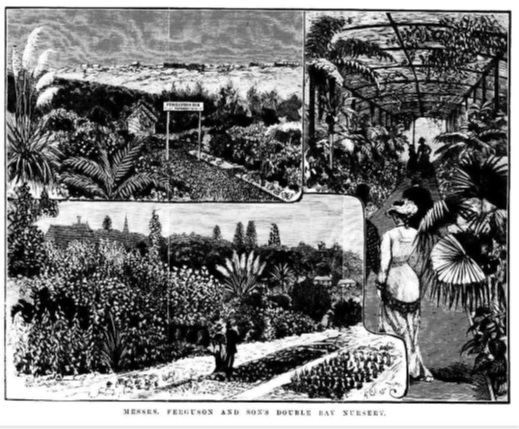
Ferguson's Australian Nursery was part of the horticulture industry in the Camden area for over 100 years. Francis Ferguson established a nursery opposite Macquarie Grove on the Nepean River.

1973 New Cities Campbelltown Camden Appin Structure Plan · Argyle Street · Bridges · Camden · Camden Bridge · Camden Story · Colonial Camden · Community identity · Cowpastures · Cowpastures River · Cultural Heritage · Economy · Engineering Heritage · Engineering History · Floods · Frontier violence · Governor Macquarie · Heritage · History · Hume Highway · Industrial Heritage · Infrastructure · Living History · Local History · Macarthur · Memorial · Memorialisation · Memorials · Monuments · Motoring History · Nepean River · Place making · Placemaking · Railway · Sense of place · Technology · Transport · Travel · Urban history · Utilities

The Cowpastures bridge at the Nepean River crossing

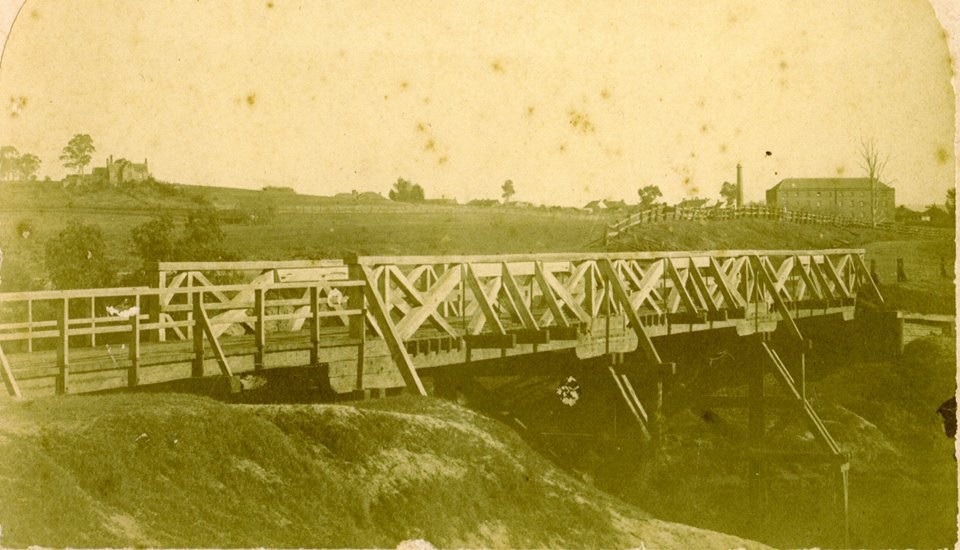
Access across the Nepean River has been an issue since European settlement. The problem was solved by building a bridge with the first in 1826, the next in 1860 followed by 1900 and 1976.

1920s · 1930s · Agricultural heritage · Agriculture history · Argyle Street · Artefacts · Attachment to place · Belonging · Built heritag · Camden · Camden Story · Cawdor · Churches · Cobbitty · Community identity · Country town · Cultural Heritage · Cultural icon · Elderslie · Family history · Farming · Fashion History · Festivals · Heritage · Historical consciousness · Historical Research · History · Interwar · Living History · Local Studies · Memory · Monuments · Mount Hunter · Photography · Place making · Placemaking · Retail history · Roy Dowle photographer · Ruralism · Sense of place · Settler colonialism · Social History · Stereotypes · Storytelling · Teamsters · The Oaks · Transport · transport history · Urban history · War

The Roy Dowle collection and old photographs

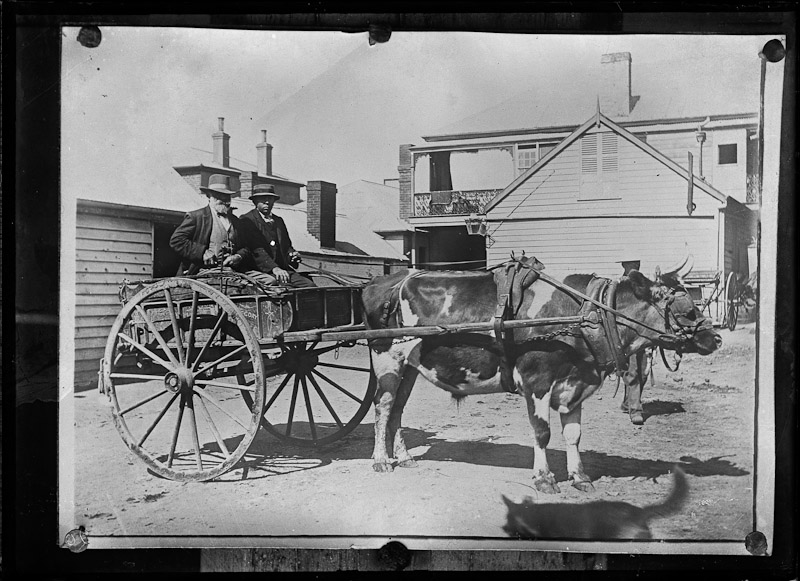
Old photographs are a glimpse into the past and capture many memories of another time. The Roy Dowle Glass Plate collection at The Oaks Historical Society is a source of many local images.

1968 Sydney Region Outline Plan · 1973 New Cities Campbelltown Camden Appin Structure Plan · 20th century · Aesthetics · Architecture · Attachment to place · Brutalist Architecture · Built heritag · Campbelltown · Campbelltown Council · Campbelltown Modernism · Campbelltown Municipal Council · Community identity · Cultural Heritage · Cultural icon · Engineering Heritage · Heritage · Historical consciousness · Historical Research · History · Landscape · Landscape aesthetics · Living History · Local History · Local Studies · Macarthur · Memory · Mid-century modernism · Modernism · Place making · Placemaking · Sense of place · Storytelling · Sydney's rural-urban fringe · Town planning · Urban development · Urban growth · Urban history · Urban Planning · urban sprawl · Urbanism

Campbelltown City Council office extension 1982 – an example of mid-century modernism

In 1982 Campbelltown City Council had the official opening for the brutalist administration building. Combined with the adjacent 1964 modernist office building they are an outstanding example of mid-century modernism in the Macarthur region

1968 Sydney Region Outline Plan · 1973 New Cities Campbelltown Camden Appin Structure Plan · Aesthetics · Architecture · Attachment to place · Business · Campbelltown · Campbelltown Council · Campbelltown Mid-century modernism · Campbelltown Modern · Campbelltown Modernism · Campbelltown Municipal Council · Community building · Community identity · Cultural Heritage · Cultural icon · Design · Economy · Heritage · Historical consciousness · Historical Research · Historical thinking · History · Living History · Local History · Local Studies · Macarthur · Macarthur region · Mid-century modernism · Modernism · Place making · Placemaking · Sense of place · Storytelling · Urban development · Urban growth · Urban history · Urban Planning · urban sprawl · Urbanism

Exploring Campbelltown’s Mid-Century Modern Administration Building

The Campbelltown Council office building, completed in 1964, serves as an unrecognized icon of mid-century modernism, symbolizing the town's optimistic vision as a satellite city. Despite its structural significance and initial hopes for community development, later planning challenges undermined this vision, leaving the building's legacy complex and often overlooked.

Attachment to place · Belonging · Camden · Camden Story · Cobbitty · Community identity · Cultural Heritage · Emergency Services · Farming · Floods · Heritage · Historical consciousness · Historical Research · History · Landscape · Living History · Local History · Local Studies · Memory · Natural Disasters · Nepean River · Place making · Ruralism · Sense of place · Storytelling · Urban development · Urban growth · Urban history · Urban Planning · urban sprawl

The hidden dangers of Camden’s bathtub effect

The Nepean River's 'bathtub effect' refers to the unique flooding impact created by the river's landform. The Hawkesbury-Nepean River's four gorges result in localized floodplains, causing a 'bathtub effect' during periods of high rainfall. These characteristics make the area susceptible to significant flood risk, impacting local communities.

20th century · Adaptive Re-use · Architecture · Attachment to place · Built heritag · Business · Business History · Camden · Camden Story · Cultural Heritage · Cultural icon · Heritage · Historical consciousness · History · Interwar · Leisure · Local History · Local Studies · Memory · Mid-century modernism · Modernism · Motoring History · Moveable Heritage · Narellan · Place making · Placemaking · Retailing · Sense of place · Storytelling · Tourism · Transport · Urban growth · Urban history

Clintons Motors Car Showroom, motoring and modernism

In March 1948, Camden celebrated a new era in motoring with the opening of Clintons Motors' modern showroom. The introduction of the FX Holden marked a pivotal moment in Australian automotive history, showcasing innovation and capturing community excitement. This Art Deco building symbolized modern shopping and transformed Camden's motoring landscape.